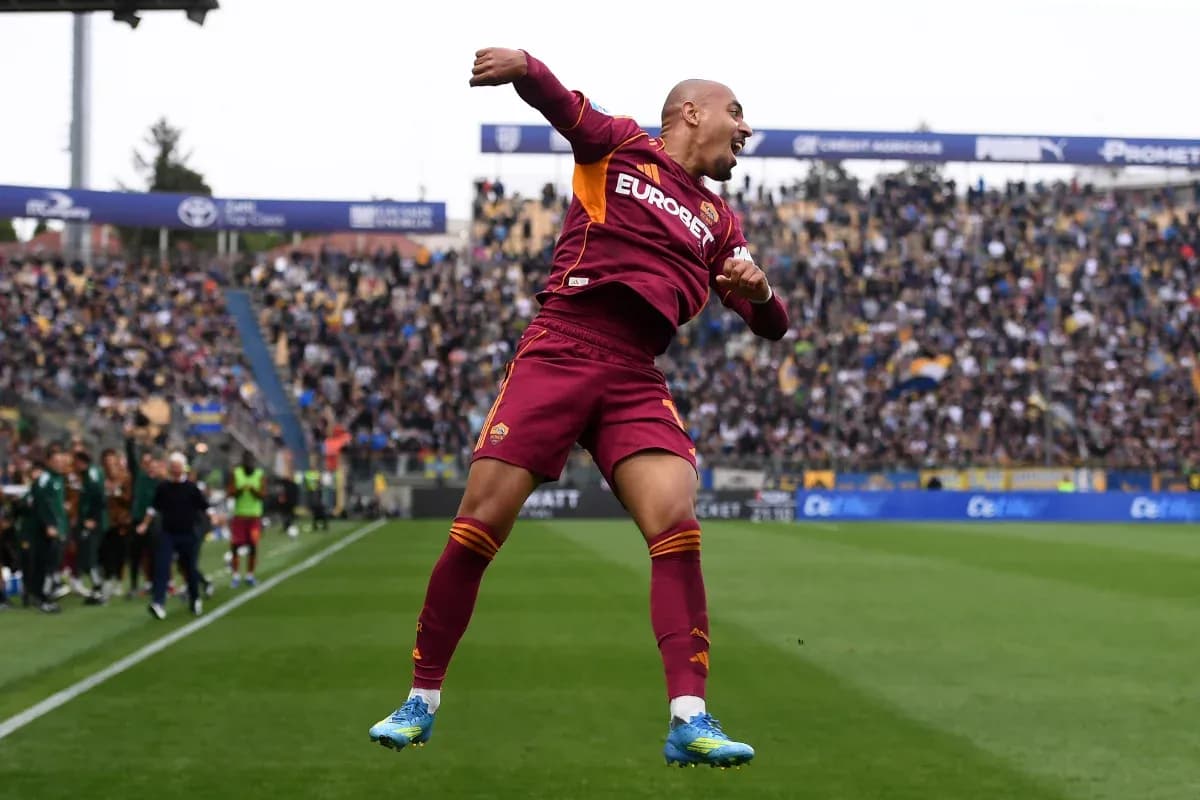
Roma Edges Parma in Thrilling 3–2 Encounter
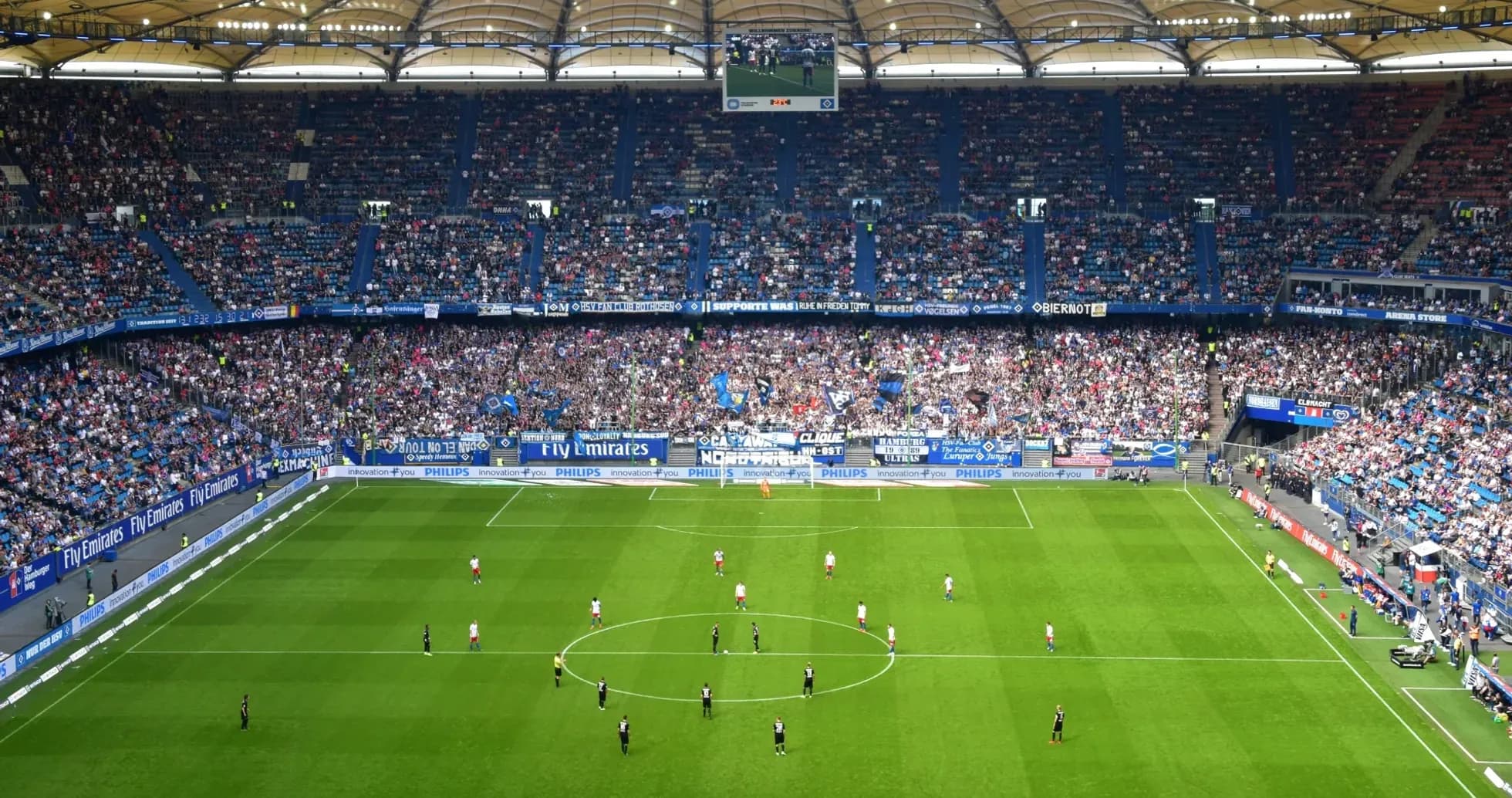
Under the late-season sun at Stadio Ennio Tardini, Parma and AS Roma delivered a five-goal drama that felt like a compressed version of their entire Serie A campaigns. The fixture, part of the Regular Season - 36 round, finished 3–2 to Roma: a narrow away win that underlined the visitors’ European-level cutting edge and the hosts’ familiar blend of resilience and fragility.
Following this result, the table context frames the story. Parma sit 13th on 42 points, with a goal difference of -18, the product of 27 goals scored and 45 conceded overall. Their Serie A DNA this season has been clear: structurally committed, often brave, but chronically light in the final third, with just 0.8 goals per game overall and 0.8 at home. Roma, by contrast, travel as a side moulded for the upper tier. Fifth place with 67 points and a goal difference of +24 (55 scored, 31 conceded overall) reflects a team that scores 1.5 goals per game in total and concedes only 0.9, a balance befitting a Europa League contender.
The tactical shapes on the day mirrored the season-long blueprints. Carlos Cuesta doubled down on Parma’s identity with a 3-5-2, the system he has used in 17 league matches. Piero Gasperini Gian responded with Roma’s now-standard 3-4-2-1, the formation deployed 28 times this campaign. On paper, it was a duel of mirrored back threes, but the interpretation of the wing zones and the half-spaces would decide the narrative.
Tactical Voids and Disciplinary Undercurrents
Both coaches walked into this match with notable absences that reshaped their attacking hierarchies. Parma were without A. Bernabe (muscle injury), B. Cremaschi, M. Frigan and G. Oristanio (all knee injuries). Bernabe’s absence stripped Cuesta of a key connective midfielder, the kind of player who might have raised the hosts’ paltry attacking output at home, where they average only 0.8 goals and have failed to score in 7 of 18 matches.
For Roma, the casualty list was equally influential: A. Dovbyk (groin), E. Ferguson (ankle), L. Pellegrini (thigh) and B. Zaragoza (knee) were all missing. Without Dovbyk and Pellegrini, Roma’s central attacking reference and creative rhythm from midfield needed to be reimagined. It pushed more creative responsibility onto Paulo Dybala and Matías Soule, and more finishing weight onto Donyell Malen.
Discipline has been a defining subplot for both sides this season. Parma’s yellow-card distribution shows a particular volatility after the interval: 21.88% of their cautions arrive between 46–60 minutes and another 21.88% between 76–90, with a further 14.06% in stoppage time (91–105). Their red-card profile is even starker: 40.00% of dismissals fall between 31–45 minutes, with additional reds in the 61–75, 76–90 and 91–105 windows. That late-game emotional edge is personified by centre-back M. Troilo, who has already collected 7 yellows, 1 yellow-red and 1 straight red this season. He also blocked 15 shots, a reminder that his aggression comes attached to real defensive value.
Roma’s caution map is more controlled but still intense in the second half. Between 46–60, 61–75 and 76–90 minutes they accumulate 23.08% of their yellows in each band, a sustained, calculated edge in the middle and late stages. Their reds cluster between 46–60 and 61–75, each accounting for 50.00% of their dismissals. Zeki Celik, who starts as a wide midfielder here, embodies that risk-reward profile: 2 yellows and 1 red, alongside 59 tackles and 6 blocked shots.
Key Matchups
At the sharp end, the match’s offensive axis was always likely to tilt Roma’s way. Donyell Malen arrives as one of Serie A’s most efficient forwards: 13 goals and 2 assists in 16 appearances, with 45 shots and 28 on target. He has also converted 3 penalties from 3 attempts, with no misses. His movement across the front line is designed to stress back threes like Parma’s, dragging central defenders into wide duels they do not want.
Parma’s defensive “shield” is built around Troilo and his partners A. Circati and L. Valenti in the 3-5-2. Troilo’s 23 tackles, 15 blocks and 15 interceptions show a defender who lives in the line of fire. But the collective numbers are less flattering: heading into this game, Parma concede 1.3 goals per match overall and 1.4 at home. Their back line can protect the box in phases, but sustained pressure from a side that scores 1.3 goals per game on their travels – like Roma – tends to find cracks.
On the other side, Parma’s primary “hunter” is actually on the bench at kick-off: Mateo Pellegrino, with 8 goals and 1 assist in 35 appearances. He has taken 50 shots, 21 on target, and drawn 63 fouls, a magnet for contact who also does the dirty work – 15 tackles, 5 blocked shots and 3 interceptions. If and when he enters the fray, he offers a more traditional focal point than the starting duo of N. Elphege and G. Strefezza, who are more about mobility and second balls.
Engine Room
In midfield, the contest is layered and fascinating. For Parma, H. Nicolussi Caviglia anchors the central lane of the five, flanked by C. Ordonez and M. Keita, with E. Valeri and E. Delprato as wing-backs. This line is tasked with compressing Roma’s central build-up and screening vertical passes into Malen and Dybala. Given Parma’s season-long struggle to generate chances – just 27 goals in 36 matches, and 15 at home – their midfield is more about disruption than creation.
Roma’s engine is more multifaceted. Bryan Cristante and M. Kone form the double pivot, but the real creative electricity comes from Matías Soule between the lines. Soule has 6 goals and 5 assists, with 948 passes and 43 key passes at an 84% accuracy rate. He has attempted 91 dribbles with 33 successes, constantly looking to break the first line and feed Malen or Dybala. His work without the ball is underrated too: 18 tackles, 2 blocked shots and 9 interceptions.
The duel between Soule and Parma’s central trio is the tactical hinge of the match. If Soule finds pockets behind Nicolussi Caviglia and between Troilo and Valenti, Roma’s front three can overload the half-spaces. If Parma can close his angles and force Roma wide to Celik and Wesley Franca, they can funnel play into more predictable crossing zones, where their back three are more comfortable.
Behind Soule, Gianluca Mancini is the defensive metronome and enforcer. His 50 tackles, 14 blocked shots and 44 interceptions, plus 9 yellow cards, tell the story of a defender who steps out aggressively to win first contact. His distribution – 1553 passes with 22 key passes at 86% accuracy – also allows Roma to build calmly even under Parma’s press.
Statistical Prognosis and Tactical Verdict
From a pure statistical lens, Roma arrive with a stronger Expected Goals profile even if the raw xG numbers are not given. A team that scores 55 times in 36 matches, with 1.3 goals per game away and only 1.2 conceded on their travels, is structurally built to edge tight contests like this. Their 6 away clean sheets and just 4 away matches without scoring suggest a high floor at both ends.
Parma, in contrast, average only 0.8 goals per game overall and 0.7 on their travels, with 15 total matches where they failed to score. At home they concede 1.4 goals per game and have only 4 clean sheets. Heading into this fixture, the numbers pointed towards a scenario where Parma would need to be almost perfect defensively and hyper-efficient with limited chances.
The discipline timelines add another layer to the tactical prognosis. Parma’s tendency to collect yellows and reds in the final half-hour intersects dangerously with Roma’s sustained second-half intensity, where their yellow cards – and thus their duels – spike between 46–90 minutes. In a late-game phase where Parma’s concentration and emotional control often waver, Roma’s physical, high-duel style typically holds firm.
In narrative terms, the 3–2 scoreline reflects exactly that dynamic: Parma competitive, brave and sporadically incisive; Roma more ruthless, more balanced and better equipped to manage chaos. Over 90 minutes at Ennio Tardini, the hunter’s firepower and the engine room’s precision ultimately overwhelmed the shield’s resistance.