Barcelona Dominates Real Madrid in Classic Clash
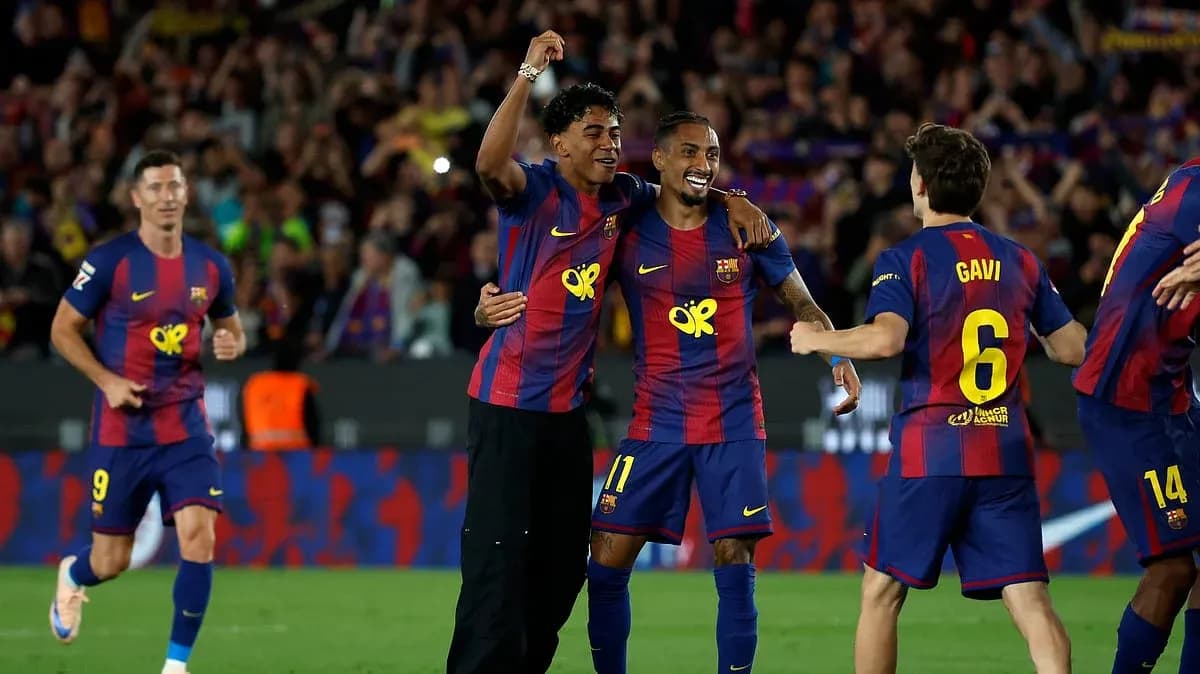
Under the lights of Camp Nou, this clásico arrived not as a title decider in name, but as a confirmation of hierarchy. Barcelona, top of La Liga on 91 points and riding a five‑match winning streak in the league, hosted a Real Madrid side clinging to second with 77 points and a more erratic “LWDWD” form line. Heading into this game, the numbers painted a stark contrast: Barcelona’s total goal difference of 60 built on 91 goals for and 31 against, Real Madrid’s total goal difference of 37 coming from 70 scored and 33 conceded. On the night, the table told the truth. Barcelona’s 2‑0 win, sealed by half-time and managed through full time, was the performance of a champion.
I. The Big Picture: Structures and Seasonal DNA
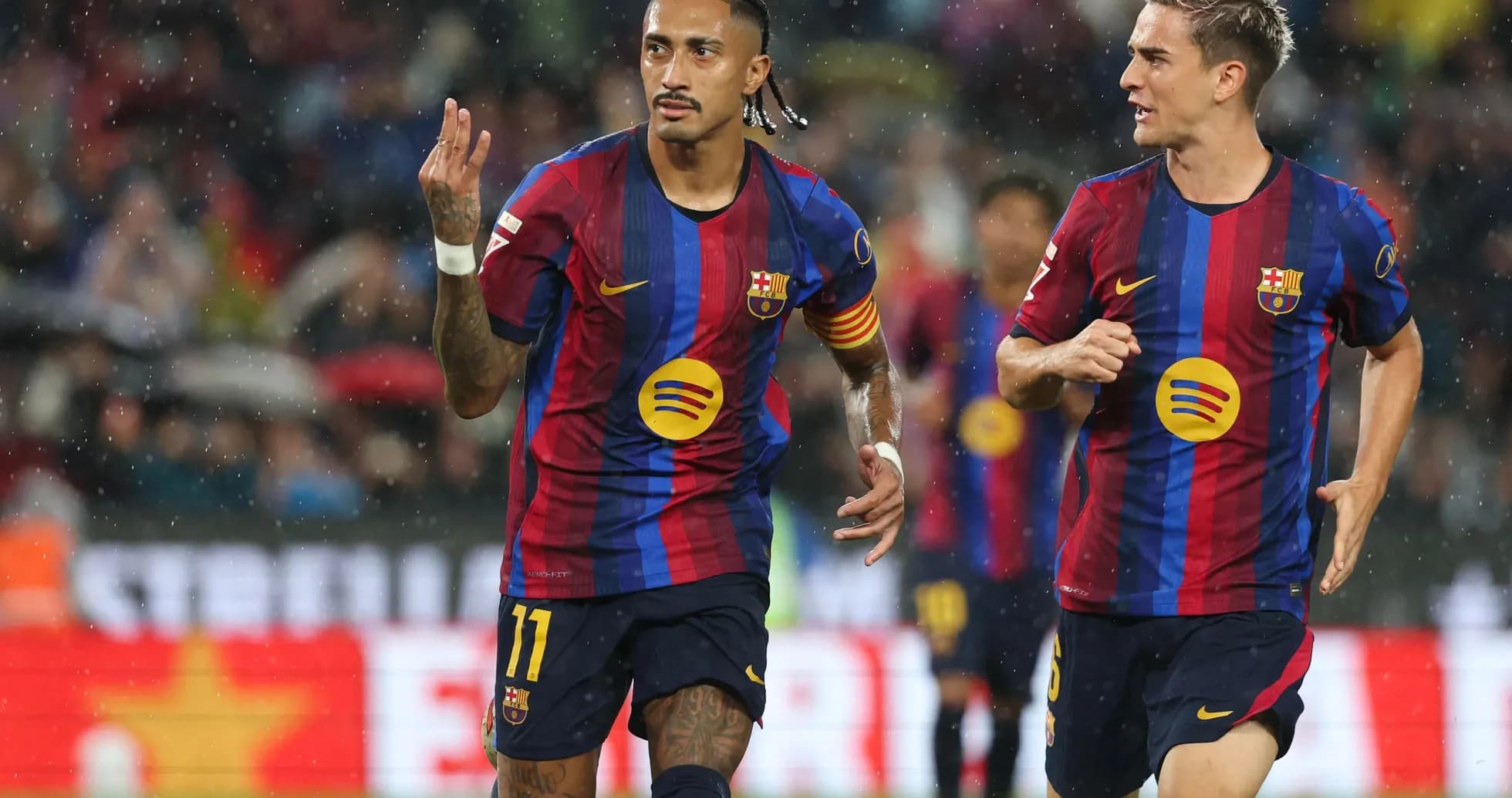
Both coaches opened in a mirrored 4‑2‑3‑1, but the symmetry ended on the whiteboard. Hansi Flick leaned into the structure that has underpinned Barcelona’s season: a high‑tempo, front‑five in possession with aggressive full-backs. J. Garcia in goal sat behind a back four of J. Cancelo, P. Cubarsi, E. Garcia and G. Martin. Ahead of them, Gavi and Pedri formed a double pivot that, in practice, was more of a staggered triangle with Fermín, Dani Olmo and M. Rashford rotating behind lone forward Ferran Torres.
The shape fit the numbers. Heading into this game, Barcelona had used a 4‑2‑3‑1 in 25 league matches, scoring an average of 3.0 goals at home and conceding just 0.5. They had won all 18 home fixtures, failing to score at Camp Nou exactly zero times. This was a machine built for dominance on their own turf, and the opening 45 minutes — ending 2‑0 — were a live-action replay of the season’s script.
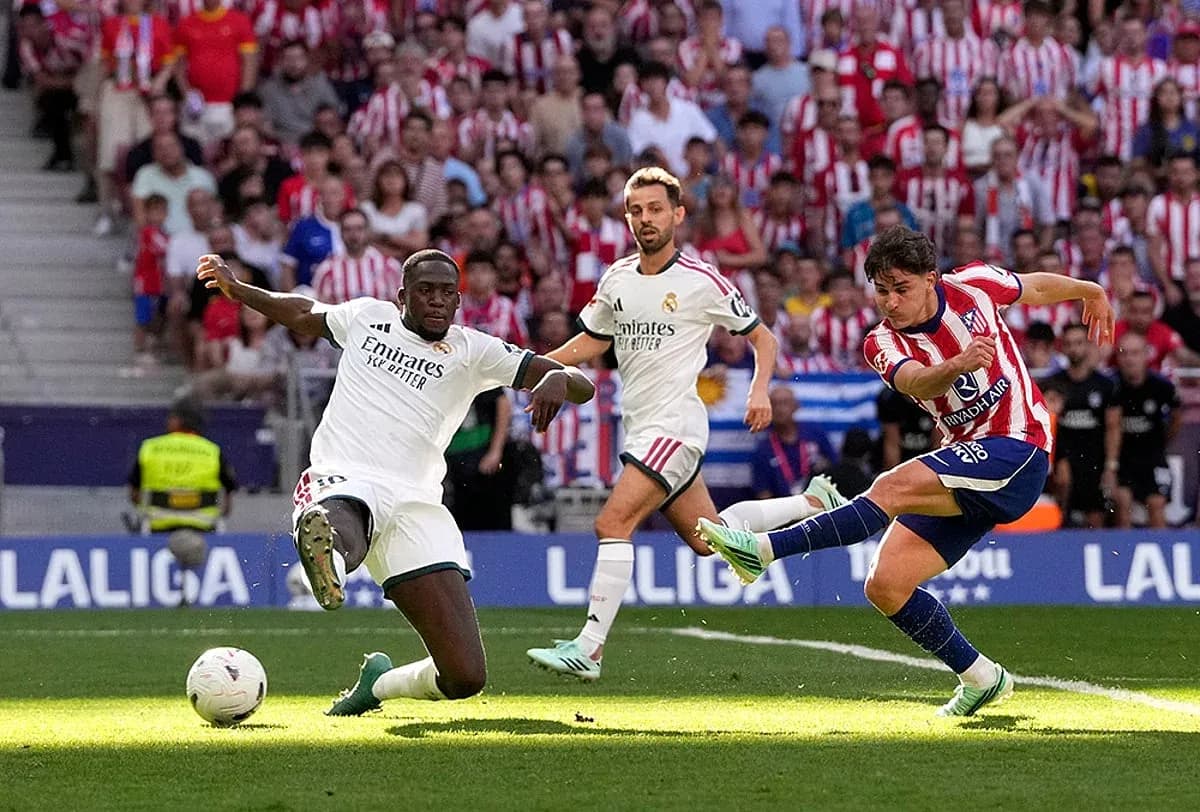
Alvaro Arbeloa’s Real Madrid matched the 4‑2‑3‑1 on paper. T. Courtois was shielded by a back four of T. Alexander‑Arnold, R. Asencio, A. Rudiger and F. Garcia. E. Camavinga and A. Tchouameni anchored midfield, with an attacking band of B. Diaz, J. Bellingham and Vinicius Junior behind striker G. Garcia. Yet this was a side accustomed to tactical variation more than pure control: over the campaign they had alternated between 4‑4‑2 (16 times), 4‑2‑3‑1 (9 times), and several other shapes, scoring 2.3 goals at home but only 1.7 on their travels.
On their travels, Real Madrid had been strong but not invincible: 10 wins, 4 draws, 4 defeats, with 31 goals for and 19 against. Against Barcelona’s perfect home record and 54 home goals, they were always walking into a storm.
II. Tactical Voids: Absences and Edge
The absentees framed the contest before a ball was kicked. For Barcelona, A. Christensen and Lamine Yamal were both ruled out with a knee injury and thigh injury respectively. Losing Christensen removed a high‑level organiser from the back line, but P. Cubarsi and E. Garcia stepped in as a ball‑playing duo capable of sustaining Flick’s high line.
Yamal’s absence was more profound. With 16 league goals and 11 assists, and a profile built on 244 dribble attempts with 135 successful, he is Barcelona’s most explosive one‑v‑one outlet. Flick’s answer was structural rather than like‑for‑like: Rashford wide, Dani Olmo between the lines, and Fermín as a hybrid runner and connector. The result was a more collective, less wing‑isolated attack, but one that still reflected Barcelona’s season-long attacking volume.
Real Madrid’s voids were gaping. K. Mbappe, Eder Militao, A. Guler, F. Mendy, Rodrygo, F. Valverde and D. Carvajal were all listed as missing. That stripped Arbeloa of his leading scorer, his most vertical midfielder, his most progressive right‑back, a first‑choice centre‑back, and multiple rotation options in attack. Mbappé’s league line — 24 goals, 4 assists, 100 shots, and 8 penalties scored with 1 missed — had been the defining cutting edge of Madrid’s season. Without him, the “Hunter vs Shield” duel shifted heavily in Barcelona’s favour.
Disciplinarily, both sides carried risk. Barcelona’s yellow cards peak between 46‑60 minutes at 27.59% and again late between 76‑90 at 20.69%, while Real Madrid’s bookings are most frequent from 61‑75 at 22.06%. In a clásico context, those windows always threaten to tilt control, but Barcelona’s early 2‑0 cushion allowed them to manage the emotional temperature rather than chase it.
III. Key Matchups: Hunter vs Shield, Engine Room
With Mbappé absent, the “Hunter” mantle for Real Madrid fell to Vinicius Junior and J. Bellingham. Vinicius arrived with 15 league goals and 5 assists, backed by 72 shots (45 on target) and 189 dribble attempts with 86 successes. Yet he was running into a defensive unit that, at home, had conceded just 9 goals in 18 matches and kept 10 clean sheets. Barcelona’s total defensive record — 31 conceded overall — was underpinned by compact spacing from Gavi and Pedri in front of the centre-backs and intelligent full‑back timing from Cancelo and G. Martin.
On the other side, Ferran Torres embodied Barcelona’s “Hunter” role. With 16 league goals from 56 shots (36 on target), he is a penalty‑box finisher thriving on service. Behind him, the “Engine Room” was elite. Pedri, with 8 assists, 59 key passes and a 91% pass accuracy, set the rhythm. Dani Olmo added 8 assists and 45 key passes of his own, while Fermín contributed 9 assists and 34 key passes, plus 47 tackles. Gavi’s presence as a ball‑winner and tempo disruptor gave Barcelona the platform to compress Real Madrid’s build‑up.
For Madrid, the engine room of E. Camavinga and A. Tchouameni was asked to do too much: protect a patched‑up back line, launch transitions for Vinicius and B. Diaz, and connect to Bellingham. Without Valverde’s two‑way running (5 goals, 8 assists, 41 tackles and 23 interceptions) and Guler’s 9 assists and 90% pass accuracy, Madrid’s midfield lost both verticality and subtlety. The result was a side forced into longer, riskier passes that Barcelona’s structure was ready to intercept.
IV. Statistical Prognosis and Tactical Verdict
Even without explicit xG numbers, the season data makes the pattern clear. Heading into this game, Barcelona were averaging 2.6 goals in total per match and conceding 0.9, with a perfect home record and no penalties missed (7 scored from 7). Real Madrid’s total averages of 2.0 goals for and 0.9 against were excellent, but on their travels they scored 1.7 and conceded 1.1 — the profile of a strong contender, not an unstoppable force.
The 2‑0 scoreline, locked in by half-time, fits a logical xG narrative: Barcelona’s multi‑source chance creation through Pedri, Dani Olmo, Fermín and Rashford overwhelming a weakened Madrid defence, while Real Madrid’s attack, deprived of Mbappé and Valverde, relied almost exclusively on Vinicius’s individualism and Bellingham’s timing from deep.
Following this result, the tactical story is simple. Barcelona’s squad depth, structural clarity and home ferocity have translated their statistical dominance into a statement win. Real Madrid, even with elite individual profiles like Vinicius and Bellingham, were exposed as overly dependent on missing stars and tactical flexibility rather than a settled, repeatable plan.
In a clásico defined by absences, it was Barcelona’s system, not just their stars, that decided the night.