Cremonese vs Pisa: Tactical Battle in Serie A
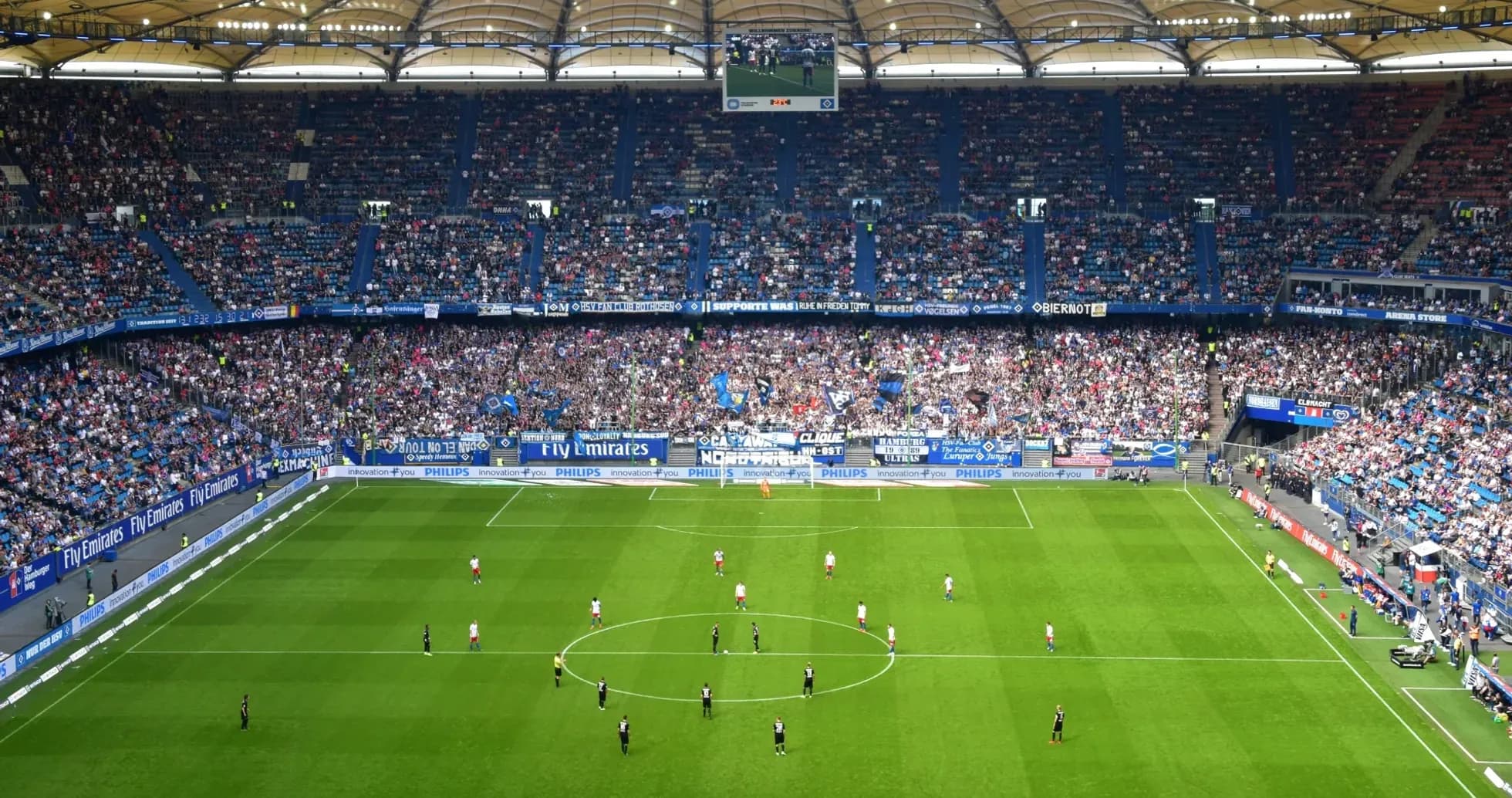
Stadio Giovanni Zini felt like a last stand. Regular Season - 36 in Serie A, two sides marooned in the relegation places, and a fixture that would not save them, but might at least restore a little pride. Cremonese, 18th with 31 points and a goal difference of -23 (30 scored, 53 conceded overall), hosted bottom‑placed Pisa, stranded on 18 points with a goal difference of -41 (25 scored, 66 conceded overall). Following this result, the table still screams Serie B for both, but the 3-0 home win offered a stark tactical contrast between a side that has learned to suffer and one that has simply collapsed.
Marco Giampaolo rolled out a pragmatic 4-4-2, a deviation from Cremonese’s season-long reliance on back‑three systems (their most used shape has been 3-5-2, played 24 times overall). In goal, E. Audero anchored a back four of F. Terracciano, M. Bianchetti, S. Luperto and G. Pezzella. Across midfield, T. Barbieri and J. Vandeputte patrolled the flanks with A. Grassi and Y. Maleh inside, while F. Bonazzoli and J. Vardy formed an old‑school front two.
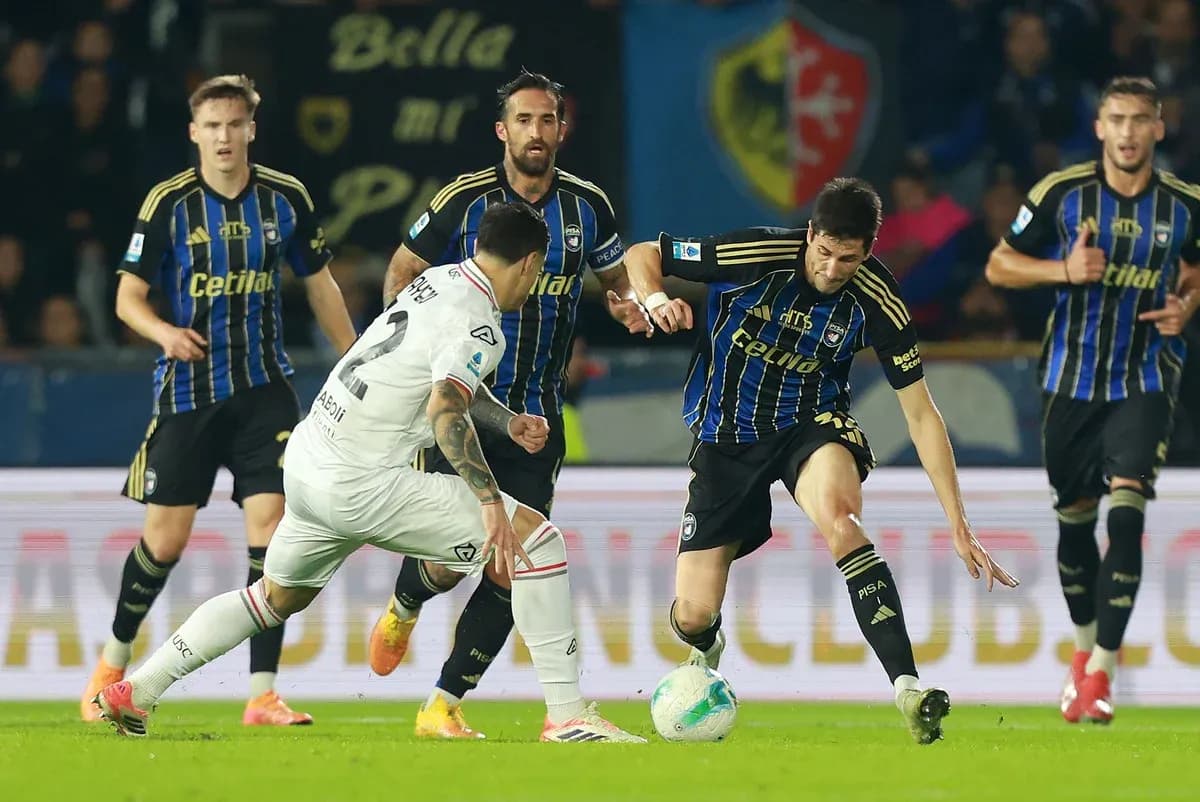
Oscar Hiljemark stuck closer to Pisa’s identity, opting for a 3-4-2-1 that mirrors one of their frequent season structures (they have lined up in 3-4-2-1 on 12 occasions overall). A. Semper started behind a back three of S. Canestrelli, A. Caracciolo and R. Bozhinov. The wing‑to‑wing quartet of I. Toure, E. Akinsanmiro, F. Loyola and M. Leris supported a front line of S. Moreo, I. Vural and F. Stojilkovic.
The seasonal DNA of both teams shaped this match. Heading into this game, Cremonese had been a low‑scoring but stubborn outfit: just 0.8 goals for per game in total, with 0.9 at home, and 1.5 goals against per game overall. They had, however, collected 10 clean sheets in total, including 6 at home, and had failed to score 17 times overall. Pisa’s profile was more chaotic: only 0.7 goals for per game in total, but a worrying 1.8 goals against per game overall, rising to 2.4 on their travels. On their travels they had not won a single league match (0 wins, 8 draws, 10 losses away), conceding 43 and scoring 16.
Within that context, Giampaolo’s choice of a more aggressive 4-4-2 at home looked like a deliberate attempt to lean into Pisa’s away fragility. Cremonese’s biggest home win of the season before this had been 3-0; they matched that ceiling here, suggesting a performance that hit their attacking maximum while keeping defensive structure intact.
The tactical voids were not negligible. Cremonese were without F. Baschirotto (thigh injury), R. Floriani and F. Moumbagna (both muscle injuries), plus M. Payero (knock). Pisa travelled missing F. Coppola (muscle injury), D. Denoon (ankle injury), C. Stengs (inactive) and M. Tramoni (muscle injury). For Giampaolo, the absences in defence and attack could have forced conservatism; instead, he trusted the available spine: Bianchetti–Luperto at centre‑back, Grassi–Maleh in the engine room, and the ruthless presence of Bonazzoli up front.
Disciplinary history also coloured the risk map. Cremonese’s season card data shows a heavy late‑game tilt: 27.27% of their yellow cards arrive between 76-90 minutes, and their red-card profile is skewed towards added time, with 66.67% of reds between 91-105 minutes. Pisa mirror that late volatility: 25.33% of their yellows fall between 76-90 minutes, and they have seen red spread across the first hour and early added time. This fixture, though, never truly reached that boiling point; Cremonese’s control of the scoreline dampened the need for the kind of desperate challenges that have so often undone them.
The “Hunter vs Shield” duel revolved around F. Bonazzoli against Pisa’s porous back line. Bonazzoli came into the match as one of Serie A’s notable forwards this season: 9 goals and 1 assist overall, with 54 shots (30 on target) and a robust 803 passes at 84% accuracy. He is not just a finisher but a reference point, drawing 75 fouls across the campaign and living in the rough edges of the box. Facing him was a Pisa defence that, in total, has conceded 66 goals, including those 43 on their travels, with their heaviest away defeat a 5-0 collapse.
At the heart of that defence, A. Caracciolo is both warrior and warning sign. Across the season he has made 71 tackles, 24 successful blocks and 45 interceptions, winning 139 of 260 duels. Yet his 9 yellow cards underline how often he has been forced into last‑ditch interventions. Against a front two that stretched the back three horizontally and vertically, Pisa’s veteran centre‑back was constantly asked to step out and plug gaps, exactly the scenario in which his aggression can turn from asset to liability.
In the “Engine Room” battle, J. Vandeputte and A. Grassi met Pisa’s central steel of I. Toure and E. Akinsanmiro. Vandeputte’s season numbers tell the story of Cremonese’s creative axis: 5 assists, 53 key passes and 887 total passes at 77% accuracy. He is a volume chance‑creator, comfortable receiving wide and drifting inside. Pisa’s midfield, by contrast, is more destructive than inventive. Toure, who has already been sent off once this season, embodies their combative edge: 42 tackles, 8 blocks, 24 interceptions and a huge 402 duels, winning 219. In theory, this clash should have been finely balanced; in practice, Cremonese’s structure gave Vandeputte clear zones between Pisa’s lines, especially when the wing‑backs were pinned deep by Barbieri and Pezzella.
The absence of penalty misses on either side this season removed one variable from the xG landscape. Cremonese have taken 3 penalties in total, scoring all 3. Pisa have taken 6 in total, scoring all 6. No psychological scar tissue from the spot, no distortion of finishing narratives. This 3-0, therefore, reads as a true reflection of open‑play and structured‑play superiority rather than set‑piece fortune.
From a statistical prognosis standpoint, the result aligns with the underlying trends. Cremonese, despite their low overall scoring average, have shown they can spike at home: their biggest home win before this was already 3-0, and they have managed 6 home clean sheets in total. Pisa, meanwhile, arrived with a defence that concedes 2.4 goals per game on their travels and an attack that fails to score in 9 away matches overall. A comfortable home win with a clean sheet fits that profile almost perfectly.
Narratively, this match felt like a late vindication of Giampaolo’s tactical flexibility. By stepping away from his default back‑three and embracing a more assertive 4-4-2, he amplified the strengths of his key pieces: Bonazzoli as the penalty‑box hunter, Vardy as the vertical runner, Vandeputte as the crossing and chance‑creation hub, and a back four shielded by the positional discipline of Grassi and Maleh. Pisa’s 3-4-2-1, by contrast, looked like a system built for a different moment in their season—one that demanded control and composure they no longer possess.
Following this result, the table will still consign both clubs to the same relegation narrative. Yet on the pitch, Cremonese offered a blueprint for how to go down fighting: compact, clear in roles, and ruthless enough to turn their rare attacking peaks into a 3-0 that felt, tactically and statistically, entirely deserved.