Kansas City W Dominates Portland Thorns W in 3–1 Victory
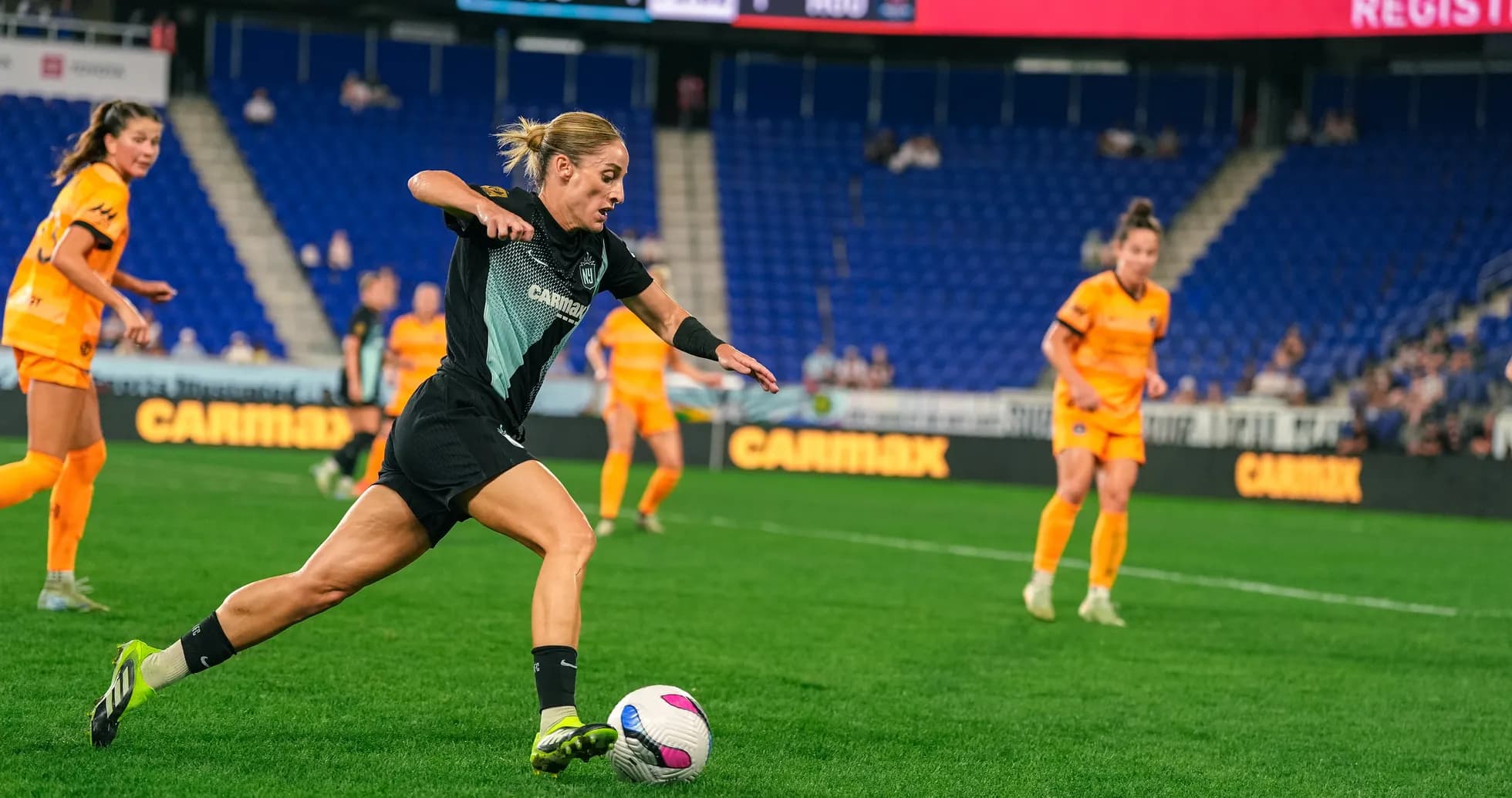
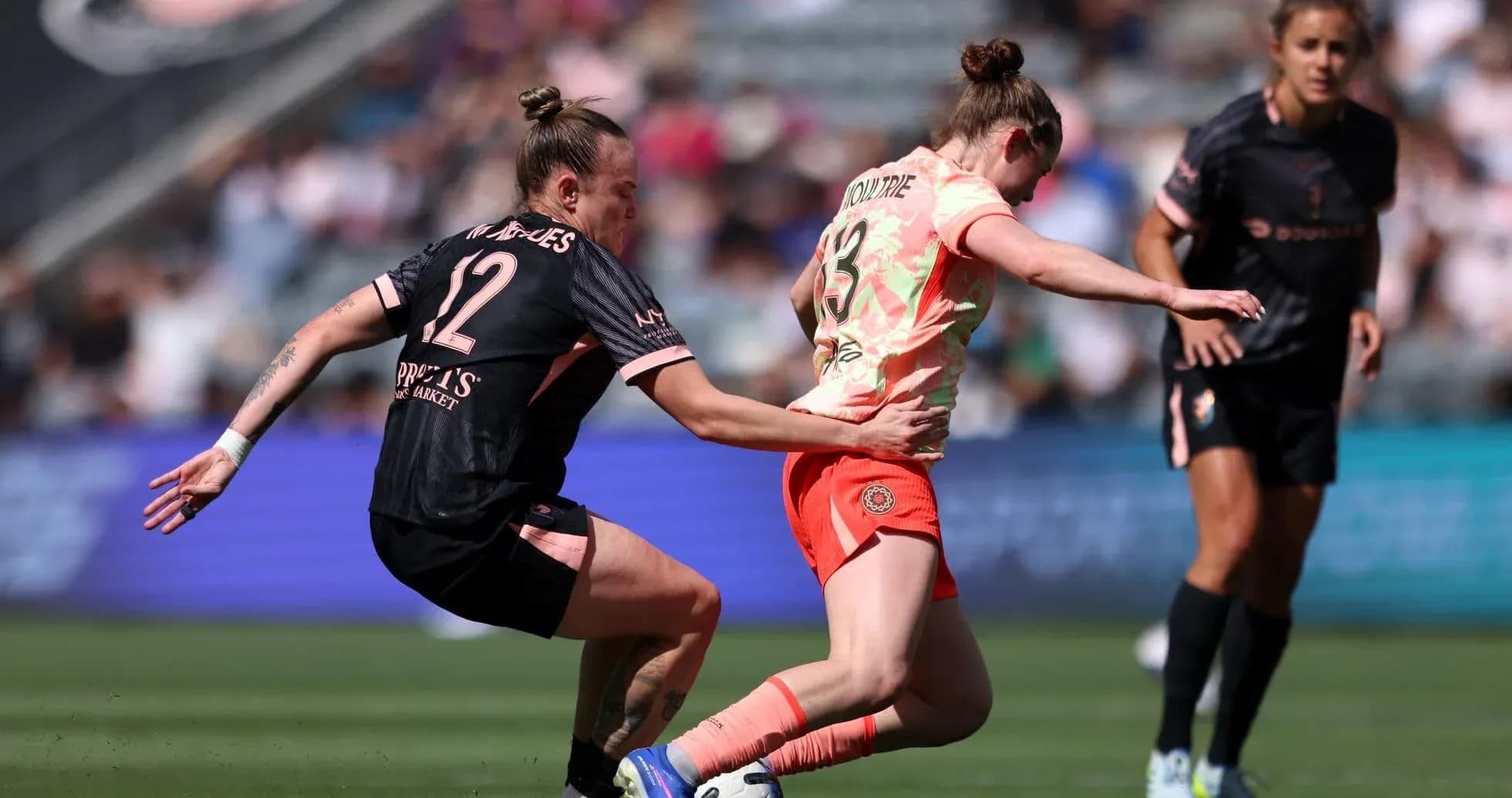
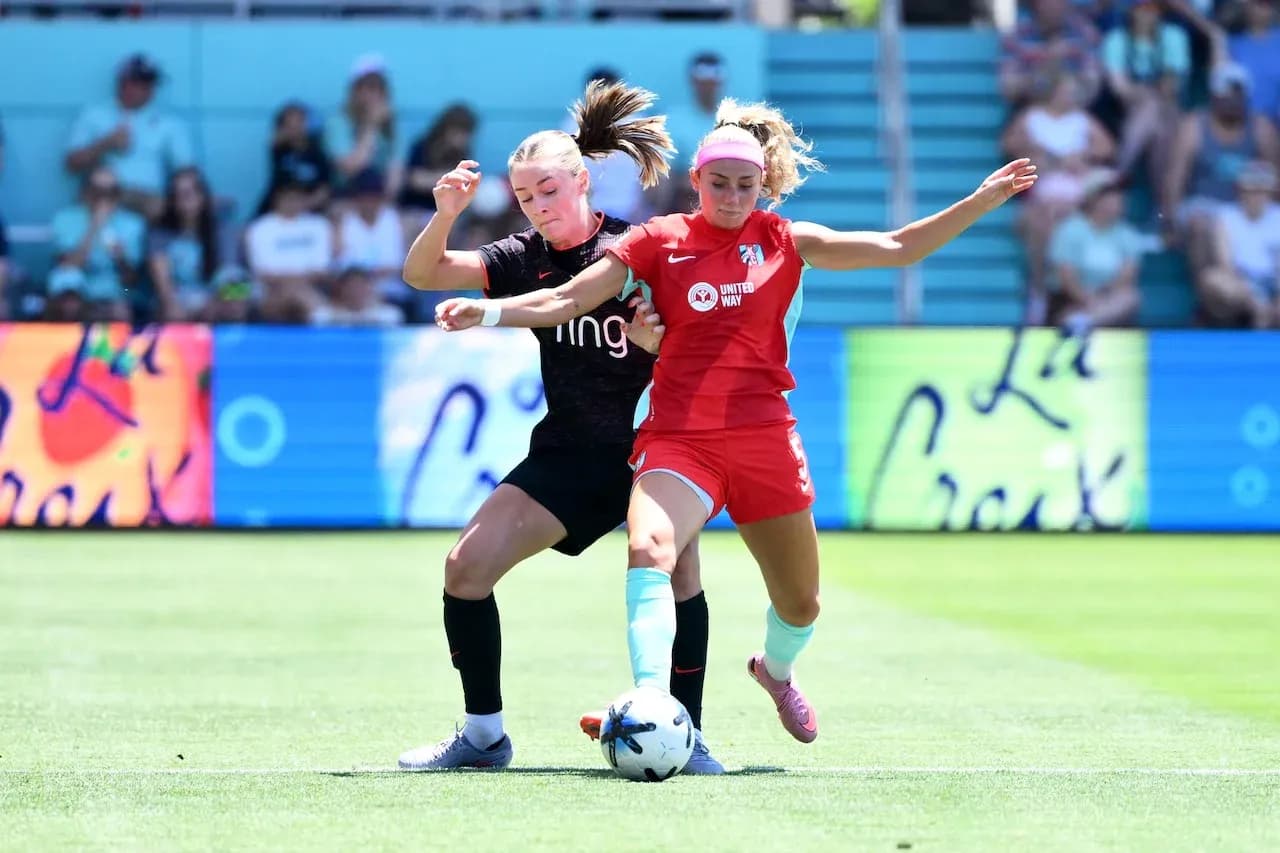
Under the late afternoon light at CPKC Stadium, Kansas City W turned what looked like a heavyweight group-stage clash into a statement win, beating Portland Thorns W 3–1 and bending the NWSL Women narrative back toward the Midwest. Following this result, the league table sharpens into focus: Kansas City sit 6th on 18 points with a goal difference of 0, while Portland remain 2nd on 23 points and a goal difference of 6. One is perfect at home; the other had been almost untouchable overall. This match was where those identities collided.
I. The Big Picture – Fortress vs Contender
Across the season, Kansas City’s split personality has been stark. Overall they have 17 goals for and 17 against in 11 matches, but that balance hides a fortress mentality at CPKC Stadium. At home they have won all 5 games, scoring 13 and conceding only 3. That is an attacking average of 2.6 goals at home against just 0.6 conceded. On their travels they have been fragile, with 4 goals scored and 14 conceded in 6 away games, but that volatility never touched this fixture.
Portland arrived as a more rounded juggernaut. Overall they have 18 goals for and 12 against in 12 games, a steady profile built on defensive perfection at home and resilience away. At home they have not conceded a single goal in 5 matches (8 scored, 0 against), while away they have 10 scored and 12 conceded across 7 games, averaging 1.4 goals for and 1.7 against on their travels. That away fragility was ruthlessly exposed in Kansas City.
Both sides lined up in a 4-2-3-1, mirroring shapes but not intentions. Chris Armas trusted the familiar structure that has carried Kansas City through most of the campaign, with 4-2-3-1 used in 8 league games. Robert Vilahamn did the same; Portland have leaned on this system in 9 matches. On paper, it was symmetry. On the pitch, it became a duel of tempo and territory.
II. Tactical Voids and Discipline
There were no listed absences, so this was close to full-strength on both sides. That meant the core identities were intact: Kansas City’s aggressive, front-foot midfield and Portland’s layered, possession-capable spine.
Disciplinary trends hinted at how the contest might fracture. Heading into this game, Kansas City’s yellow cards skewed toward the first half, with 37.50% of their cautions coming between 31–45 minutes and another 25.00% in the opening 15. Portland, by contrast, showed a late-game spike, with 27.27% of their yellows between 76–90 minutes and 18.18% in both 0–15 and 31–45. Add in the Thorns’ red-card profile – one dismissal in 0–15 minutes and another in 46–60 – and you see a team that can tilt into chaos when pressed at the bookends of each half.
Kansas City’s 3–1 win, after a 1–1 half-time scoreline, fits that pattern: the hosts stayed aggressive without losing control, while Portland’s structure frayed under sustained pressure and scoreboard stress.
III. Key Matchups
Hunter vs Shield: T. Chawinga vs Portland’s Defence
The clearest attacking talisman on the pitch was T. Chawinga. Heading into this fixture, she had 6 goals and 2 assists in just 7 appearances, from 10 shots and 6 on target, with a rating of 7.44. She is listed as a midfielder, but in Armas’ 4-2-3-1 she operates like a vertical spear from the second line, combining dribbles (13 attempted, 7 successful) with incisive runs beyond the striker.
Her target was a Portland back line that, overall, had conceded only 12 goals in 12 games, but whose away profile (12 conceded in 7) told a different story. The Thorns’ defensive identity is split: flawless at home, vulnerable on their travels. The 3–1 scoreline in Kansas City mirrors their heaviest away defeat of the season (3–1 is already their biggest away loss in the “biggest loses” block), underlining how a dynamic, multi-line threat like Chawinga can stretch them.
Engine Room: Bethune & Cooper vs Bogere & Fleming
The match’s true battleground lay in midfield. Kansas City’s double-creative axis of Croix Bethune and Michelle Cooper has been one of the league’s most productive engines. Bethune arrived here with 2 goals, 3 assists, 12 key passes and 41 dribble attempts (21 successful), while Cooper had 2 goals, 3 assists and 10 key passes of her own. Together they fuse ball-carrying with final-third vision, feeding both Chawinga and A. Sentnor, who has added 2 goals and 2 assists across 11 starts.
Opposite them, Portland’s pivot of C. Bogere and J. Fleming is more about control and disruption. Bogere had 33 tackles, 2 blocks and 11 interceptions heading in, but also a combustible disciplinary record: 17 fouls committed, 1 yellow and 1 yellow-red. Fleming offers passing security, but the Thorns’ midfield is built first to shield, then to spring their advanced creators.
The presence of Reilyn Turner and P. Tordin in the band ahead adds another layer. Turner had 4 goals and a bruising duel record (96 duels, 58 won), while Tordin combined 3 goals, 4 assists and 20 key passes with 19 tackles and 1 blocked shot. Yet in Kansas City, that creative platform was often forced backward, with Bethune and Cooper pinning them deeper and turning the Thorns’ 4-2-3-1 into a 4-4-1-1 out of possession.
Flank War: Reyes vs Chawinga & Sentnor
On Portland’s right, R. Reyes is both a weapon and a risk. She came into this game with 307 passes at 78% accuracy, 15 tackles, 6 blocked shots and 11 interceptions, but also 1 red card in the season. Her willingness to step high and engage duels (66 total, 38 won) is crucial to Vilahamn’s pressing structure.
Against Kansas City’s left-sided rotations – Chawinga drifting wide, Sentnor pulling into half-spaces, Bethune overloading – Reyes was always going to be stretched. The fact that Kansas City scored three times against a defence that had conceded only 12 goals overall underlines how that flank battle tilted toward the hosts.
IV. Statistical Prognosis and Tactical Verdict
From an Expected Goals perspective, all the ingredients pointed toward a high-chance game for the hosts. Kansas City’s home attacking average of 2.6 goals, combined with Portland’s away concession rate of 1.7, foreshadowed a scenario where the Thorns’ back line would be asked to survive wave after wave.
Defensively, Portland’s overall record of just 1.0 goals against per game looked elite, but it was artificially buoyed by those 5 immaculate home clean sheets. On their travels they concede more, and they concede in bunches when the structure breaks. Kansas City, by contrast, concede only 0.6 goals at home and have kept 2 clean sheets there, but their willingness to commit numbers forward always promised a more open contest than their goals-against column alone suggests.
Following this result, the tactical lesson is clear. Kansas City’s 4-2-3-1, powered by Chawinga’s ruthlessness and the creative double-pivot of Bethune and Cooper, is calibrated perfectly for home dominance. Portland’s 4-2-3-1, though rich in talent with Turner, Tordin and the absent-from-this-match creative hub O. Moultrie in the wider season context, remains vulnerable when dragged into end-to-end exchanges away from home.
The 3–1 scoreline is not an outlier; it is the statistical and tactical convergence of a perfect home side meeting a great team with a clear away flaw – and being ruthless enough to exploit it.