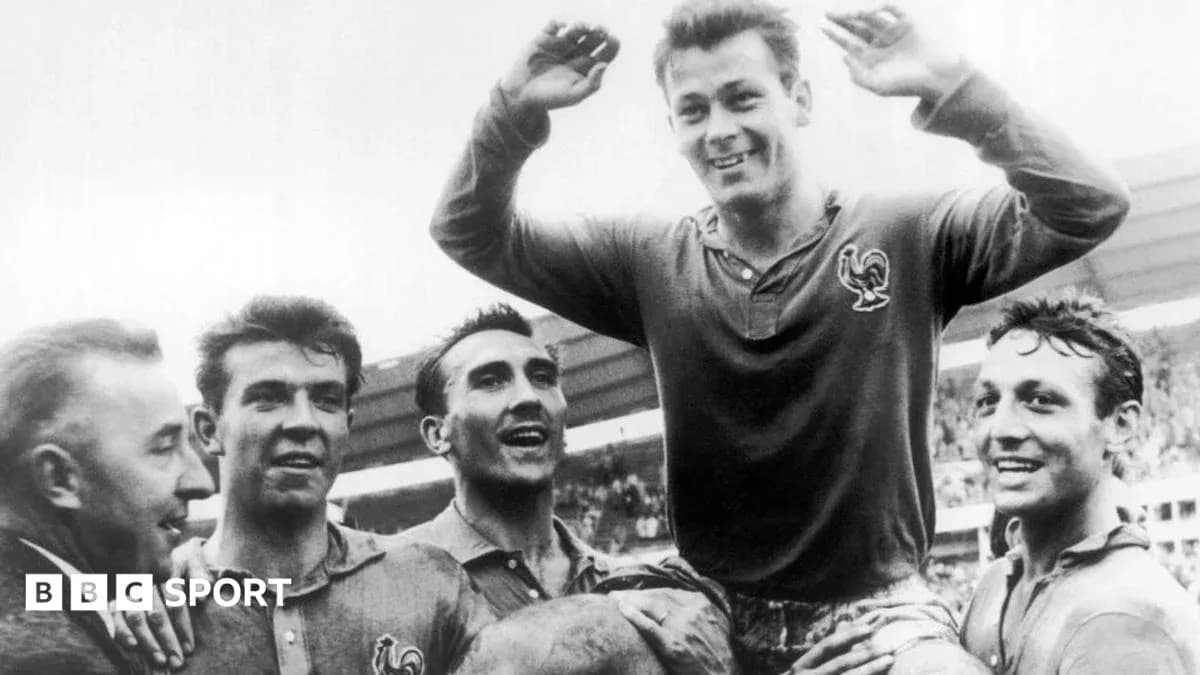
Just Fontaine's Record: 13 Goals in One World Cup
Just Fontaine’s 13 goals at a single World Cup sound like a misprint. Then you remember he did it in six games, in borrowed boots, having not even been picked to start.
No Golden Boot, no glittering trophy. His prize in Sweden in 1958 was an air rifle from a local newspaper for being a “sharp shooter”. It feels faintly absurd now, when the World Cup’s leading scorer is usually showered with branding, ceremony and social media hysteria.
Yet every four years, as the latest generation chases the Golden Boot, Fontaine’s name flickers back into the conversation. Then it fades again, back into the realm of pub quiz answers and football nostalgists.
In 2026, though, his ghost is closer to the pitch than it has been for decades.
A record under siege
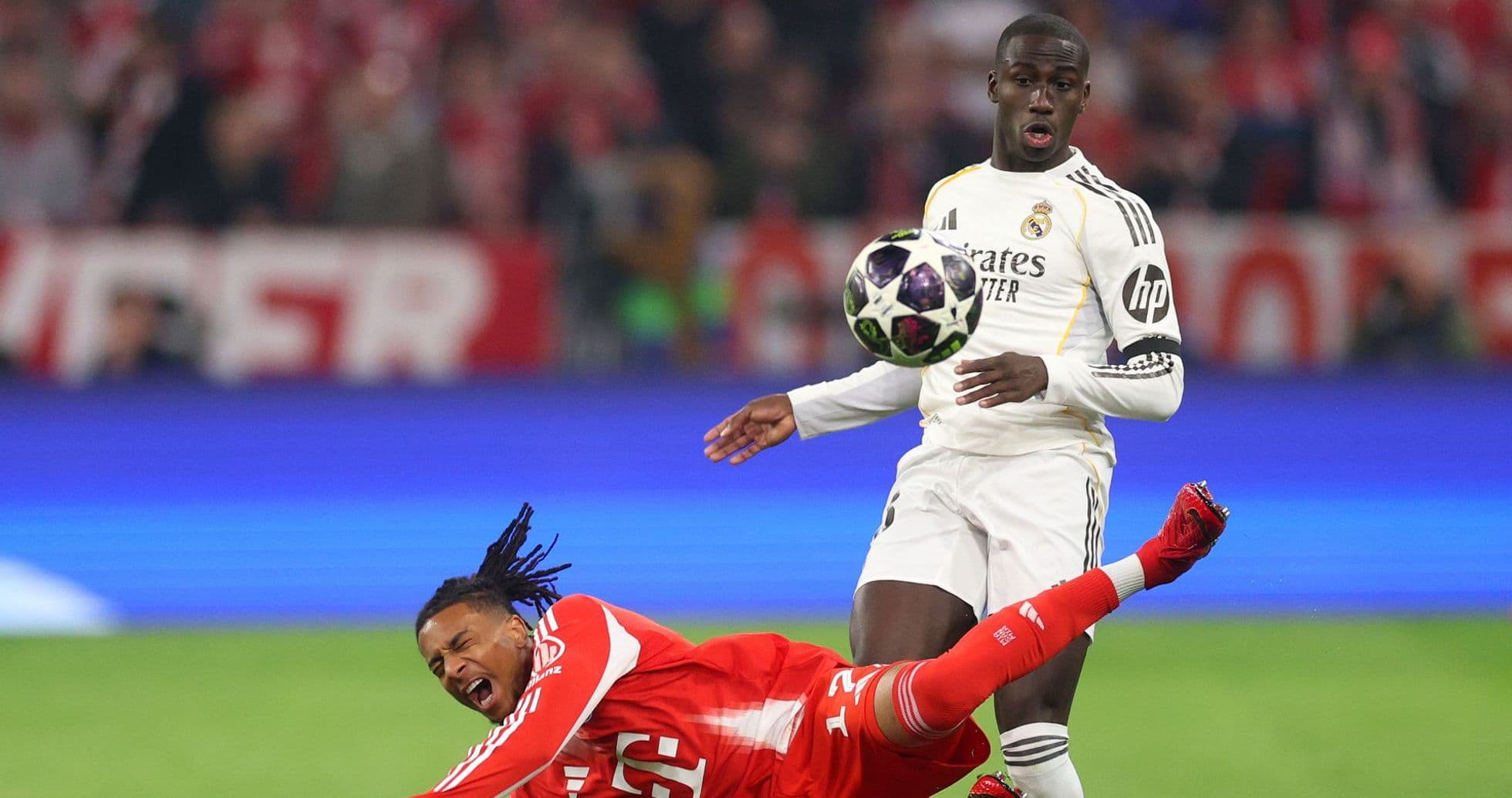
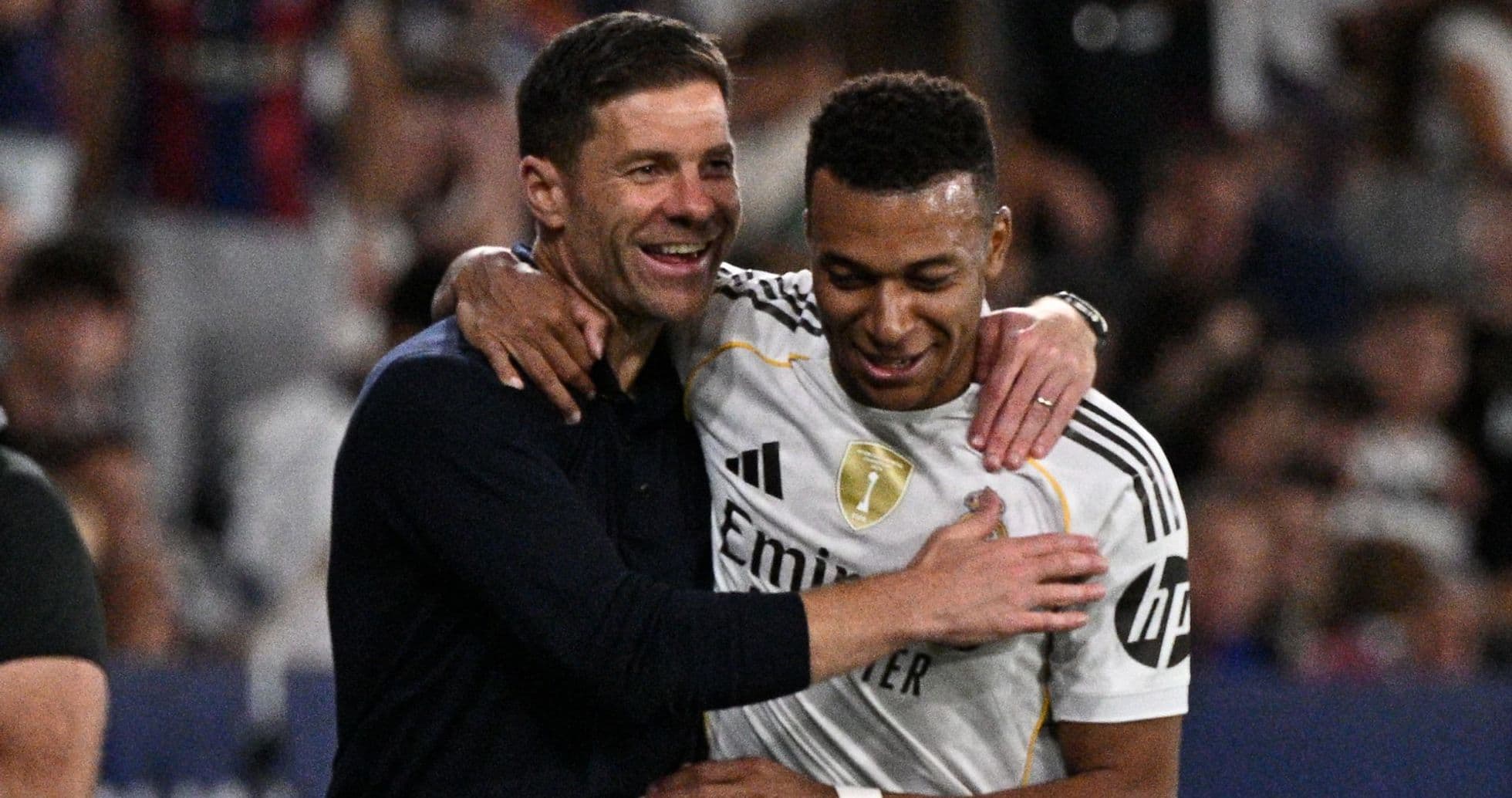
In this expanded 48-team World Cup, some of the finest finishers of the modern era are taking aim at a number football has long treated as untouchable. Lionel Messi, Kylian Mbappe, Erling Haaland and Harry Kane are locked in a scoring arms race. Jude Bellingham is hanging onto their coat-tails.
Since 1970, only three World Cup top scorers have managed more than six goals in a single tournament. Mbappe already has eight. Messi and Haaland are on seven. Kane and Bellingham sit just one behind them.
The new format helps. Extra games, longer runs, more chances. Any side that reaches the semi-finals now plays eight matches. It is a generous platform for elite forwards who barely need an invitation to score.
Even so, they are still chasing a man who did his damage in an era of heavy leather balls, bone-rattling tackles and minimal protection for goalkeepers. A man who, for all the modern noise around the record, remains a stranger to most of the audience watching today.
The forgotten giant
Pele, Messi and the rest live in the permanent glow of football’s collective memory. Fontaine, by contrast, has slipped into trivia. That label does him a disservice.
His story begins far from Paris. The 2026 quarter-final between France and Morocco carried an extra layer of history: it was the Just Fontaine derby.
Fontaine was born in Marrakesh in August 1933, when Morocco was still a French protectorate. By the time Morocco gained independence, two years before the 1958 World Cup, he was already an established professional in the French leagues and a France international. The country of his birth would later become a World Cup force in its own right. In 1958, his path lay with Les Bleus.
And he very nearly missed his moment.
As sports journalist and historian Philip Barker told BBC Sport, Fontaine was not meant to be leading the line in Sweden. “He was not actually first choice – a team-mate [Rene Bliard] got injured in a warm-up game,” Barker explained. The reshuffle came so late that Fontaine had to borrow boots from team-mate Stephane Bruey for the opening match. He simply did not have a pair that fit.
Imagine that now. A World Cup where the future record-holder scrambles for footwear on the eve of kick-off.
Fontaine had undergone meniscus surgery during the season and had been a doubt for the tournament. That setback became an unlikely advantage. While others staggered into Sweden after a long, draining campaign, he arrived fresher, lighter, sharper.
He had only five caps when coach Albert Batteux promoted him to the starting XI, but he was already a feared striker in France. In 1957-58, he led Reims to a league and cup double, one of four Ligue 1 titles he would collect – one with Nice, three with Reims.
Speaking to the BBC in 2002, Fontaine said he never chased the top-scorer crown. “In those days there was not so much pressure on us,” he recalled. “Only two journalists followed the team around.
“Our team bosses were so convinced we would be knocked out that they only gave us three shirts each, so we were totally free from pressure.
“My mind was not on the goals record at all. I even turned down the chance to take a penalty in the third-place game!”
The numbers tell a different story about his instincts in front of goal.
Lighting the fuse
Fontaine shared a room on international duty with Raymond Kopa, the elegant playmaker who would win the 1958 Ballon d’Or, with Fontaine finishing third in the voting. They talked about football, movement, timing. When the tournament began, that understanding exploded on the pitch.
France opened their World Cup against Paraguay. Fontaine scored a hat-trick in a 7-3 win and lit the blue touch-paper of a campaign that would redraw the record books.
He scored in every match: group stage, quarter-final, semi-final, third-place play-off. Even Brazil, powered by a 17-year-old Pele and on their way to becoming one of the greatest sides ever assembled, could not keep him quiet. France lost the semi-final 5-2, but Fontaine still found the net.
The third-place match against West Germany became his final showcase. Four more goals in a 6-3 victory, the last a piece of individual brilliance. Picking up the ball around halfway, he drove into space, outran defenders and finished low into the far corner. For modern eyes, the run and finish echo Michael Owen’s famous goal for England against Argentina in 1998.
Barker sees a player who would not look out of place today. “Fontaine looks like a modern striker, he has so much pace,” he said. L’Equipe called him “a leader of the attack in the English style” – courageous, combative, stubborn.
The footage backs that up. Against Paraguay, he times late runs into the box, breaks the offside line and slides finishes into the corners. These are not scruffy tap-ins. They are the goals of a centre-forward reading the game half a second quicker than everyone else.
Hat-trick in the first game, then a goal in every one that followed. Confidence like that can carry a team.
France’s first great side
The 1958 World Cup was a festival of goals. The 16-team tournament produced 126 in total, second only to 1954. France were the most prolific of the lot, with 23.
With Fontaine and Kopa at the heart of the attack, Barker believes that team belongs in the same conversation as the 1998 and 2018 world champions. “The 1958 tournament was the last real goal-fest tournament. You had the emerging Brazil team with Pele, but also the French team were all-time greats,” he said.
“We talk about the 1998 and 2018 teams, but this was the first great French team. The front five scored 22 goals, that shows how powerful they were.
“Yes, the defences are a bit slow, but the way France move the ball, they would score against any team. Fontaine was also setting up goals for Kopa, they are such a slick team.
“France were only stopped by 1958 Brazil, one of the greatest teams of all time. We are not talking school five-a-side, these are real standards.”
Fontaine carried that form back into club football. In 1958-59, he fired Reims to the European Cup final, finishing as the competition’s top scorer with 10 goals. Real Madrid, with Kopa in their ranks, beat them to the trophy.
The World Cup, though, remained his defining stage. And it was a stage he would never see again. Injury cut short his international career. France went to 1962 and 1966 without the man who had once terrorised every defence he faced. It is hard not to wonder what might have been.
Beyond the goals
Fontaine’s influence did not end when he hung up his boots. In 1961 he helped form the French players’ union, the UNFP, and became its first president, fighting for the rights and conditions of those who followed him.
He moved into management, taking charge of France for two games in 1967. Later came spells with PSG and Toulouse, and eventually a return to his birthplace as coach of Morocco for two years.
He ran sports shops. He stayed around the game. And every so often, someone would ask about the World Cup record. Barker recalls that Fontaine relished those moments. The number 13 still meant something.
He used to joke that if he came back in 200 years, his record would still be standing. L’Equipe called it “unbeatable”.
Fontaine died on 1 March 2023, aged 89. He had lived long enough to see France lift the World Cup twice and to watch Mbappe emerge as the new spearhead of the French attack, the man most likely to threaten his place in the record books.
“How appropriate it would be if Mbappe beats him?” Barker mused. But then he paused on the number itself. Thirteen. Not just a tally, but a monument.
As Mbappe, Messi, Haaland, Kane and the rest chase their goals in 2026, they are not only racing each other. They are running against a man in borrowed boots, on heavy pitches, in black-and-white footage that still crackles with life.
If someone finally overhauls Just Fontaine, it will be a triumph of the modern game. If they fall short again, his legend will only grow.
How long can a record from another era keep the best of this one at arm’s length?