Jude Bellingham Reflects on England's Heartbreaking World Cup Semi-Final Loss
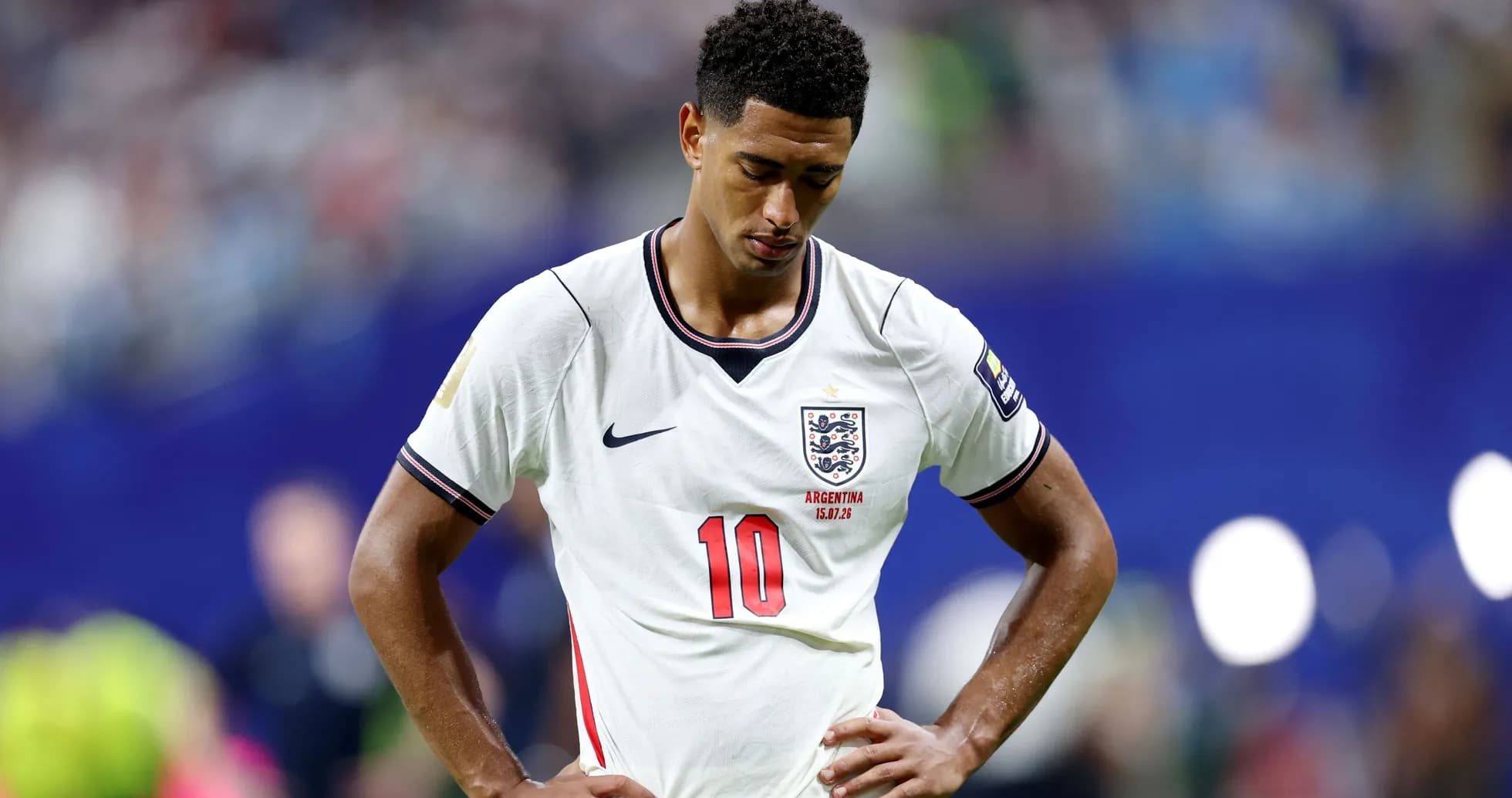
Jude Bellingham stood in front of the cameras with eyes that told the story long before his words did. Argentina had turned England’s World Cup dream to dust in the final minutes of a 2-1 semi-final defeat, and a player who had carried so much of the nation’s hope suddenly looked drained, hollowed out by another brutal night on the biggest stage.
This was supposed to be the tournament that rewrote history. England’s first World Cup final since 1966 was within reach. Instead, it slipped away in the dying embers, and the 23-year-old midfielder, who had lit up the competition with seven goal contributions and a stunning brace against Norway in the quarter-final, was left trying to explain the inexplicable.
“I think we can take a lot of experience from this, but it is so gutting,” he said, voice heavy, searching for calm in the wreckage. “I wanted to be a part of an England squad that finally done it and got it over the line. To be here, telling the fans the same things they've heard for years, it's really gutting.”
There was no mask, no media polish. Just raw honesty from a player who has already lived a career’s worth of emotional swings. A draining club season with Real Madrid. The anguish of losing the Euro 2024 final. Now this – a World Cup semi-final snatched away at the last.
He tried to continue, but the sentences came in fragments, the pain doing most of the talking.
“I wish I could give one more win or two more wins,” he added. “But at the moment, my head is a bit fuzzy with disappointment, so I'm sorry.”
The apology said as much about his standards as it did about the result. Bellingham had been one of the tournament’s outstanding performers. Yet under the stadium lights, with Argentina celebrating and England stunned, all he could feel was that he had fallen short of what the country needed.
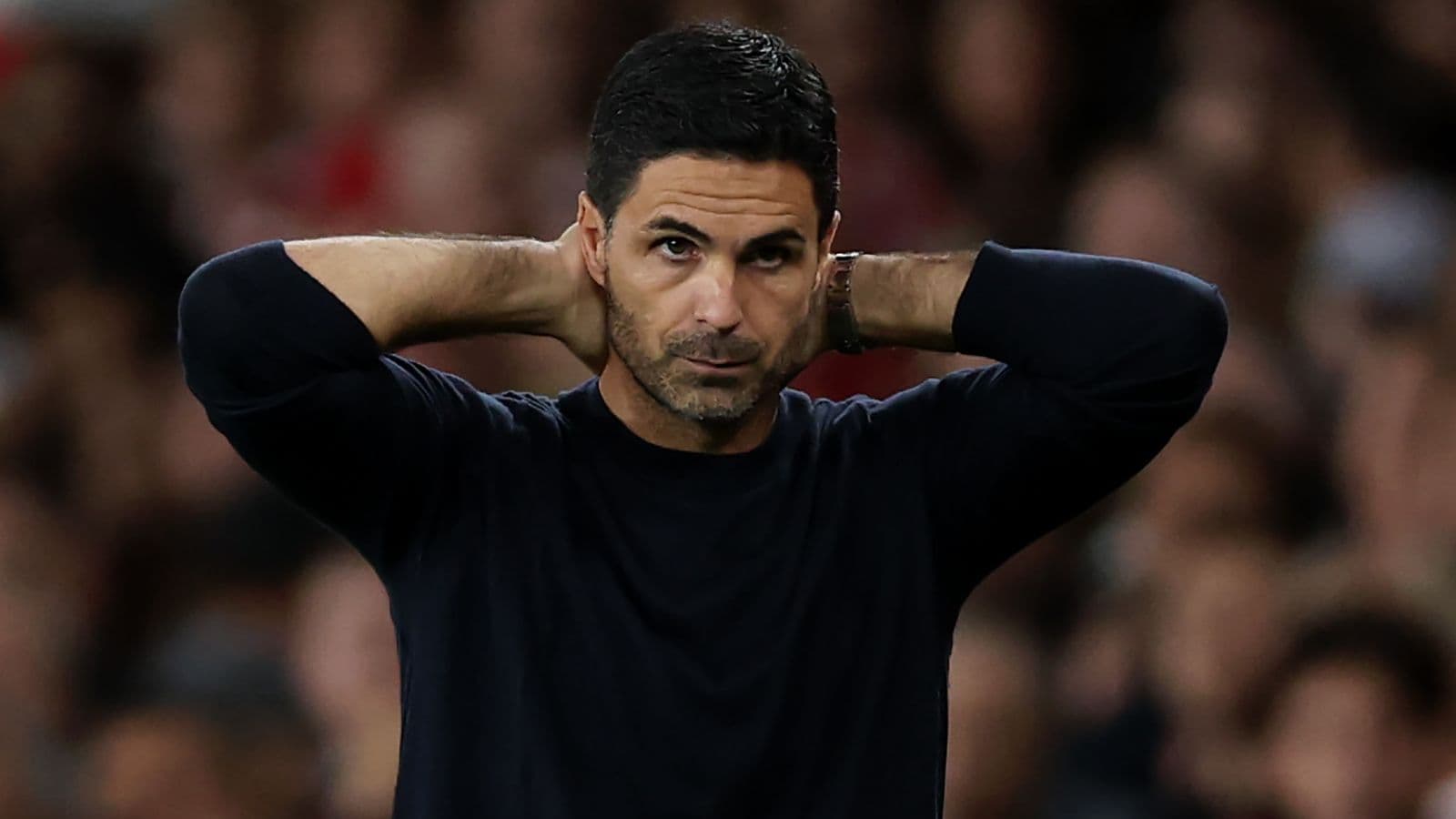
On the touchline, Thomas Tuchel carried his own burden.
England had led through Anthony Gordon, a goal that seemed to tilt the night their way. They had control, territory, belief. Then came the decision that changed everything: a switch to a back five to close the game down.
The intention was clear. The effect was disastrous.
“We decided to go to a back five because the gaps were far too open,” Tuchel explained afterwards. Argentina sensed the shift immediately. “Argentina played with more risk, played with more rhythm and played with the feeling maybe that they had nothing to lose any more, which freed them up and pulled us back.”
England, once front-footed and assertive, retreated into themselves. The ball stopped sticking. The press dropped off. The team that had looked ready to stride into history suddenly played as if every misplaced pass carried a lifetime of consequences.
“Because we obviously played suddenly with a feeling that we had a lot to lose,” Tuchel admitted. “Of course the responsibility is on the coach and if it doesn’t go well it’s easy to say it was wrong.”
He didn’t duck it. He didn’t dress it up. The tactical gamble had failed, and in a World Cup semi-final there is nowhere to hide from that.
The reaction outside the dressing room was predictable: questions over the substitutions, over the change of shape, over whether this England side is still haunted by its own caution when it matters most. Inside, the emotions were more immediate – exhaustion, anger, silence.
Yet Tuchel’s position is not under threat. Far from it. FA chief executive Mark Bullingham has thrown his weight behind the former Chelsea and Bayern Munich manager, backing him to lead England into the home European Championships in 2028. There will be no dramatic resignation, no rushed reset.
“We keep on going with the contract until the home Euros,” Tuchel said, making it clear he has no intention of walking away from this project, however painful the latest chapter.
So England stay together and carry on. But they do so with another scar.
Next comes a third-place play-off against France on Saturday, a game that always feels like a strange halfway house between obligation and opportunity. A bronze medal would be England’s best World Cup finish in 60 years. On paper, that matters. In the hearts of players like Bellingham, it barely registers right now.
The semi-final defeat will linger far longer than any consolation prize. It will shape the narratives around this group, around their manager, around a generation that has come so close, so often, without quite breaking the door down.
The road now runs toward a home Euros in 2028, a tournament that already feels like a reckoning. By then, Bellingham will be entering his peak, Tuchel will have had years to refine and harden this team, and the expectations will be unforgiving.
Nights like this either crush a squad or harden it. England have two years to prove which way they are going.