
England's World Cup Dreams Dashed by Argentina's Late Surge
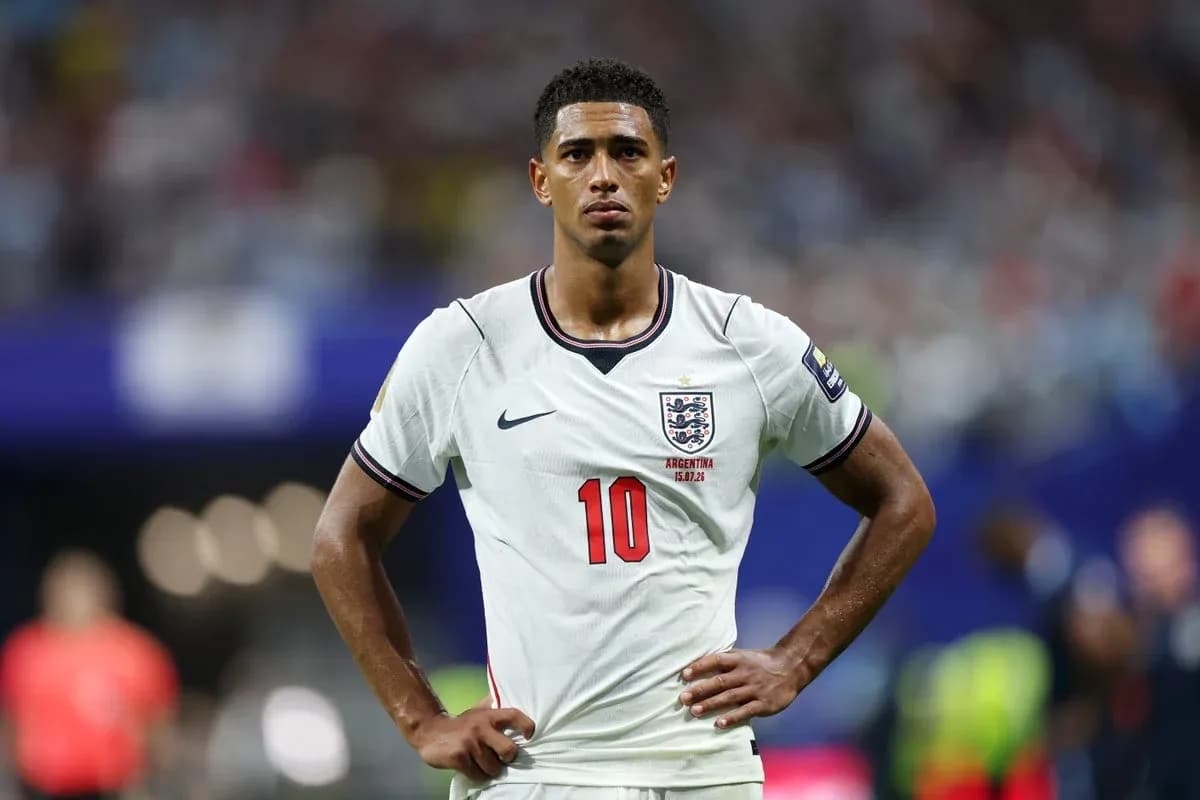
Jude Bellingham found himself at the centre of an ugly post-match flashpoint as England’s World Cup dream was ripped away by a ruthless late Argentina comeback in Atlanta.
What began as a tight, scrappy semi-final ended in chaos, confrontation and political provocation.
England floored by late Argentina surge
For 55 minutes, England had one foot in the final. Anthony Gordon’s low finish early in the second half put them 1-0 up, the culmination of a cagey contest that had produced 19 fouls and not a single shot on target before the break.
Argentina looked blunt. England looked in control.
Then the game turned.
Enzo Fernandez dragged Argentina level late on, igniting a side that had spent much of the night trying to disrupt rather than create. Lautaro Martinez then completed the turnaround with a decisive strike, flipping the semi-final on its head and leaving England stunned.
As the final whistle went, Argentina’s players exploded into celebration. England’s sank into the turf. The temperature, already high on the pitch, spiked.
Bellingham clash with Barco ignites melee
TV cameras caught Bellingham standing alone in the centre of the pitch, watching Argentina’s celebrations unfold. He began moving through the opposition players, offering handshakes in the aftermath of a bitter defeat.
Valentin Barco, an unused substitute, sprinted past in the background, joining his teammates in wild celebration.
Then came the flashpoint.
Footage shows Bellingham moving towards Barco and slapping him on the back of the head. Barco reacted instantly, shoving the England midfielder. Nico Paz stepped in first, trying to pull them apart, but the moment had already sparked something bigger.
Players from both sides rushed in. Pushing, shoving, raised voices. What had been an ill-tempered night threatened to spill completely out of control.
The incident did not come from nowhere. Earlier images show Barco, who is reportedly set to join Chelsea, racing towards the England dugout after Fernandez’s equaliser and appearing to celebrate directly in front of Thomas Tuchel, his staff and the substitutes. That taunt towards the bench may well have lodged in Bellingham’s mind as he walked the pitch at full-time.
Needle all night
The confrontation capped an evening laced with niggle.
Argentina’s players targeted England with a stream of fouls and verbal jabs, constantly trying to draw a reaction. At one point, Leandro Paredes squared up to Bellingham, who appeared to laugh off the aggression, refusing to be baited during the game itself.
The contest never truly flowed. Tackles snapped in, arguments flared, and the referee’s whistle became as familiar as any passing pattern. It felt like a match permanently on the edge, waiting for a spark.
The spark arrived after the final whistle.
Political undertones laid bare
The rivalry between England and Argentina rarely exists in a vacuum. It carries a history, and that history was dragged into the spotlight again in Atlanta.
At full-time, Argentina’s players unfurled a banner reading “Las Malvinas are Argentine”, a direct reference to the Falkland Islands, a British overseas territory and the subject of a brief but brutal war between the two countries in 1982.
That conflict claimed 907 lives and ended with Britain retaining control of the Islands, but the issue has never left Argentina’s political or sporting consciousness. The Falklands are a recurring theme in Argentinian football chants; here, they were brought onto the World Cup stage in stark, visual form.
Security around the stadium had already been tightened due to the sensitivity of the fixture and the wider political tension surrounding it. The scenes at the end – the banner, the melee, the goading celebrations – underlined why.
England leave Atlanta nursing a fresh sporting wound and an old rivalry that feels as raw as ever. Argentina march on, fuelled by late drama, on a night that will be remembered as much for its bitterness as its football.



