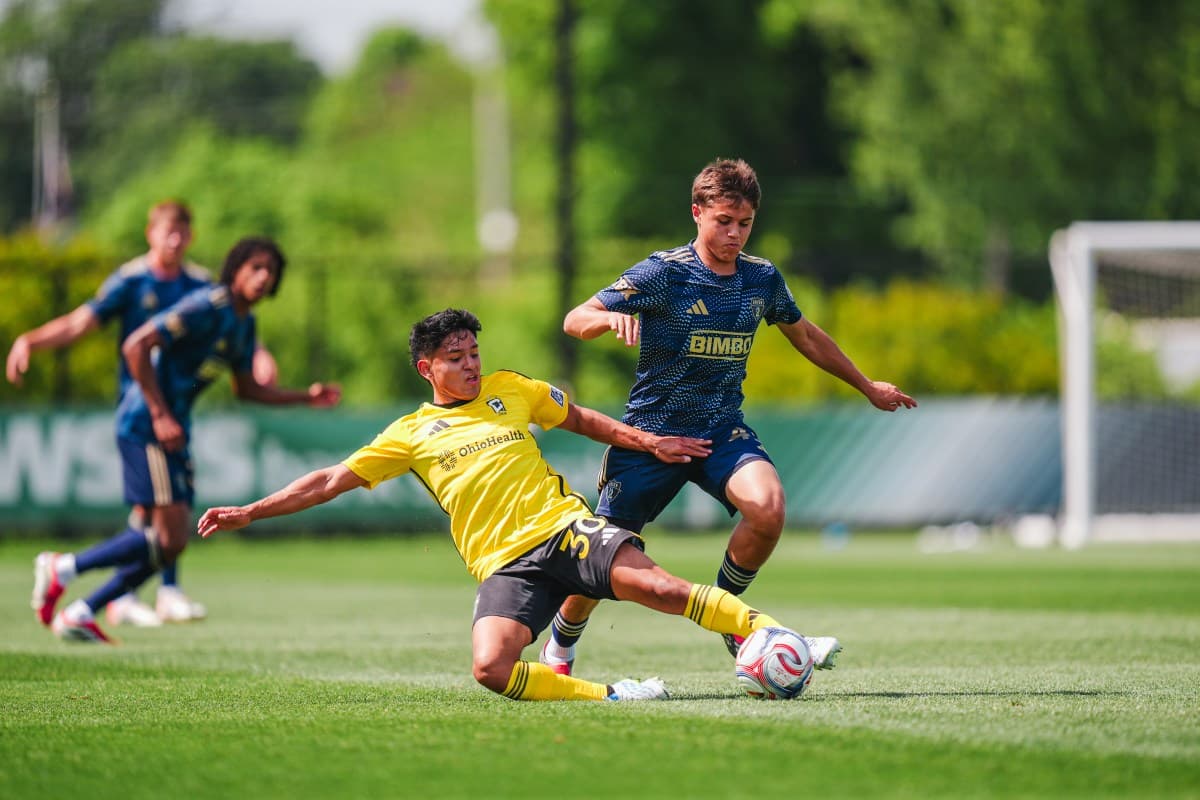
Columbus Crew II Edges Philadelphia Union II in Nail-Biting Penalty Shootout
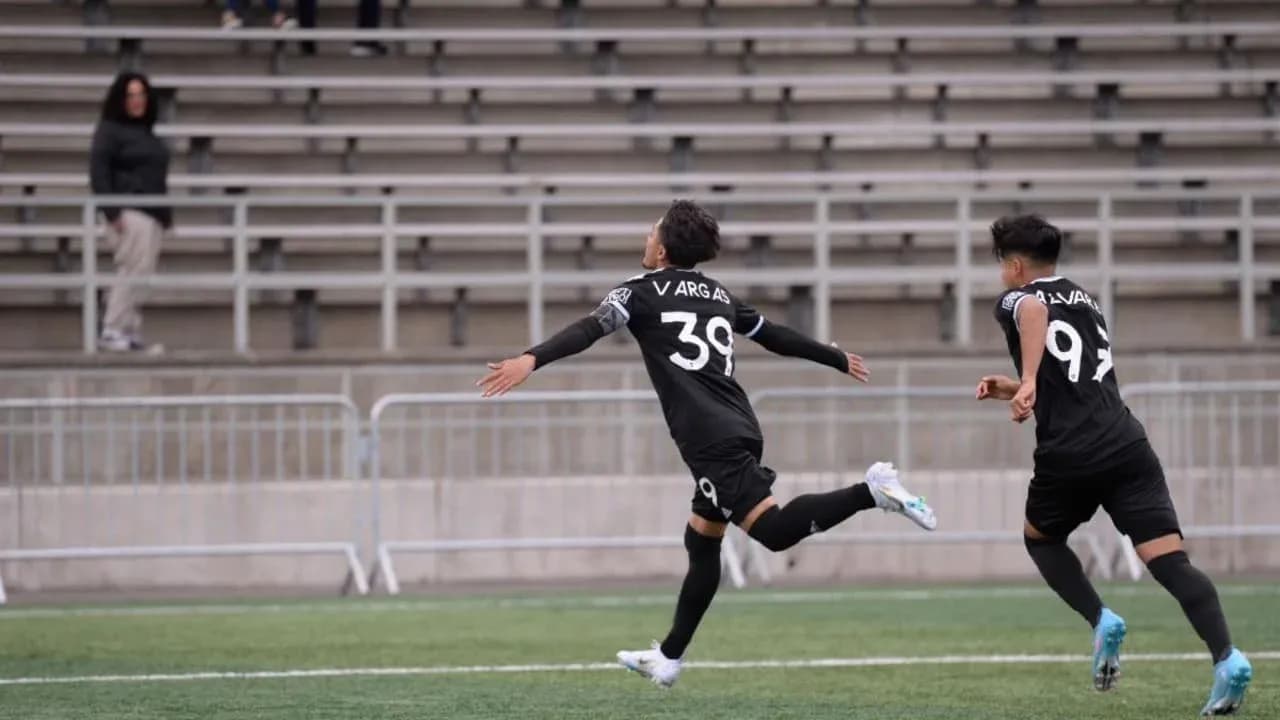
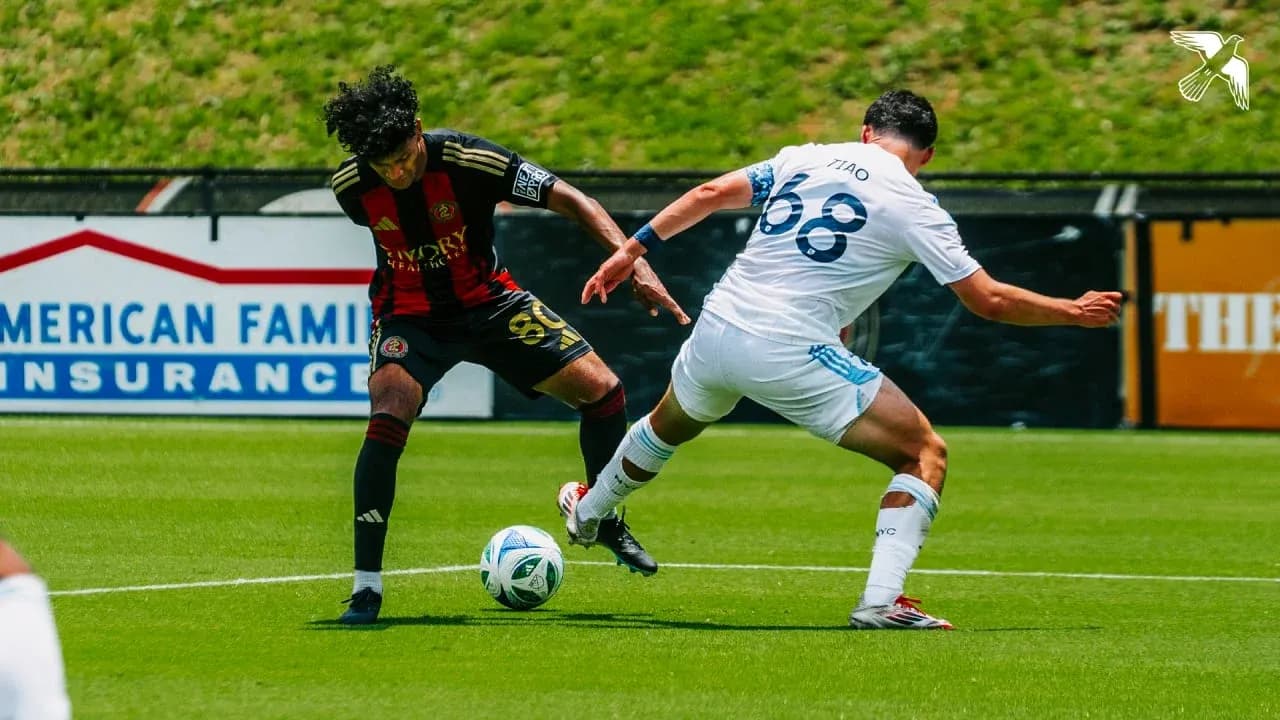
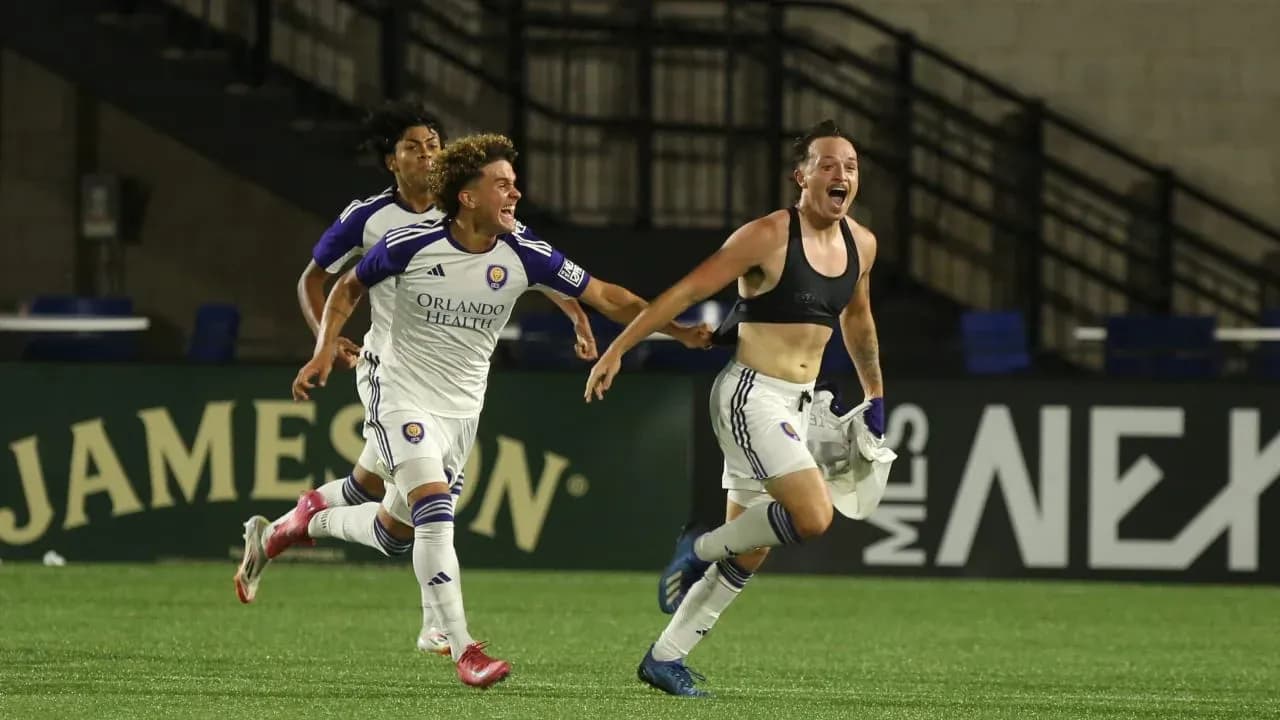
Subaru Park had the feel of a proving ground rather than a simple group-stage tie as Philadelphia Union II and Columbus Crew II dragged each other through 120 minutes and all the way to a 7-8 penalty shootout, the visitors finally edging a contest that felt like a miniature playoff rehearsal in MLS Next Pro’s Eastern Conference.
I. The Big Picture – contrasting blueprints
Heading into this game, the standings painted a clear contrast. In the Northeast Division, Philadelphia Union II sat 4th on 15 points from 10 matches, with a goal difference of 2 (12 scored, 10 conceded overall). Columbus Crew II arrived higher in the same group, 3rd with 19 points from 11 games, their goal difference perfectly balanced at 0 (18 for, 18 against overall).
Union II’s seasonal DNA is streaky and binary: 5 wins, 5 losses, no draws in total. At home, they had played 7, winning 3 and losing 4, scoring 9 and conceding 7. They are a side that either lands the punch or gets caught themselves. Their goals-for profile underlines that volatility: overall they average 1.3 goals per match, both at home and away, but the timing is clustered. A combined 61.54% of their goals come between 16-45 minutes (30.77% in 16-30 and 30.77% in 31-45), with another 23.08% between 61-75. They offer almost nothing late; they have not scored in the 76-90, 91-105 or 106-120 ranges this season.
Columbus Crew II, by contrast, are more expansive but equally extreme in their own way. Overall they average 1.8 goals per match, with a lethal 2.2 at home and a still-productive 1.5 on their travels. Yet that attacking bravado is offset by defensive looseness: they concede 1.6 goals per match in total, and a worrying 2.3 away from home. Their 11 matches have produced 20 goals scored and 18 conceded, and like Union II they do not draw – 7 wins, 4 defeats, nothing in between.
Their goal-timing map screams front-foot football. Columbus score 77.78% of their goals between 16-60 minutes (16-30: 16.67%, 31-45: 33.33%, 46-60: 27.78%), then taper off but still find 11.11% between 61-75 and another 11.11% in the final 76-90 stretch. This is a side that can build a storm early and keep enough threat alive to punish a tired defense late.
II. Tactical voids and discipline – the unseen pressures
With no official list of absentees, both coaches, Ryan Richter and Federico Higuain, leaned heavily into their available depth. The absence of formation data in the raw feed masks the tactical shapes, but the personnel choices tell a story of youth, rotation, and specific risk profiles.
Union II’s season-long disciplinary curve is jagged. Their yellow cards are spread across the match, but there are spikes between 16-30 (19.35%) and then again 31-45 and 61-75 (both 16.13%). There is also a notable late surge between 91-105 (16.13%), hinting at extra-time fatigue and emotional strain in stretched games like this one. Red cards are concentrated at pressure points: 31-45 and 61-75 each account for 50% of their dismissals. When the match tilts into transition chaos, Union II can lose control.
Columbus Crew II are hardly saints. Their yellows cluster in the engine room of the game: 31-45 (23.81%) and especially 61-75 (28.57%) are their hot zones, precisely when tempo and duels intensify. More ominously, their only red card this season came in the opening 0-15 window (100% of their reds), suggesting they can be over-aggressive from the first whistle.
In a knockout-style contest that went to 120 minutes and penalties, these underlying trends added invisible stress. Every 50-50 challenge in the 61-75 band carried the weight of both teams’ season-long propensity to collect cards when legs and minds tire.
III. Key Matchups – Hunter vs Shield, Engine Room vs Chaos
Without individual scoring charts, the “Hunter vs Shield” narrative becomes a collective duel: Columbus’s multi-pronged attack against Philadelphia’s time-specific defensive weaknesses.
The critical intersection lies in the late game. Union II concede heavily between 76-90 minutes: 44.44% of their goals against arrive in that final quarter-hour. Columbus, for their part, still manage 11.11% of their goals in that same 76-90 window. On paper, that is where Higuain’s side were most likely to decide the contest inside 90 – a late surge from a team comfortable playing open, high-event football against a host that tends to fray right at the death.
Earlier, the battle flips. Union II’s offensive peak is the 16-45 stretch (61.54% of their goals), which collides with Columbus’s most fragile defensive period: 16-45 accounts for 50% of the Crew’s goals conceded (16-30: 27.78%, 31-45: 22.22%). This is the “Hunter vs Shield” in reverse – Philadelphia’s pressing and vertical play against a Columbus back line that can wobble as matches open up. The 1-1 half-time scoreline fits that statistical script.
In the “Engine Room”, the story is more about control versus chaos than named playmakers. Union II’s midfield band, built around the likes of S. Korzeniowski, M. De Paula and K. LeBlanc, had to manage transitions against a Columbus core featuring T. Brown, K. Gbamble and N. Rincon. Season data suggests Columbus thrive when the game becomes stretched between 31-60 minutes, the very window where they score 61.11% of their goals (31-45 plus 46-60). For Union II, the challenge was to keep those phases structured, limit counters, and prevent the match from becoming a track meet.
IV. Statistical Prognosis – why the shootout favored Columbus
From a pure numbers lens, Columbus’s eventual victory on penalties feels like the logical extension of their season profile. They are built for high-leverage, high-variance encounters: 10 of their 11 matches have seen at least 0.5 goals (over 0.5 in 10, under in 1), and 7 have gone over 1.5. They live in matches where both teams score and margins are thin.
Union II, meanwhile, skew under in total goals: only 3 of their 10 games have gone over 1.5, and just 1 over 2.5. Their defensive record is slightly tighter overall (1.1 goals conceded per match versus Columbus’s 1.6), but that is undermined by their pronounced late-game vulnerability and their own lack of late scoring threat.
In a penalty shootout – football’s purest expression of variance – the side more accustomed to chaos, momentum swings and high-scoring scripts often carries a psychological edge. Columbus’s away fragility (2.3 goals conceded per match on their travels) did not matter once regulation and extra time were done; what remained was their ingrained comfort in games that refuse to settle quietly.
Following this result, Philadelphia Union II will look at the numbers and see a familiar pattern: competitive for long stretches, undone by fine margins and unable to turn their mid-game dominance into a decisive cushion. Columbus Crew II, by contrast, leave Subaru Park with their season’s identity reaffirmed – imperfect at the back, fearless going forward, and, when it comes down to the last kick, just ruthless enough.