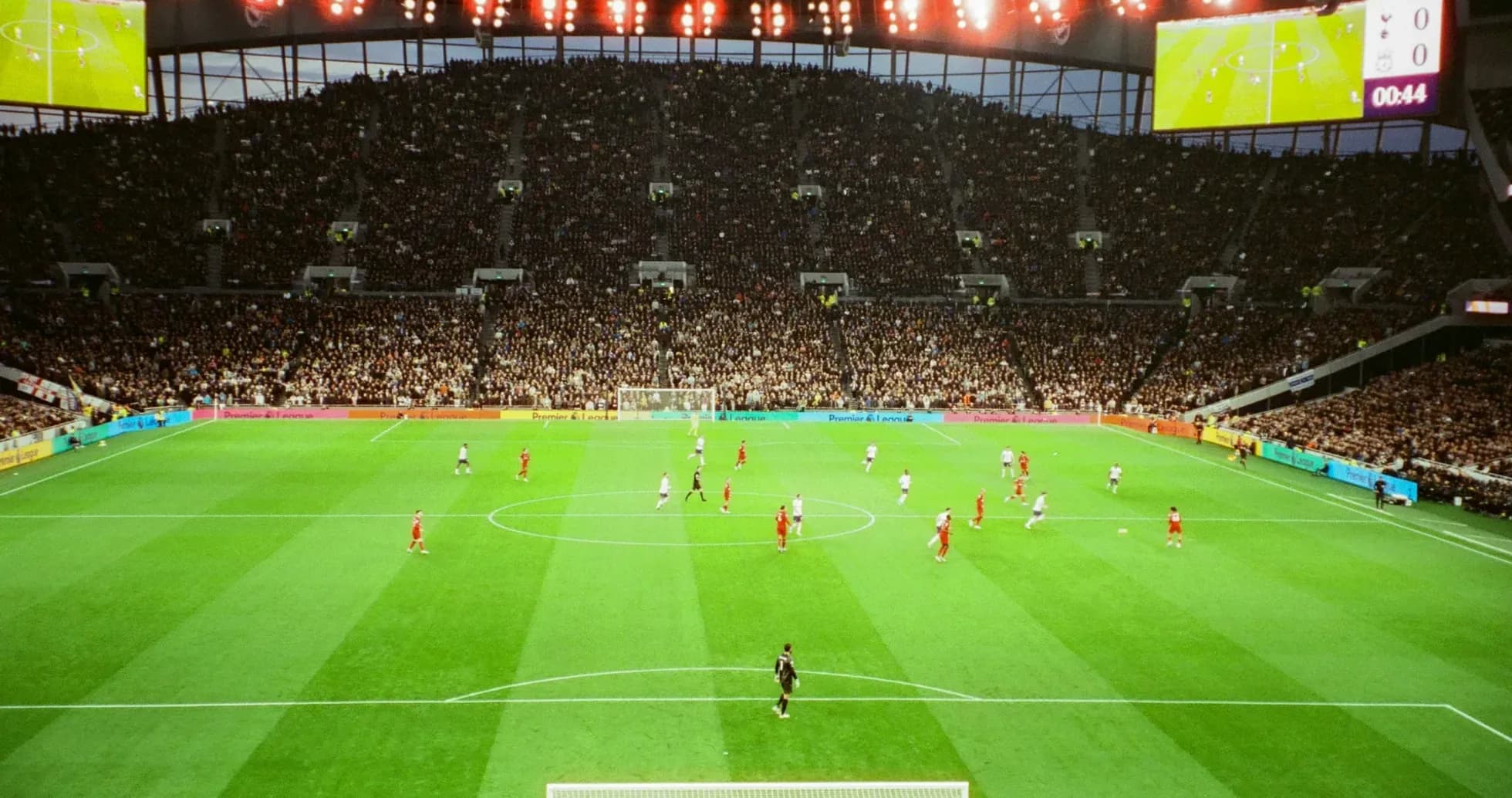
Minnesota United II vs Houston Dynamo FC II: A Clash of Contrasts
Allianz Field under the floodlights hosted a study in contrasts: Minnesota United II, a streaky, volatile side clinging to the middle of the MLS Next Pro pack, against a Houston Dynamo FC II machine that has turned the 2026 season into a procession. The match finished 1-1 after 120 minutes, before Houston’s nerve from the spot delivered a 3-1 penalty triumph and a result that felt entirely in keeping with their seasonal dominance.
Heading into this game, the numbers framed it starkly. Minnesota sat 5th in the Frontier Division and 9th in the Eastern Conference, with 15 points from 11 matches and a negative goal difference of -3 (11 goals for, 14 against). Their season has been a sequence of sharp turns: a form line of “WLLWLWWWLLL” that captures both their capacity to surge and their tendency to crash. At home, they had played 4 league fixtures, winning 2 and losing 2, scoring just 3 and conceding 4. That home average of 0.8 goals scored and 1.0 conceded underlined the narrow margins they live on in Saint Paul.
Houston arrived as the league’s ruthless benchmark. Top of both the Frontier Division and the Eastern Conference with 28 points, they had won all 10 league matches heading into this fixture. Their goal difference was a commanding +20, built on 25 goals scored and only 5 conceded overall. On their travels they were perfect: 6 away wins from 6, with 12 goals for and 5 against, averaging 2.3 goals scored and 0.8 conceded away from home. This was the juggernaut Minnesota had to derail.
I. The Big Picture: Styles and Seasonal DNA
Minnesota’s season profile is that of a side that embraces chaos. Overall they average 1.1 goals scored and 1.4 conceded per match, and they have yet to draw a league game. They either take you down with them or fall on their sword. Their biggest away win (2-4) and heaviest away defeat (3-0) speak to a team comfortable in open, stretched games, but at Allianz Field they have been more constrained, with a biggest home win of 1-0 and a worst home loss of 0-2.
Houston, by contrast, are structured dominance. Overall they average 2.7 goals scored and just 0.5 conceded per match. At home they have been impenetrable, with 13 goals scored and none conceded in 4 matches. Away, they still defend with authority: 12 scored, 5 conceded, and a clean-sheet count that already stands at 5 overall (4 at home, 1 away). Their 10-match winning streak is not just about firepower; it is about control.
II. Tactical Voids and Discipline
With no official absentees listed, both coaches appeared to have full squads available, and the lineups reflected that depth. Minnesota’s XI, built around the likes of K. Rizvanovich, D. Randell, L. Pechota, and the forward presence of M. Caldeira and J. Farris, hinted at a young, energetic unit. On the bench, options such as I. Saidi, T. Dennis, J. Bernard, and H. Cruz gave them the ability to change the game’s tempo and verticality.
Houston’s starting group looked balanced and mature. Pedro Cruz in goal fronted a back line including M. Gardner, N. Betancourt, I. Mwakutuya, and V. Silva, with a midfield core of M. Arana and Gustavo Dohmann. Ahead of them, S. Mohammad, J. Bell, R. Miller, and A. Brummett offered fluidity and finishing. The bench was stacked with attacking alternatives like Arthur Sousa, D. Gonzalez, D. Herrera, and Alan, plus defensive depth in M. Dimareli and E. Hata.
Discipline was always going to be a subtext. Minnesota’s yellow-card profile shows a tendency to lose composure in the heart of each half: 30.00% of their yellows arrive between 31-45 minutes and another 30.00% between 76-90 minutes, with 20.00% more in the 61-75 window. Houston, though less volatile, still accumulate cautions in the game’s latter stages, with 20.83% of yellows in both the 61-75 and 76-90 ranges and 16.67% from 91-105. Over 120 minutes, fatigue and pressure were always likely to drag both sides into risky tackles and time-wasting.
III. Key Matchups: Hunter vs Shield, Engine Room
Without individual scoring charts, the “hunter vs shield” battle became collective: Minnesota’s modest attack against Houston’s elite defensive block. At home, Minnesota’s 0.8 goals per game met an away defense conceding only 0.8 per match. The hosts’ path to victory required precision from players like Caldeira and Farris, supported by the creative thrust of Randell and Pechota, to turn half-chances into the single clean strike that might be enough.
Houston’s “shield” was multi-layered. The back four in front of Pedro Cruz, supported by the positional discipline of Arana and Dohmann, has underpinned a season in which they have conceded just 5 goals overall. Minnesota’s own back line, with figures like P. Tarnue, N. Dang, and A. Kabia, faced an entirely different problem: how to cope with an attack that averages 3.3 goals at home and 2.3 away, with wide threats such as J. Bell and R. Miller constantly asking questions between the lines.
The engine room duel was subtle but decisive. Minnesota’s midfielders, particularly Randell and Harwood, had to compress space, deny Dohmann time on the ball, and prevent Houston from establishing their usual passing rhythm. Houston’s central unit, meanwhile, looked to tilt the field, pinning Minnesota’s full-backs and forcing the home side’s forwards to defend deeper and longer than they would like.
IV. Statistical Prognosis and Penalty Denouement
From a statistical standpoint, Houston entered as overwhelming favourites in any xG-based projection. A team averaging 2.7 goals scored and 0.5 conceded overall, with a +20 goal difference from just 10 matches, will almost always be tipped to create the better chances and concede fewer. Minnesota’s negative overall goal difference (12 scored, 15 conceded) and lack of draws suggested that if they were to survive, it would be through a low-scoring, high-resistance performance and a bit of variance in their favour.
Over 120 minutes, Minnesota did exactly what the numbers demanded: they dragged Houston into a tighter game, matched them goal for goal, and forced the contest to be decided from the spot. In that high-pressure, low-sample lottery, Houston’s season-long aura of control resurfaced. Both sides had been perfect from the spot in league play, each scoring 1 penalty from 1 and missing none, but in the shootout Houston held their nerve, converting 3 to Minnesota’s 1.
Following this result, the narrative holds: Minnesota remain the wild card capable of stretching giants to their limits, but Houston Dynamo FC II continue to look like the league’s inevitable force, the side that bends both the flow of play and the fine margins of penalty drama to their will.