Atlanta United II Dominates Huntsville City in 6–2 Victory
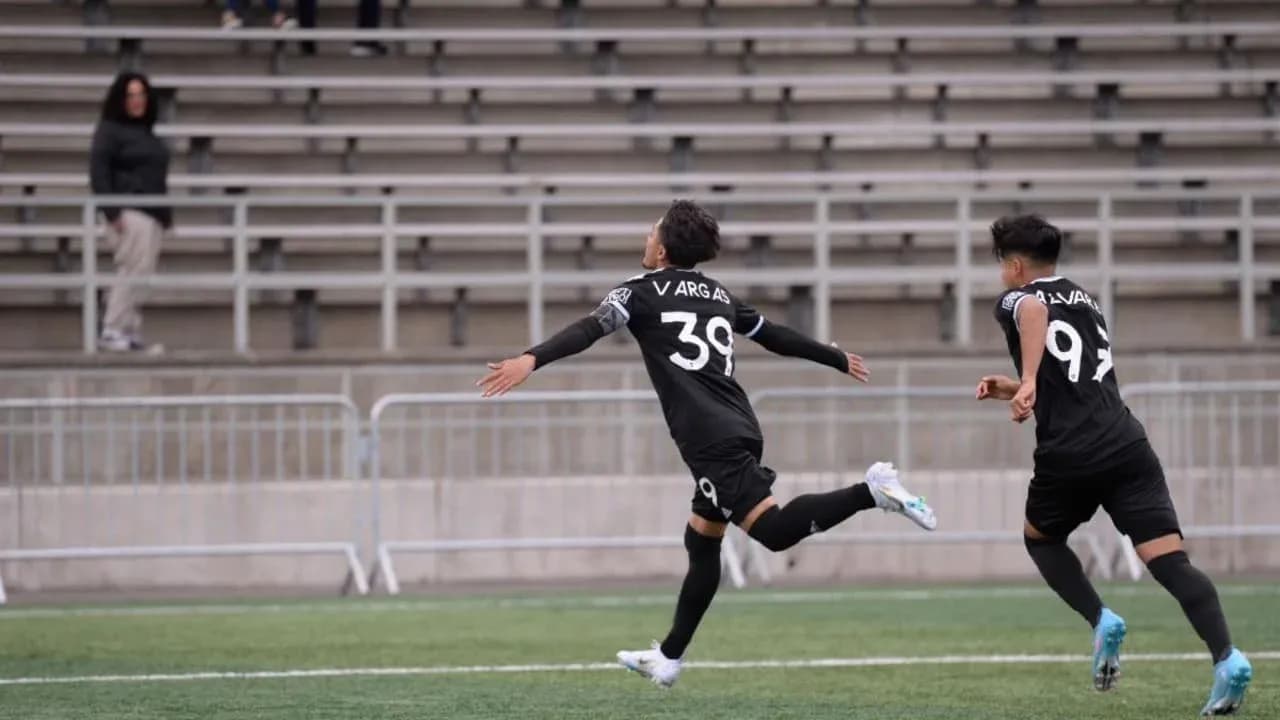
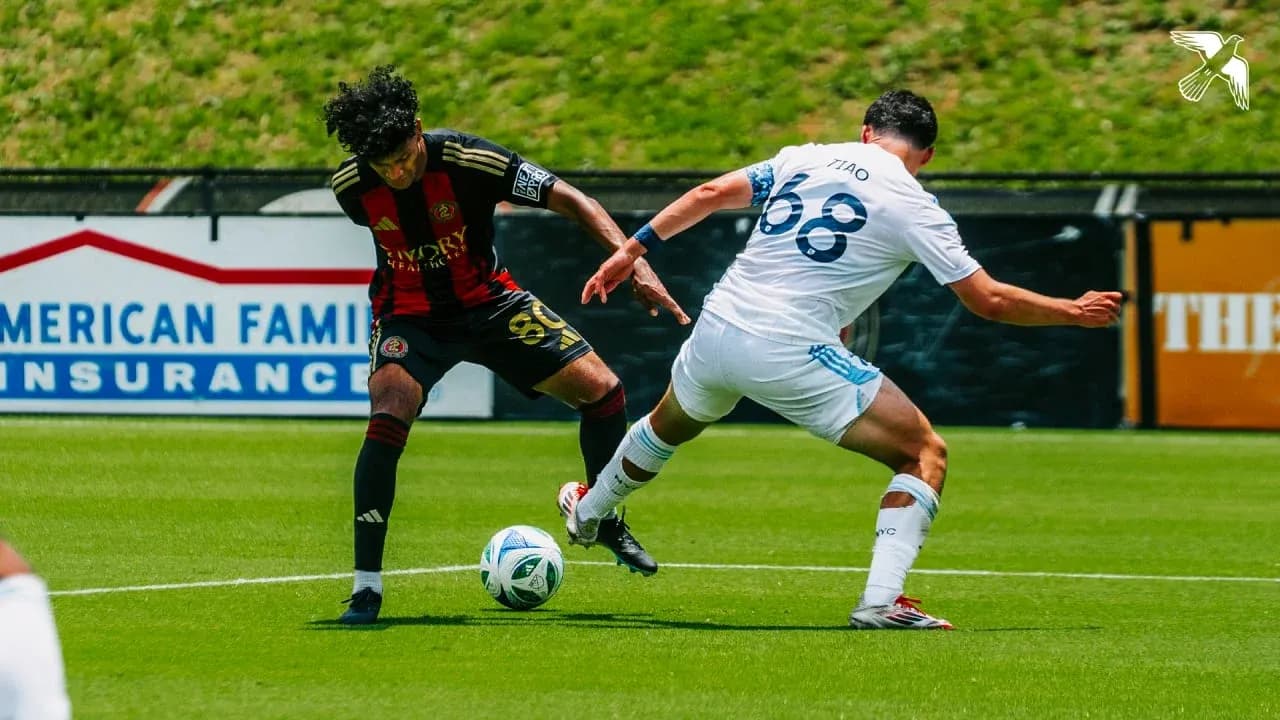
On a cool night at Joe W. Davis Stadium, a match that began as a Huntsville City showcase dissolved into a ruthless Atlanta United II statement. The MLS Next Pro Group Stage fixture finished 6–2 to the visitors, a result that did more than flip a scoreline; it exposed structural truths about both squads that will echo through the Eastern Conference race.
Heading into this game, the table already framed the stakes. Huntsville City sat 3rd in the Central Division and 6th in the Eastern Conference, with 18 points from 10 matches and a goal difference of 1, built on 23 goals scored and 22 conceded. Atlanta United II arrived as a slightly sharper version of the same high-variance profile: 2nd in the Central Division, 4th in the East, 19 points from 10 games and a goal difference of 7, with 20 goals scored and 13 against. Both sides were built for chaos, but only one learned how to ride it for 90 minutes.
For Huntsville, the seasonal DNA is clear. Overall they average 2.4 goals for and 2.3 against per match, with a pronounced attacking spread: they score across every 15-minute band from 0-90’, peaking between 16-30’ at 21.74% of their total and maintaining steady output from 31-75’. At home, they have been productive, with 12 home goals and a home average of 2.4, but the defensive side has been fragile: 9 conceded at home with a home average of 1.8. The 2–6 collapse here now becomes their heaviest home defeat, surpassing even the previously noted 2–6 home low in their seasonal “biggest loses” profile.
Atlanta, by contrast, came in with a more balanced risk-reward profile. Overall they average 2.0 goals for and 1.4 against, and on their travels they have scored 14 and conceded 10, with away averages of 2.0 scored and 1.4 conceded. Their attacking minute distribution tells the story of a side that grows into games: only 10.00% of their goals arrive in each of the first two 15-minute windows, but that climbs through the middle of the match and spikes late, with 30.00% of their total goals coming between 76-90’. Defensively, they are most vulnerable early—23.08% of goals conceded between 0-15’—but they generally stabilize, never conceding more than 23.08% in any later band.
That context makes the match narrative all the more striking. Huntsville’s starting XI, led by coach Chris O’Neal, leaned into their usual attacking core: L. Eke wearing 9 as the central reference, supported by M. Ekk (10) and the creative lanes of M. Veliz (8) and N. Pariano (24). Wide and build-up phases likely flowed through M. Molina (2) and the composed presence of X. Valdez (13) at the back. With F. Reynolds (73) and M. Yoshizawa (70) adding energy between the lines, Huntsville had the personnel to press high and combine quickly.
Atlanta United II, however, brought a different kind of menace. The front half of their XI—C. Dunbar (70), M. Tablante (80), and A. Torres (23)—is built for transition. Behind them, A. Gill (16) and D. Chong-Qui (50) offer connective tissue between lines, while the defensive unit anchored by M. Senanou (82) and M. Cisset (64) is designed to absorb pressure and spring counters. In goal, J. Donaldson (60) had the platform to play long into runners once Huntsville’s structure opened up.
The first half followed Huntsville’s script. Their season-long attacking surge from 16-30’ and 31-45’ (a combined 39.13% of their goals) again translated into productivity, as they reached half-time 2–0 up. Atlanta’s known early defensive fragility—23.08% of goals conceded in the opening 15’ and another 15.38% between 16-30’—was clearly in play. Huntsville exploited exactly the window where Atlanta are statistically most vulnerable.
But the second half became an Atlanta masterclass in timing and mentality. Their season profile shows a steady rise in attacking threat after the break: 20.00% of their goals from 46-60’, 15.00% from 61-75’, and then the devastating 30.00% from 76-90’. Huntsville, conversely, are at their most brittle late: 36.36% of all goals they concede arrive between 76-90’, by far their worst defensive window. The match became the purest expression of that intersection—Atlanta’s late-game surge colliding with Huntsville’s late-game collapse.
Once Atlanta clawed their way back into the contest after the interval, Huntsville’s structural issues were laid bare. Overall, Huntsville’s goalsAgainst average of 2.3, with an away average of 2.8 and a home average of 1.8, already suggested a side that can be overwhelmed when games become stretched. Their defensive minute distribution shows 22.73% of goals conceded between 31-45’ and that huge 36.36% from 76-90’; when legs tire and concentration dips, their back line unravels. Against a side like Atlanta, whose biggest away win this season is a 2–6 result and whose late-game scoring is their defining weapon, that fragility became fatal.
Tactically, Huntsville’s bench offered possible stabilizers—defensive reinforcements like K. Coulibaly (21) or structural tweaks via the energy of N. Sullivan (18) and the physical presence of J. Swanzy (99). But as the match wore on, Atlanta’s substitutes—P. Weah (33), M. Pineda (88), and A. Henry (85)—had the fresher platform. They slotted into a side already built to exploit transitions, adding legs precisely when Huntsville’s statistical weak zone (61-90’) historically opens up.
Disciplinary trends also framed the chaos. Huntsville’s yellow-card distribution is heavily back-loaded, with 30.77% of their bookings between 76-90’ and another 15.38% from 91-105’. Atlanta’s is similar, with 21.74% between 61-75’ and 21.74% from 76-90’. This is when both teams typically play on the edge, and in a match already stretched by Huntsville’s need to protect a lead, that edge tilted decisively toward Atlanta’s relentless runners and direct attacks. While no specific cards from this fixture are listed, the season trends suggest that Huntsville’s late-game discipline, or lack thereof, likely compounded their structural fatigue.
Following this result, the statistical prognosis for both squads crystallizes. Huntsville remain one of the league’s most entertaining sides, with over 1.5 goals in 8 of their 10 matches overall and a goalsFor total of 24, but their defensive underpinnings—particularly the late-game 36.36% concession rate from 76-90’—will cap their ceiling unless addressed. Atlanta, meanwhile, validate their profile as a ruthless, late-surging contender: away they have now produced a 2-6 statement win, underpinned by a goalsAgainst total of just 14 overall and a disciplined concession pattern that rarely collapses late.
In xG terms, this kind of scoreline usually reflects more than finishing variance; it reflects repeatable patterns. Atlanta’s compact mid-block, explosive wide players, and late-game physical superiority align perfectly with Huntsville’s expansive, risk-heavy approach and late defensive fade. Unless Huntsville can re-balance their structure—tightening their block after 60’ and protecting central spaces when legs tire—this 2–6 at Joe W. Davis Stadium will be remembered not as an anomaly, but as a warning.