USMNT Camp: A New Era Begins with Young Talents
The latest USMNT camp feels less like a routine gathering and more like the opening scene of a new era. At the heart of it all: a 16-year-old who has turned hype into hard evidence.
Sullivan steps into the spotlight
Say hello to the boy wonder. Sullivan has been on radars for years, but this season his numbers have finally caught up with the noise. Goals. Assists. Impact. At 16.
That’s why he’s here.
Pochettino is not in the business of rewarding social media buzz. He calls footballers, not influencers, and right now Sullivan fits firmly in the first category.
"He deserves all of the praise that he is getting," Pochettino said. "I think it's because he's performing well. He's giving assists, scoring goals, and he's 16. We don't say he doesn't deserve the praise. The important thing is to help, to be with him, and to provide a solid pattern and support, because he still needs to show, improve, evolve, and be more mature. He's only 16. He's a kid, but I think the most important thing is we have the opportunity now because he deserves to join us in the national team."
This camp is not a coronation. It’s a test.
Sullivan might tear through this group the way he has at every other level. He might struggle. Both outcomes are acceptable. What matters is that he’s exposed to the speed, the scrutiny and the standards of the senior national team.
You want a 20-year-old star in 2030? You start the work now. You let him try. You let him fail if he must. Then you see how he responds.
The spotlight will be harsh and constant. It always is for prodigies. Now it’s on him to decide what to do with it.
Pulisic’s absence and a lingering World Cup hangover
The other side of this camp’s story is who isn’t here.
Christian Pulisic’s omission is as logical as it is frustrating. He has just come back from injury and only recently played his first minutes of the season. Dragging him across the Atlantic for four games in two weeks would have been reckless for both club and country.
From a physical standpoint, leaving him out makes sense. From a narrative standpoint, it stings.
The World Cup disappointment still hangs over everything, and Pulisic’s absence only prolongs the debate. There are fans who want to see more fire, more visible edge from the captain. They won’t get that evidence this fall.
He cannot rewrite Qatar in a handful of friendlies more than three-and-a-half years from the next World Cup. He couldn’t have fixed all that in this window anyway. But he could have started to shift the conversation. That opportunity is gone, for now.
Unfortunate for him. Reality for the team.
"I think now is a completely different approach than was in the past," Pochettino said. "The World Cup is in four years. We need to work with different objective and goals, and for different reasons, that roster is the roster that is the best roster that we can design for this camp."
This is not a nostalgia tour. It’s a reset.
Musah’s road back
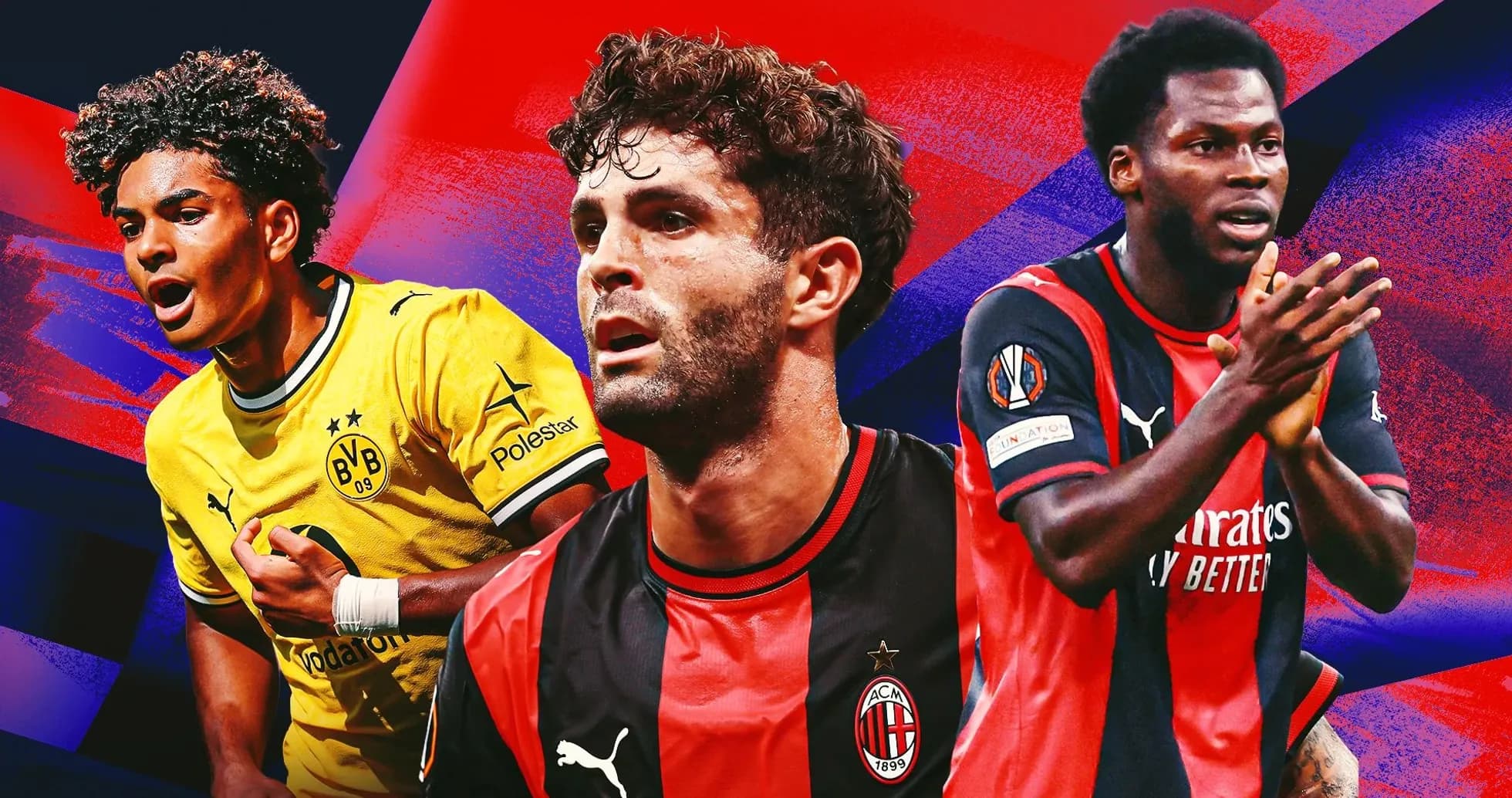
No one embodies that reset more than Yunus Musah.
After more than 18 months out of the picture, he’s back. And he hasn’t been handed this return; he’s earned it.
The last few years have been messy for Musah. He stalled at Milan. A loan spell at Atalanta offered little joy. Confidence drained, minutes came and went. Now he’s back at Milan and actually contributing. That shift has clearly changed how he feels about himself — and how Pochettino feels about him.
Musah is still only 23. In this group, that makes him almost a veteran, but his ceiling remains high and his game far from finished.
Growth rarely runs in straight lines. His certainly hasn’t. But it’s led him back to where he wanted to be: in a USMNT shirt.
"Yunus is still young," Pochettino said. "He wasn't involved in the last World Cup, but now, after seeing from the beginning the season that he is performing in the way that we expect, because some players can play all the game but they are not performing in the way that we expect, but that is why we call again. It's really open, like for rest of the of the players."
This camp is his second chance to make a first impression on this manager. He’ll need to be sharp. He’ll need to be brave on the ball. If he nails it, this could be the launchpad for the next phase of his international career.
A fresh hierarchy, and a fight for places
Look at the 28-man roster and you see the skeleton of the World Cup team — and the beginning of something new.
Thirteen players from this summer’s World Cup squad are back. Many of them are entrenched starters: Tyler Adams, Chris Richards, Antonee Robinson, Sergino Dest, Matt Freese. Several high-profile names are missing for clear reasons: Pulisic, Weston McKennie and Folarin Balogun are all out with injuries. Tim Ream, now 38, is another absentee, though Pochettino has not ruled him out and Ream himself has said he remains available.
The real drama lies with the World Cup supporting cast.
Matt Turner, Max Arfsten, Mark McKenzie, Joe Scally, Cristian Roldan, Brenden Aaronson, Tim Weah, Alejandro Zendejas — all part of that World Cup journey, all staying home this time.
Pochettino has been careful not to slam any doors shut. He insists no one has been permanently discarded and that every player can force their way back into the fold.
But when you broaden the player pool, the squeeze hits hardest between players 15 and 26 on a World Cup roster. Those are the ones who now have to scrap for every camp, every minute, every role. That fight has already started.
"The door is open for everyone," Pochettino said. "Now it's a new start. It's a new cycle. It's not what happened one year ago, one year and a half ago, what happened in the World Cup. To be honest, it's a fresh start. It's a roster that we consider is the best for that period."
The message is blunt: reputations don’t defend your place anymore. Performances do.
Albert, the wild card
Then there’s Albert, perhaps the most intriguing name on the list.
If he plays 93 minutes in this camp, he will have logged more senior minutes for his country than for his club. That alone tells you how aggressively Pochettino is willing to bet on potential.
Unlike Sullivan, Neil Pierre or Adri Mehmeti, Albert can’t point to a long list of senior performances to justify his call-up. His résumé is thin. The context matters, though: he’s at Dortmund, one of Europe’s sharpest talent factories, and he’s already been pulled into the orbit of their first team at 17.
Dortmund don’t promote teenagers for fun. If they’re high on him, that usually means there’s something real there.
So yes, he’s the least experienced player in this camp. He might also be the one with the highest ceiling.
That’s why Pochettino wants him here. To see him up close. To drop him into the rhythm, the demands, the expectations of senior international football. For now, it’s a learning mission. The payoff could come later — for both club and country.
The names are changing. The hierarchy is shifting. The cycle has reset. The only question now is which of these young bets will still be standing when 2030 finally arrives.