The Town vs Portland Timbers II: A Tactical Showdown
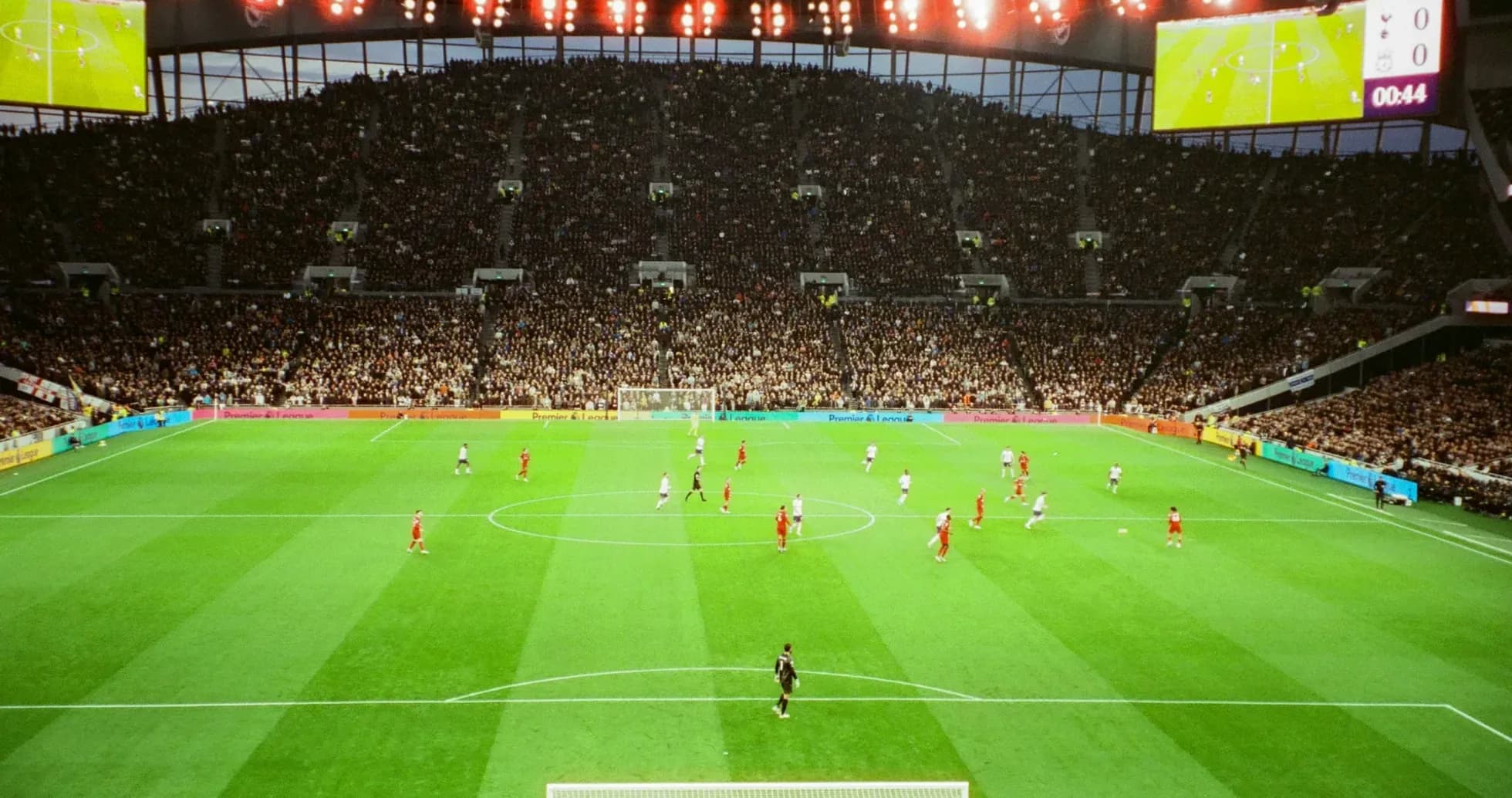
The floodlights at PayPal Park had barely cooled when the table told its story. Following this result, The Town remained a paradox in MLS Next Pro: one of the league’s most explosive home attacks, undone by the narrowest of margins in a 0–1 defeat to Pacific Division leaders Portland Timbers II.
I. The Big Picture – Clash of Opposites in the Pacific
This was a Group Stage meeting between two sides carrying very different seasonal identities into the night.
Heading into this game, The Town sat 4th in the Pacific Division and 7th in the broader Eastern Conference picture, with 17 points from 10 matches. Their overall goal difference was +11, built on 21 goals for and just 10 against across the campaign. At home, they had been ruthless: 11 goals in 4 matches, an average of 2.8 per game, while conceding only 3 at PayPal Park, an average of 0.8.
Portland Timbers II arrived as Pacific Division leaders, 1st in their group and 4th in the Eastern Conference snapshot, with 20 points from 10 games. Their overall goal difference was far slimmer at +2, with 14 goals scored and 12 conceded. On their travels, they had been efficient rather than spectacular: 5 goals scored and 5 conceded in 4 away fixtures, averaging 1.3 both for and against.
The scoreline – 0–1 to Portland – reflected Portland’s away pattern: pragmatic, narrow margins, and a willingness to suffer. For The Town, it was a rare home blank, only their second time failing to score at PayPal Park this season.
II. Tactical Voids and Hidden Fault Lines
With no official list of absentees provided, both coaches appeared to lean on continuity and trust in their core groups.
Daniel de Geer’s The Town started with F. Montali between the posts, a back line anchored by J. Heisner, A. Cano, N. Dossmann, and M. Kwende. In front of them, the engine of R. Rajagopal and G. Bracken Serra was flanked and supported by the creative and attacking profiles of Z. Bohane, K. Spivey, S. de Flores, and the focal point J. Donnery.
Jack Cassidy’s Portland Timbers II mirrored that balance with S. Joseph in goal, a defensive spine including A. Bamford, N. Lund, C. Ondo, and C. Ferguson. Ahead of them, V. Enriquez and L. Fernandez-Kim knitted the play, while C. Griffith, E. Izoita, N. Santos, and D. Cervantes provided the vertical thrust and final-third menace.
Discipline has been a quiet but significant subplot for both teams this season. Heading into this game, The Town’s yellow cards skewed heavily towards late pressure: 29.41% of their yellows arrived between 76–90 minutes, with another 23.53% in both the 16–30 and 46–60 windows. More dramatically, their only red card this season had come in the 31–45 range, a reminder of how a single lapse before half-time can tilt a match.
Portland’s booking pattern was even more volatile in the second half. A full 32.00% of their yellow cards landed between 61–75 minutes, with 24.00% from 76–90 and 16.00% between 46–60. This is a side that plays on the edge once the game opens up, often walking the disciplinary tightrope as they protect leads or chase margins.
III. Key Matchups – Hunter vs Shield, Engine vs Enforcer
Hunter vs Shield: The Town’s home attack vs Portland’s away resilience
Heading into this fixture, The Town’s home attack was one of the most fearsome in the division: 11 goals in 4 home games, powered by an overall attacking average of 2.1 goals per match across the season. Their biggest home win, a 6–1 demolition, underlined their capacity to overwhelm visitors at PayPal Park.
Against that, Portland brought an away defence that, while not watertight, had shown an ability to bend without breaking. On their travels, they had conceded 5 in 4 matches, an average of 1.3 per game, but crucially had still taken 3 away wins from those 4 outings. They had already produced 3 away clean sheets overall this season, an impressive mark for a side that does not dominate the ball in every venue.
In this match, the “shield” won. S. Joseph, shielded by the disciplined line of Bamford, Lund, Ondo, and Ferguson, helped Portland deliver another clean sheet on the road. For The Town, with their only total clean sheet of the season coming at home, this was supposed to be their platform. Instead, their second failure to score at home underscored how thin the margins can be when a high-powered attack meets a structured, confident back line.
Engine Room: Rajagopal and Bracken Serra vs Enriquez and Fernandez-Kim
The central battle was defined by contrasting midfields. The Town’s R. Rajagopal and G. Bracken Serra have been central to a side that averages 2.1 goals total per match while conceding only 1.2. Their job is to keep the game vertical without exposing a defence that, until this night, had allowed just 3 goals at home all season.
Portland’s response came through V. Enriquez and L. Fernandez-Kim, tasked with calming a side that can oscillate between control and chaos. With Portland’s total goals for and against both at 15 across the campaign – an exact balance of 1.5 scored and 1.5 conceded per game – their midfield needed to manage tempo, break up The Town’s surges, and spring Griffith, E. Izoita, Santos, and Cervantes into space.
Colin Griffith, listed as a forward and recognized in league-wide metrics across goals, assists, and cards, carried an interesting dual identity: a nominal attacking spearhead whose discipline and work rate also shape Portland’s pressing scheme. Even without headline scoring numbers in the season data, his presence in the XI here signalled Portland’s intent to defend from the front and compress The Town’s build-up.
IV. Statistical Prognosis – What This Result Tells Us
Following this result, the numbers offer a clear tactical reading.
The Town remain a high-variance side. Overall, they win or lose – there are no draws in their 10-match record. They score heavily (21 total goals) and generally defend well (12 conceded), but their reliance on offensive rhythm means that when the final pass or finish deserts them, there is little margin for error. At home they still average 2.8 goals for and 0.8 against, so this 0–1 is an outlier, but one that hints at what happens when opponents are brave enough to press and compact the central lanes.
Portland Timbers II, by contrast, continue to live in the margins and thrive there. With 6 wins and 4 losses, no draws, and an overall goal difference of +2 (14 scored, 12 conceded), they are specialists in games decided by a single moment. Their away profile – 3 wins from 4, 5 goals for and 5 against – suggests a team comfortable in hostile environments, trusting their structure and their late-game resilience.
In xG terms, this kind of match-up almost certainly tilted towards balance: The Town’s volume of attacks and historic home scoring rate would have generated respectable expected numbers, while Portland’s compact shape and counter-attacking threat would create fewer but higher-quality looks. The actual 0–1 scoreline fits a scenario where Portland’s defensive solidity and goalkeeping edged the xG battle, converting one of their limited chances while suppressing The Town’s usual multi-goal output.
As the Group Stage narrative continues, this fixture will be remembered as a tactical checkpoint. The Town learned that their attacking identity, however potent, needs an alternative plan when confronted with a disciplined away block. Portland Timbers II, meanwhile, reinforced their status as ruthless travellers: a side whose season-long balance of 1.5 goals for and 1.5 against overall hides a sharper truth – when the margins are thin, they are the ones who most often find a way.