Cavalry FC Dominates Vancouver FC in Canadian Premier League Clash
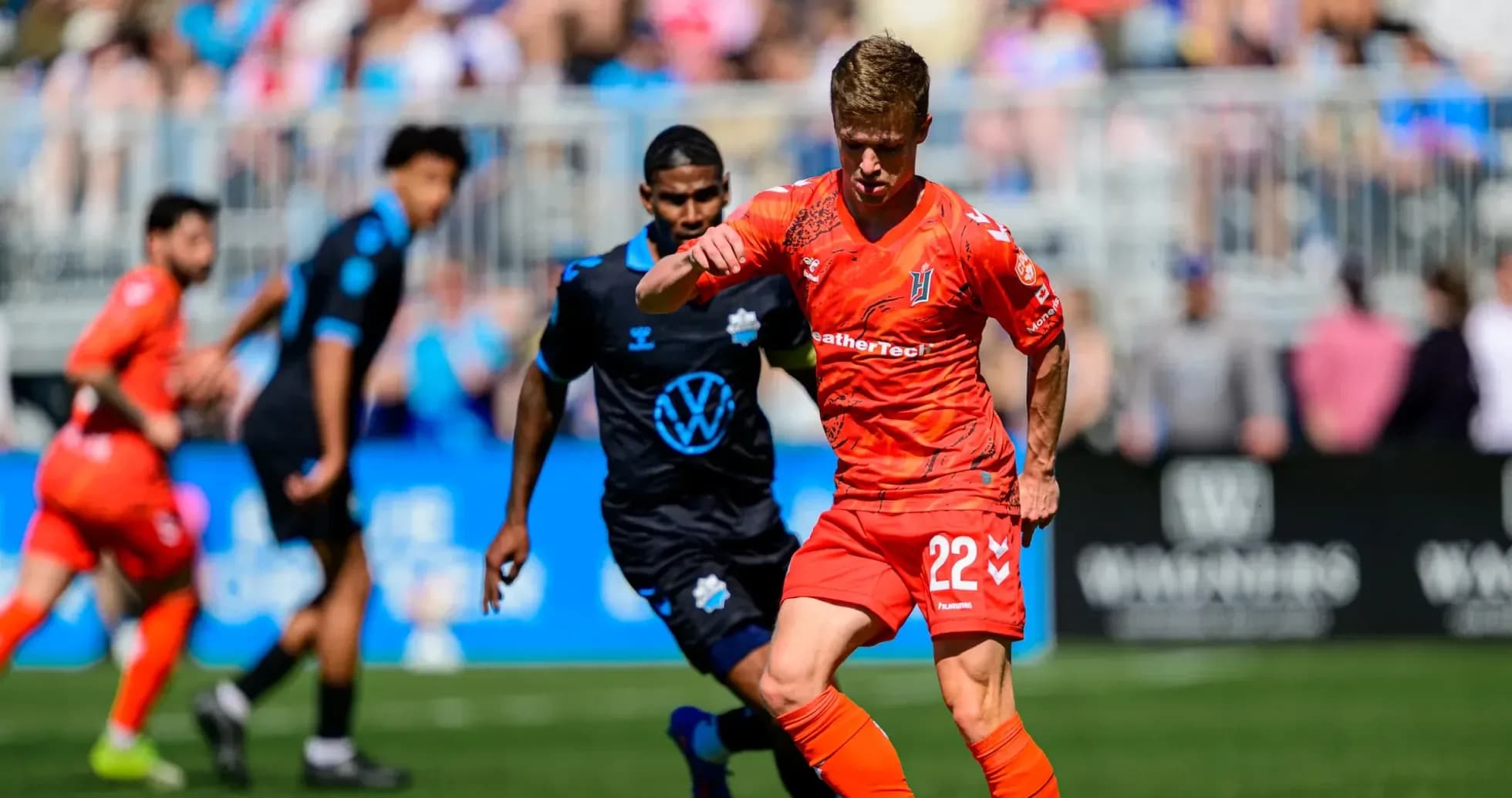
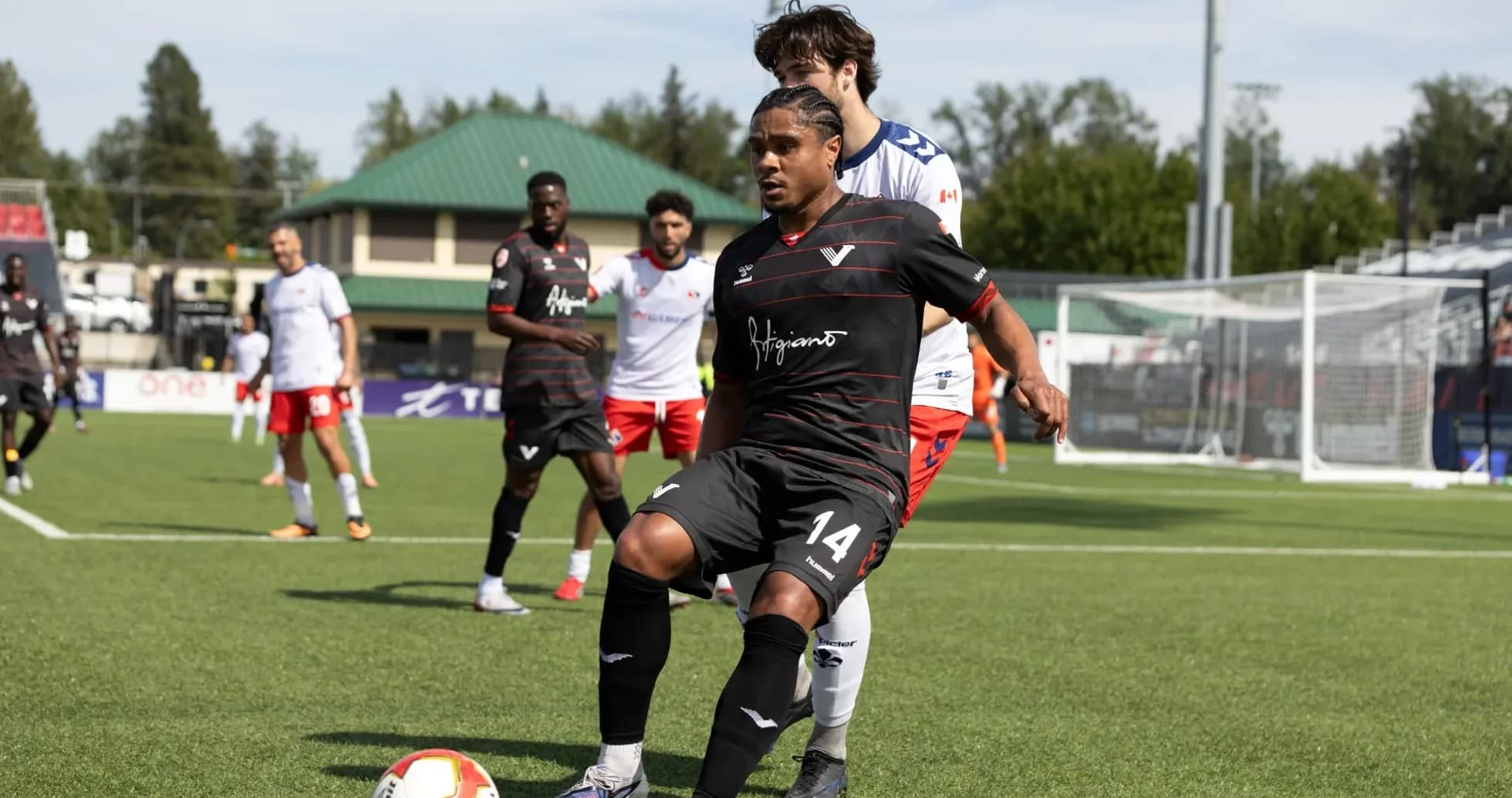
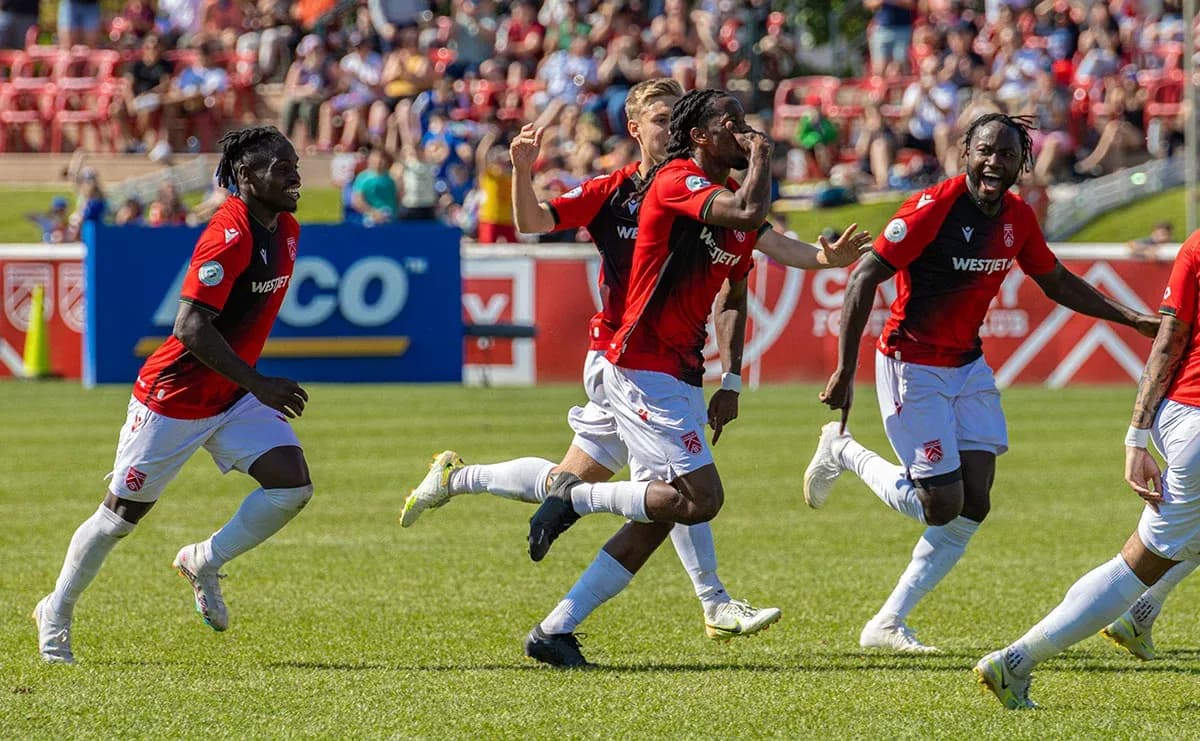
Under the Willoughby Community Park Stadium lights, this Canadian Premier League group-stage meeting told a familiar story of two clubs heading in opposite directions. Following this result, Vancouver FC’s 2-0 home defeat to Cavalry FC crystallised the gap between a side still searching for an identity and another already moving with the assurance of a title contender.
I. The big picture: contrasting seasonal DNA
The league table frames everything. Vancouver sit 7th with 4 points from 6 matches, their overall record a stark 1 win, 1 draw and 4 defeats. The goal difference of -3 is cleanly rooted in the numbers: they have scored 4 and conceded 7 overall. The home split is even more troubling. At home they have played 3, lost 3, scored 0 and conceded 4. An overall goals-for average of 0.7 is built on an away average of 1.3 but a home average of 0.0. This is a side that can counter on their travels but repeatedly runs into a creative wall in front of their own supporters.
Cavalry, by contrast, are operating at the top end of the league. They occupy 2nd with 14 points from 6 matches, unbeaten with 4 wins and 2 draws. Their overall goal difference is +6, derived from 9 goals scored and 3 conceded. On their travels, they have played 4, won 3, drawn 1 and lost none, scoring 5 and conceding just 1. Their away goals-for average of 1.3 and away goals-against average of 0.3 underline a team that controls games, defends with authority and punishes mistakes.
This fixture, then, became an almost perfect expression of those trends: Vancouver again blanked at home, while Cavalry again imposed their structure and walked away with a clean sheet and three points.
II. Tactical voids and discipline: where Vancouver are bleeding
There were no listed absentees in the data, so both coaches, Martin Nash and Tommy Wheeldon, could lean on their core groups. Yet Vancouver’s issues are structural, not simply personnel-based.
Their season statistics paint a picture of a side that cannot turn possession into threat at home. Across the campaign, they have failed to score in 4 of 6 matches overall, including all 3 at home. They also have 0 clean sheets overall, conceding an average of 1.3 at home and 1.0 away. That combination — no home goals and no clean sheets — is a tactical void in itself.
Discipline adds another layer. Vancouver’s yellow-card distribution is spread but with a clear late-game spike: 23.08% of their yellows arrive between 76-90', and another 15.38% between 91-105'. This suggests a team chasing games, arriving late into duels, and emotionally stretched as the clock runs down. Marcello Polisi, with 3 yellow cards in 6 appearances, embodies that edge in midfield. Mohamed Amissi’s 2 yellows from the front line further underline how often Vancouver’s attackers are forced into reactive, rather than proactive, defending.
Cavalry’s card profile is more controlled but still combative. They take 30.77% of their yellows between 61-75', a period when they often tighten their grip on games, and 15.38% between 76-90'. Players like Adam Pearlman, Sergio Camargo and Harrison Paton, each on 2 yellows, form a spine that plays on the edge but rarely loses control — a crucial distinction from Vancouver’s more frantic late-game bookings.
III. Key matchups: Hunter vs Shield, Engine Room vs Enforcer
Hunter vs Shield
For Vancouver, the attacking “hunter” role falls to Amissi, their top scorer with 1 goal from 6 appearances and 5 shots (4 on target). His output is modest but, in a team that has scored only 4 overall, he remains the primary threat. His dribble attempts (6, with 3 successful) hint at a willingness to take on defenders, but he is often isolated.
The shield he faced was not just one man but a Cavalry defensive unit that has conceded only 3 goals overall, with 3 clean sheets and just 1 goal allowed on their travels. At the heart of that is Daan Klomp, a defender whose statistical profile is quietly dominant: 6 appearances, 270 minutes, 1 goal, 166 passes at 92% accuracy, 15 duels with 11 won, and 1 blocked shot. Klomp’s ability to step into midfield, win first contact and then recycle the ball with such precision is central to why Cavalry’s away goals-against average is 0.3.
In this match, the pattern held. Vancouver’s lack of central penetration left Amissi and fellow attackers like T. Campbell feeding on scraps, while Klomp and Pearlman patrolled the defensive line with minimal stress.
Engine Room: playmaker vs enforcer
In midfield, the duel was more nuanced. For Vancouver, Polisi is the enforcer and organiser: 88 passes at 87% accuracy, 4 tackles, 1 blocked shot and 1 interception this season. He is tasked with screening the back line and initiating transitions. Yet his 3 yellow cards show how often he is forced into last-ditch interventions.
Opposite him, Paton and Camargo form Cavalry’s engine. Paton’s numbers are striking: 121 passes at 85% accuracy, 4 key passes, 10 tackles, and 39 duels with 20 won. He is both disruptor and distributor, a midfielder who can break up play and then immediately progress the ball. Camargo, meanwhile, adds guile between the lines, with 93 passes at 79% accuracy and 8 dribble attempts, 5 successful.
The result is a midfield that can suffocate opponents without the ball and then exploit the spaces they leave when they try to play out. Vancouver’s inability to progress through Polisi and N. Mezquida under that pressure meant long phases where they were pinned back, inviting Cavalry’s full-backs and wide forwards like Ali Musse and Goteh Ntignee to overload the flanks.
IV. Statistical prognosis and tactical verdict
From a pure statistical lens, this match always tilted heavily towards Cavalry. Heading into this game, Vancouver’s overall goals-for average of 0.7 and goals-against average of 1.2 contrasted sharply with Cavalry’s 1.5 for and 0.5 against. On their travels, Cavalry’s profile — 1.3 goals scored, 0.3 conceded, 3 away clean sheets — mapped almost exactly onto the 2-0 final scoreline and another shutout.
In xG terms, even without explicit figures, the patterns are clear. A team that has failed to score in 4 of 6 matches, and in all 3 at home, is not consistently generating high-quality chances. Conversely, a side that has conceded only 3 in 6, with such a miserly away record, is limiting opponents to low-probability shots and defending their box with structure.
Following this result, the tactical narrative is reinforced rather than rewritten. Vancouver remain a side whose best moments come away, in transition, where Amissi’s running and Morey Doner’s overlapping creativity — 83 passes at 87% accuracy and 7 key passes — can be leveraged. At home, they are too cautious, too easily funnelled wide, and too reliant on hopeful deliveries against organised back lines like Klomp and Pearlman’s.
Cavalry, meanwhile, look every inch a playoff-bound contender. Their 4-2-3-1 template, used in 3 matches this season, gives them balance: a disciplined back four, a double pivot that can both destroy and build, and a rotating cast of forwards — Warschewski, Musse, Elva, Ntignee — who stretch defences horizontally and vertically.
The prognosis going forward is stark. Unless Vancouver can find a way to translate Doner’s service and Polisi’s ball-winning into genuine central threat, their home woes will persist. Cavalry, with their defensive solidity and efficient attack, will continue to sit on the right side of tight xG battles — and nights like this 2-0 away win will feel less like isolated results and more like the steady march of a team built for the long haul.