Austin II's Statement Win Over St. Louis City II: A Tactical Analysis
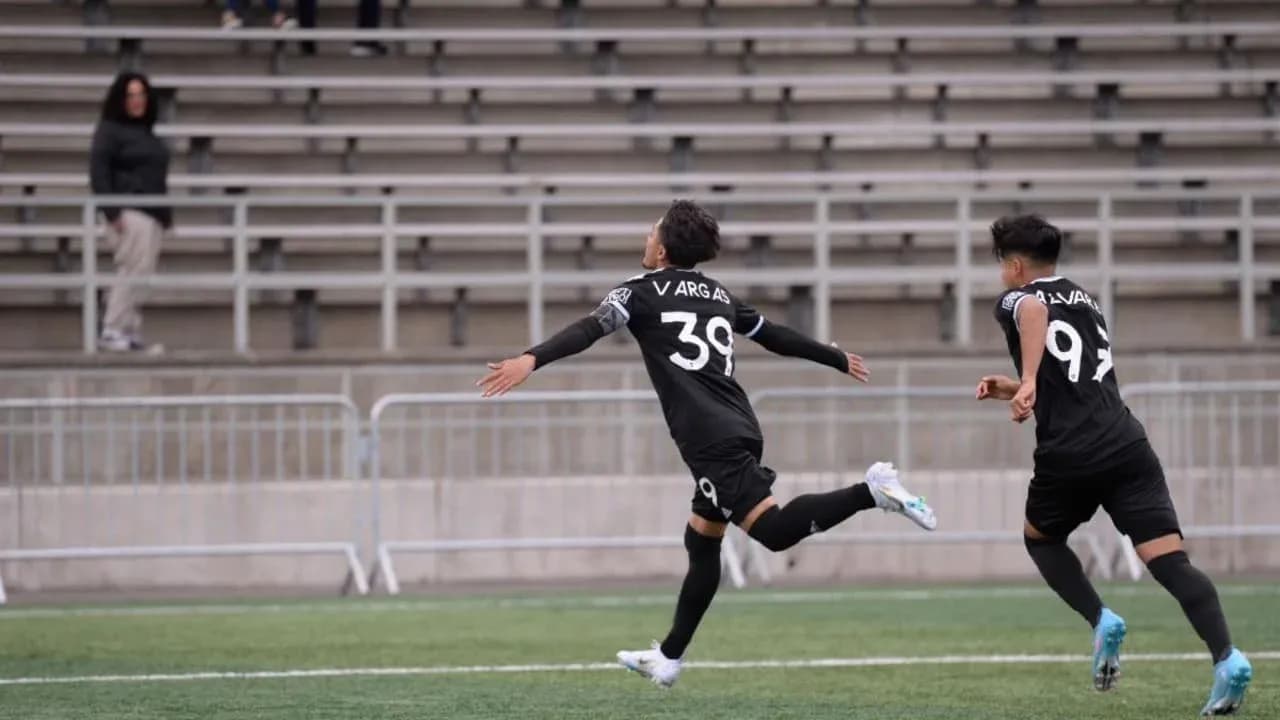
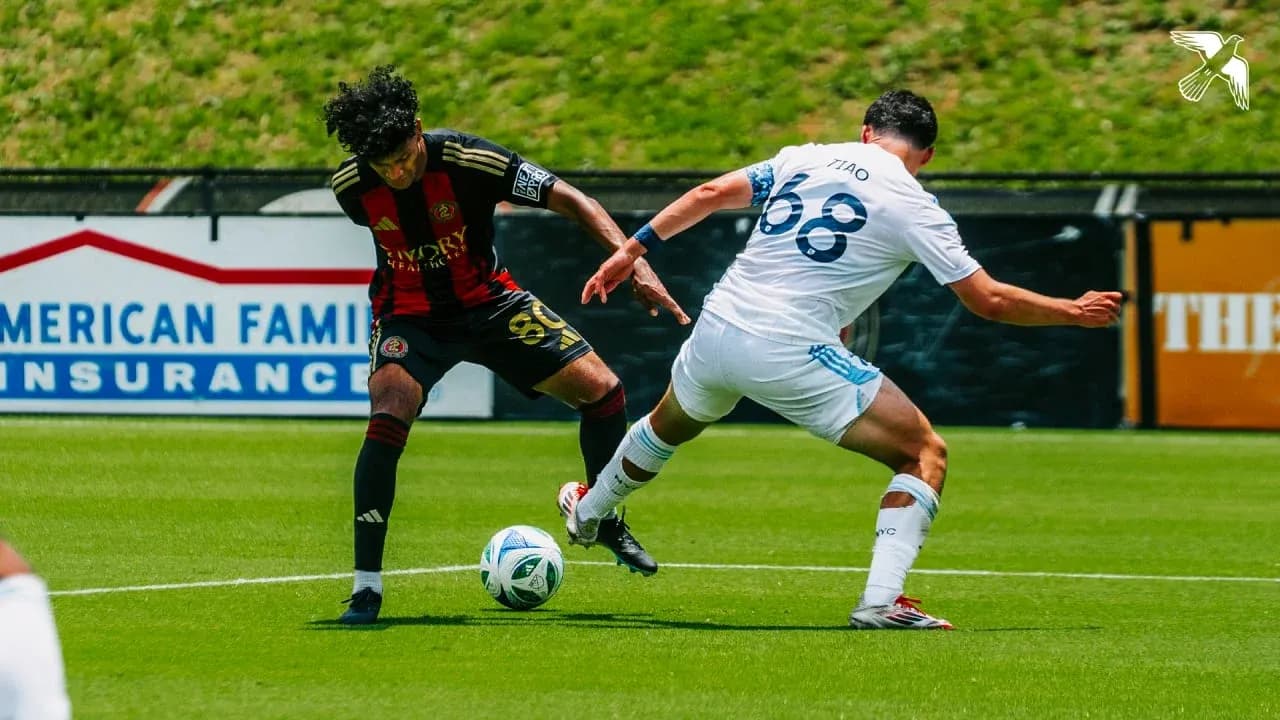
Under the lights at Parmer Filed, Austin II’s 4–1 dismantling of St. Louis City II felt less like a routine group-stage win and more like a statement from a side quietly sharpening itself for the business end of the MLS Next Pro season. In a league defined by volatility and developmental flux, this was a performance that fused form, structure, and mentality.
Heading into this game, the numbers already hinted at a clash of heavyweights. Austin II sat 3rd in the Eastern Conference with 22 points and a goal difference of 10, built on 7 wins from 10 and a perfect record on their travels. At home they had been more erratic: 3 wins and 3 losses from 6, with 13 goals scored and 8 conceded. St. Louis City II arrived ranked 2nd in the Eastern Conference, on 23 points and a goal difference of 6, their season shaped by a blistering 8‑match winning streak before a recent three‑game wobble. Their attack was among the most potent in the league: overall 24 goals at an average of 2.2 per match, with a particular surge between 46–60 minutes (27.27% of their goals) and another wave late from 76–90 (22.73%).
The twist was that Austin II’s season-long defensive profile did not look like that of a side about to suffocate such an attack. Overall they had conceded 11 goals at 1.1 per game, but at home that rose to 1.7, with only 2 clean sheets in 6. Yet the collective form line—LLWWLWWWWW—suggested a group that had learned on the job and arrived here on a five‑game winning run, hardened rather than fragile.
I. The Big Picture: How the Game Fit the Season’s Story
The 4–1 scoreline in regular time confirmed both Austin II’s attacking growth and St. Louis City II’s emerging structural cracks. Austin’s season-long attacking metrics already looked solid: overall 20 goals at 2.0 per match, with 2.2 at home and 1.8 on their travels. This match sat perfectly in that pattern: another multi‑goal home outing, another demonstration that when they get momentum at Parmer Filed, they can overwhelm visitors.
For St. Louis City II, the defeat aligned uncomfortably with their defensive minute distribution. Heading into this game they conceded 1.5 goals per match overall, with a glaring vulnerability between 61–75 minutes, when 43.75% of their goals against arrived. Against a side like Austin II, who sustain pressure across the middle third of games, that fragility was always going to be tested.
II. Tactical Voids and Discipline: Edges in the Margins
There were no explicit absences listed, so both coaches effectively had their core groups available. That made selection choices more revealing.
Austin II’s starting XI—E. Lauta, D. Ciesla, E. Watt, J. Bery, P. Cayelli, J. Alastuey, D. Barro, E. Torres, M. Burton, V. Danciutiu, and L. Feliciano—was built for verticality and aggression. This is a side that, across the season, has never failed to score, both at home and on their travels. The bench, with options like L. Flynn, K. Hot, D. Dobruna, M. Ruszel, I. Sall, D. Abarca, N. Che, and S. Dobrijevic, gave them the ability to refresh legs without sacrificing intensity.
Disciplinarily, Austin II are an active, sometimes edgy side. Their yellow cards are spread across the 90 minutes, with notable spikes from 31–45 and 46–60 (both at 19.23%), and a late red‑card incident previously arriving in the 76–90 window. That profile speaks to a team that defends on the front foot and is willing to foul to break rhythm. Against St. Louis City II, that edge likely helped them disrupt the visitors’ preferred transition phases.
St. Louis City II’s card data paints a different picture: a side that accumulates yellows heavily from 31–75 minutes (three equal bands at 26.09%) and has already suffered red cards between 46–60 and 61–75. When fatigue bites and games become stretched, they can tip from assertive to reckless. In a match where they were chasing the game after going 2–0 down by half‑time, that volatility would only increase the risk of structural collapse.
III. Key Matchups: Hunter vs Shield, Engine Room vs Enforcer
Without individual scoring charts, the “Hunter vs Shield” battle is best understood collectively. St. Louis City II’s attack, with 24 goals and an away average of 1.6, is at its most dangerous immediately after the interval and in the closing quarter‑hour. Austin II’s “shield” has been more secure on their travels, but at home they still concede 1.7 per game. The question was whether Austin’s back line—anchored by figures like E. Watt and J. Bery—could hold their nerve when St. Louis’s waves arrived.
The answer, framed by the 4–1 result, was emphatic. By reaching half‑time 2–0 up, Austin II forced St. Louis City II to open up just as their own defensive weaknesses historically emerge between 61–75 minutes. Instead of St. Louis exploiting that window, it was Austin who doubled down, leaning on the work of midfielders like J. Alastuey and D. Barro to control the tempo, while wide and forward players such as E. Torres, M. Burton, V. Danciutiu, and L. Feliciano stretched the game vertically.
In the “Engine Room” duel, St. Louis City II’s midfield—featuring P. McDonald, J. Wagoner, S. Paris, and Y. Ota—typically drives their high‑tempo surges that produce those 46–60 minute goals. But with Austin II’s season-long record of 5 clean sheets and a penalty unit that has converted 2 of 2 spot‑kicks, the hosts had both the composure and the set‑piece threat to tilt key moments their way.
IV. Statistical Prognosis and Tactical Verdict
Following this result, the underlying trends harden rather than blur. Austin II look increasingly like a playoff‑calibre side whose attack travels and whose home volatility is being replaced by authority. Their overall averages—2.0 goals for and 1.1 against—support a positive xG differential profile, and the 4–1 scoreline fits that upward curve.
St. Louis City II remain an elite attacking outfit, but the warning lights on their defensive dashboard are bright. Conceding 17 goals overall at 1.5 per match, with nearly half of those arriving between 61–75 minutes, suggests an xG‑against profile that is too high for a team with promotion ambitions. Their ability to blow teams away early has masked those issues; against a confident, in‑form opponent like Austin II, the mask slipped.
Tactically, this match underlined a simple truth: Austin II’s collective structure, depth, and game‑management now match their raw attacking numbers. In a playoff context, where one bad 15‑minute spell can end a season, that balance between “hunter” and “shield” is precisely what separates contenders from mere entertainers.