Steve McMichael's CTE Diagnosis Raises Questions on NFL Safety
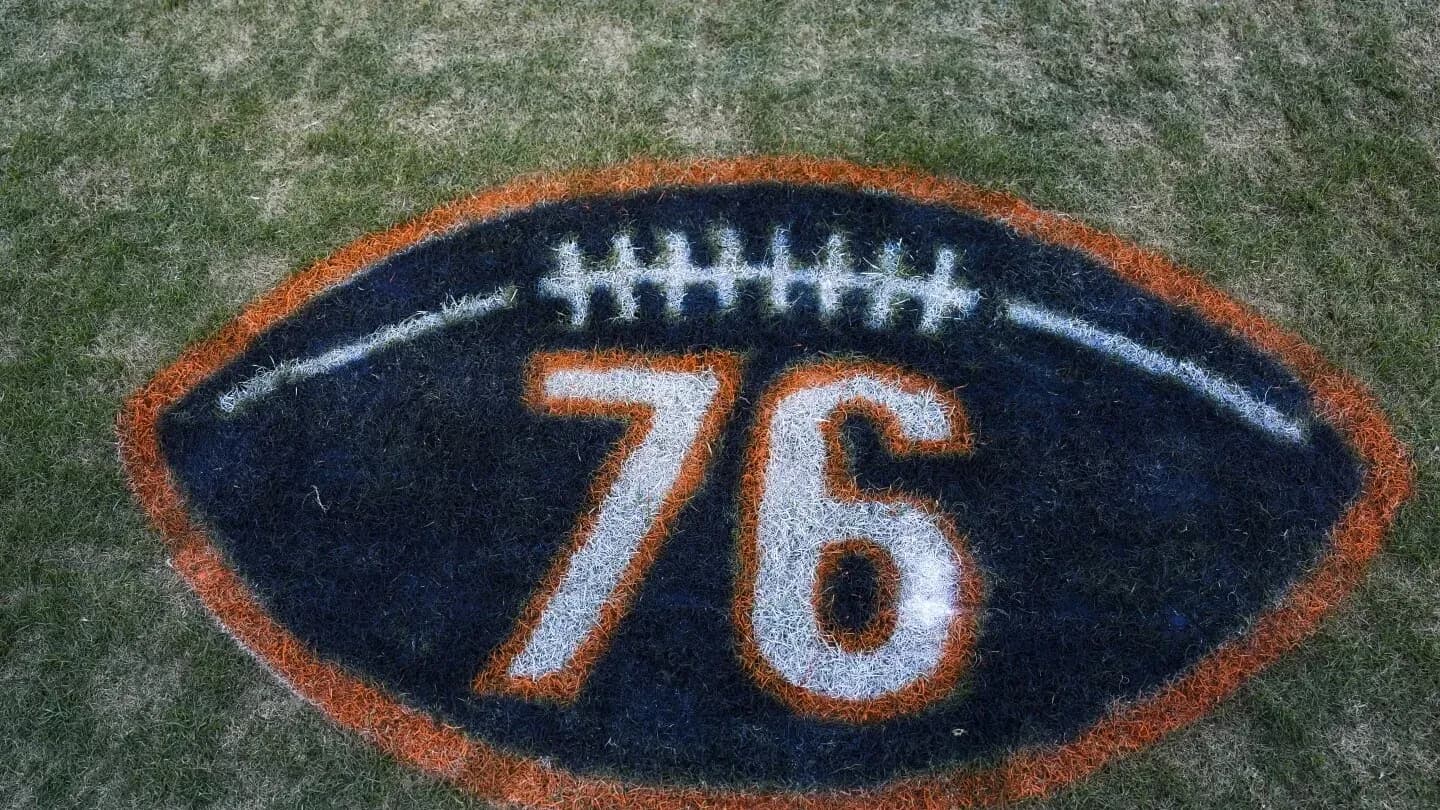
Steve McMichael took on double-teams for a living. On Tuesday, the public learned what that life in the trenches ultimately cost him.
The Concussion & CTE Foundation announced that the Hall of Fame defensive tackle had Stage 3 chronic traumatic encephalopathy, one step below the most severe form of the disease. McMichael died in April 2025 at 67. The diagnosis came later, from the brain he left behind.
His wife, Misty, made sure the news did not arrive quietly.
“By sharing Steve’s diagnosis, we want to raise awareness of the clear connection between CTE and ALS,” she said in a statement. “Too many NFL players are developing ALS during life and diagnosed with CTE after death. I donated Steve’s brain to inspire new research into the link between them.”
Her words cut straight to the heart of the league’s most unsettling question: what, exactly, is football doing to the men who play it?
A brutal legacy, and unanswered questions
Over the past decade and a half, the NFL has been forced to confront that question. Under pressure from Congress and a growing stack of medical evidence, the league finally acknowledged the long-term dangers of concussions. Kickoffs changed. Hits to the head drew flags and fines. Independent spotters entered the booth. The rulebook bent in an attempt to protect the brain.
Yet the autopsies kept coming. Again and again, former players who had donated their brains were found to have CTE.
The science still lags behind the headlines. Doctors know what CTE looks like under a microscope, but they cannot yet fully explain what it means for every player who has it. Symptoms vary. Timelines differ. Families often connect the dots only after a loved one is gone.
One link, though, has grown harder to ignore.
A 2021 study led by researchers at Harvard Medical School and the Boston University CTE Center found that NFL players are more than four times more likely to develop ALS than men in the general population. Four times. That number hangs over every locker room, every offensive and defensive line, every family watching a loved one grow older after football.
Has the game really changed?
The NFL has rewritten large portions of its safety playbook since 2009. But has it changed the right things?
Concussion protocols target the big, obvious collisions. The knockout shots. The staggering players. The helmet-to-helmet hits that make the highlight shows and spark debate for days.
The more insidious damage may come from the blows nobody notices.
Subconcussive hits — the smaller, repetitive impacts that linemen absorb on nearly every snap — remain baked into the sport. No rule change has erased them. No tweak to the kickoff has altered what happens when 300-pound men fire out of three-point stances and slam their helmets together at the line of scrimmage.
John Madden once floated a radical idea: get rid of the three-point stance and force linemen to play from a two-point position, reducing the head-first collisions that start every play. The sport listened, briefly, then moved on. The stance stayed. The collisions stayed with it.
So the central mystery lingers. Have the modern rule changes actually lowered the long-term risk of CTE and ALS? Or have they simply made the most violent sport in America look a little cleaner on television?
Waiting for the test that changes everything
Right now, CTE remains a diagnosis made almost entirely after death. Families donate brains. Pathologists confirm what wives, children, and teammates suspected for years. The story ends in a lab.
The story changes the moment doctors can reliably test for CTE in the living.
That is the watershed the sport is creeping toward. A scan. A blood test. Any tool that can tell a current player, with confidence: you have it.
What happens then?
If a 27-year-old starter learns he already has CTE, does he keep playing? Does a team keep putting him on the field? Does the league brace for a wave of early retirements, lawsuits, and existential questions about the game’s future?
Rule changes to protect quarterbacks and receivers are one thing. A fundamental reshaping of tackle football itself is another. Somewhere between traditional tackle and flag football lies a hybrid that might one day be necessary, not just experimental. The sport has not reached that line yet. It may be inching toward it.
A divided era
For players who came through the league before 2010, the verdict feels grim.
Within the sport, there is a quiet, often resigned assumption: most, if not all, of those veterans carry some degree of CTE. They played in an era when big hits were celebrated, smelling salts were standard, and “getting your bell rung” was a joke, not a medical event. They cannot go back and unplay those snaps.
The question now shifts to the generations that followed.
Did the reforms arrive in time for the players who entered the NFL after the concussion crisis exploded into public view? Are today’s linemen, linebackers, and safeties still walking the same path as McMichael and his peers? Or has the risk curve finally started to bend?
The uncertainty stretches even further down the ladder. Youth leagues. High schools. Colleges. The first time a child straps on a helmet and learns to block and tackle, the clock may start. No one can yet say how early the damage begins, or how much is too much.
For the men who already paid the price, nothing will change. The damage is done. Their diagnoses now serve as warnings, data points, and, in the case of Steve McMichael, a call to arms from a family determined to turn private pain into public knowledge.
The next verdict belongs to the modern player. Once the risks are fully mapped and the tests arrive, will they still decide that football — in its current form — is worth the cost?