Manchester United's Midseason Camp: Martínez and Dorgu Return
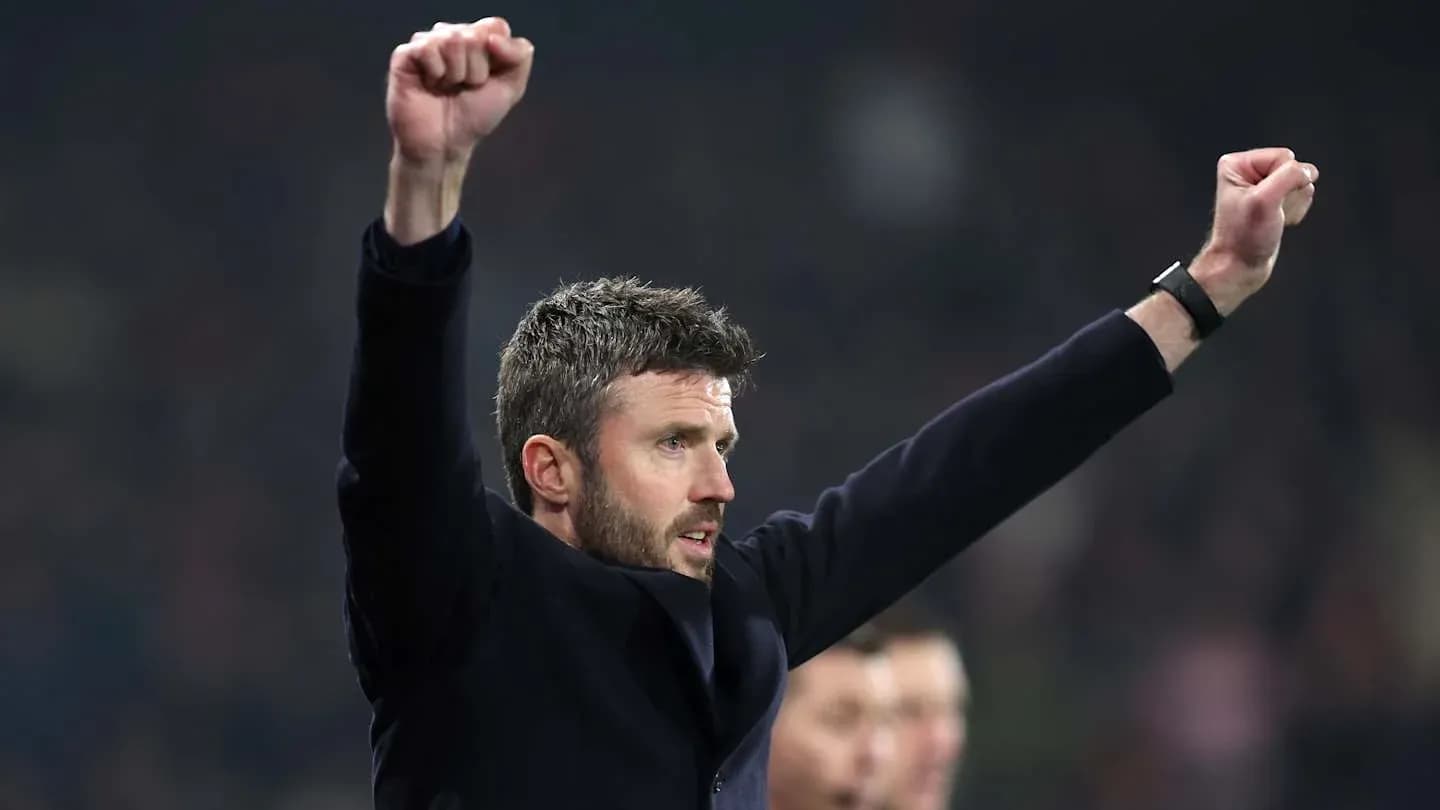
Manchester United have slipped out of the spotlight and into the Irish countryside this week, but this is no spring getaway. Michael Carrick has taken a 25-man squad across the water for what the club are calling an “intensive” midseason camp, and the names on the plane say plenty about how United plan to finish the season.
The headline? Lisandro Martínez is back in the thick of it. So is Patrick Dorgu.
For an interim manager trying to steer a thin squad through the final stretch, those two feel like reinforcements arriving just in time.
Martínez and Dorgu step back into the frame
Martínez has endured a brutal spell. An ACL tear wiped out most of his 2025 calendar year, and just as he began to re-establish himself, a calf problem in the draw with West Ham United on February 10 stopped him again. United have missed his aggression, his left foot, his authority.
Now he’s in Ireland, training with the group, and that alone changes the mood around Carrick’s defence.
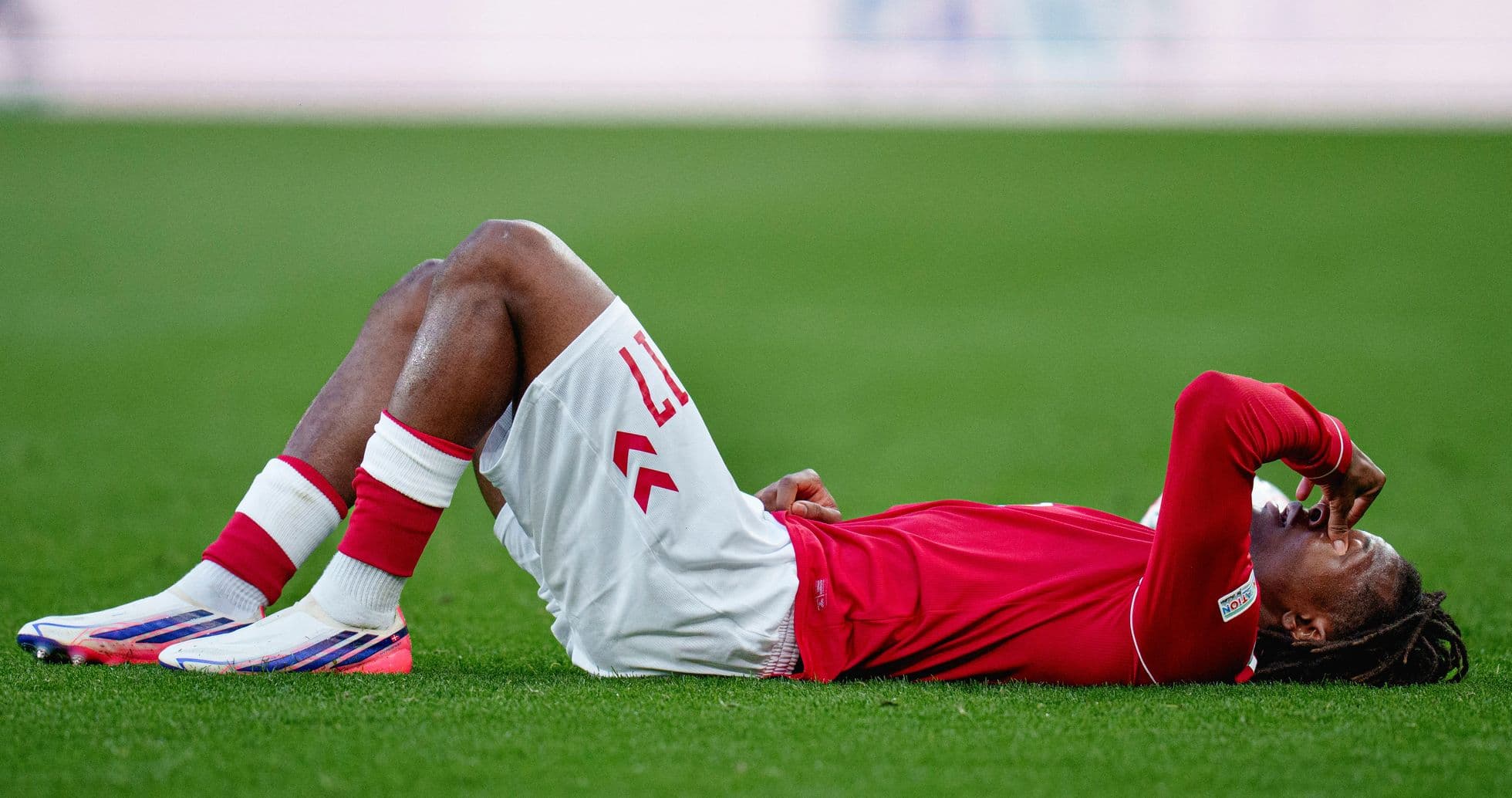
Dorgu’s absence has been even more disruptive. The Denmark international limped off in January’s win over Arsenal with a hamstring injury, ruling him out of the last eight Premier League games. It cut short what looked like a breakout under Carrick.
Shifted higher up the pitch into a more advanced wide forward role, Dorgu had become one of the defining features of the new regime. He scored in back‑to‑back landmark wins over Manchester City and Arsenal, stretching defences, running at full-backs, and giving United an outlet on a flank where they lack a natural alternative. When he pulled up, it felt like someone had yanked the plug on one of United’s most promising attacking patterns.
He is now back training on grass and, crucially, embedded in this camp. For United, this week is not just about fitness; it’s about re‑integrating a player they had started to build around.
Dalot ill, De Ligt still missing
Not everyone made the trip.
Diogo Dalot, who has quietly become one of the most reliable names on the team sheet, has stayed in Manchester through illness. The Portugal international has featured in every United game since returning from a minor injury in September, starting the vast majority. His absence underlines how unusual this week is: United are so rarely in a position to rest a near ever-present.
Veteran goalkeeper Tom Heaton is also out of the camp with illness.
Matthijs de Ligt, meanwhile, remains sidelined. The Dutch defender has been out with a back injury since the start of December and, according to BBC Sport, has not yet resumed “meaningful” training. For Carrick, that reads like a problem that will not solve itself quickly. De Ligt is not in Ireland, and there is no suggestion his return is imminent.
A different-looking 25
The squad list reflects both United’s injury picture and the demands on the academy.
United’s U21s are in the Premier League International Cup, facing Real Madrid Castilla in a quarterfinal on Tuesday. That explains why familiar youth names such as Jack Fletcher, Tyler Fletcher, Tyler Fredricson, Chido Obi and Shea Lacey are nowhere near this camp. They have their own knockout tie to navigate.
Instead, a different crop of youngsters has been drafted in around the senior core.
The goalkeeping group features Altay Bayındır, Senne Lammens, Dermot Mee and Fred Heath. In defence, Carrick has Noussair Mazraoui, Harry Maguire, Martínez, Tyrell Malacia, Dorgu, Leny Yoro, Luke Shaw, Ayden Heaven and Yuel Helafu to work with.
Midfield looks well stocked: Mason Mount, Bruno Fernandes, Casemiro, Manuel Ugarte, Kobbie Mainoo and Jim Thwaites all travel. Up front, the options are Matheus Cunha, Joshua Zirkzee, Amad Diallo, Bryan Mbeumo, Benjamin Šeško and Victor Musa.
It’s a group that mixes experience, recent signings and academy promise, and it gives Carrick enough bodies to simulate competitive match scenarios across the week.
Why April, and why now?
The obvious question is why a club of United’s size are free to disappear to Ireland in April at all.
The answer is stark: because the calendar allows it.
This season has been stripped bare. No European football. Early exits from both the Carabao Cup and FA Cup. The result is a 40‑game campaign, the fewest fixtures the club has faced since 1914–15. For a modern superclub used to juggling three matches a week, the emptiness is jarring.
United’s last outing was a 2–2 draw with Bournemouth in the Premier League on Friday, March 20. An international break followed immediately. Then came a blank weekend in the league schedule as the FA Cup quarterfinals took centre stage.
Their next match is not until Monday, April 13, when Leeds United visit Old Trafford.
That gap can be a blessing for tired legs, but it can dull a team’s edge. Match sharpness fades. Rhythm slips. Training alone rarely replicates the chaos and intensity of a real game.
That is why the club have stressed the “intensive” nature of this camp. This is not about rest. It is about recreating the demands of competition: high-tempo sessions, tactical drills, internal games that force players to think and react at match speed. For Carrick, it is a rare luxury – a full week to reset, refine and reload without the distraction of an imminent fixture.
Champions League in sight
The stakes are clear enough.
United sit third in the Premier League and hold a strong position in the race for next season’s Champions League. Lose sharpness now, and that grip loosens. Use this period well, and they can turn a quiet April into the launchpad for a decisive May.
Martínez tightening up the back line. Dorgu restoring balance and threat on the flank. Senior stars sharpening combinations. Youngsters pushing standards in training.
For once, Manchester United have time on their side. What they do with it will help decide whether this season ends as a platform for revival or another story of what might have been.