Paul Scholes is rarely dull with a microphone in front of him, but this time he lit the fuse properly.
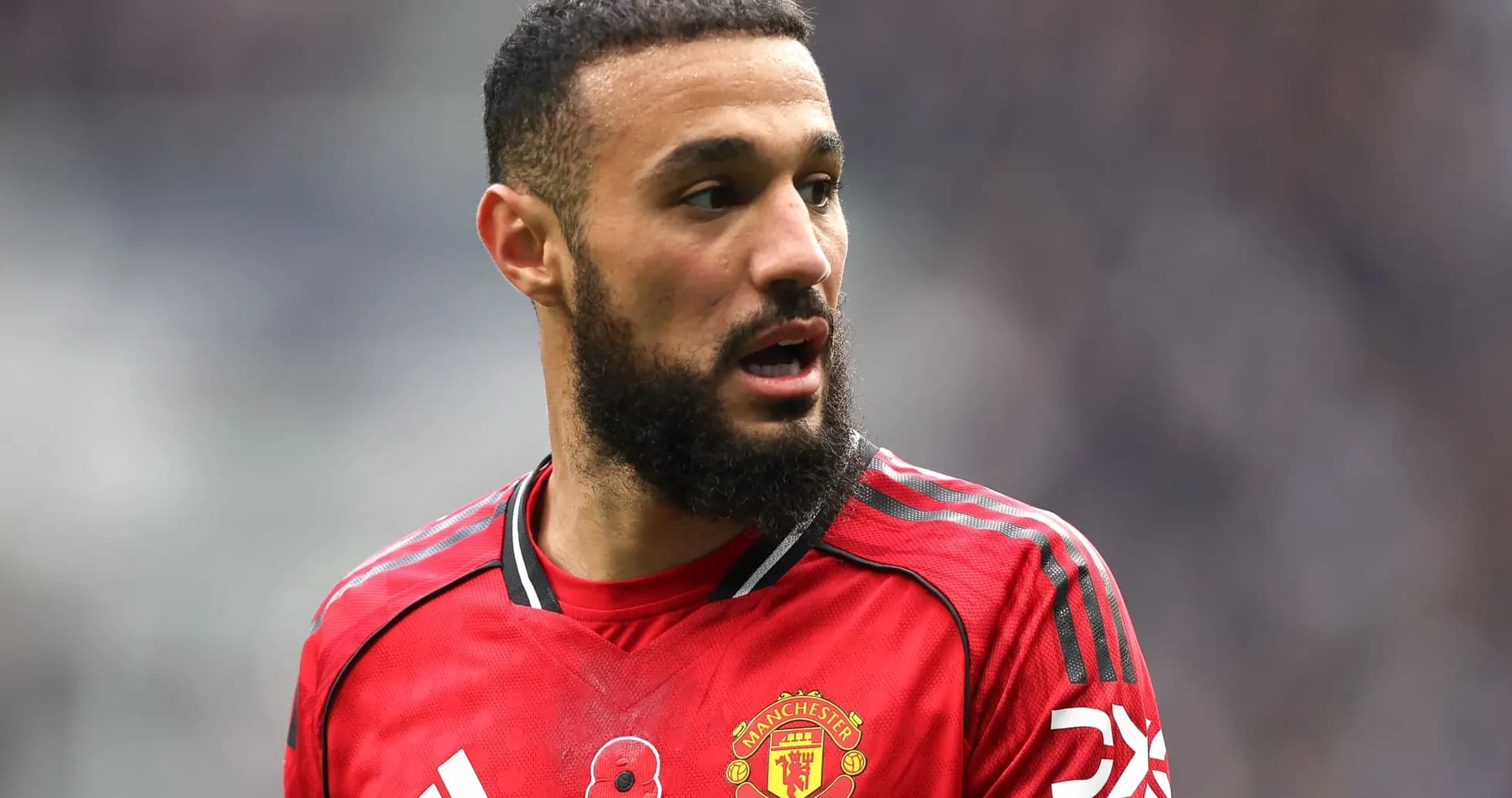
The Manchester United great has warned of a looming “footballing bloodbath” at Old Trafford this summer, and he did not spare big names. Among those he believes should be moved on is Moroccan international Nasser Mazraoui, a player still trying to nail down a clear role in a squad suddenly reborn under Michael Carrick.
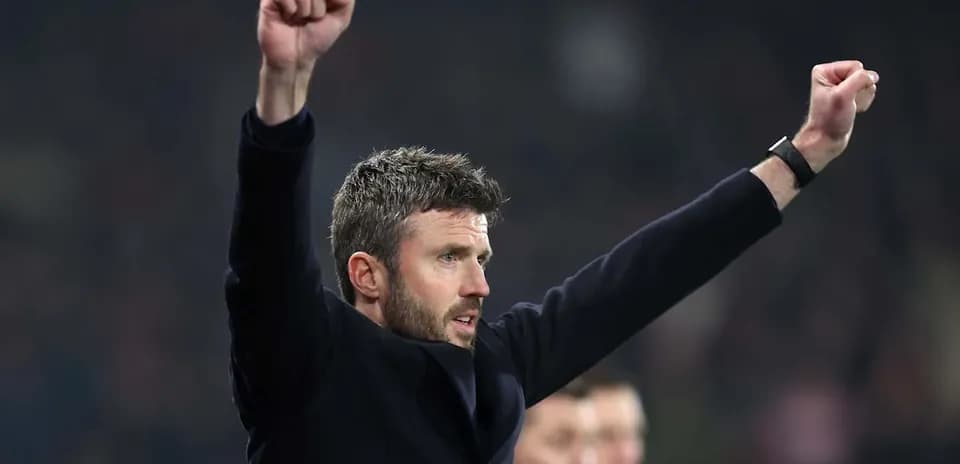
United, under their interim manager, have surged to third in the Premier League. Champions League football, which felt distant not long ago, now looks within reach. Carrick has steadied the dressing room, tightened the structure, and given the club a sense of direction.
Scholes, though, sees a very different kind of summer on the horizon.
Mazraoui in the crosshairs
Speaking on the podcast “The Good, The Bad & The Football”, Scholes cut through the usual politeness. When it came to Mazraoui, there was no ambiguity.
The Moroccan has offered tactical flexibility since arriving, shuttling between roles and even operating as a right-sided centre-back. For Scholes, that versatility has become a problem rather than a strength. In his eyes, the lack of a defined position clashes with what United need if they are serious about chasing the very top.
“I don’t know exactly where his position is; he has been used as a right-sided centre-back at times. I don’t think he fits the team’s current system, and perhaps it is time for him to leave to make way for more specialised options,” he said.
The message was blunt: United, in Scholes’ mind, should not be a home for utility men. They should be built on specialists, on players who dominate their zone of the pitch without debate.
That view folds into a wider vision. Those close to the situation see in Scholes’ comments a clear preference for a defence built on raw physical power and relentless pace. He wants a back line that can live on the halfway line, that does not creak under pressure or rely on compromise.
It is why Mazraoui is not the only defender he would push towards the exit.
Eight on the chopping block
Once Scholes started, he did not stop at one or two changes. He outlined a sweeping overhaul, a list of departures he believes is necessary if United are to compete seriously for the Premier League and Champions League.
In defence, he named Mazraoui alongside Harry Maguire, Lennie Yoro, Patrick Dorgu and Luke Shaw. Maguire has recently renewed his contract, but that did not spare him from Scholes’ criticism. Shaw, meanwhile, was flagged not for lack of talent but for the constant injuries that have stripped United of continuity on the left side.
The cull extended into midfield and attack. Casemiro, who has already confirmed he will be leaving, featured on the list. So did Mason Mount, Manuel Ugarte and Joshua Zirkzee.
Eight players. Different profiles, different stories, one conclusion from Scholes: not enough to carry United to the level he demands.
For a club currently riding a wave under Carrick, the contrast is stark. On the pitch, results suggest a team on the rise. In Scholes’ mind, the foundations still need ripping up.
A new anchor in goal
Not every part of his assessment was brutal. At the other end of the pitch, Scholes reserved special praise for young goalkeeper Sene Lamin, whom he credited as a key reason for United’s newfound stability.
After a turbulent period with André Onana between the posts, Lamin’s emergence has, in Scholes’ view, changed the mood and the margin for error. A reliable goalkeeper does not just make saves; he calms defenders, sharpens concentration and allows a team to hold its nerve in tight moments. Scholes clearly sees Lamin as that kind of presence.
At centre-back, he singled out Matthijs de Ligt as a cornerstone worth building around. For Scholes, the Dutchman represents the future of United’s defence in a way Maguire no longer does. De Ligt, he believes, should be the pillar, the reference point for whatever new-look back line emerges from the summer clear-out he is calling for.
Carrick’s revival has given Old Trafford something it has craved for years: hope tied to a recognisable style. Scholes’ words cut across that optimism with a harsher truth as he sees it. Results may be improving, but he wants the squad stripped back, streamlined, and rebuilt around a more ruthless core.
If the club listens, this will not be a gentle evolution. It will be exactly what he promised: a bloodbath. The only question now is how many inside Old Trafford share his appetite for it.