Hansi Flick's Challenge for Barcelona Against Atletico Madrid
Hansi Flick knows style alone will not carry Barcelona through a Champions League night against Atletico Madrid. Not with Diego Simeone’s wide players circling like vultures on the flanks.
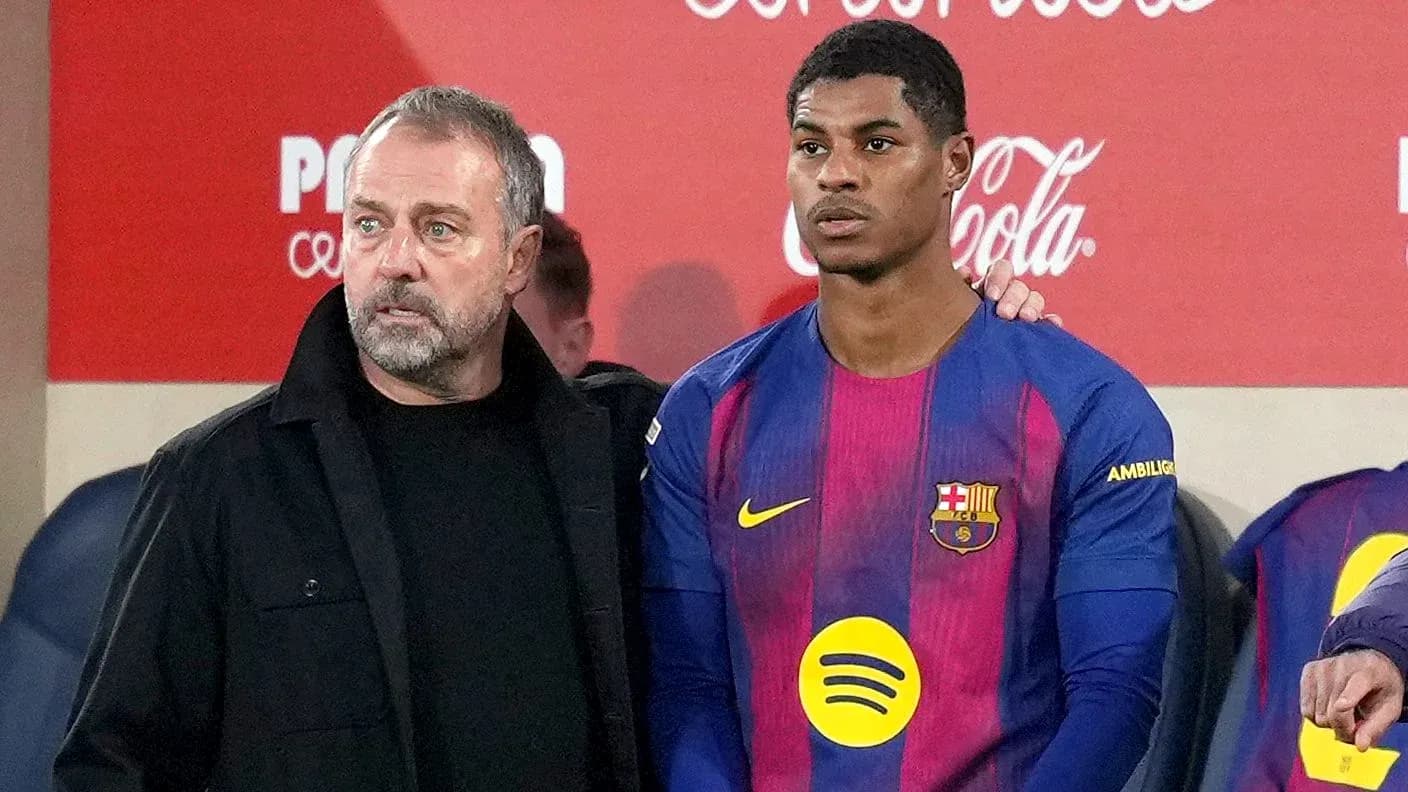
So while he praised Marcus Rashford’s smooth adaptation to life at Barca, the message before kick-off came with a sharp edge: talent is non-negotiable, but work rate is compulsory.
“It’s not just about pressing with the ball; in the end, you also have to defend,” Flick warned when asked about Rashford in his pre-match press conference.
The compliment came wrapped in a challenge. Rashford has “adapted” and is “doing things well,” the coach insisted, but Atletico’s threat out wide demands something more ruthless.
Atleti’s wingers do not just stretch the pitch; they drag full-backs into places they do not want to go and punish any lapse in collective responsibility. Flick made it clear his forwards will be judged as much on what they do without the ball as on any flourish in the final third. Anything less than total buy-in, and Barca’s back line could be left horribly exposed.
“We’re going to play against Atletico, and they are good down the wings,” he said, a simple line that carried the weight of experience.
He has seen what happens when his team’s press drops by even a fraction.
The reminder came recently. Barcelona switched off, the pressure on the ball vanished, and the punishment was immediate.
“When we don't press, it's easier for the opponent to find space,” Flick pointed out. “We saw that with the first goal; we didn't pressure the ball.” One moment of hesitation, one broken chain in the press, and the whole structure cracked. At Champions League level, those cracks become chasms.
This is why Flick keeps circling back to the same idea: Barca’s style is non-negotiable, but so is the intensity required to sustain it.
“We have our style and we know how we want to play,” he said. The identity is clear. The margin for error is not. “Now we're talking about the Champions League, it's a fantastic competition that everyone wants to play in.”
The tone suggested privilege and warning in equal measure. The lights are brighter here. So is the scrutiny.
That sense of urgency has been sharpened by domestic pain. Flick did not hide from the 2-1 La Liga defeat to Girona in mid-February. Instead, he framed it as a line in the sand.
“After the match against Girona, we played at a better level,” he reflected. The loss hurt, but it forced a response. The young core had to grow up quickly, especially at the heart of the defence.
“Our team is very young,” he continued. “The two center-backs, [Pau] Cubarsí and Gerard [Martin], are doing a fantastic job, but it's normal that in some situations they don't make the right decision. They are young, and adapting to this level is difficult to see.”
That is the tension running through this Barcelona side. On one hand, the excitement of raw talent: Cubarsí and Martin stepping into a role that usually belongs to seasoned internationals, Rashford reshaping the attack with his pace and directness. On the other, the reality that the Champions League exposes every hesitation, every misread, every half-second delay in a press.
Flick is trying to weld those pieces together. A high-risk, high-possession style. A very young spine. A marquee forward still learning the defensive demands of his new coach. And an Atletico team waiting to pounce on any weakness out wide.
For Barcelona’s manager, the equation is brutally simple: if the front line works, the back line survives. If the press breaks, the project gets tested under the harshest light Europe can offer.