Racing Louisville vs Denver Summit: A Tactical Showdown
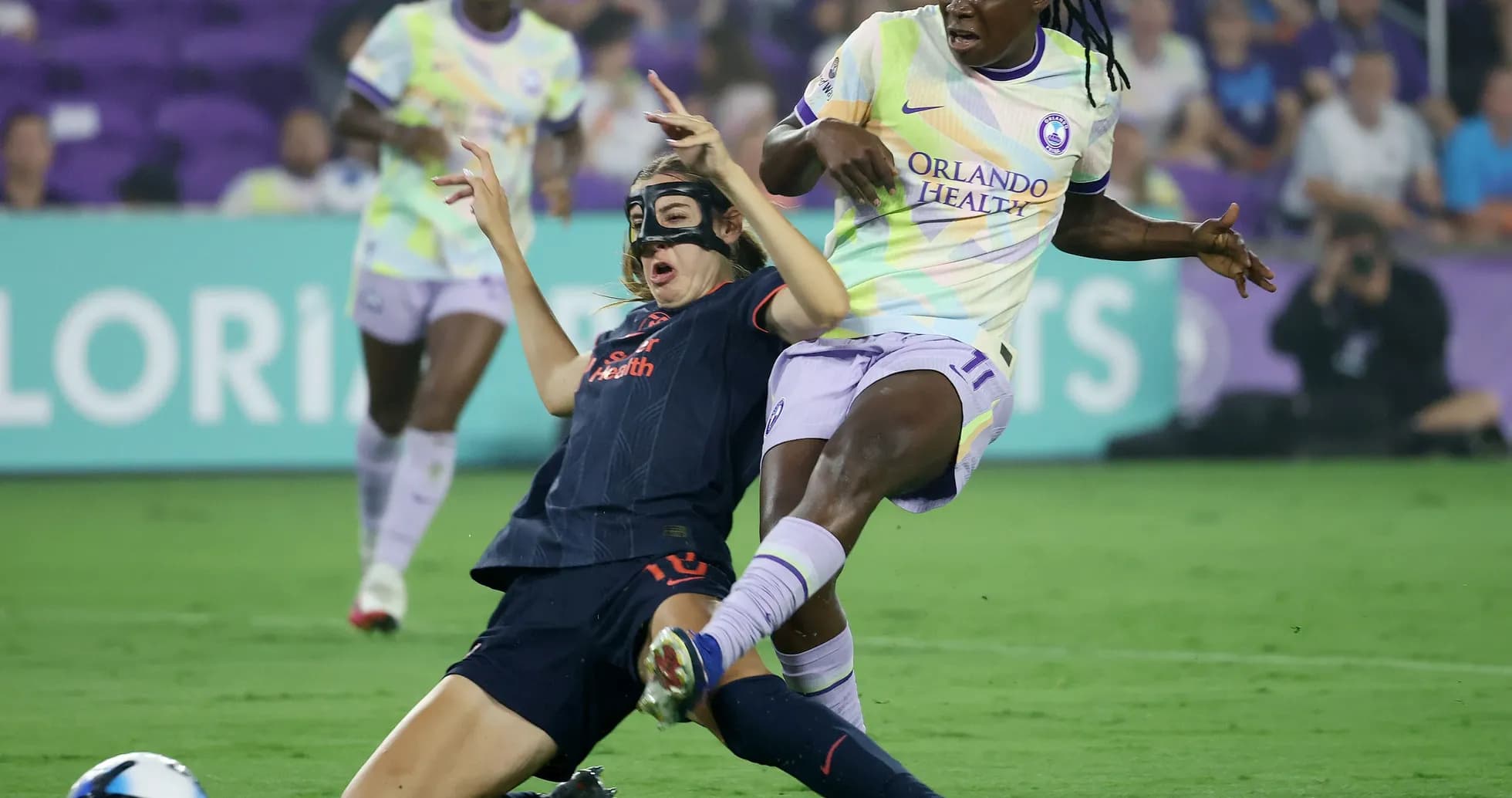
Under the Friday night lights at Lynn Family Stadium, Racing Louisville W and Denver Summit W met in a Group Stage fixture that felt like a crossroads for both clubs. Ninety minutes later, the scoreboard told a stark story: Racing Louisville 0, Denver Summit 1. For the league’s bottom side, rooted in 16th with 7 points and a goal difference of -5 heading into this game, it was another reminder of a season defined by narrow margins and missed moments. For Denver, arriving in Kentucky in 8th place on 15 points with a positive goal difference of 4, it was a professional away performance that reinforced their playoff credentials.
Both sides mirrored each other structurally in a 4-2-3-1, but the systems carried very different emotional weight. Beverly Yanez’s Racing side came in with just 2 wins from 11 league matches overall, conceding 20 and scoring 15. At home, though, there had been a semblance of resilience: 2 wins, 1 draw, 2 defeats, with 9 goals scored and 8 conceded, an average of 1.8 goals for and 1.6 against at Lynn Family Stadium. On their travels, Denver had been quietly efficient: 3 wins, 2 draws, 3 defeats from 8 away fixtures, with 12 goals scored and 9 conceded, averaging 1.5 goals for and 1.1 against away from home.
I. The Big Picture: Structure and Seasonal DNA
Racing’s XI told a story of continuity and an attempt to stabilize. Madison Prohaska started in goal behind a back four of Quincy McMahon, Courtney Petersen, Arin Wright and Lauren Milliet. In front of them, Katie O’Kane and Taylor Flint formed the double pivot, with a fluid band of three – Makenna Morris, Kayla Fischer and Emma Sears – tasked with linking to lone forward Maja Lardner.
The shape aligned with Racing’s season-long tactical identity: 4-2-3-1 has been their base in 10 of 11 league matches, a structure that promises control but has rarely delivered defensive security. Overall, they concede 1.8 goals per game, and crucially, they have yet to keep a single clean sheet at home or away this campaign.
Denver answered with their own 4-2-3-1, but with a more balanced, hardened edge. Abby Smith anchored the side in goal. The back four of Ayo Oke, Eva Gaetino, Kaleigh Kurtz and Janine Sonis brought both athleticism and aerial presence. Devin Lynch and Delanie Sheehan sat as the double pivot, with a creative trio of Yazmeen Ryan, Klara Melissa Kössler and Yuzuki Yamamoto supporting striker Olivia Thomas.
This was only officially logged as Denver’s first use of 4-2-3-1 in the season’s lineup data, but the underlying numbers suggested a team already comfortable in a compact, mid-block identity: just 13 goals conceded overall across 11 games, an average of 1.2 per match, with 4 clean sheets in total and 3 of those coming away from home.
II. Tactical Voids and Discipline
Injury data was unavailable, so the absences were implied rather than explicit. For Racing, the most glaring void was less about personnel and more about profile: no true penalty-box predator to convert the work of Sears and Fischer. Despite having scored 15 overall this season, they have failed to score in 3 matches, and the lack of a ruthless finisher again hung over this contest.
Disciplinary trends shaped the tempo. Heading into this game, Racing’s yellow-card profile showed a spread of cautions, with a notable 28.57% of their bookings arriving between 46-60 minutes and a late spike of 21.43% between 91-105 minutes. That pattern hints at a side that struggles to control transitions after half-time and often chases games into stoppage time.
Denver’s yellow-card curve was even more telling: 45.45% of their cautions came in the 46-60 minute window, with another 18.18% between 76-90 and 18.18% from 91-105. They are a team that tightens the screws after the break, often at the cost of cards, and then leans on tactical fouls to manage leads. Add in a red card already this season for Janine Beckie, and you see a side willing to flirt with the disciplinary line to protect their structure.
III. Key Matchups: Hunter vs Shield, Engine Room vs Enforcer
The “Hunter vs Shield” duel centered less on a single Racing scorer – no Louisville player appears among the league’s top scorers – and more on their collective attacking band against Denver’s defensive core. At home, Racing’s 9 goals from 5 matches (1.8 per game) suggested they could trouble anyone. But Denver’s away record – just 9 goals conceded in 8 away fixtures, with 3 clean sheets – framed this as Racing’s fluid front four against a disciplined rearguard.
Kurtz was the emblem of that shield. She arrived with 3 yellow cards this season but also with 589 completed passes at 90% accuracy, 13 blocked shots and 15 interceptions. She is not just a stopper; she is Denver’s first playmaker from the back, breaking lines and resetting possession. Every time Lardner tried to pin the center-backs, she was wrestling with a defender who both reads space and dominates aerial duels.
In the “Engine Room”, the duel was more direct: Yazmeen Ryan and Natasha Flint’s creative weight for Denver against Racing’s own midfield heartbeat. Ryan came into the match as one of the league’s top assist providers, with 3 assists and 2 goals, 21 key passes and 27 dribble attempts, 8 of them successful. She is the connector between lines, the player who turns Denver’s mid-block recoveries into vertical surges.
Flint, Denver’s leading scorer with 3 goals and 2 assists, adds a more direct threat from midfield, with 12 shots and 5 on target, and a combative edge: 12 fouls committed, 10 drawn, and 3 yellow cards. She is both creator and disruptor.
Opposite them, Racing leaned heavily on Sears and Fischer. Sears, with 1 goal and 3 assists, has produced 9 key passes and 10 shots (6 on target) this season, while also working tirelessly without the ball – 17 tackles and 12 interceptions. Fischer, with 2 goals and 2 assists, has attempted 30 dribbles (13 successful) and drawn 18 fouls, often carrying Racing up the pitch single-handedly.
This match crystallized that contrast: Denver’s creators operating with structure and support, Racing’s relying on individual bursts to break lines.
IV. Statistical Prognosis and Tactical Verdict
Even without explicit xG numbers, the season’s data points to a clear narrative. Heading into this game, Racing’s overall average of 1.4 goals scored and 1.8 conceded, combined with zero clean sheets, painted them as a side likely to give up at least one high-quality chance. Denver, by contrast, averaged 1.5 goals scored and just 1.2 conceded overall, with a particular knack for shutting games down away from home.
The 1-0 scoreline fits that underlying pattern: Denver creating just enough, then trusting their structure and game management to see it out. Their away defensive record and clean-sheet habit suggested that if they scored first, the tactical burden would shift heavily onto Racing’s shoulders – and a Louisville side that has already failed to score in 3 matches this season was always at risk of running out of ideas against a well-drilled block.
From a tactical lens, Denver’s 4-2-3-1 looks built for knockout football: compact, disciplined, with Ryan and Flint providing the creative and scoring punch. Racing’s version of the same shape is more open, more expressive, but also more fragile, especially once the game state turns against them.
Following this result, the trajectories diverge. Denver’s identity as a playoff-caliber, defensively solid side is reinforced; they can grind out wins on their travels, leaning on a back line led by Kurtz and a midfield orchestrated by Ryan and Flint. Racing, still chasing their first clean sheet of the campaign, are left with a familiar feeling at Lynn Family Stadium: plenty of effort, flashes from Sears and Fischer, but not enough collective clarity in the final third to crack a defense that knows exactly who it is.