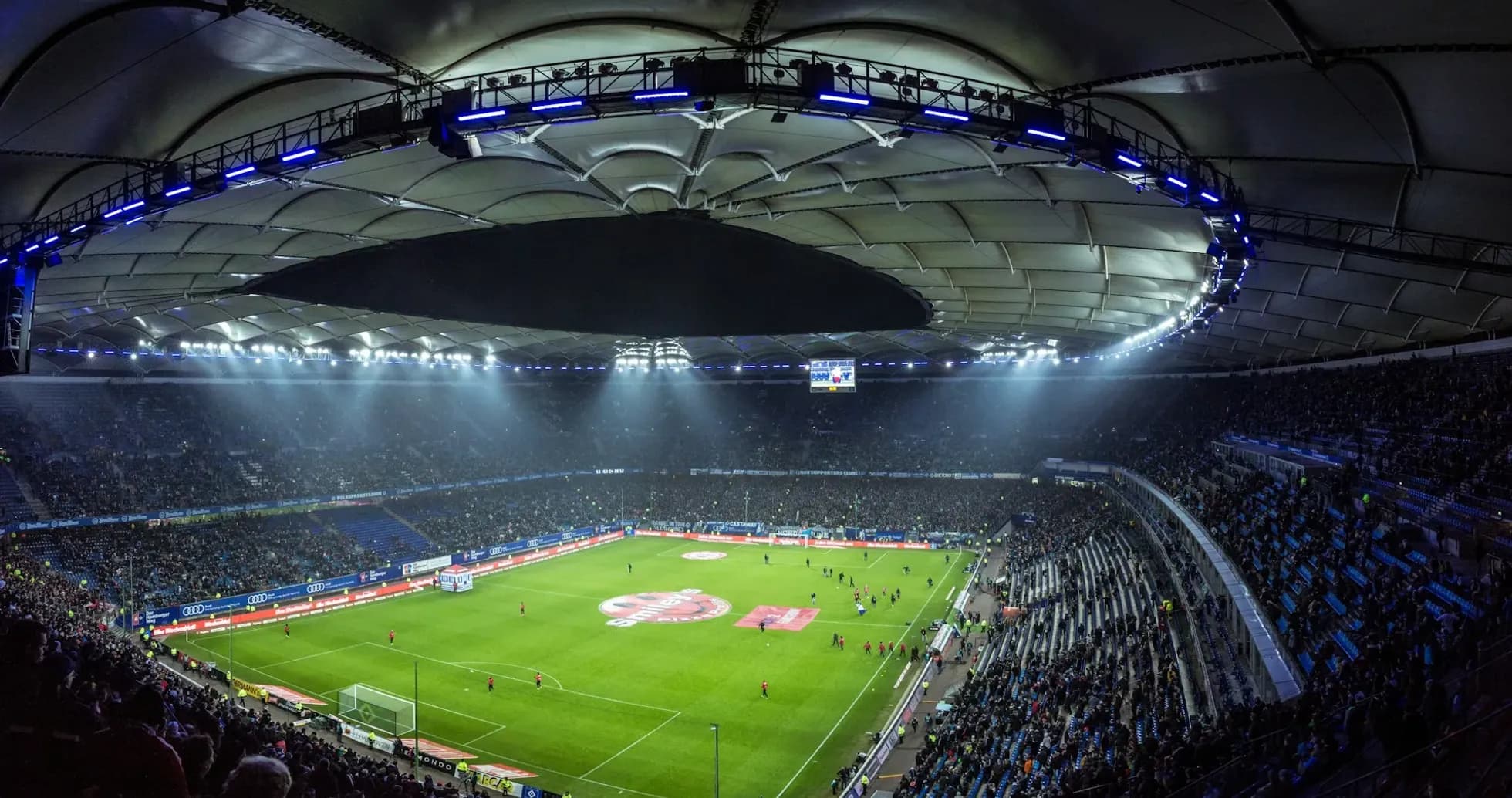
Portland Thorns and Angel City Battle to Tactical Stalemate
Under the lights at Providence Park, a top‑three contender and a faltering heavyweight shared the points, but the 0‑0 written on the scoreboard barely scratches the surface of the tactical story. In the NWSL Women Group Stage, third‑placed Portland Thorns W and 12th‑placed Angel City W produced a cagey, strategic stalemate that reflected their seasonal identities as much as it defied their usual scoring rhythms.
Heading into this game, Portland had been ruthless at home: 4 matches, 3 wins, 1 draw, 0 defeats, with 6 goals for and none conceded. Overall they had collected 20 points from 10 games, with a goal difference of 6 (15 scored, 9 conceded). Angel City arrived with a more volatile profile: 10 points from 8 games, 12 goals for and 9 against, for a goal difference of 3. Their form line of “DLLLL” told of a side in freefall, yet their attacking numbers — 1.5 goals per game overall, 1.3 on their travels — hinted at a team still capable of punching up.
I. The Big Picture: Structure over chaos
Portland lined up in their now-familiar 4‑2‑3‑1, the formation they had used in 7 league matches heading into this fixture. M. Arnold anchored the side in goal behind a back four of R. Reyes, I. Obaze, S. Hiatt and M. Vignola. The double pivot of J. Fleming and C. Bogere was tasked with controlling Angel City’s transition-heavy midfield, while an attacking trio of M. Muller, P. Tordin and R. Turner worked in support of lone forward S. Wilson.
Angel City answered with a 4‑3‑3, one of four shapes they have rotated through this season. A. Anderson started in goal, with a back line of G. Thompson, E. Sams, S. Gorden and E. Shores. In midfield, C. Lageyre, N. Martin and Ary Borges formed a balanced three designed to feed a fluid front line of J. Endo, R. Tiernan and T. Suarez.
The tactical contrast was clear: Portland’s 4‑2‑3‑1 looked to impose control and positional play, while Angel City’s 4‑3‑3 was built to spring quickly into the channels, especially in the league’s most dangerous phase for them — the 46‑60 minute window, where 41.67% of their goals have arrived.
II. Tactical Voids and Disciplinary Shadows
With no explicit injury or absentee list provided, both coaches leaned on familiar cores. Yet the broader disciplinary backdrop shaped how aggressively they could play.
Portland entered with a complex card profile. Across the season, 20.00% of their yellow cards had come in the opening 15 minutes and another 20.00% between 31‑45’, with further spikes in the 61‑75’ and 76‑90’ ranges (each also 20.00%). Red cards had been rare but impactful, split evenly between 0‑15’ and 46‑60’ (50.00% each). That history demanded caution from players like C. Bogere, who already carried 1 yellow and 1 yellow‑red in league play, and from R. Reyes, whose defensive aggression had produced 1 red card this season.
Angel City’s card map was equally fraught. Their yellow cards are spread, but notably 22.22% arrive in the first 15 minutes and another 22.22% between 76‑90’, with an additional 22.22% in the 91‑105’ range — a pattern of early and very late indiscipline. Their single red card this season has fallen in the 46‑60’ window (100.00% of their reds), precisely when their attack usually surges. That tension between front-foot aggression and disciplinary risk hovered over every midfield duel.
III. Key Matchups: Hunter vs Shield, Engine Room vs Enforcer
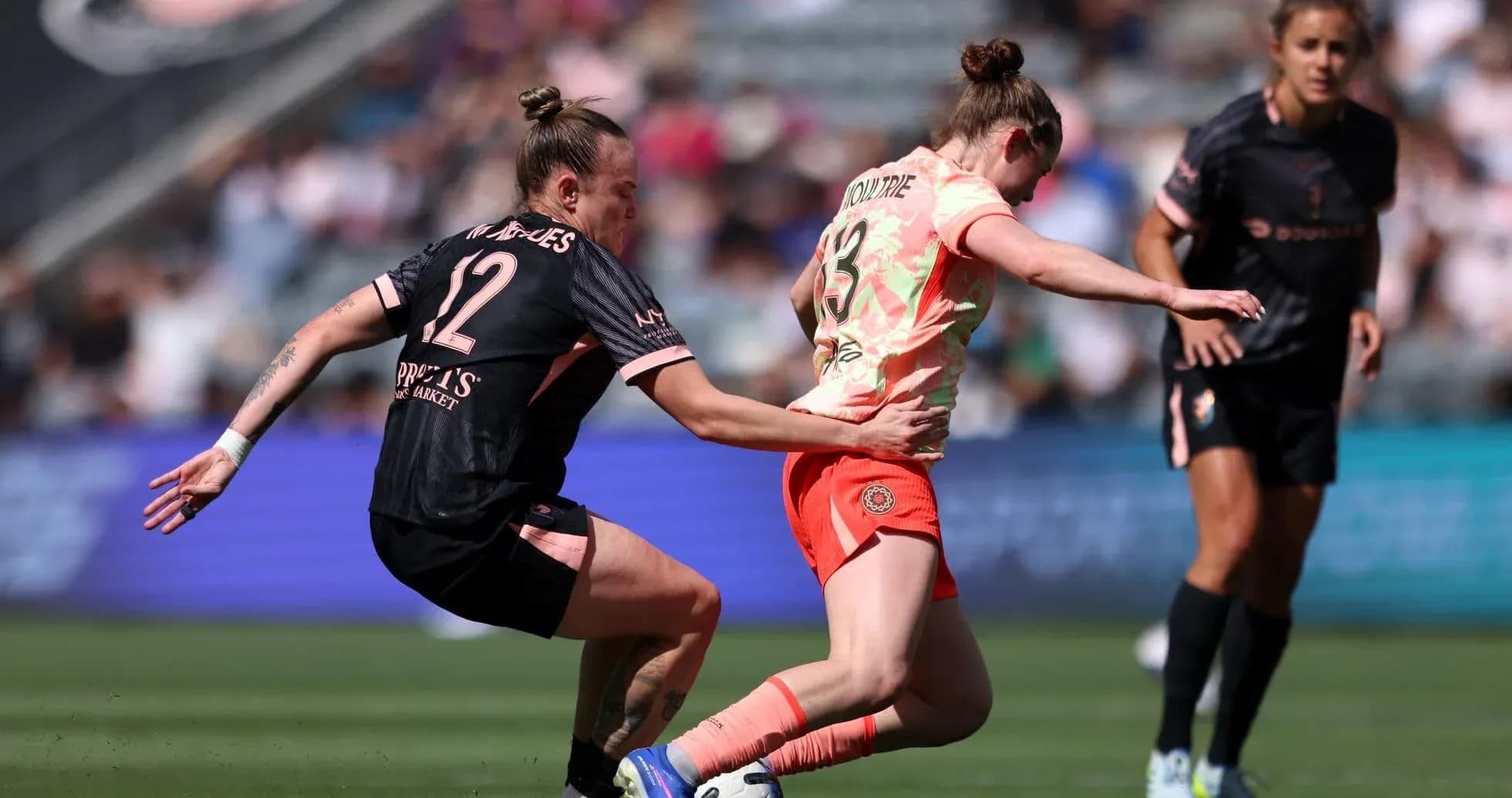
The “Hunter vs Shield” narrative usually revolves around Portland’s scorers. Heading into this game, R. Turner, O. Moultrie and P. Tordin each had at least 3 league goals, with Turner on 4 and Moultrie also contributing 4 assists. Even though Moultrie was not in this starting XI, her season influence shaped how Angel City had to think about Portland’s attacking patterns between the lines.
Turner’s presence as a high-volume runner from midfield (15 tackles, 1 blocked shot, 7 interceptions in the league) forced Angel City’s back four to respect late box entries rather than just tracking the nominal No. 9. P. Tordin, with 3 goals and 3 assists, added another layer of unpredictability, drifting into half-spaces where Angel City’s centre-backs and holding midfielders had to decide who stepped out.
The Shield, in this case, was Angel City’s defensive unit that, despite the team’s struggles, had conceded only 3 goals on their travels at an average of 1.0 per away match. Their biggest away win, 3‑1, showed that they could absorb pressure and still strike decisively.
In the “Engine Room”, J. Fleming and C. Bogere went to work against N. Martin and Ary Borges. Fleming’s role as metronome was to ensure Portland’s territorial dominance, while Bogere — who has made 25 tackles and blocked 1 shot this season — acted as the enforcer, stepping into Angel City’s passing lanes. For Angel City, Ary Borges’ ability to link midfield to the front three was crucial, particularly in the 46‑60’ spell where Angel City have scored 5 of their 12 league goals (41.67%).
IV. Statistical Prognosis and xG Lens
Heading into this game, Portland’s scoring profile suggested they would find a way through. Overall they averaged 1.5 goals per match, both at home and away, and they spread their threat across the timeline: 26.67% of their goals in the opening 15 minutes, and a late surge with 20.00% between 76‑90’. Angel City’s defensive weakness was stark in that same late phase: 55.56% of their conceded goals have come from 76‑90’. The intersection was clear — a Portland side that finishes strong against an Angel City defence that fades late.
Defensively, Portland at home had been flawless: 0 goals conceded across 4 matches, with a home average of 0.0 goals against. Their only real vulnerability overall has been in the final quarter-hour, where 44.44% of their conceded goals arrive between 76‑90’. Angel City’s late scoring share (16.67% of their goals in that range) meant that even a goalless first half would keep the threat alive deep into the second.
From an Expected Goals perspective, the pre‑match numbers pointed to Portland generating the higher xG, driven by their consistent chance creation (they have gone over 0.5 team goals in 9 of 10 matches and over 1.5 in 6 of 10). Angel City, with only 3 matches over 1.5 goals out of 8, were more likely to rely on isolated, high‑value transitions rather than sustained pressure.
Following this result, the goalless draw feels like an underperformance against the probabilities. Portland’s home defensive solidity held as expected, but their attacking unit under-delivered relative to their 1.5‑goal average and their late-game scoring habit. Angel City, meanwhile, succeeded in arresting a losing slide by leaning into their compact 4‑3‑3 block, surviving precisely in the time windows where they are usually most fragile.
In narrative terms, this was a night when structure beat chaos and where both hunters and shields held their ground. Portland keep their promotion push intact, Angel City steady a rocking ship, and the underlying numbers suggest that on another evening, with the same patterns, the xG ledger would almost certainly tilt toward goals rather than another 0‑0 etched into Providence Park’s memory.