Phoenix Rising vs Oakland Roots: A Seven-Goal Showdown
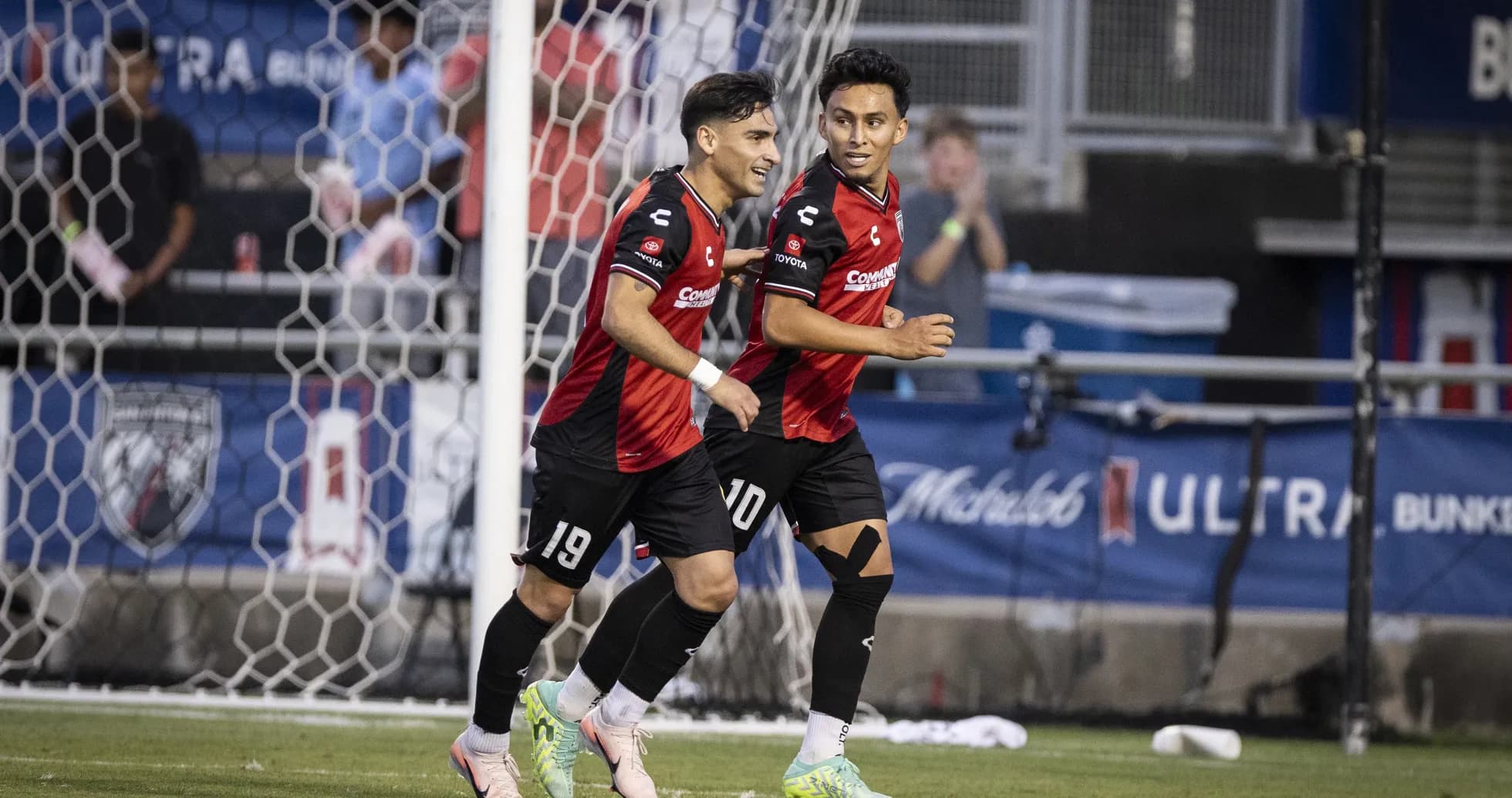
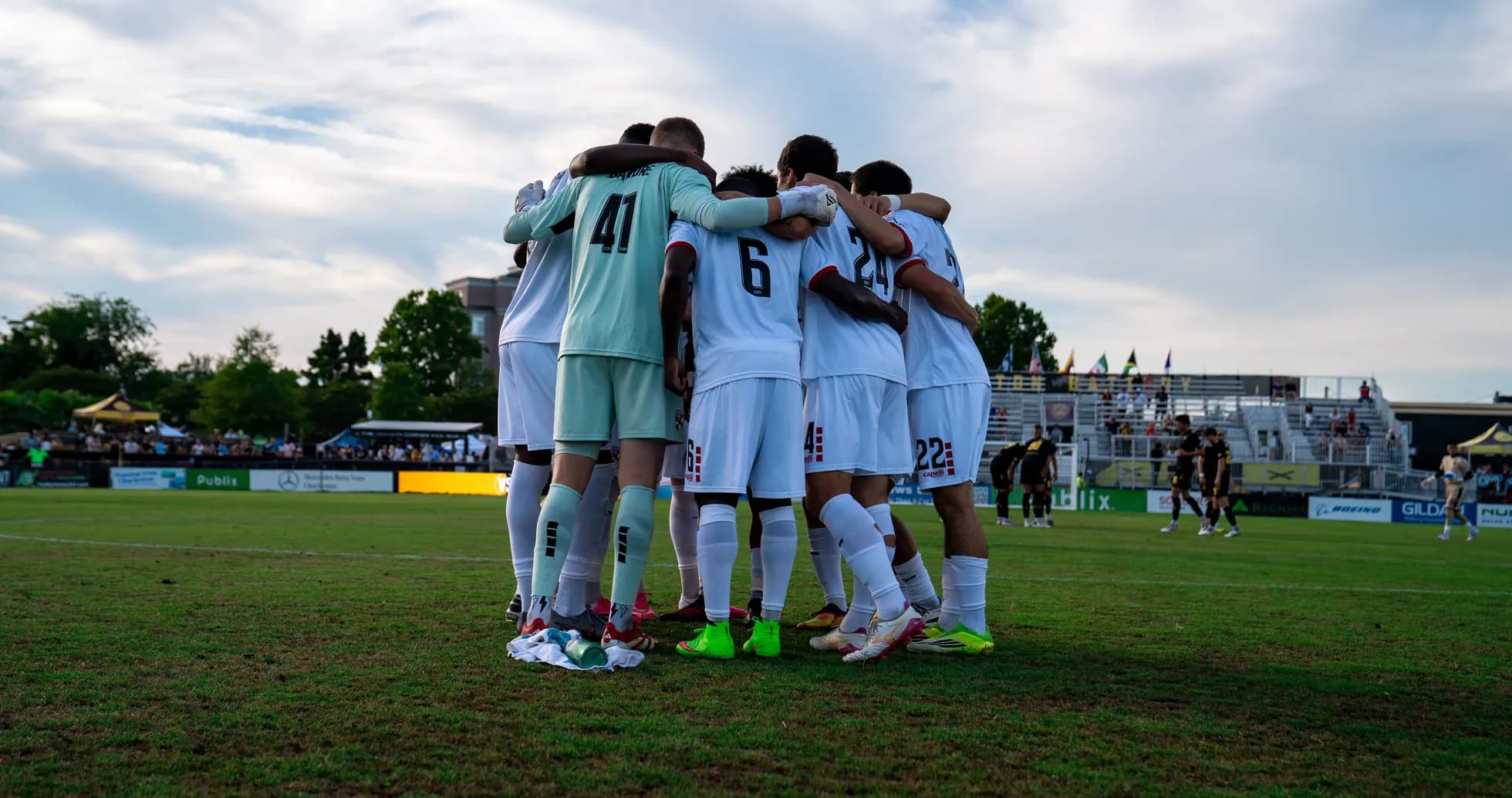
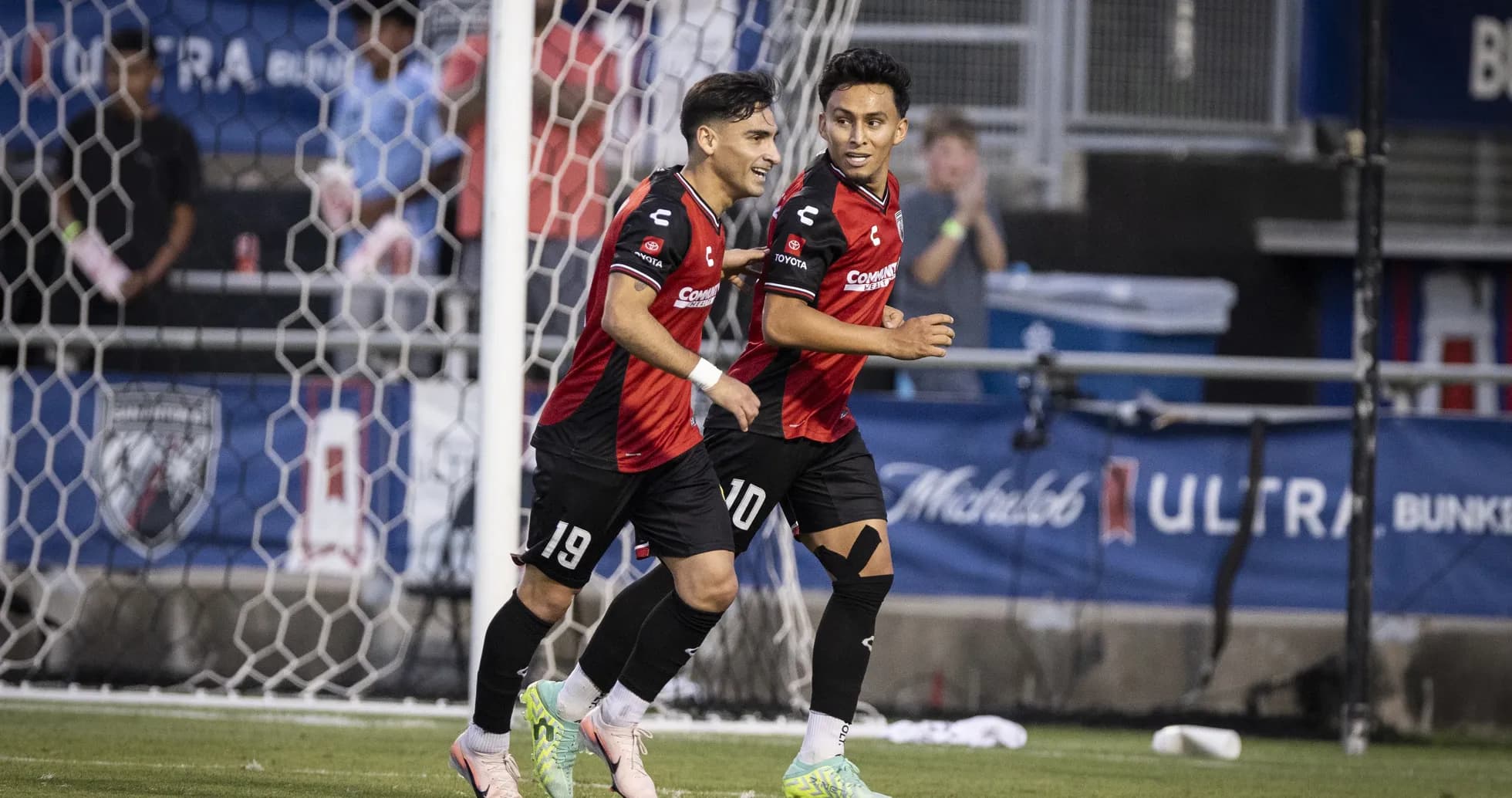
On a hot night at Wild Horse Pass Stadium, a fixture that looked like a statement opportunity for high‑flying Oakland Roots turned into a seven‑goal drama that exposed the true DNA of both squads. Phoenix Rising, 6th in USL 1 heading into this game with 17 points and a goal difference of 0, were supposed to be the volatile underdog: dangerous at home but defensively fragile. Oakland, 2nd with 21 points and a goal difference of 3, arrived as one of the conference’s most balanced outfits. The 4–3 away win ultimately confirmed both narratives at once.
Phoenix’s season profile had already been clear: 14 matches, 4 wins, 5 draws, 5 defeats, with 19 goals scored and 19 conceded in total. At home they had been more expansive, averaging 1.7 goals for and 1.4 against, and that attacking tilt was reflected in Pa‑Modou Kah’s selection. P. Rakovsky in goal was backed by a back line built around C. Smith and P. Mar Boye, with A. Pelayo and L. Biasi offering width and recovery legs. The midfield core of J. Moursou and JP Scearce was set up to be aggressive rather than conservative, with D. Gomez and the two Riveras – G. Rivera and D. Rivera – tasked with linking into the direct threat of I. Sacko.
Oakland’s numbers hinted at a different balance. Across 14 matches they had 5 wins, 6 draws and only 3 losses, with 23 goals for and 20 against in total. On their travels they were particularly incisive: 13 away goals at an average of 2.2 per game, but conceding 12 at an average of 2.0. Ryan Martin’s lineup mirrored that identity. K. McIntosh started in goal behind a back four with T. Gibson, M. Edwards, N. Hackshaw and J. de Vicente – a group that can pass but is not immune to chaos. In front, B. Byaruhanga and T. McCabe formed the central screen, flanked and supported by the creative trio of B. Jacquesson, F. Valot and D. Trejo, all feeding the focal point P. Wilson.
The absence list offered no constraints, so both coaches had full freedom to lean into their natural tendencies. That meant Phoenix doubling down on their high‑tempo, emotionally charged home style – a team that has kept 2 clean sheets at home but also failed to score only once there is always likely to lean into risk. Oakland, with only 1 away clean sheet and yet no away match without scoring heading into this game, were never going to sit in a low block and kill the tempo.
Disciplinary trends shaped the undercurrent of the contest. Phoenix’s yellow‑card profile this season is dominated by a post‑half‑time surge: 32.61% of their cautions come between 46–60 minutes, with another 23.91% from 76–90. That tells the story of a side that pushes the throttle after the interval and often pays for it in late‑game desperation. Oakland’s yellows are more evenly spread, but they also spike after the break: 26.92% between 46–60 and 23.08% from 61–75, with 19.23% in the final quarter‑hour. Both sides, in other words, are most combustible when the match opens up. Add in the red‑card pattern – Phoenix picking up 66.67% of their reds in the 31–45 window and 33.33% in stoppage time of the first period, Oakland seeing 33.33% of reds between 46–60 and 66.67% deep into added time – and the picture is of two squads that live on the disciplinary edge once the emotional temperature rises.
Within that framework, the key duels took on a “Hunter vs Shield” and “Engine Room” character. For Oakland, the attacking cluster of Trejo, Valot, Jacquesson and Wilson represented the Hunter unit against a Phoenix defence that, at home, concedes 1.4 goals per game. Wilson’s movement between Smith and Mar Boye, and Trejo’s tendency to drift into half‑spaces around Scearce, were always likely to stress a back line that has only 2 home clean sheets and has already suffered a 0–2 home defeat as its worst result. Oakland’s biggest away win of 3–4 this season foreshadowed exactly the type of end‑to‑end, high‑scoring away performance they produced again here.
In the Engine Room, Byaruhanga and McCabe were tasked with disrupting Phoenix’s rhythm. Phoenix’s overall averages – 1.4 goals for and 1.4 against per match in total – suggest a side that lives on fine margins, where control of midfield often decides whether those margins tilt towards 3–0 wins or 0–2 defeats. Scearce and Moursou needed to manage transitions carefully; instead, the match devolved into the kind of stretched, transitional battle that suits Oakland’s away profile of 13 goals scored in 6 road games.
The tactical story of the 4–3 was one of Oakland leaning into their away attacking strength and Phoenix overextending to chase the game. Phoenix’s promotion‑playoff aspirations, clearly stated in their “Promotion – USL Championship (Play Offs: 1/8-finals)” description, depend on sharpening their defensive edge without blunting their attacking instincts. Their form line of LDDDLWWWDLWLDL heading into this fixture already showed a side oscillating wildly between control and chaos. Oakland’s WWDLDDWDWLLDDW sequence, by contrast, is that of a team comfortable living in tight games and trusting their ability to find goals, especially away.
From an analytical standpoint, if we project this performance into an xG‑style lens, Phoenix’s home attacking average of 1.7 goals and Oakland’s away attacking average of 2.2 suggest a combined expected figure that comfortably clears the threshold for a multi‑goal game. Defensively, Phoenix’s 1.4 home goals against and Oakland’s 2.0 away goals against underline that both back lines are statistically porous. A 4–3 scoreline is an extreme but not illogical outcome when both offensive strengths and defensive weaknesses are allowed to collide without a controlling midfield presence.
Following this result, the tactical verdict is clear. Phoenix remain a playoff‑calibre squad with a volatile ceiling: their attacking structure, with Sacko fronting a creative band of Gomez and the Riveras, can trouble anyone, but their inability to close space and manage tempo against high‑powered attacks like Oakland’s will continue to drag them into shootouts. Oakland, meanwhile, reinforce their identity as one of the league’s most dangerous travellers – a side whose Hunter unit can overwhelm, even if their Shield still leaks. In any future knockout‑style 1/8 final, these profiles suggest Oakland’s attacking firepower will keep their xG edge intact, while Phoenix’s hopes will hinge on whether they can finally bend their emotional, card‑heavy second halves into controlled aggression rather than chaos.