Las Vegas Lights vs Orange County SC: A Clash of Styles in USL Championship
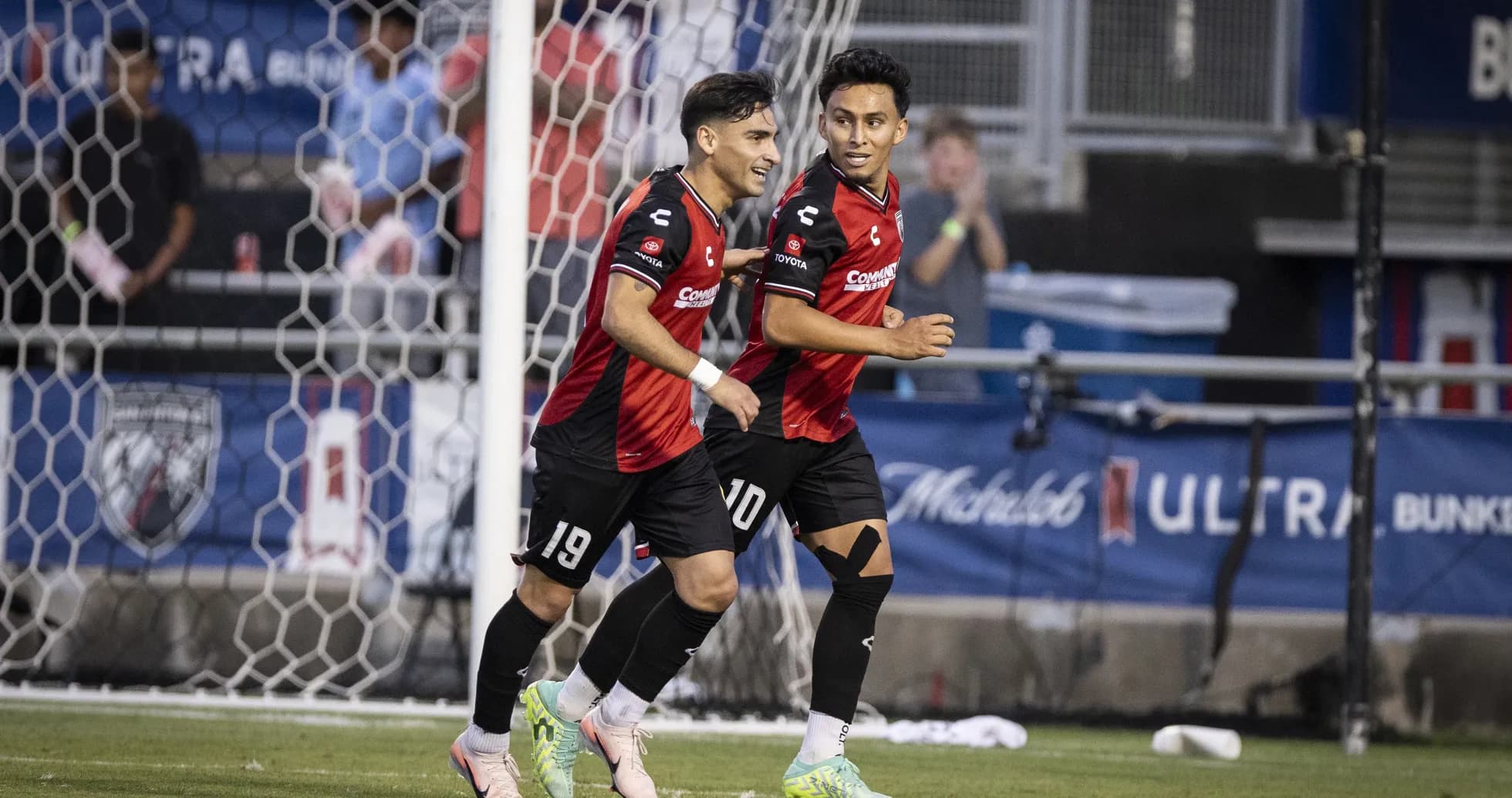
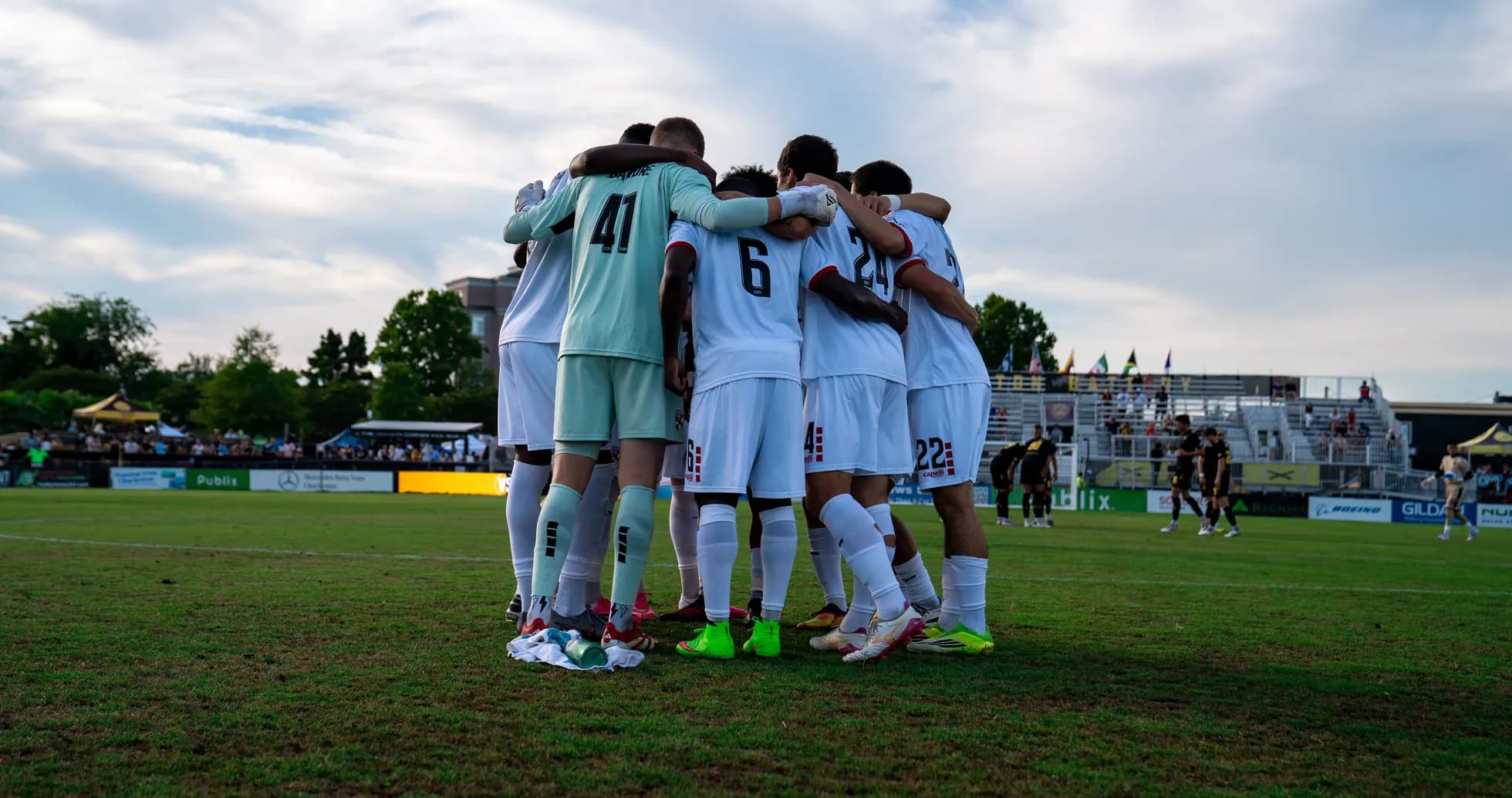
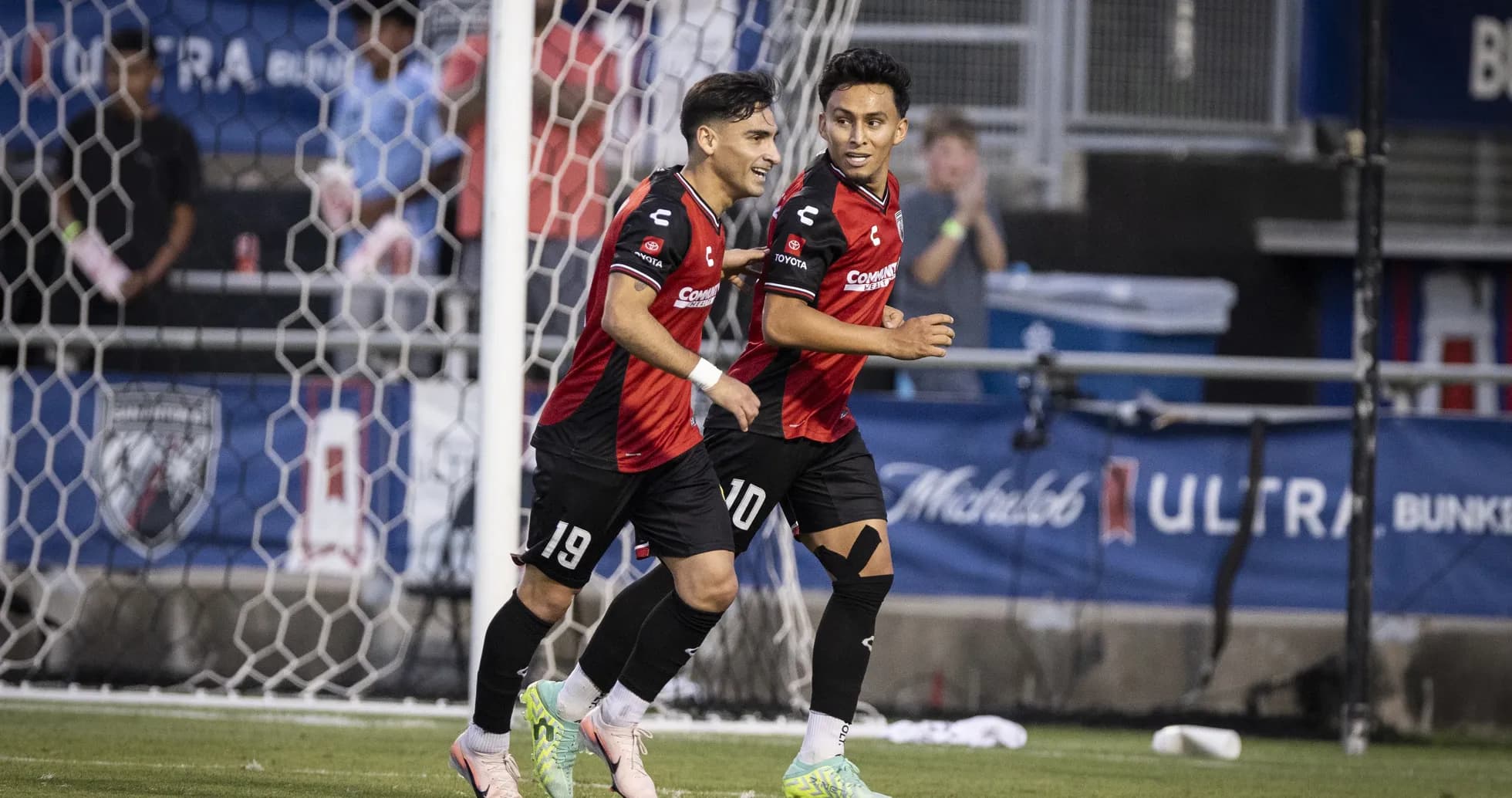
Under the Las Vegas lights at Cashman Field, this Group Stage meeting in the USL Championship brought together two sides with very different seasonal identities. Las Vegas Lights, 11th in USL 1 heading into this game, have lived on volatility: goals at both ends, home comfort, and away chaos. Orange County SC, arriving as league leaders in 1st place, have built their campaign on control, defensive structure, and a knack for grinding out results. The 3–2 away win for Orange County, sealed in regular time under referee G. Flores, felt like a microcosm of both teams’ seasons.
For Las Vegas, the season-long numbers already told a story. Overall they had scored 20 and conceded 23 across 13 matches, a goal difference of -3, with a home profile that looked far more stable than their travels. At home they had played 6, winning 3, drawing 2 and losing just 1, scoring 8 and conceding only 5. The away picture was far wilder: 12 scored, 18 conceded across 7 matches. Orange County, by contrast, came in with a total goal difference of +5, from 18 scored and 13 conceded overall. They were balanced: 3 wins both at home and on their travels, 7 goals for and 4 against at home, 11 for and 9 against away.
Devin Rensing’s selection for Las Vegas underlined his intent to lean into that attacking volatility. M. Stajduhar anchored the side, with a defensive line built around B. Pope, N. Jones, and the experienced A. Guillen, plus the versatile T. Antonoglou. In front of them, the midfield blend of C. Pinzon, M. Ybarra and K. Scott was designed to link quickly into an aggressive front line of O. Anderson, J. Rodriguez and the focal point, M. Arteaga. It is a squad set up less for sterile control than for momentum swings, transitions, and quick combinations.
On the Orange County side, Danny Stone opted for continuity and structure. A. Rando started in goal, protected by a back line including G. Doody, T. Brewitt, G. Tubbs and N. Ciotta. Ahead of them, the spine of S. Kelly and N. Benalcazar gave a double layer of protection and distribution, with L. MacKinnon and O. Sylla offering running power and width. Creativity and final-third timing fell to C. Hegardt and Y. Bazini, supported by a deep bench that featured attacking options like E. Zubak and F. O'Brien, plus midfield variety in M. Palomino and J. Johnson.
Tactically, the absences list offered no extra drama: there was no recorded data of missing or questionable players, so both managers effectively had full decks to play with. That freedom allowed Rensing to double down on his preferred high-tempo approach and Stone to maintain his compact, structured model. The disciplinary backdrop, though, hinted at where this match could tilt. Las Vegas, heading into this game, had a clear pattern of yellow cards accumulating late: 22.73% of their yellows came in the 76–90' window, with a notable 13.64% between 91–105'. They had already seen one red card in the 76–90' range. Orange County were even more combustible late on: 38.10% of their yellows arrived between 76–90', and they too had a red card in that same late-game window.
That late-game edge made the final quarter of an hour the natural battleground. Las Vegas’ season-long offensive profile – 1.5 goals per game overall, 1.3 at home and 1.7 on their travels – suggested they would always create chances, but their defensive fragility, especially away (2.6 conceded on their travels compared with just 0.8 at home), spoke to structural issues that better sides could exploit. Orange County’s more controlled averages – 1.4 goals scored overall (1.2 at home, 1.6 away) and just 1.0 conceded per match (0.7 at home, 1.3 on their travels) – framed them as the side more likely to manage game states.
Hunter vs Shield
Within that frame, the “Hunter vs Shield” matchup naturally centered on Las Vegas’ attacking trident against Orange County’s defensive block. Arteaga, Rodriguez and Anderson, supplied by Pinzon and Scott, represented the Hunter: a unit that, heading into this game, had helped produce 20 goals in 13 matches. Orange County’s Shield was the pairing of Brewitt and Tubbs in front of Rando, supported by the screening of Kelly and Benalcazar. With Orange County having kept 5 clean sheets overall (3 at home, 2 on their travels), their defensive structure had proven robust against a variety of threats.
In the “Engine Room”, M. Ybarra and K. Scott were tasked with dictating Las Vegas’ tempo, threading passes into Arteaga and Rodriguez while protecting a back line that, overall, had conceded 23 goals. Opposite them, S. Kelly and N. Benalcazar, with the technical support of C. Hegardt, formed a three-man axis designed to suffocate transitions and recycle possession. This was where the match’s rhythm would be decided: whether Las Vegas could turn it into a broken, end-to-end contest, or Orange County could impose their slower, more controlled cadence.
Discipline and decision-making were always going to be decisive. Las Vegas’ card profile – yellows spread across 16–30' (18.18%), 31–45' (18.18%), 61–75' (18.18%) and then spiking late – hinted at a side that grows increasingly stretched and reactive as matches wear on. Orange County’s even more pronounced late spike (28.57% of yellows in 61–75', 38.10% in 76–90') suggested that they, too, push the limits in closing phases, often while protecting leads.
From a statistical prognosis standpoint, the contours of this 3–2 away win fit the expected pattern. Orange County, with their sturdier defensive record and balanced attack, were always marginally more likely to edge the xG battle, especially if they could force Las Vegas into chasing the game. Las Vegas’ penalty record heading into this fixture – 2 awarded in total, with 1 scored and 1 missed for a 50.00% conversion rate – underlined another theme: high-risk, high-reward moments that do not always fall their way.
Following this result, the narrative remains clear. Las Vegas are a side capable of punching up, especially at home, but still searching for defensive consistency and composure in the decisive moments. Orange County, even when dragged into a five-goal shootout, lean on their structure, depth and late-game resilience. In a playoff-style lens, they look like a team whose xG and defensive solidity will keep them in every tie; Las Vegas, meanwhile, are the wildcard no one wants to draw, but who still live too close to the edge to control their own destiny over 90 minutes.