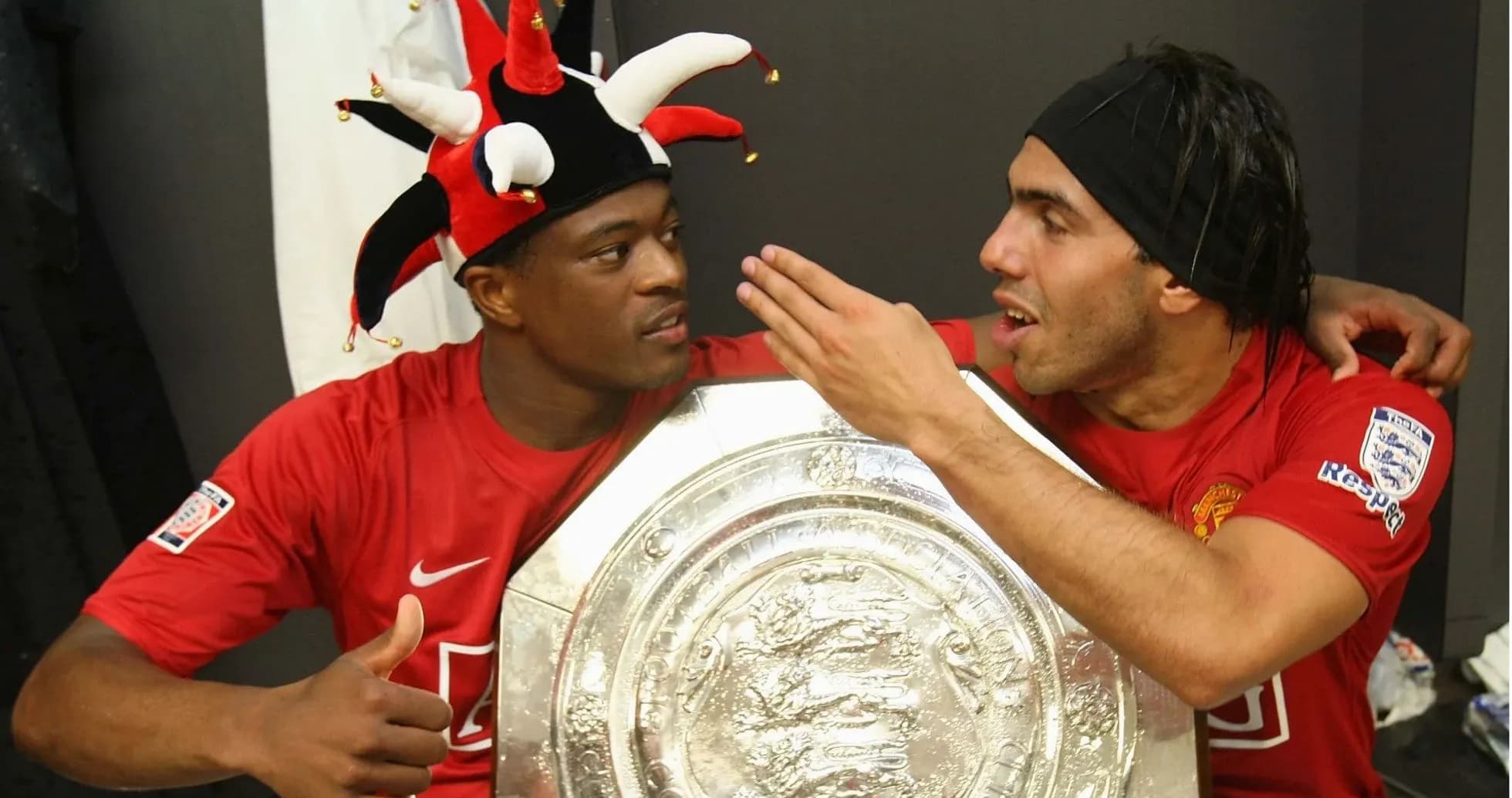
Patrice Evra Reflects on Tevez's Move to Manchester City
Patrice Evra still remembers the moment the headline flashed up. Sun, holiday, relaxation – then chaos.
“Boom! Tevez is joining Manchester City.”
For a defender who had gone to battle alongside Carlos Tevez 79 times in Manchester United red, it felt like a betrayal and a bereavement rolled into one. The Argentine’s decision to cross the city in 2009, just weeks after United’s Champions League final defeat to Barcelona, did more than test a friendship. In Evra’s eyes, it changed the shape of English football.
A friendship on the line
Evra talks about Tevez like family. A “brotherly bond,” as he calls it, forged in title races, cup ties and European nights. They pressed together, celebrated together, suffered together.
That is why the move was “too painful” to digest. Tevez had grown frustrated, convinced the club were not putting a proper contract on the table. On top of that sat what Evra bluntly labels “a beef with Ferguson.” The striker had not started the Champions League final in Rome. The relationship with Sir Alex Ferguson had soured. The fuse was lit.
Tevez, Evra recalls, told him: “They didn’t offer me nothing.” In that version of events, the forward felt unwanted. Underappreciated. Ready to walk.
Then came the news. No warning in the dressing room, no long goodbye. Just a holiday, a headline and a phone call laced with shock and fury.
“I called him and said, ‘I’m going to kill you, I’m going to break your legs Carlito’,” Evra admits. Half joke, half raw emotion. The sense of betrayal was real enough.
Power shift in Manchester
For Evra, this was never just about one player swapping shirts. He believes that when Tevez chose blue over red, he handed Manchester City the springboard they craved.
The Argentine arrived at a club desperate to step out of United’s shadow. His goals, his snarl, his sheer symbolism as a United favourite crossing the divide gave City a new edge. Evra is clear: that transfer “fundamentally altered the power balance in Manchester,” providing City with the platform to grow into the dominant force they are now.
United, still reeling from defeat to Barcelona and the loss of Cristiano Ronaldo that same summer, had to watch their former striker become the face of their neighbour’s rise. The “Welcome to Manchester” billboard told its own story. So did the trophies that followed.
A wound that never fully closed
Time has cooled the anger. The friendship survived. Evra still speaks of Tevez with warmth, still calls him “Carlito,” still leans on that sense of brotherhood.
Yet the disappointment lingers, aimed less at the player than at the circumstances and the fallout with Ferguson. Evra sees a move driven by emotion as much as contract clauses – “a payback to Sir Alex Ferguson,” as he puts it.
And even now, with careers over and the landscape of Manchester transformed, one thing gnaws at him.
“At the end,” he says, “you will never know the true story.”
In a city split by colour, that mystery may be the only thing both sides share.