Espanyol Edges Osasuna 2–1 in Tense Clash
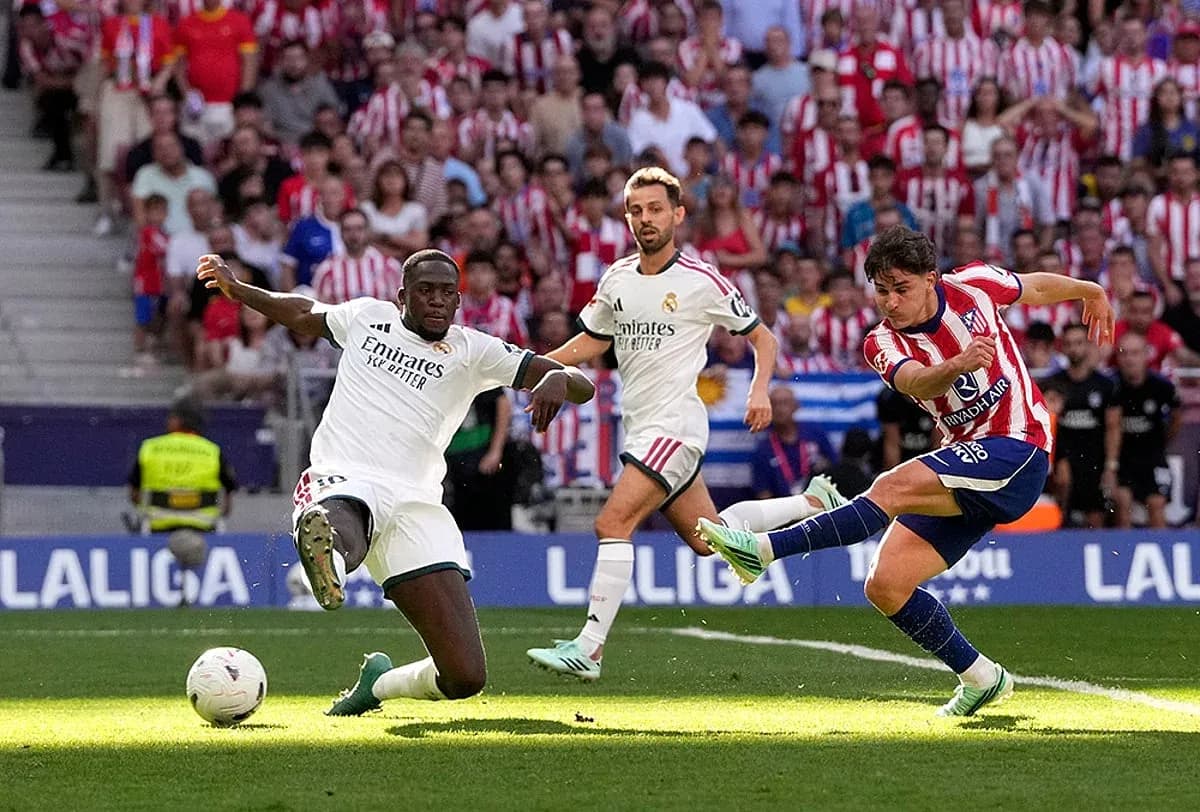
On a tense May evening at Estadio El Sadar, a season’s worth of strain and survival instincts converged into 90 fraught minutes. In the end, Espanyol slipped away with a 2–1 win, a result that crystallised the contrasting late‑season trajectories of two sides whose campaigns have been defined by narrow margins rather than sweeping statements.
Following this result, the table tells a blunt story. Osasuna sit 16th on 42 points, their goal difference of -5 a perfect arithmetic of a season where 44 goals for have been eclipsed by 49 against. Espanyol, 11th with 45 points and a goal difference of -12 (42 scored, 54 conceded), are hardly a model of defensive security, but they have found just enough edge in key moments to live higher up the mid‑table.
I. The Big Picture – Shapes, Context, and Seasonal DNA
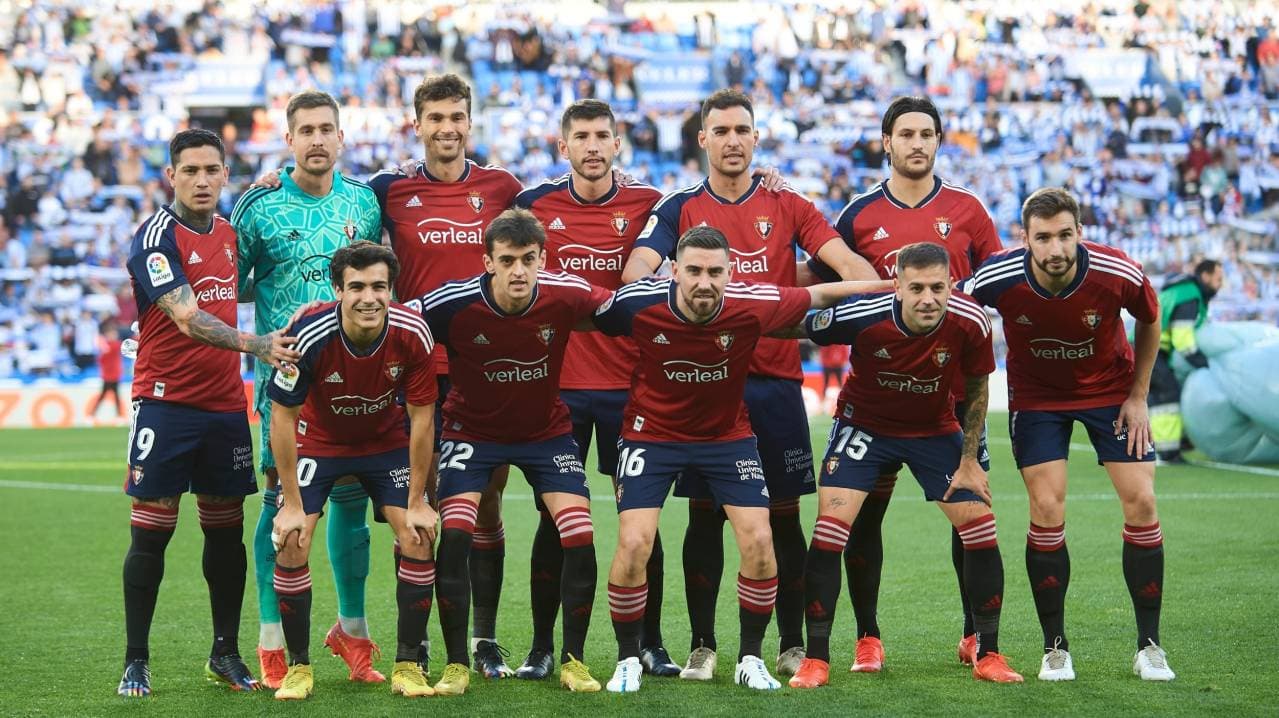
Both coaches leaned into their seasonal identities. Alessio Lisci again trusted the 4‑2‑3‑1 that has been his primary structure, the shape Osasuna have used in 22 league matches. Sergio Herrera stood behind a back four of V. Rosier, Alejandro Catena, F. Boyomo and A. Bretones, with L. Torro and Jon Moncayola anchoring the double pivot. Ahead of them, R. Garcia, A. Oroz and V. Munoz supported lone striker Ante Budimir.
Across from them, Manolo Gonzalez’s Espanyol deployed a 4‑4‑2, one of the systems that has underpinned their season (12 league uses). M. Dmitrovic was shielded by a back line of O. El Hilali, C. Riedel, L. Cabrera and C. Romero. In midfield, T. Dolan, U. Gonzalez, Pol Lozano and Pere Milla formed a compact band behind the front pairing of Edu Expósito and K. Garcia.
The tactical backdrop made the narrative almost inevitable. Heading into this game, Osasuna’s home record was their lifeline: 9 wins, 5 draws and 5 defeats at El Sadar, with 31 goals for and 24 against. Their home attacking average of 1.6 goals per match and defensive average of 1.3 suggested a side comfortable in high‑effort, medium‑scoring battles. Espanyol, on their travels, were more volatile: 5 wins, 5 draws and 9 defeats away, scoring 22 and conceding 31, an away attacking average of 1.2 and a defensive average of 1.6. This was set up as a clash between Osasuna’s fortress mentality and Espanyol’s willingness to ride chaos.
II. Tactical Voids – Absences and Discipline
Both squads were forced to navigate important absences. Osasuna were without R. Moro through injury, trimming Lisci’s options for direct wide running and late‑game wing changes. For Espanyol, the losses of C. Ngonge and J. Puado to knee injuries stripped Gonzalez of two potential goal threats and rotation pieces in the attacking band, raising the premium on creativity from the players who did start.
Discipline has been a quiet but decisive sub‑plot to both seasons. Osasuna’s card profile is skewed towards late‑game tension: 21.35% of their yellow cards have arrived between 76–90 minutes, with another 14.61% in added time (91–105). Red cards tell a similar story of flashpoints rather than steady control, with 28.57% in 31–45, 28.57% in 76–90, and 28.57% in 91–105. Espanyol mirror that late‑game volatility: 30.00% of their yellows fall in the 76–90 window, and their reds cluster in the second half, with 40.00% between 46–60 and another 40.00% between 76–90. This was always likely to be a match that frayed at the edges as the clock ticked past 70 minutes.
III. Key Matchups – Hunter vs Shield, Engine Room Battles
The headline duel was “Hunter vs Shield”: Ante Budimir against an Espanyol defence that has bled goals all season. Overall, Espanyol have conceded 54 times, 31 of those on their travels. Budimir has been one of La Liga’s most reliable finishers this season, with 17 league goals from 36 appearances and a penalty record that, while strong, is not flawless: 6 scored but 2 missed. His profile is that of a volume striker – 88 shots, 41 on target – who thrives on repeat service and penalty‑area wrestling.
Espanyol’s answer was collective rather than individual. L. Cabrera and C. Riedel had to contend not just with Budimir’s aerial presence but with the timing of his movements off the band of three behind him. Catena’s presence at the other end underlined the contrast: a defender with 3 goals and 2 assists, but also one of the league’s most card‑prone figures, with 11 yellows and 1 red. His 32 blocked shots this season speak to a defender who lives in the line of fire, but his aggression can tilt either way.
The “Engine Room” battle was equally decisive. For Espanyol, Edu Expósito and Pol Lozano are the dual axis of progression and control. Expósito, nominally a forward here but statistically a creative hub, has 6 assists and a league‑leading 80 key passes for his side, with 965 total passes at 76% accuracy. Lozano, the yellow‑card magnet with 11 bookings and 1 yellow‑red, balances aggression with distribution: 945 passes at 87% accuracy, 23 key passes and 38 tackles. Together they form the brain and brake of Espanyol’s transitions.
Opposite them, Moncayola and Torro were tasked with compressing space. Moncayola’s season – 4 assists, 38 key passes, 52 tackles – paints the picture of a two‑way midfielder who shuttles relentlessly between boxes. His 9 yellow cards hint at the cost of that range. The duel between Moncayola and Expósito, in particular, framed the game’s rhythm: every time Expósito found half a yard between the lines, Espanyol looked capable of threading K. Garcia or Pere Milla into dangerous zones.
Pere Milla added another layer of menace. With 7 goals from midfield and a red card on his record, he is a chaos agent, equally willing to crash the box or the tackle. His 33 key passes and 36 tackles underline his dual role as both presser and late runner.
On the flanks, O. El Hilali’s season numbers – 72 tackles, 15 blocks and 40 interceptions – show a right‑back who defends on the front foot. His battle with V. Munoz and A. Bretones was as much about stopping crosses at source as it was about containing overlaps.
IV. Statistical Prognosis – xG, Solids and Fault Lines
Even without explicit xG values, the patterns are clear. Heading into this game, Osasuna’s overall attacking average of 1.2 goals per match and defensive average of 1.3 suggested narrow, low‑margin contests. Espanyol’s overall attacking average of 1.1 and defensive average of 1.5 pointed to a side that often needs to outscore its own instability.
Espanyol’s 10 clean sheets (5 at home, 5 away) against Osasuna’s 7 (5 at home, 2 away) hinted that, if anyone was going to lock the game down, it might surprisingly be the visitors. Yet Osasuna had failed to score in 11 matches overall – and crucially, none of those were at home. That perfect home scoring record collided with Espanyol’s away fragility to create a high‑probability scenario: Osasuna to score, but Espanyol to find enough space in transition to answer back.
The decisive edge came from Espanyol’s layered attacking threats. With Expósito’s 6 assists and 80 key passes, Milla’s 7 goals, and K. Garcia’s movement, they had more varied routes to goal than Osasuna, who lean heavily on Budimir’s finishing and set‑piece threat from Catena.
Defensively, neither side could claim true solidity. Osasuna’s goal difference of -5 and Espanyol’s of -12 confirm that both concede more than they would like. But Espanyol’s slightly higher attacking ceiling, combined with their capacity to sustain pressure in spells, tilted the underlying probabilities their way.
Following this result, the 2–1 scoreline feels like a faithful reflection of the season‑long data: Osasuna competitive but brittle, Espanyol flawed but more decisive. At El Sadar, the numbers finally found their narrative.