Tottenham's Resurgence: A Victory at Villa Park
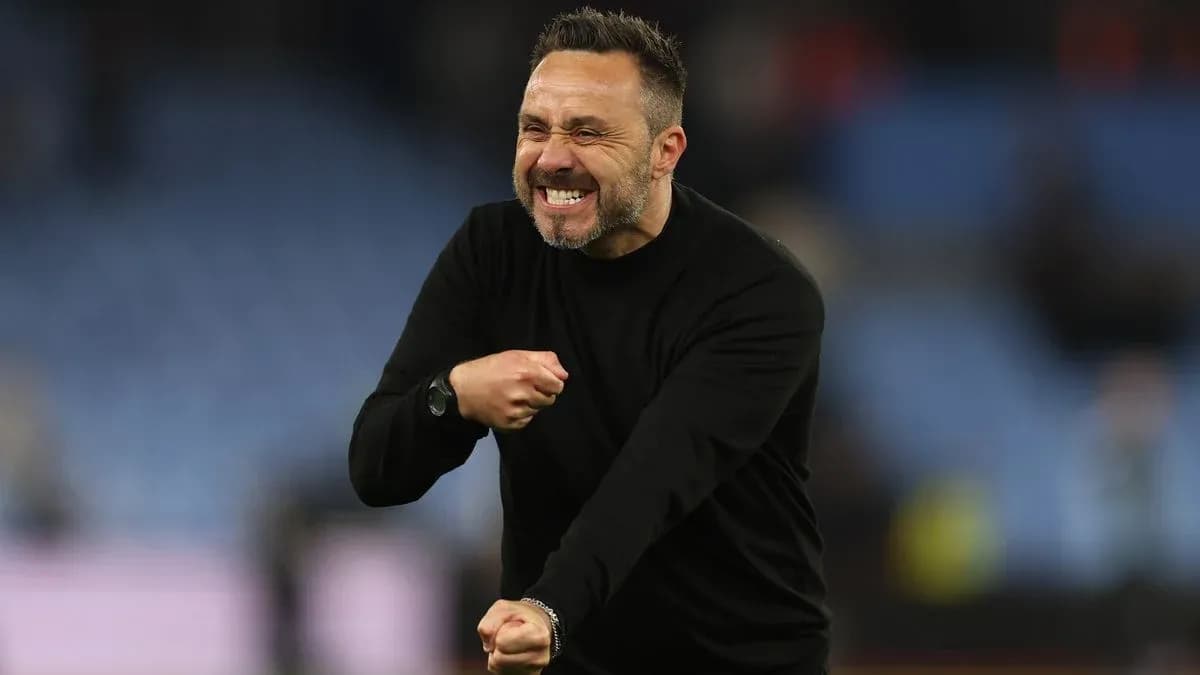
Roberto De Zerbi walked into the Villa Park press room with the look of a man who finally felt the ground steady beneath his feet.
Tottenham had just dragged themselves out of the Premier League’s bottom three with a 2-1 win at Aston Villa, and for the first time in months, the narrative around Spurs felt less like a crisis manual and more like a football story again.
A performance worth more than three points
Conor Gallagher lit the night up early. Twelve minutes in, he cushioned a headed clearance from a Kevin Danso long throw, set himself on the edge of the box and drilled a precise finish into the bottom-left corner. One touch to control, one to decide the mood of the evening.
João Palhinha almost doubled the lead within minutes, skimming the outside of the post with a low strike from distance. Villa were wobbling, Spurs smelling something they haven’t had enough of this season: control.
The second goal arrived on 25 minutes and it felt like a statement. Mathys Tel, all energy and intent on the right, whipped in an inswinging cross and Richarlison attacked it, thundering a header home. A team that has been accused of shrinking in big moments suddenly looked like it wanted every duel, every second ball, every inch of Villa Park.
De Zerbi didn’t hide how much it meant.
He talked about courage without the ball, quality with it. About a performance that, to him, mattered more than the table. The three points nudged Spurs a point clear of West Ham, but that wasn’t what he kept circling back to. He wanted this to be a reference point – the kind of game that makes a squad believe in itself again.
Injuries easing, belief returning
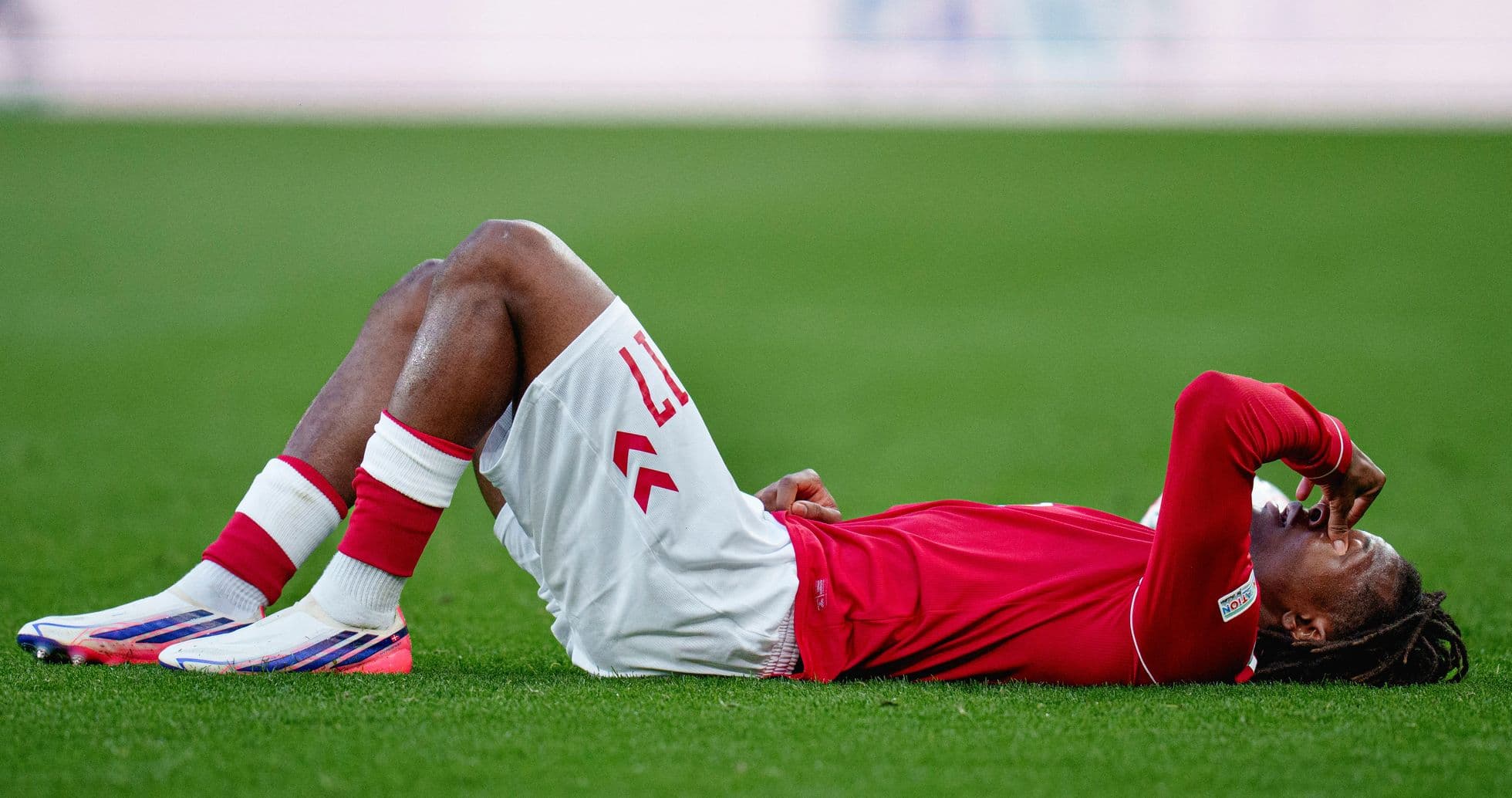
For months, Tottenham’s season has been framed by absentees. Key players missing, line-ups patched together, momentum constantly breaking.
This time, De Zerbi allowed himself a rare bit of optimism on that front.
He said he believes the worst of the injury crisis is over. Not in grand declarations, but in the relief of a coach who has been juggling problems for too long. “Now I think the injuries are finished because otherwise it's a big problem,” he admitted, before quickly turning back to the quality he feels he finally has at his disposal.
He name-checked Kolo Muani, Palhinha, Gallagher, Mathys Tel, Richarlison. Players he insists are “big level”, players he says he doesn’t praise just for effect. The message was clear: this is not a relegation squad. This is a team that has been dragged into a relegation fight.
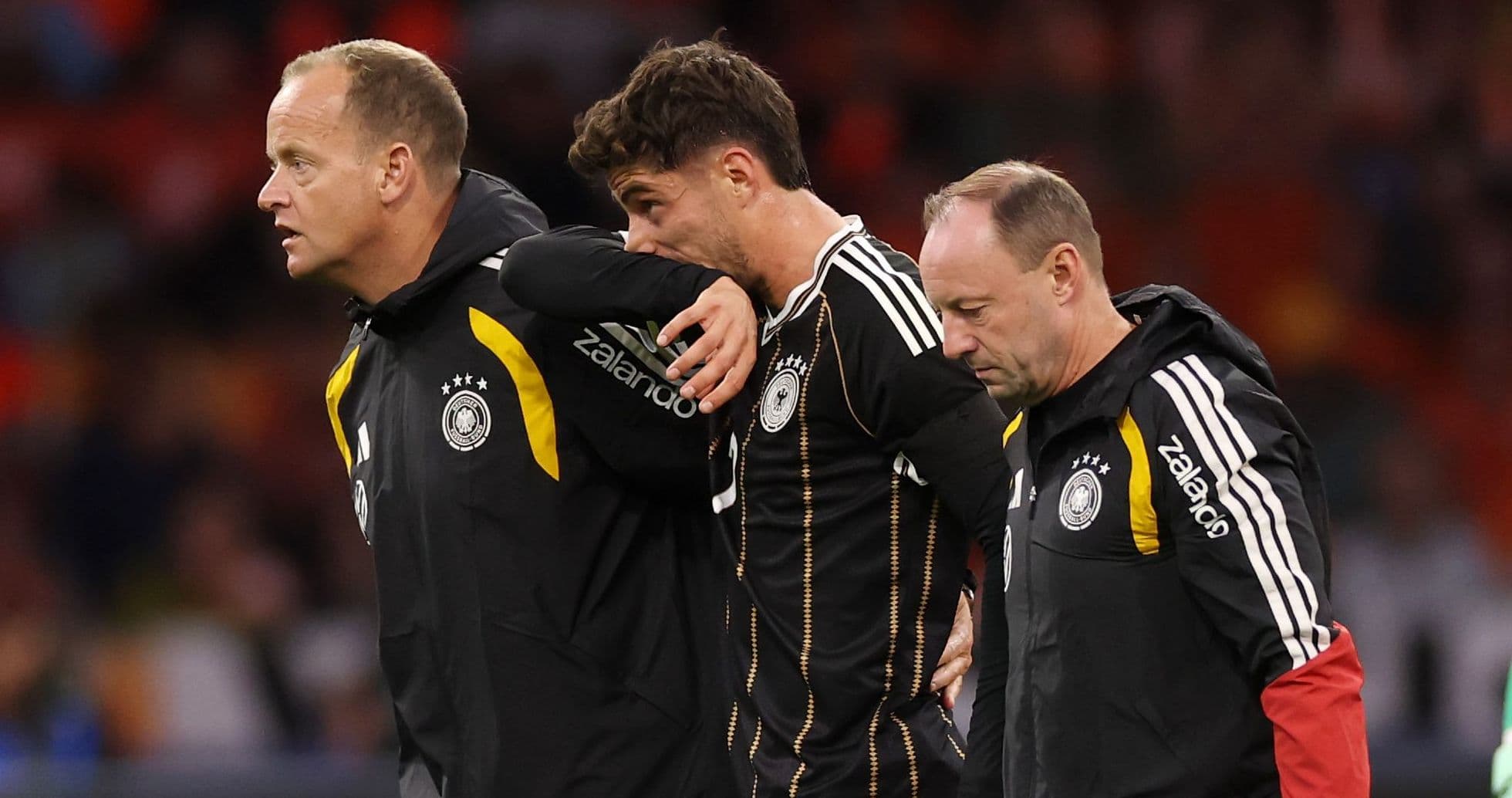
There were a couple of nervous moments late on. Rodrigo Bentancur, only recently back from a long-term absence earlier in the season, was taken off, but De Zerbi was quick to calm any fears: Bentancur was just tired. Nothing more.
Micky van de Ven, another player Spurs simply cannot afford to lose again, appeared to roll his ankle late in the game. Again, De Zerbi shut the door on that concern immediately: “No, no, no. He's ok.”
For a club that has lived on medical bulletins and recovery timelines, those two short updates carried weight. Spurs, for once, are not counting fresh casualties.
Gallagher everywhere, Palhinha snarling, a new edge
The transformation in confidence is what fascinates De Zerbi most.
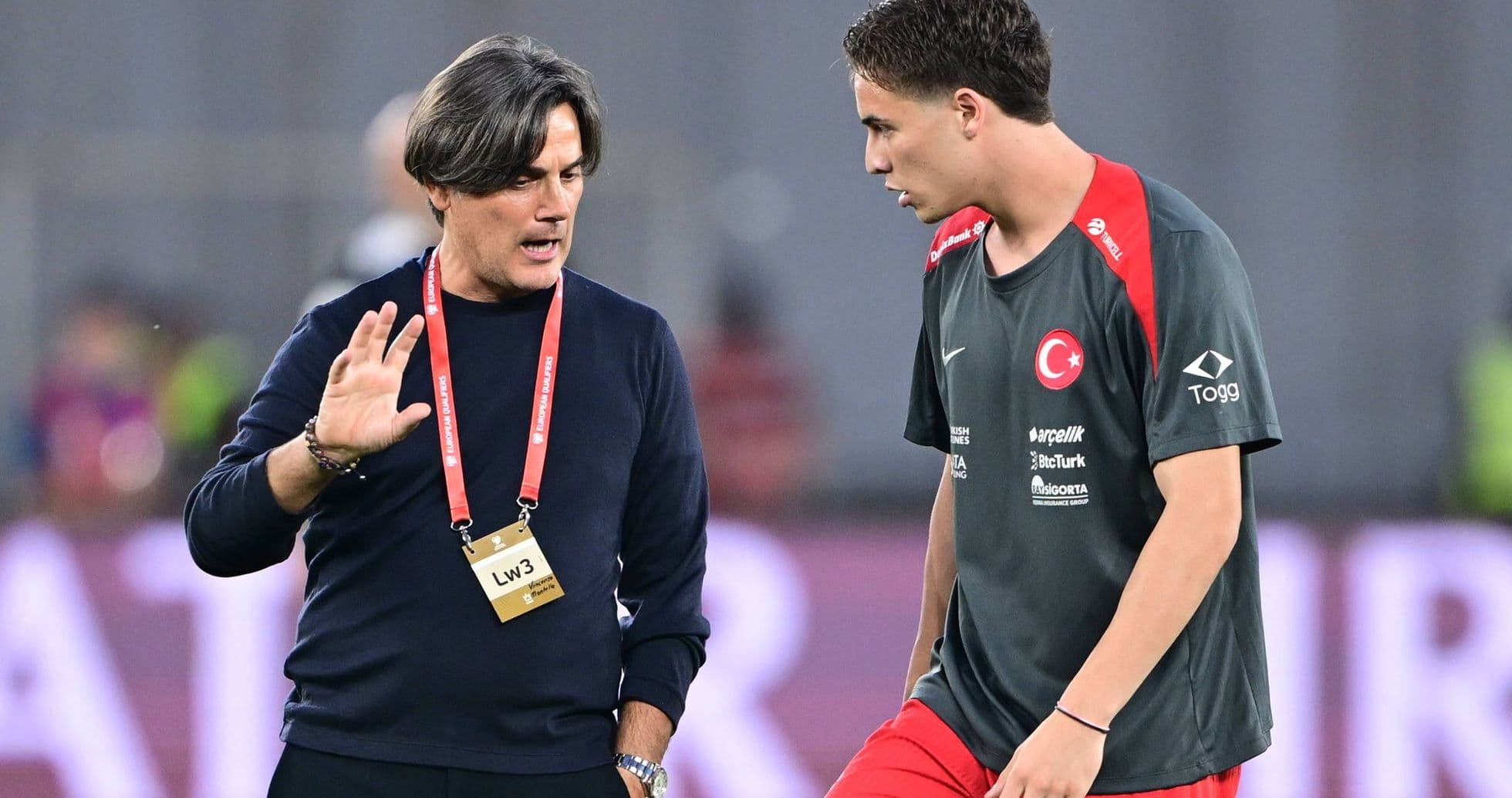
When he arrived, Spurs looked drained. Beaten down by results, by the table, by the constant noise around them. He has pushed them to be “stronger than the defeat, stronger than the position of the table, stronger than the words” that follow Tottenham around.
Gallagher has become the symbol of that shift. De Zerbi wanted the Chelsea version of him back – the relentless presser, the runner, the player who turns midfield into chaos for the opposition. At Villa Park, he got exactly that.
“When Gallagher plays like this we play with 12 players,” he said. It didn’t feel like an exaggeration. Gallagher popped up as a striker, a midfielder, even filling in wide and deep. He scored, he harried, he set the tone.
Behind him, Palhinha played the game like it was a personal grudge. Every tackle sparked a reaction, every duel won celebrated like a goal. De Zerbi loved it. He even grabbed at his own shirt describing how much he enjoys that kind of edge. This is the version of Spurs he wants: emotional, aggressive, unapologetically intense.
Kevin Danso, stepping in for Cristian Romero, earned his manager’s approval too. De Zerbi praised his defending, then challenged him to grow with the ball, to help control games more. It was the kind of pointed encouragement that suggests he sees more in the defender than just a stop-gap.
Villa’s rotation and the bigger picture
Unai Emery rotated heavily, eyes clearly on a huge European night ahead. Villa, already close to hitting their season’s targets, looked like a side with one eye elsewhere. De Zerbi understood it, respected it even, but didn’t allow that to diminish what his team had done.
He spoke glowingly of Villa’s project, of how they’ve gone from the bottom of the table to one of the Premier League’s most complete sides in a few years. It felt like a quiet benchmark. This is what a plan looks like when it works.
Spurs, by contrast, have been flirting with disaster. De Zerbi admitted he’s surprised a squad of this quality has been dragged into a relegation scrap rather than talking about Champions League places. But he pointed straight at the reasons: a brutal league, too many injuries, a long stretch without wins, confidence steadily leaking away.
You don’t slide into trouble in the Premier League; you tumble. Nottingham Forest, he pointed out, were in a similarly bleak position only a month ago.
Now, with back-to-back wins for the first time since August, Tottenham have something they haven’t had for a while: momentum. De Zerbi doesn’t want that to become arrogance. He warned against the easy narratives – “If you lose you are stupid, if you win you are a champion” – and urged his players to remember how it felt before the Wolverhampton game, when the situation looked far darker.
Leeds await next. Another hard, heavy-running game. Another test of whether this version of Spurs – fitter, fiercer, finally getting players back rather than losing them – is here to stay.
The injuries might have stopped piling up. The question now is whether Tottenham can stop looking down the table and start daring to look up.