Orlando Pride's Statement Win Over Bay FC: A Tactical Analysis
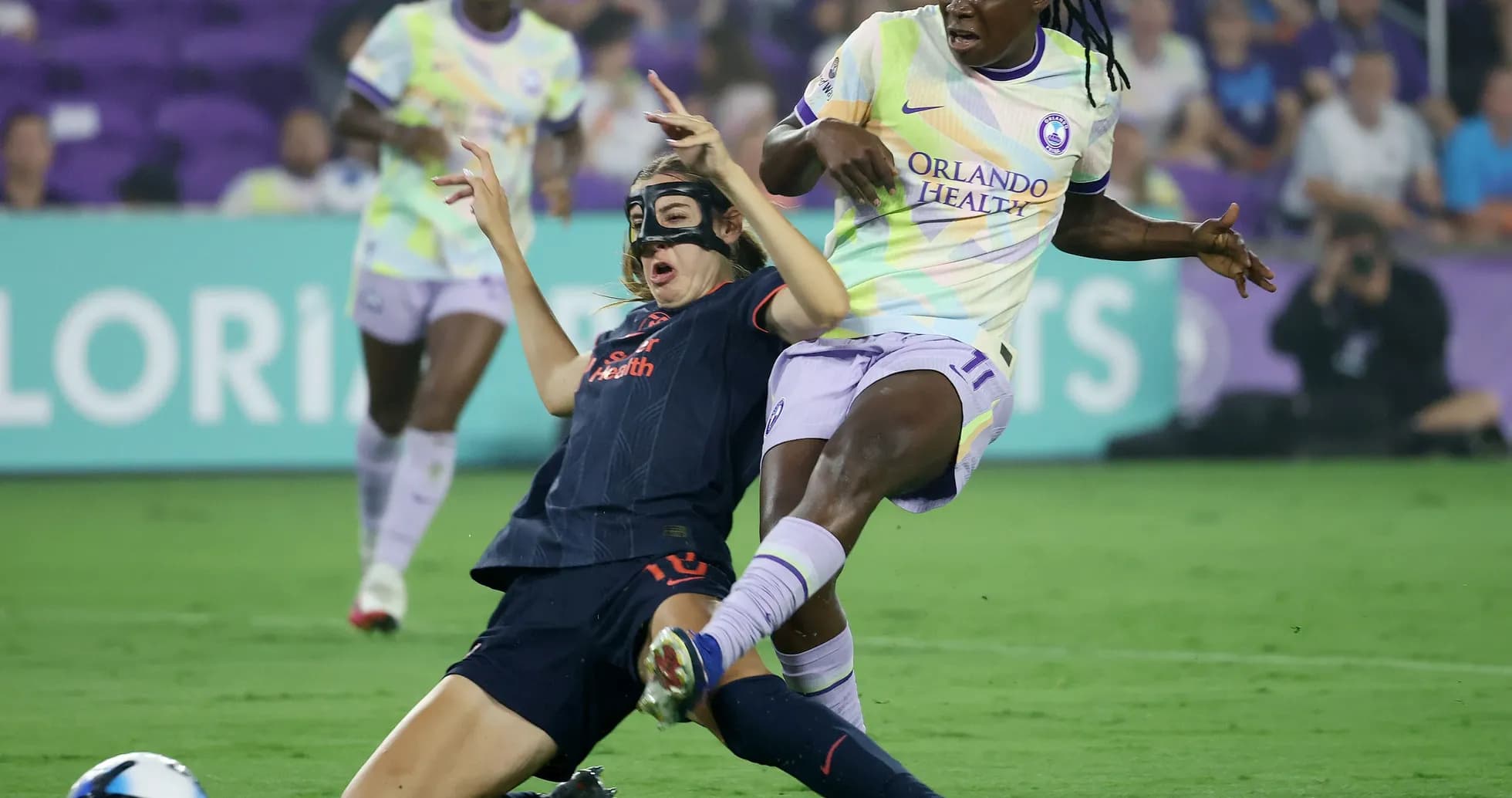
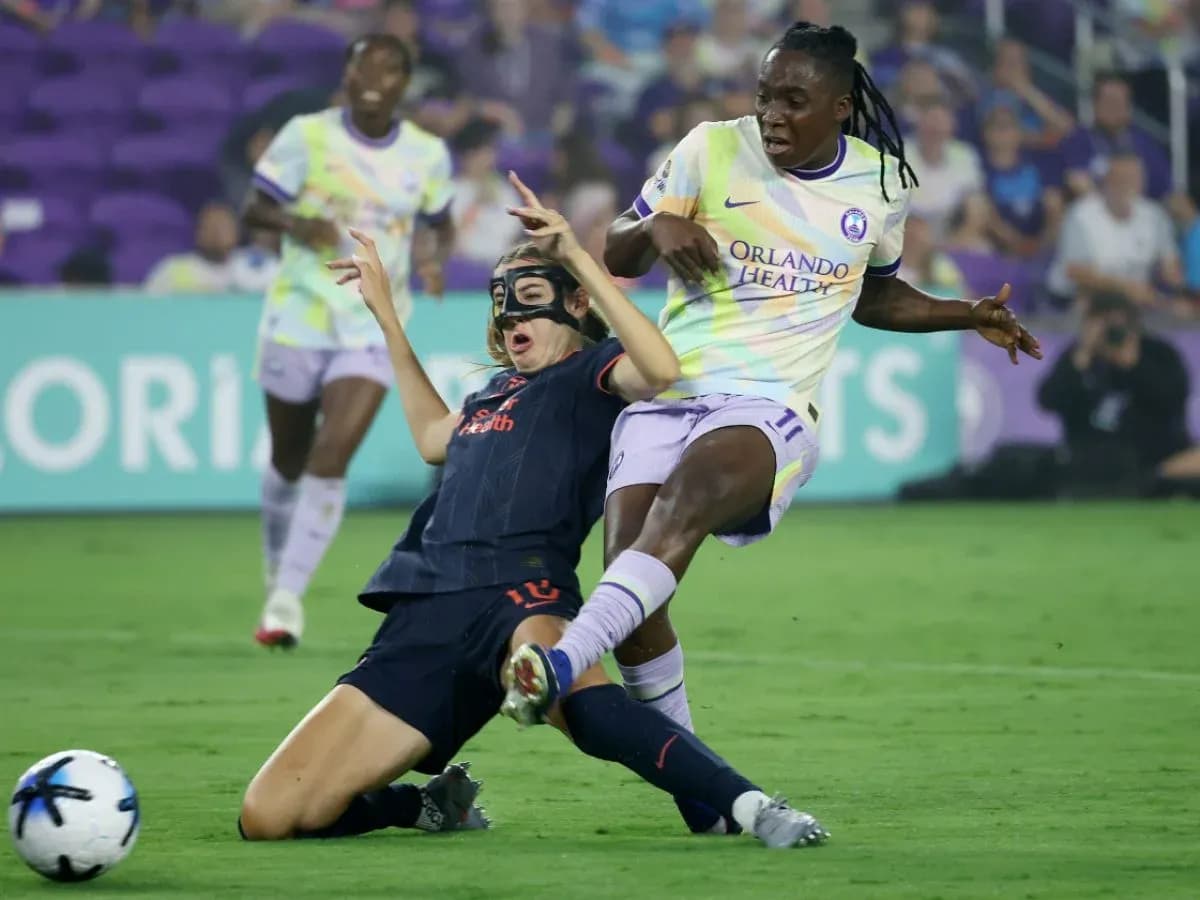
Under the Orlando lights at Inter&Co Stadium, Orlando Pride W’s 3–1 victory over Bay FC W felt less like a routine group-stage result and more like a statement about where these two projects stand in the NWSL Women landscape.
Following this result, the table underlines the divergence. Orlando sit 7th on 17 points with a goal difference of 1, their overall record 5 wins, 2 draws, 5 defeats from 12 matches, built on 18 goals for and 17 against. Bay, by contrast, are 13th on 11 points, their overall goal difference a stark -8 from 9 scored and 17 conceded in 11 games. One side is pushing toward the play-off traffic; the other is fighting not to be left behind.
Both coaches leaned into a 4-2-3-1, but the shapes told different stories. Seb Hines’ Orlando used the system as a platform for front-foot aggression. Anna Moorhouse anchored a back four of Oihane Hernández, Coriana Dyke, Hailie Mace and Rafaelle Souza, with Haley Hanson and Ally Lemos as the double pivot. Ahead of them, a fluid trio of Kerry Abello, Nicole Payne and Luana Bertolucci revolved around the league’s most devastating spearhead: Barbra Banda.
Emma Coates mirrored the structure, but Bay’s version was more fragile. Emmie Allen started in goal behind a young defensive line of Sydney Collins, Joelle Anderson, Brooklyn Jean Courtnall and Madeline Moreau. In midfield, Claire Hutton and Hanna Bebar formed the shield, with Taylor Huff, Caroline Conti and Racheal Kundananji supporting Cristiana Girelli as the nominal striker.
I. The Big Picture – Seasonal DNA in 90 Minutes
Orlando’s campaign numbers foreshadowed what unfolded. At home they average 1.7 goals for and 1.5 against, on their travels 1.3 scored and 1.3 conceded, for an overall attacking output of 1.5 goals per game and 1.4 allowed. They are not watertight, but they are rarely dull. The 3–1 scoreline fits neatly within their biggest home win profile of 3–1 and their season-long willingness to trade punches.
Bay arrived with more modest offensive returns: at home they average 0.7 goals, on their travels 1.0, for an overall 0.8 per game. Defensively, the picture is harsher: 1.3 goals conceded at home, 1.8 away, 1.5 overall. That away figure is telling; on their travels they concede almost twice what they score. Orlando’s three goals simply extended a pattern rather than broke it.
II. Tactical Voids and Discipline – Edges in the Margins
There were no listed absentees in the data, so the voids here are more structural than personnel-based. Orlando’s squad is built around the 4-2-3-1; they have used it in all 12 league matches. That continuity showed in the synchronicity between lines. Hanson and Lemos balanced each other well, one stepping into pressure, the other holding to screen for Rafaelle and Dyke. Mace and Hernández gave natural width from full-back, allowing Abello and Payne to drift into pockets rather than hug the touchline.
Bay, by contrast, have alternated between 4-2-3-1 and 4-3-3 this season (10 and 1 appearances respectively), and the hybrid identity showed. Hutton and Bebar often found themselves stretched, trying to cover horizontal space against a rotating Orlando three. Without the experienced presence of Aldana Cometti, who leads the league in red cards and has already seen one dismissal alongside 3 yellows, Bay lacked a vocal organiser in the back line.
Discipline has been an undercurrent in Bay’s season. Their yellow-card distribution peaks late: 23.81% of their cautions come in the 76–90’ window, and another 19.05% between 91–105’. Red cards are scattered across 0–15’, 61–75’ and 91–105’, each at 33.33%. That profile speaks of emotional spikes and fatigue, and in Orlando it translated into a team that grew ragged as the Pride turned the screw. Orlando are not innocent either: 28.57% of their yellows land between 61–75’ and 21.43% between 76–90’, but they have only one red all season, in the 61–75’ band. They flirt with the line; Bay often cross it.
III. Key Matchups – Hunter vs Shield, Engine Room vs Enforcer
The headline duel was always going to be Barbra Banda against Bay’s defensive resistance. Banda’s league numbers are ruthless: 8 goals in 12 appearances, 41 shots with 23 on target, 12 key passes, and 25 fouls drawn. She is not just a finisher but a gravitational force, constantly bending defensive structures around her. Bay’s overall defensive record – 17 conceded in 11, with 9 allowed in just 5 away games – suggested a back line that could be overwhelmed by that kind of individual threat.
Allen, stepping in ahead of regular starter Jordan Silkowitz (who has conceded 13 goals in 10 appearances but also produced 38 saves), faced a baptism of fire. Without Cometti’s penalty-box presence, Brooklyn Jean Courtnall and Joelle Anderson had to manage Banda’s movement between the lines and into the channels. They never quite solved the puzzle. Every time Orlando transitioned, Banda’s runs dragged the line deeper, creating space for late-arriving midfielders like Luana and Payne to exploit.
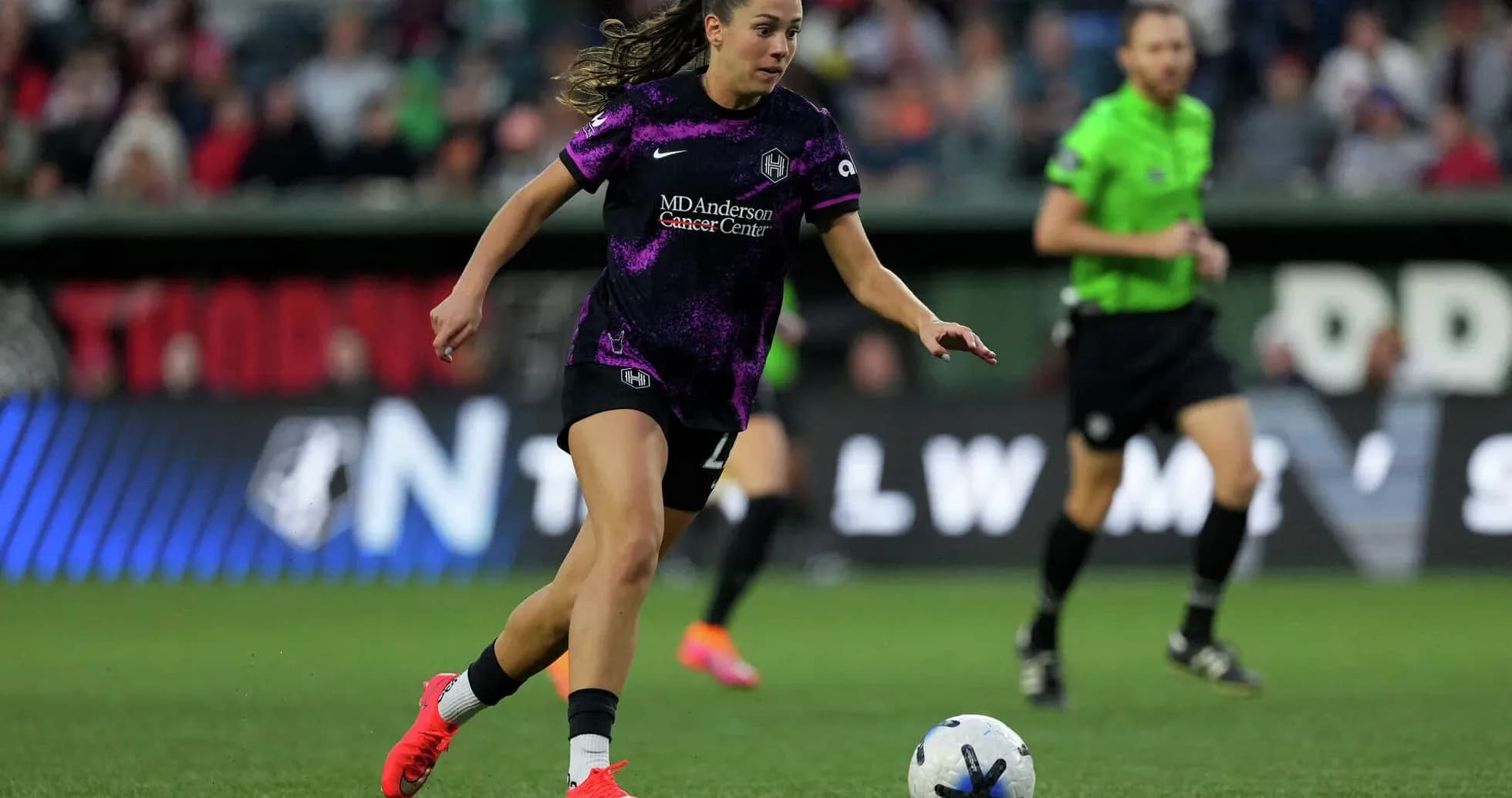
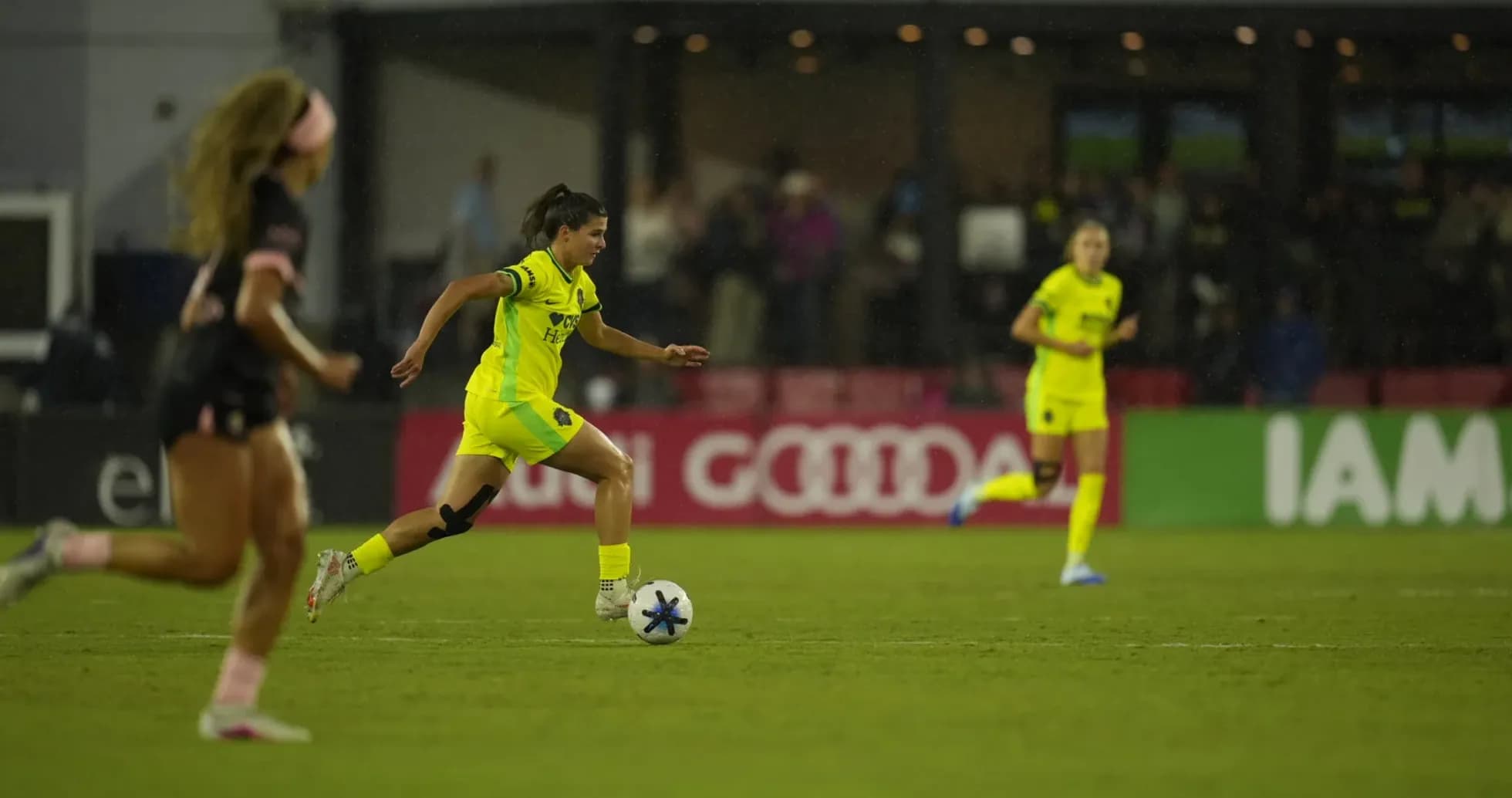
In midfield, the “Engine Room” battle pitted Orlando’s double pivot and roaming 10s against Bay’s most reliable outfield presence, Claire Hutton. Hutton’s season is a study in industrious control: 418 passes at 77% accuracy, 11 key passes, 29 tackles, 2 blocked shots and 23 interceptions. She is Bay’s metronome and enforcer rolled into one, and she shouldered that responsibility again in Orlando.
Yet the numbers underline how much she is being asked to do. Hutton has 112 duels this season, winning 64; that volume hints at a midfield often under siege. Huff, another key Bay midfielder, brings bite and risk—16 tackles, 8 fouls committed, a yellow and a red. Together they tried to stem Orlando’s rotations, but with Hanson and Lemos offering secure platforms and Abello, Luana and Payne interchanging positions, the Pride consistently found overloads between the lines.
On the other side of the ball, Orlando’s defensive spine quietly did its job. Mace, one of the league’s more active full-backs, has 26 tackles, 4 blocked shots and 24 interceptions this season, and her reading of Bay’s wide threats helped funnel attacks into central congestion where Rafaelle and Dyke could dominate aerially and on the ground.
IV. Statistical Prognosis – xG Story Without the Numbers
Even without explicit xG values, the season data and match pattern point toward an Expected Goals landscape that favoured Orlando. At home they generate 1.7 goals per game and have yet to fail to score in front of their own fans. Bay, meanwhile, have failed to score 5 times overall, including 2 away, and concede 1.8 goals per game on their travels.
Layer in the tactical realities – Banda’s shot volume and chance creation, Orlando’s comfort in a settled 4-2-3-1, Bay’s disciplinary volatility and structural uncertainty – and a home win always looked the likeliest outcome. A 3–1 scoreline is not a freak outlier; it is an expression of underlying trends.
Following this result, Orlando consolidate their identity as a high-ceiling, occasionally chaotic contender whose attack can overwhelm flawed defences. Bay leave Orlando with familiar questions: how to protect a talented but exposed midfield core, how to stabilise a defence that concedes heavily away, and how to harness the likes of Hutton and Huff without asking them to do everything at once.