Oakland Roots and Miami FC Battle to Tactical Draw
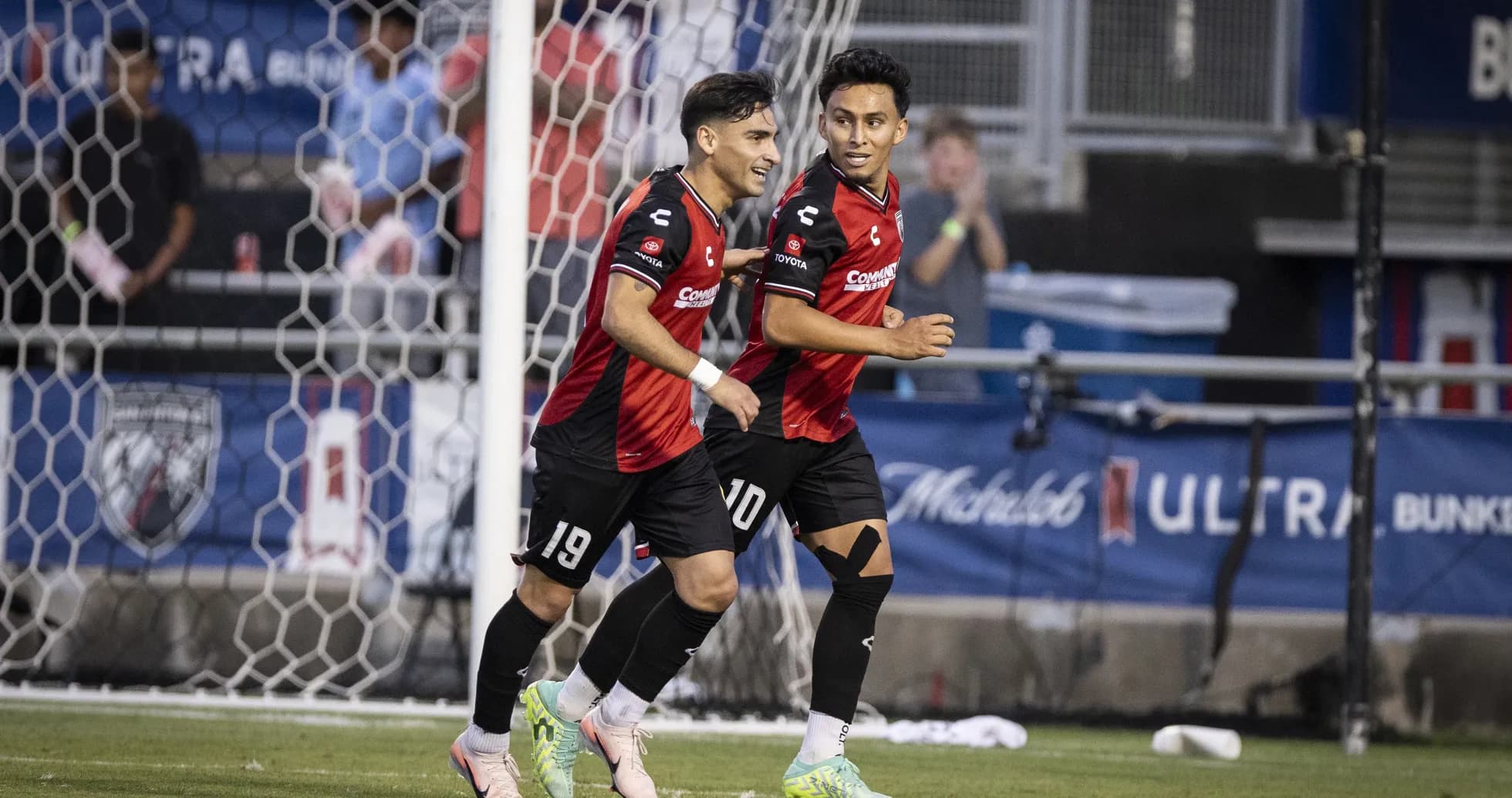
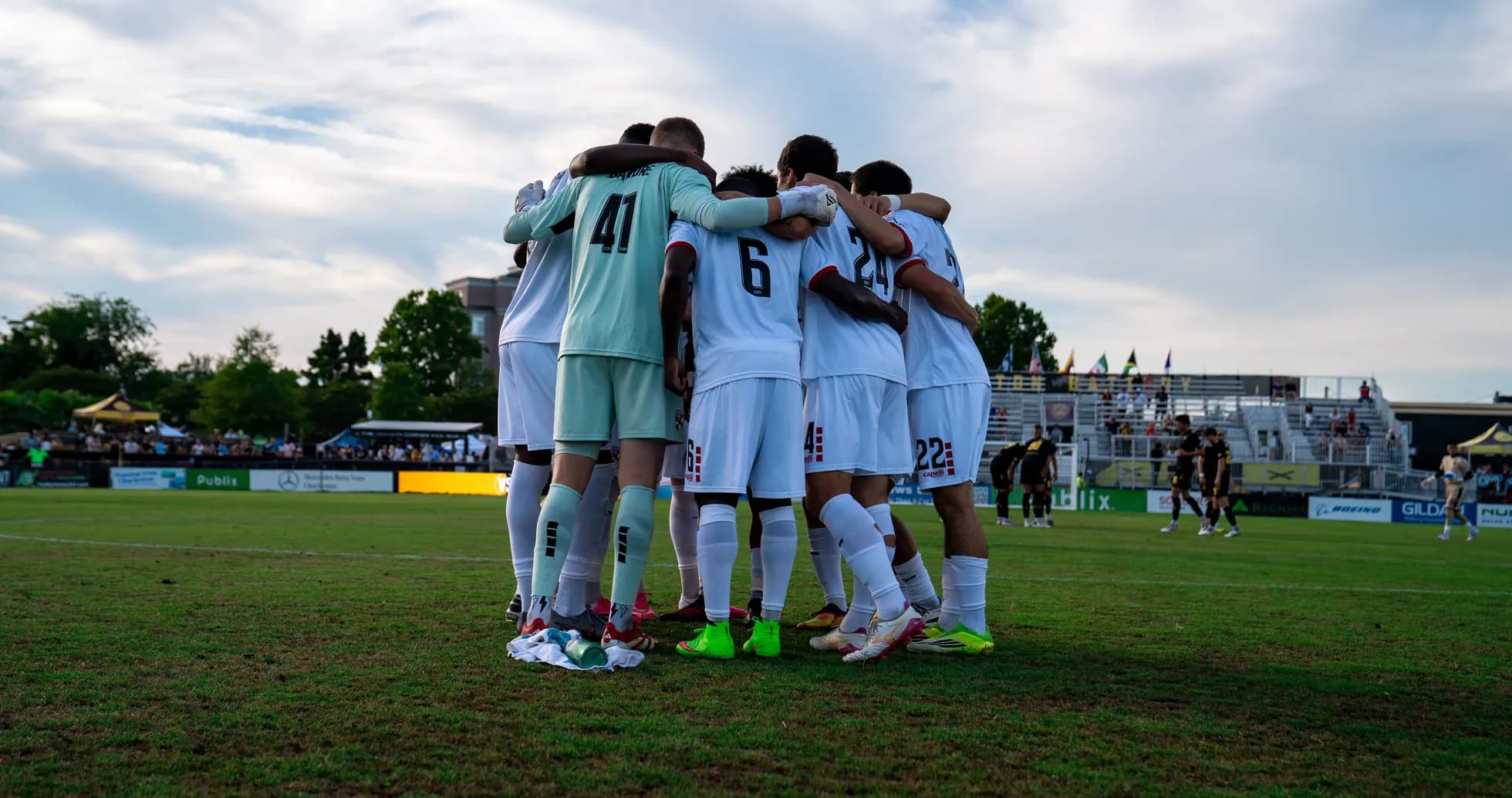
Under the cool night lights at Laney College Football Stadium, Oakland Roots and Miami FC played out a goalless draw that felt less like a stalemate and more like a tactical arm-wrestle. In a USL Championship Group Stage where both sides are chasing play-off certainty, the 0-0 leaves Oakland still looking like a top-end contender and Miami clinging to the pack, both on 17 points but shaped by very different seasonal profiles.
Heading into this game, Oakland sat 3rd in USL 1 with 17 points from 12 matches and a goal difference of 2, built on an overall record of 18 goals for and 16 against. At home they had been relatively efficient: 7 matches, 3 wins, 2 draws, 2 defeats, with 9 goals scored and 7 conceded. Miami, 8th with the same 17 points but a goal difference of -4, arrived as a paradox: hard to beat, but rarely explosive. Over 13 matches they had 15 goals for and 19 against; away from home they had played 8 times, winning 1, drawing 4, losing 3, scoring 6 and conceding 10.
I. The Big Picture: Two Identities Colliding
Oakland’s seasonal DNA is of a side that leans into controlled risk. Overall they average 1.5 goals scored per match and 1.3 conceded, with a willingness to trade chances but within a measured structure. At home that shifts slightly: 1.3 goals for and 1.0 against, underlining why Laney has become more about control than chaos. Just 1 clean sheet at home in total before this fixture suggested a team that usually bends but does not break.
Miami’s identity on their travels is almost the mirror image. Away they average just 0.8 goals scored but 1.3 conceded, leaning into compactness, deep blocks and long spells without the ball. Yet they had collected 4 away clean sheets overall, an impressive number for a side whose away goal difference is -4 (6 for, 10 against). Their overall clean-sheet count of 5, despite failing to score in 7 matches, tells you their comfort in low-event football.
This match, finishing 0-0, was the logical midpoint of those two trajectories: Oakland’s home control versus Miami’s away resilience.
II. Tactical Voids and Disciplinary Undercurrents
With no official list of absentees, both coaches leaned heavily on their core groups. For Oakland, Ryan Martin trusted K. McIntosh in goal behind a back line anchored by K. Tingey, M. Edwards and J. Bravo. In front of them, the technical axis of F. Valot, T. McCabe and F. Bettache offered craft and rhythm, while B. Byaruhanga added balance in midfield. Wide and advanced zones were patrolled by W. Prentice and B. Jacquesson, tasked with stretching Miami’s compact shape.
On the opposite bench, Gaston Maddoni assembled a Miami side built for resilience. F. Rodriguez in goal was shielded by a defensive core including B. Ndiaye, D. Knutson and A. Calfo, with the double presence of Tulu and R. Tori in deeper zones hinting at a conservative, screening-first approach. Ahead of them, T. Musto and A. Milesi provided connective tissue, while R. Da Costa, J. Sonora and M. Diallo offered the counter-attacking threat.
The disciplinary profiles of both teams framed the risk. Oakland’s yellow-card distribution this season shows a clear spike from 61-75 minutes at 26.32%, with further significant clusters at 46-60 minutes (21.05%), 76-90 minutes (21.05%) and 91-105 minutes (21.05%). Their red cards have been rare but dramatic, split evenly between 46-60 minutes (50.00%) and 91-105 minutes (50.00%). That pattern suggests a side whose intensity can boil over around the hour mark and deep into added time.
Miami’s yellow-card curve is even more telling: 61-75 minutes and 76-90 minutes both account for 25.64% of their cautions, with 15.38% each in the 31-45 and 46-60 windows. Their only red card this season came in the 61-75 band (100.00% of their reds), underlining how the third quarter of games is often their most combustible phase.
In a match that remained goalless, the late-game caution both sides showed around that 61-75 window felt deliberate: neither wanted to tilt a finely balanced contest with a reckless challenge.
III. Key Matchups: Hunter vs Shield, Engine vs Enforcer
Without individual scoring data, the “Hunter vs Shield” battle here is best read through unit-versus-unit dynamics. Oakland’s home attack, averaging 1.3 goals, faced a Miami away defence that, despite conceding 1.3 goals per away match, had already produced 4 away clean sheets. The duel between Oakland’s creative trio of Valot, Bettache and McCabe and Miami’s screening pair Tulu–Tori defined the evening.
Valot’s role as the central schemer, dropping into pockets to link with Byaruhanga, constantly asked questions of Miami’s midfield block. Tulu and R. Tori, however, were disciplined in protecting the space in front of D. Knutson and A. Calfo, forcing Oakland to circulate wide towards Prentice and Jacquesson rather than slicing through the middle.
In the “Engine Room”, McCabe and Byaruhanga were tasked with setting Oakland’s tempo, recycling possession and preventing Miami’s counters from turning into full transitions. Opposite them, A. Milesi and T. Musto tried to compress the central channel, slowing Oakland’s progression and looking to spring J. Sonora and M. Diallo into space whenever the hosts overcommitted.
IV. Statistical Prognosis and xG Logic
Even without explicit xG numbers, the statistical context helps sketch the expected goals landscape. Heading into this game, Oakland’s overall profile of 1.5 goals for and 1.3 against per match suggests their typical contest hovers around an xG sum in the 2.5–3.0 range. Miami’s overall 1.2 goals scored and 1.5 conceded per match points to a similar band, but their away output of 0.8 goals for hints at a lower attacking xG on their travels, especially when they lean into defensive setups.
Overlaying those tendencies, a pre-match model would likely have projected Oakland to generate the higher xG, driven by territorial dominance and volume of entries into the final third, with Miami aiming to compress quality and survive on fewer, more selective shots. The goalless outcome suggests either wasteful finishing from Oakland, standout work from F. Rodriguez and his back line, or both.
Following this result, Oakland’s identity as a controlled, play-off-calibre side is reinforced: they remain hard to beat, their goal difference staying positive, and a home clean sheet adds weight to a defence that had only 2 overall shutouts before this fixture. Miami, meanwhile, deepen their reputation as away spoilers: low-scoring, structurally sound, and comfortable dragging superior opponents into narrow margins.
If there were an xG verdict, it would likely read: Oakland ahead on chance quality and volume, Miami ahead on defensive execution. In a long USL Championship season, this kind of 0-0 can feel like dropped points for the hosts, but tactically, it was a night that confirmed both teams’ blueprints rather than rewriting them.