Colorado Springs vs Sacramento Republic: A Test of Identity
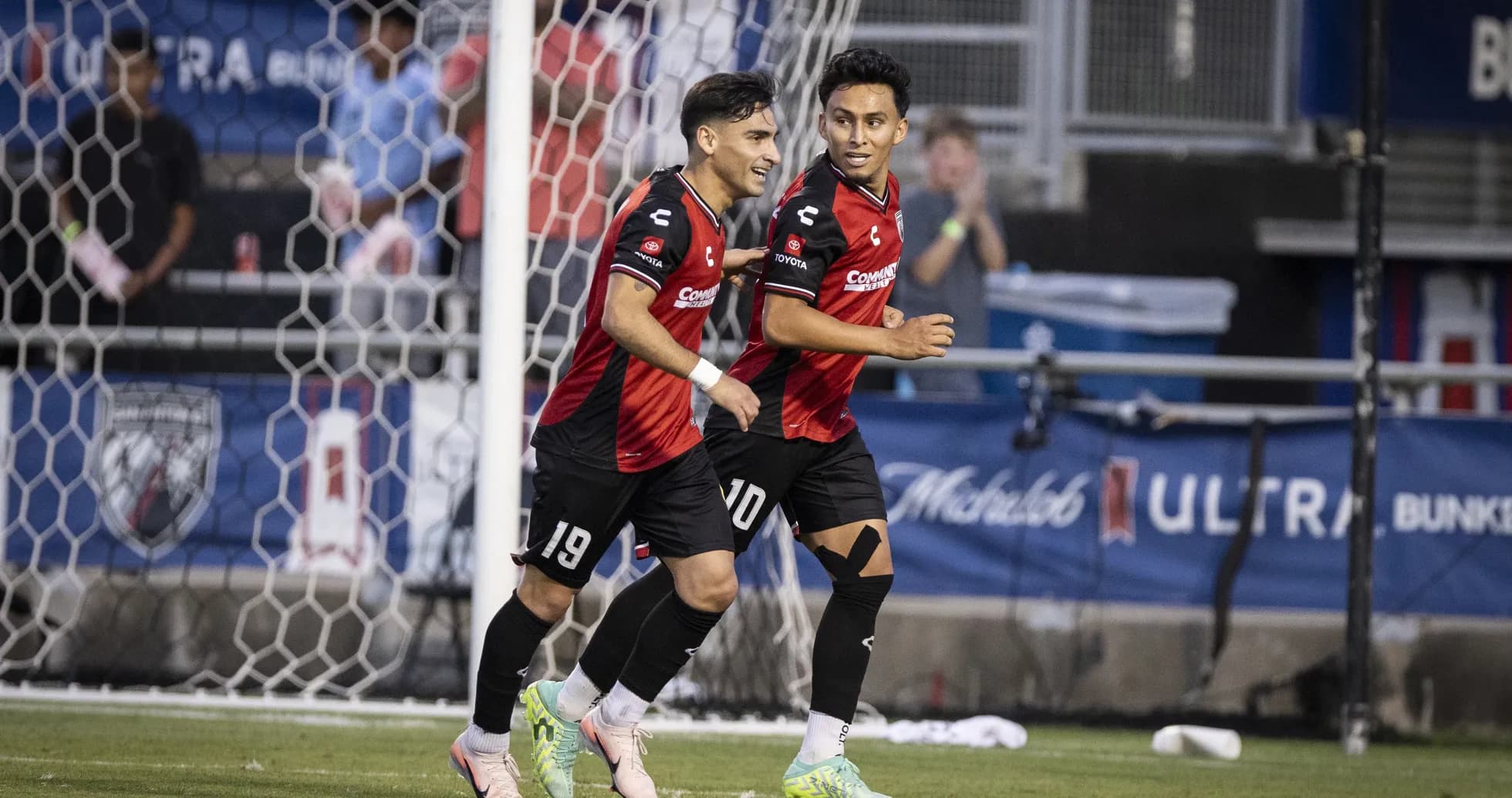
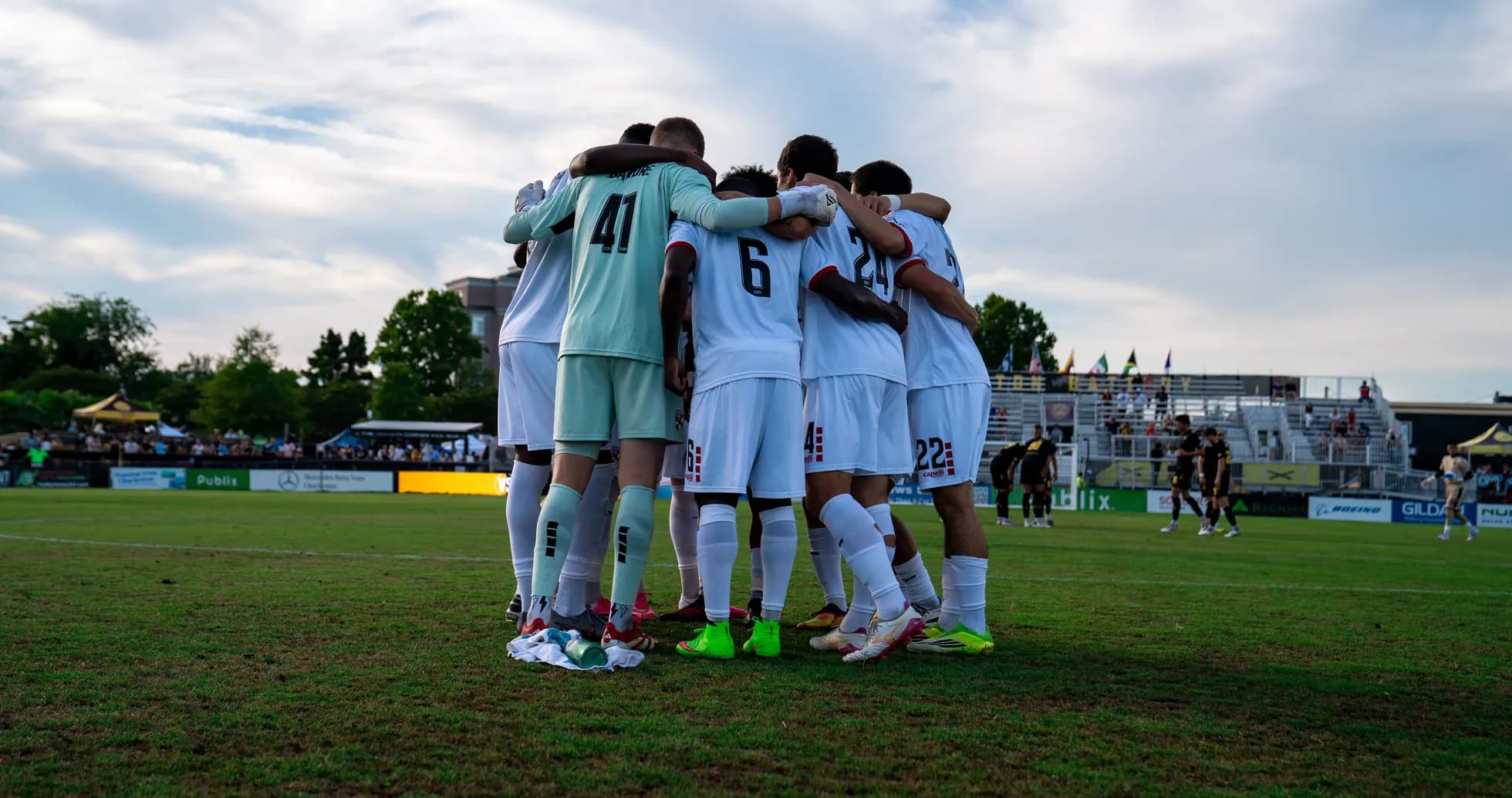
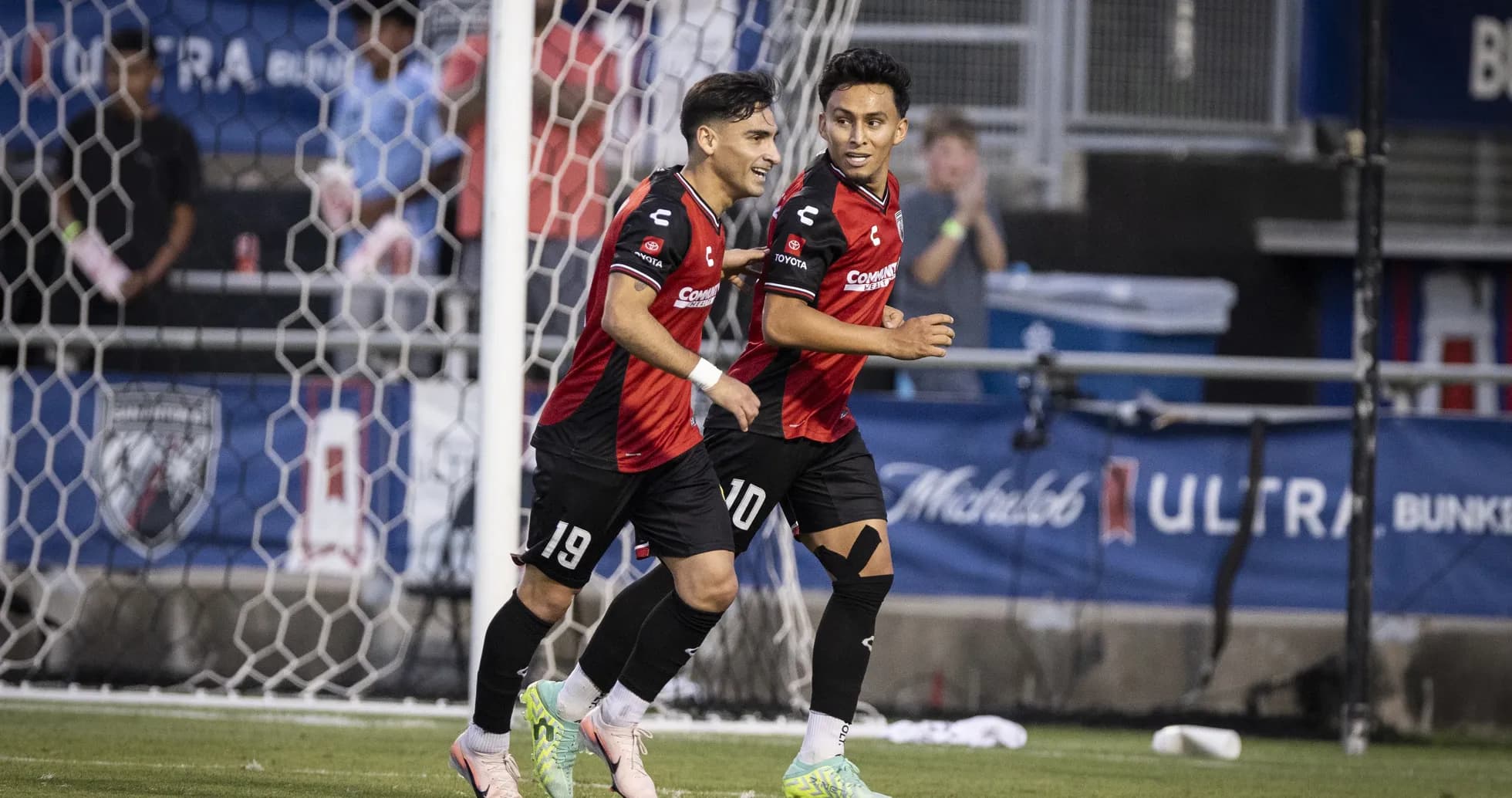
Under the thin Colorado night air at Weidner Field, this USL Championship Group Stage meeting felt like a litmus test of identity as much as a contest for points. Colorado Springs, 11th in the conference heading into this game with 13 points and a goal difference of 0, have spent the early season oscillating between expansive attacking ambition and defensive fragility. Sacramento Republic arrived as the more stable force: 5th in the table with 16 points and a goal difference of 2, their promotion play-off credentials already underlined by a defensive record that travels well.
Final Score: Colorado Springs 0, Sacramento Republic 1
The final scoreline – Colorado Springs 0, Sacramento Republic 1 – crystallized those narratives. For the hosts, it was another night where their attacking volume did not translate into end product. For the visitors, it was a textbook away performance from a side that knows how to suffer, manage tempo, and escape with a clean sheet and three points.
Colorado Springs’ season-long numbers framed the tension. Overall, they average 1.6 goals for and 1.6 goals against per match, a statistical embodiment of their 18–18 overall goal line from 11 games. At home, their attacking output has been strong at 2.0 goals for per game, but that comes with 1.4 goals against. They came into this fixture knowing they could blow teams away at Weidner Field, yet equally aware that one lapse could undo the work of an entire evening.
Sacramento’s profile is almost the mirror opposite. Overall they score 1.2 goals per match and concede 1.0, built on a defensive platform that has already delivered 4 clean sheets in 11 outings. On their travels, they are more cautious: only 0.7 goals for away, but just 1.0 against. The Republic do not overwhelm you; they constrict you. That dynamic – Colorado Springs’ aggressive home scoring rate against Sacramento’s disciplined away defending – was always going to decide the story.
Alan McCann’s selection for Colorado Springs hinted at continuity and verticality rather than radical change. C. Shutler started in goal, shielded by a defensive line built around P. Burner, T. Maples, M. Mahoney and A. Rocha. In front of them, S. Williams and S. Masereka offered the legs and bite in midfield, with T. Magee and B. Creek tasked with knitting play between lines. Wide and high, Y. Hanya and K. Bennett were the natural outlets – direct, willing runners to stretch Sacramento’s block.
On the bench, McCann had different profiles to alter the rhythm: A. Perez and J. Tejada as creative and pressing sparks, J. Fjeldberg as a technical wide option, and D. Williams plus K. Kiingi and D. Valenti to adjust the back line or midfield structure. C. Herrera was the insurance in goal.
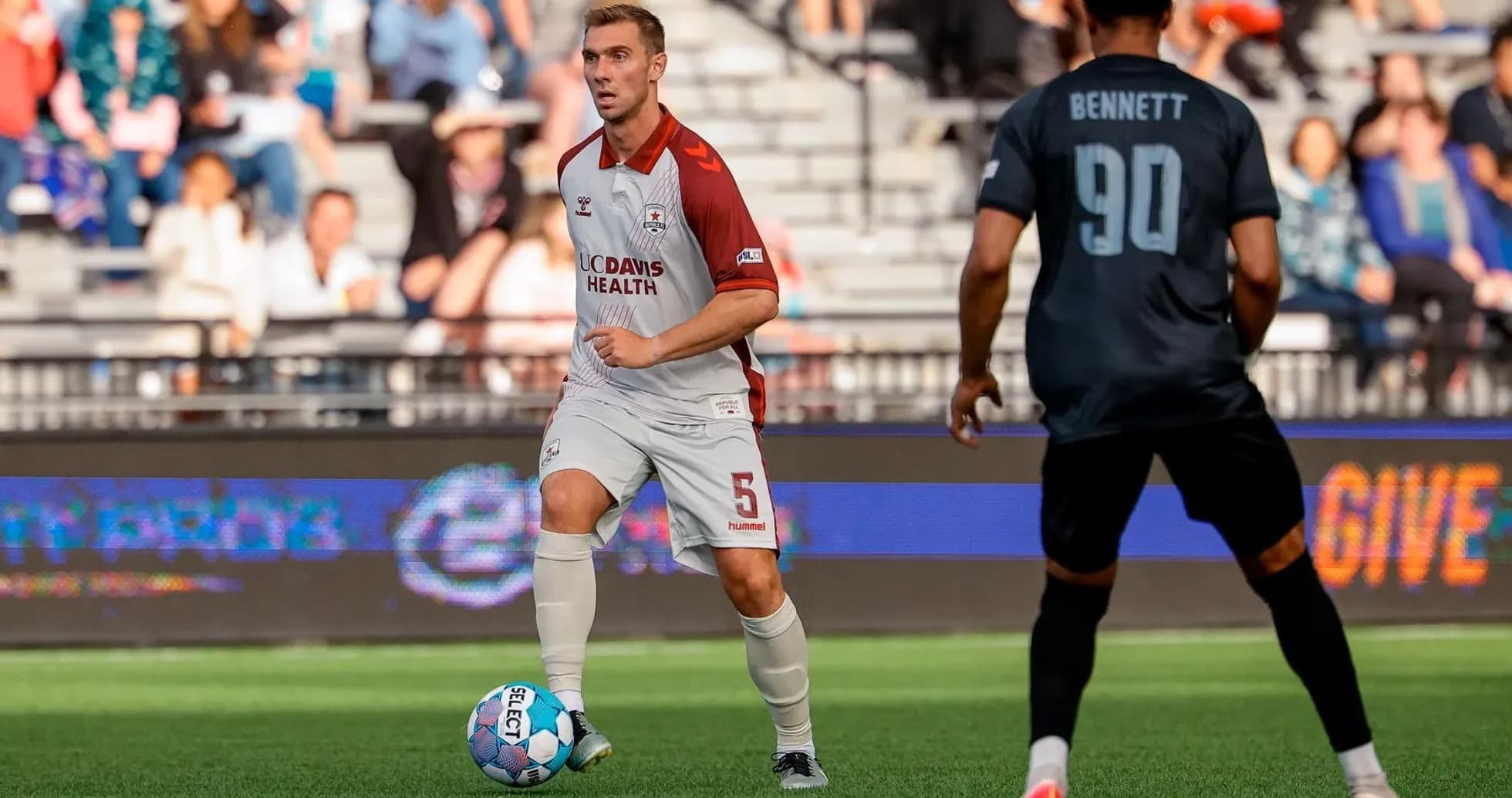
Neill Collins answered with a Sacramento XI that screamed control and structure. D. Vitiello, one of the league’s more reliable keepers, anchored a back line of J. Gurr, J. Timmer, L. Desmond and M. Benitez – a unit that has underpinned those 2 away clean sheets already this season. In midfield, D. Crisostomo and M. Kaye formed the central axis, tasked with screening space and dictating tempo, while T. Wolff and M. Rodriguez provided the connective tissue between lines. Ahead of them, D. Wanner and K. Edwards offered movement and penetration, constantly looking to exploit transition moments rather than dominate the ball.
Collins’ bench was deep and flexible: J. Moya and F. Ajago as fresh legs in attack, A. Rodriguez as a technical 10, R. Spaulding and C. Ukaegbu to adjust the defensive shape, and M. Malango plus A. Essel and B. Willey to add energy in wide or central areas. It was a squad built to change the game in the final half-hour – crucial for a side that often leans on late-game resilience.
Tactically, the voids were less about missing players – there was no formal injury list available – and more about disciplinary risk and emotional control. Colorado Springs’ yellow card distribution this season is relatively even, but there is a notable spike between 46–60 minutes at 20.00%, followed by steady incidents across the final half-hour. That pattern suggests a team that can become stretched and reactive just after half-time, particularly when chasing games.
Sacramento, by contrast, show a very defined disciplinary curve: 29.03% of their yellow cards arrive between 31–45 minutes, and 25.81% between 76–90. They tend to tighten the screw at the end of each half, especially late on, where their willingness to foul and disrupt rhythm becomes a strategic weapon rather than a weakness. In a tight away match, that edge management is invaluable.
Within this frame, the key duels emerged clearly. The “Hunter vs Shield” confrontation pitted Colorado Springs’ home attack – 10 goals from 5 home matches – against a Sacramento away defense that concedes only 1.0 goal per game on their travels and has already delivered 2 away clean sheets. Shutler and his back line needed to be near-perfect to protect a side that usually leans on outscoring opponents; instead, the night turned into a test of their ability to live in the margins, and they fell just short.
In the “Engine Room,” the contest between S. Williams and S. Masereka on one side and the Sacramento duo of Crisostomo and Kaye on the other decided who controlled the middle third. Colorado Springs, a team that has failed to score in 3 matches overall, needed clean progression into the feet of Hanya and Bennett to unlock space. Sacramento’s central pairing, however, are drilled in compact distances and positional discipline, the same habits that underpin their 11 goals against overall.
Following this result, the statistical prognosis for both sides hardens. Colorado Springs’ overall balance – 18 scored, 18 conceded – still speaks of a team that lives on the edge of chaos, but another blank at home will raise questions about their ability to convert territorial dominance into high-quality chances, especially against organized blocks. Their perfect penalty record this season (5 scored from 5, with 0 missed) offers one route to goals, but they cannot rely on spot-kicks alone.
For Sacramento, this 1–0 away win is almost a pure expression of their identity. A side averaging only 0.7 goals for away but 1.0 against has once again proven that a single moment of incision, backed by collective defensive control, is enough. Their xG profile – inferred from a modest scoring rate but consistently low goals against – suggests a team that may never blow opponents away, yet will remain in every match deep into the final minutes.
In the broader arc of the USL Championship season, this night at Weidner Field felt like a quiet statement. Colorado Springs remain a dangerous, volatile proposition, especially at home, but Sacramento Republic showed that in a league of fine margins, the team that better manages space, discipline, and game states will usually walk away with the points – even if the scoreboard only ever shows a single, solitary goal.