FC Tulsa vs Colorado Springs: A Tactical Analysis of ONEOK Field
Under the lights at ONEOK Field, FC Tulsa’s 1–2 home defeat to Colorado Springs felt less like a one-off setback and more like a revealing chapter in two intersecting campaigns. In the 2026 USL Championship group stage, both sides arrived in playoff territory: Tulsa sitting 4th in USL 1 on 19 points, Colorado Springs 7th with 16. Following this result, the margins between them feel slimmer than the table suggests.
Tulsa’s seasonal DNA has been one of balance and fine margins. Overall they have scored 17 and conceded 16 across 13 matches, a goal difference of +1 built on controlled home performances. At home, they had allowed only 6 goals in 7 games before this fixture, conceding an average of 0.9 while scoring 9 at an average of 1.3. Colorado Springs, by contrast, are a more volatile proposition: 20 goals for and 19 against overall in 12 games, a goal difference of +1 shaped by a 1.7 goals-for average and 1.6 against. On their travels they remain dangerous, with 10 away goals in 7 matches at 1.4 per game, but defensively looser, conceding 12 away at 1.7.
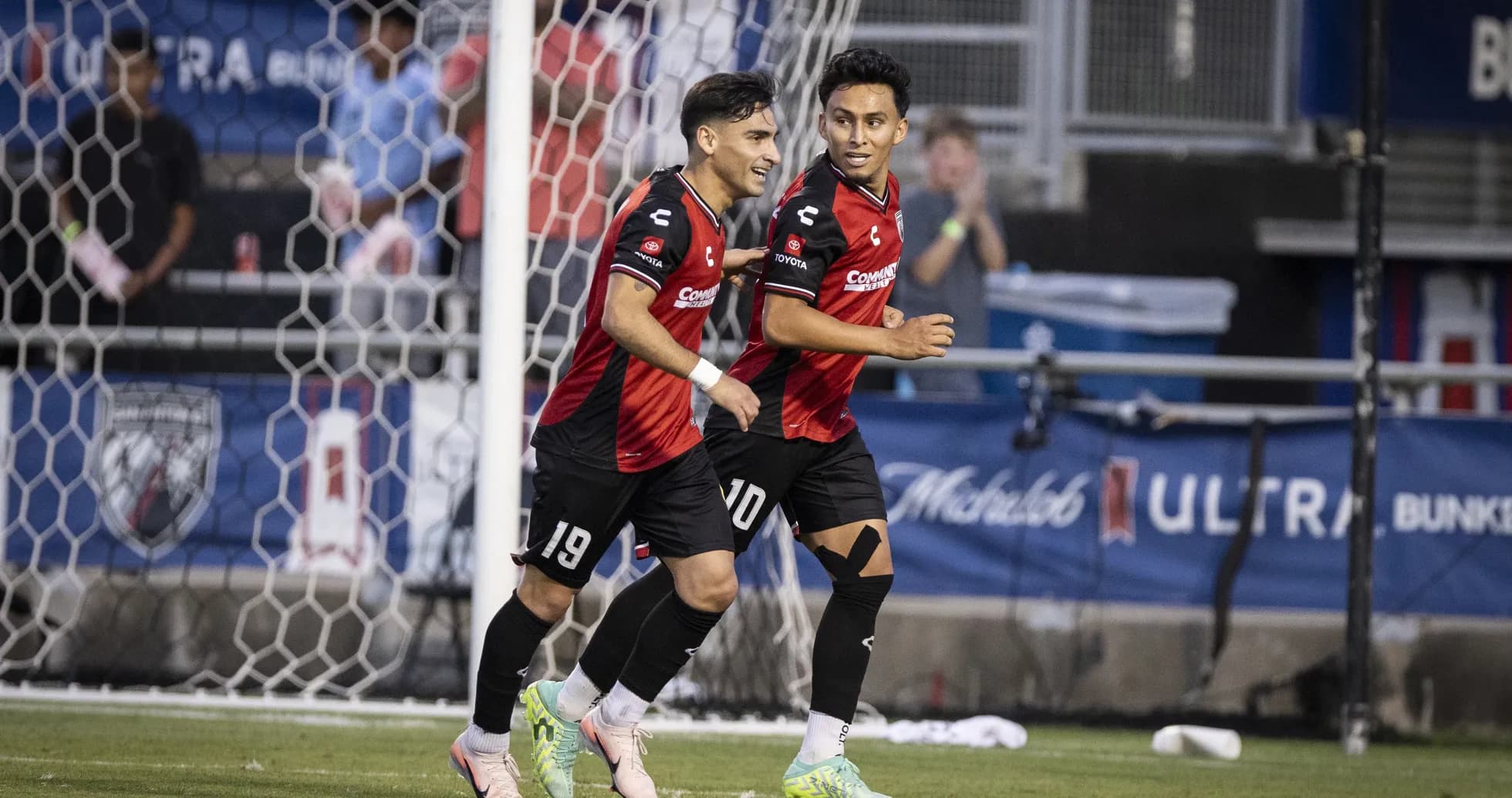
The final scoreline at ONEOK Field echoed those season-long patterns: Tulsa controlled portions of the night and struck first, but Colorado Springs’ capacity to trade punches and live with chaos eventually told, turning a 1–0 half-time deficit into a 2–1 away win.
Tactical voids and discipline – where Tulsa’s structure frayed
Neither side’s absentee list is documented, so the story is told through the starting elevens and the way they bent under pressure.
Luke Spencer’s Tulsa XI was built around a compact spine. A. Tambakis in goal anchored a back line featuring the imposing A. Cissoko and the versatile L. Batista, supported by G. Robinson and D. Pierre. Ahead of them, the likes of B. Sparks, G. Colli and J. Webber offered legs and passing angles, while K. Elmedkhar and R. Cabral provided the attacking edge. It is a group that, across the season, has delivered 4 clean sheets in total, including 3 at home, and rarely loses shape for long spells.
Yet the season’s disciplinary profile hints at a hidden cost. Heading into this game, Tulsa’s yellow cards were heavily clustered after the interval: 20.00% between 46–60 minutes, 22.86% from 61–75, and another 20.00% from 76–90. That is a team that grows more combative as the game wears on, often to protect a lead or chase a result. On this night, as Colorado Springs raised the tempo after the break, that tendency likely translated into late defensive scrambling rather than calm control.
Colorado Springs, under Alan McCann, named an XI that signalled aggression and mobility. C. Shutler in goal sat behind a back unit led by P. Burner, T. Maples and M. Mahoney, with A. Rocha and D. Williams providing ballast in midfield. The attacking band of B. Creek, A. Perez, J. Tejada, J. Fjeldberg and K. Bennett promised rotation and penetration. Season-long, their discipline chart mirrors Tulsa’s late intensity: 23.81% of their yellows come between 46–60 minutes, with another 14.29% in the final quarter-hour and 14.29% in added time. They are a side that willingly walks the disciplinary tightrope to tilt second halves in their favour.
In a match that finished 2–1 to the visitors, that willingness to absorb risk after the break, to step higher and commit more bodies, filled the tactical void Tulsa could not plug once they lost control of the tempo.
Key matchups – Hunter vs Shield, and the engine room war
The core duel of the night was conceptual rather than individual: Colorado Springs’ high-output attack against Tulsa’s previously stingy home defence. On their travels, Colorado Springs arrived with 10 away goals in 7 games; Tulsa had conceded only 6 at home in 7. Something had to give.
Tambakis, shielded by Cissoko, Batista and Robinson, represented the “Shield” that had underpinned Tulsa’s 0.9 goals-against home average. On the other side, the “Hunter” was a collective: Bennett’s running in behind, Fjeldberg’s movement between lines, Perez’s creativity, and Tejada’s work rate. Over 90 minutes, the visitors’ attacking carousel dragged Tulsa’s defenders into uncomfortable zones, and the final 1–2 scoreline is a clear marker that the Hunter won this particular duel, doubling what Tulsa normally concede at home.
If the scoreboard belonged to the forwards, the match’s rhythm was dictated in midfield. G. Colli and J. Webber are central to how Tulsa build: recycling possession, setting the press triggers, and helping maintain the compactness that has delivered 4 clean sheets overall. Opposite them, A. Rocha and D. Williams formed a pragmatic Colorado Springs core, tasked with disrupting Tulsa’s passing lanes and springing quick transitions to the front four.
Season data hints at how that battle tilted. Colorado Springs’ ability to score 1.7 goals per game overall, despite conceding frequently, suggests they excel at turning broken play into chances. Once the game opened up after the interval, Rocha and Williams likely found more second balls and more room to release Perez, Tejada and Fjeldberg. For Tulsa, whose form line (LDWDLDWWWDLWL) already showed a recent wobble, losing that central duel meant their front players, including Elmedkhar and Cabral, were increasingly feeding off scraps rather than structured build-up.
Statistical prognosis – what this result says about both campaigns
Following this result, the numbers point to divergent tactical lessons. For Tulsa, the concern is clear: their home defensive platform, previously allowing just 0.9 goals per game, has been breached twice in one night by a side whose away average was 1.4. Their overall goals-against figure of 16 in 13 matches (1.2 per game) still looks respectable, but the trend line suggests that when the tempo rises after half-time, their foul count and defensive stress rise with it.
Colorado Springs, meanwhile, continue to live in the margins but make them work. With 20 goals for and 19 against overall, their +1 goal difference underlines a team that rarely wins by suffocating opponents; instead, they outscore them. Their 1.7 goals-for average, combined with a single clean sheet all season, frames a tactical identity: embrace risk, trust the front line, and accept that control will often be partial rather than total.
In xG terms, the pattern you would expect from these profiles is a relatively even first half, with Tulsa’s structure limiting clear chances, followed by a second half where Colorado Springs generate a higher volume of opportunities as they push numbers forward. The final 2–1 away win fits that projection: the visitors’ attacking volume eventually overwhelmed a Tulsa side that, once forced into a stretched game, could not lean on its usual home solidity.
As the USL Championship group stage grinds on, this match reads as a warning for FC Tulsa and a validation for Colorado Springs. Tulsa must find a way to protect their defensive identity in the chaotic middle of games, especially from 46–75 minutes where both their yellow cards and concessions threaten to spike. Colorado Springs, for their part, will feel emboldened to keep trusting their offensive instincts on their travels, knowing that even against one of the league’s tighter home defences, their attacking “Hunter” can still bring down the “Shield.”