Iran and New Zealand Draw in World Cup Opener: Tactical Insights
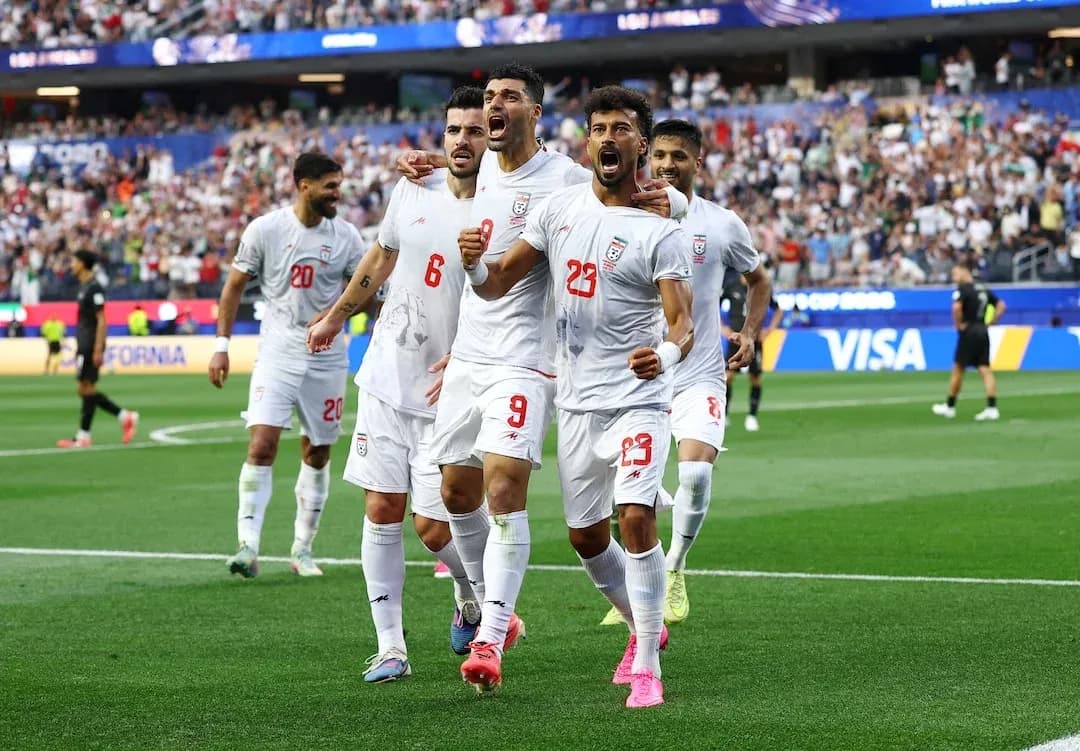
Under the California lights of SoFi Stadium, Iran and New Zealand opened their World Cup journeys with a 2–2 draw that told a story of contrasting structures and shared ambition. Heading into this game, both sides were blank slates in Group G; following this result, New Zealand sit 1st and Iran 2nd, each with 1 point, each with a goal difference of 0 after scoring and conceding 2 in total.
I. The Big Picture – Systems and Early Identities
Iran arrived with a clear identity: a 4-4-2 under Amir Ghalenoei, built on compact lines and experienced leadership. At home in this fixture, they had already shown they could both score and concede in equal measure, with 2 goals for and 2 against at home, averaging 2.0 goals scored and 2.0 conceded at home in total this campaign. The structure was orthodox but purposeful: Alireza Beiranvand as the anchor in goal; a back four of Milad Mohammadi, Ali Nemati, Shoja Khalilzadeh, and the influential Ramin Rezaeian; a midfield band of four with Aria Yousefi, Saeid Ezatolahi, Saman Ghoddos, and Mohammad Mohebi; and a front two of Shahriar Moghanlou and Mehdi Taremi.
New Zealand, officially the away side, countered with a modern 4-2-3-1. Max Crocombe started in goal, shielded by a back line of Liberato Cacace, Michael Boxall, Finn Surman, and Tim Payne. In front, the double pivot of Joe Bell and Marko Stamenic provided balance, while a creative trio of Elijah Just, Sarpreet Singh, and Callum McCowatt operated behind lone striker Chris Wood. On their travels, New Zealand’s numbers mirrored Iran’s: 2 goals scored away, 2 conceded away, with an away average of 2.0 goals both for and against in total this campaign. This was a match of mirrored goal profiles, but very different ways of reaching them.
II. Tactical Voids and Discipline – Edges at the Margins
Injuries and suspensions did not define this fixture; the squads were largely intact, and both benches were deep. Iran’s substitutes’ bench was stacked with experience and variety: Ehsan Hajsafi, Mahdi Torabi, Alireza Jahanbakhsh, and multiple forward options such as Mehdi Ghayedi, Ali Alipour, and Dennis Eckert Ayensa. New Zealand’s bench, meanwhile, offered defensive cover in Tommy Smith, Nando Pijnaker, and Francis De Vries, plus attacking changes like Kosta Barbarouses, Ben Waine, and Benjamin Old.
The disciplinary story, however, tilted the narrative slightly. Heading into this game, Iran’s season card profile already hinted at a late-game edge: all of their yellow cards in total this campaign had come in the 76–90’ window, a concentrated 100.00% of their cautions. That pattern found a face in Ehsan Hajsafi, who, despite starting on the bench, emerged as a key figure in the card story. He made 1 appearance, entering from the bench for 25 minutes, and collected 1 yellow card while engaging in 3 duels and winning 2. His presence in both the top yellow cards and top red cards lists underlines how fine the disciplinary margins were for Iran; one mistimed challenge could have tilted a balanced group.
New Zealand, by contrast, emerged from this fixture with a clean disciplinary slate: no yellow or red cards recorded in any minute range so far in total this campaign. That composure may become a quiet advantage in a group where every suspension could prove fatal.
III. Key Matchups – Hunter vs Shield, Engine Room vs Engine Room
The headline duel was on Iran’s right flank: the “Hunter vs Shield” dynamic embodied by Ramin Rezaeian. Officially a defender, he was Iran’s most complete performer. Over 90 minutes, he scored 1 goal and delivered 1 assist, placing himself simultaneously among the top scorers and top assist providers of the tournament so far. His 41 passes with 3 key passes, 3 tackles, and 2 interceptions painted the picture of a full-back who effectively played as both winger and auxiliary playmaker.
Against him, New Zealand’s defensive structure had to bend without breaking. Boxall and Surman were constantly asked to track Iran’s front two while also accounting for Rezaeian’s surges. The fact that New Zealand conceded 2 goals away, matching their away average of 2.0 conceded, suggests that while they were not overrun, they struggled to fully contain Iran’s right-sided overloads.
On the other side of the ball, the “Hunter” was unmistakably Elijah Just. With 2 goals in 90 minutes, 2 shots and 2 on target, he was ruthlessly efficient, turning limited openings into maximum damage. Supported by Chris Wood’s hold-up and creative work—Wood logged 2 assists, 4 key passes, and 3 shots with 2 on target—New Zealand’s attacking axis of Just and Wood became the game’s most dangerous partnership. Wood’s rating of 6.9 belies his influence as a facilitator; he was the fulcrum around which New Zealand’s 4-2-3-1 rotated.
In midfield, the “Engine Room” confrontation was more subtle but just as decisive. Saeid Ezatolahi and Saman Ghoddos tried to control tempo and link Iran’s lines, while Joe Bell and Marko Stamenic offered New Zealand a double pivot that could both screen and recycle possession. Bell’s positioning allowed the trio of Just, Singh, and McCowatt to stay higher, keeping Iran’s full-backs honest and preventing them from flooding forward without consequence.
IV. Statistical Prognosis – What This Draw Tells Us About What Comes Next
With both teams at 1 point, 2 goals for and 2 against, and a total goal difference of 0, the numbers frame this as an even contest. Yet the qualitative data suggests slightly different futures.
Iran’s profile is that of a high-variance side at home: they have not kept a clean sheet in total this campaign, with 0 clean sheets and 0 matches where they failed to score. They will almost certainly be involved in open, chance-heavy games. Their expected goals profile—though not explicitly given—would logically skew high at both ends, given a home average of 2.0 goals scored and 2.0 conceded. The tactical question is whether Ghalenoei leans further into Rezaeian’s attacking thrusts and the Taremi–Moghanlou partnership, or reins them in to protect a back line that has yet to shut anyone out.
New Zealand, on their travels, look similarly balanced but with a sharper defined attacking spearhead. With 2 goals away and 2 conceded away, and an away average of 2.0 goals both scored and conceded, their xG trend is likely to mirror Iran’s: high-event football, but with a clearer pattern of chance creation through wide and central combinations involving Just and Wood. Their defensive solidity is not yet proven, but their lack of cards and the structure of their 4-2-3-1 suggest a team that trusts its organisation more than individual last-ditch interventions.
Following this result, the prognosis is of a group where both Iran and New Zealand will be central protagonists rather than passengers. Iran’s late-card tendency and attacking full-backs hint at dramatic, stretched finales in future matches. New Zealand’s composed discipline and efficient front line suggest they will always be one moment away from flipping tight games.
If the raw numbers whisper parity, the tactical story says this: Iran bring chaos and incision from the flanks; New Zealand bring calm structure and a ruthless edge in the final third. The next fixtures in Group G will likely be decided at the intersection of those identities—where Rezaeian’s raids meet Just’s finishing, and where the engine rooms decide whether this opening draw becomes a platform or a missed opportunity.