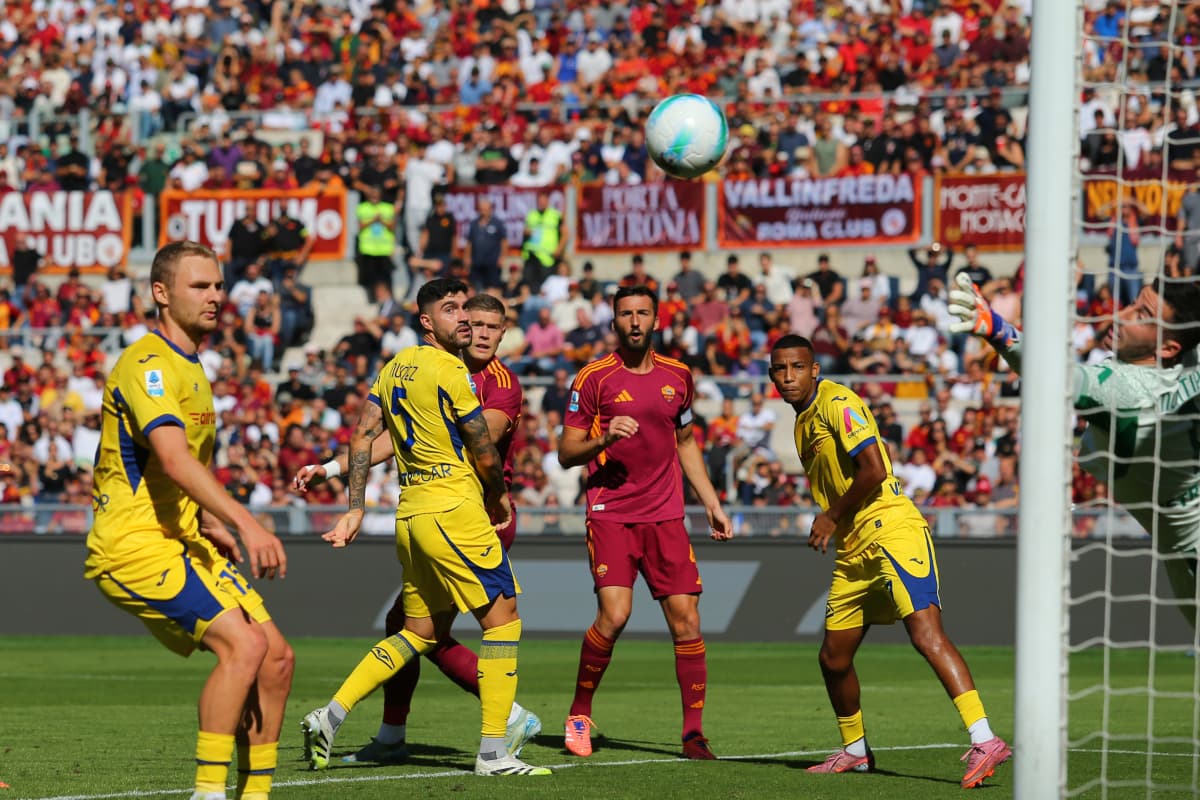
Hellas Verona vs AS Roma: Serie A Final Day Showdown
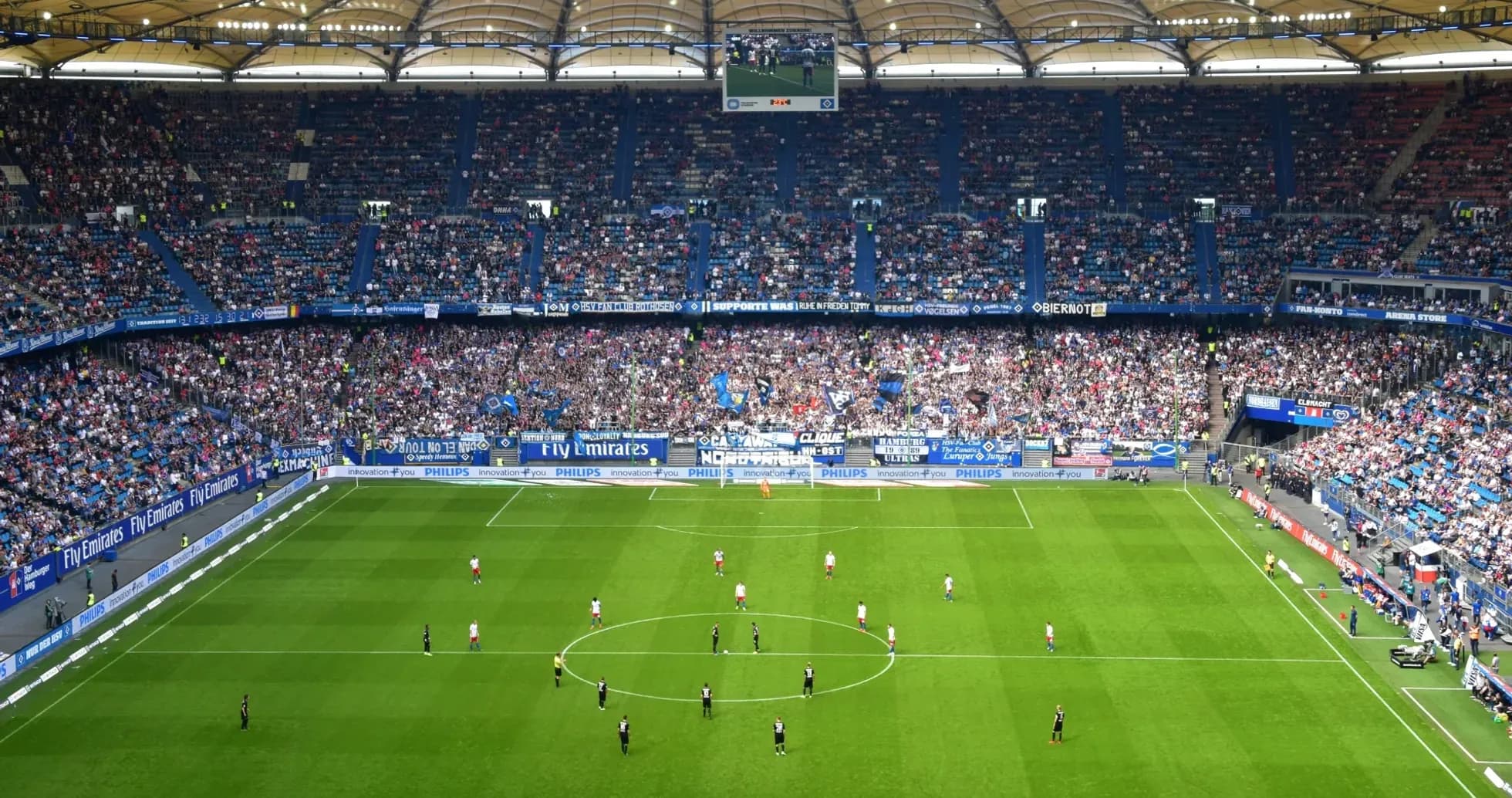
Hellas Verona host AS Roma at Stadio Marcantonio Bentegodi in the final round of Serie A’s regular season, with both teams entering with sharply contrasting stakes. In the league phase, Verona sit 19th on 21 points with a -34 goal difference (25 scored, 59 conceded), already locked in the relegation places, while Roma arrive 4th on 70 points with a +26 goal difference (57 scored, 31 conceded) and needing to consolidate a Champions League position on the final day.
Head-to-Head Tactical Summary
The recent head-to-head record shows a tight but pattern-driven matchup. On 28 September 2025 at Stadio Olimpico in Serie A (Regular Season - 5), Roma beat Verona 2-0, leading 1-0 at half-time. On 19 April 2025, also at Stadio Olimpico (Regular Season - 33), Roma won 1-0, again 1-0 at half-time, underlining their ability to protect narrow advantages at home.
On 3 November 2024 at Stadio Marcantonio Bentegodi (Regular Season - 11), Verona edged a 3-2 home win over Roma, having led 2-1 at half-time, showing that Verona’s most effective route against Roma has been an aggressive, front-foot approach at home. Earlier, on 20 January 2024 at Stadio Olimpico (Regular Season - 21), Roma defeated Verona 2-1 after a 2-0 half-time lead, and on 26 August 2023 at Bentegodi (Regular Season - 2), Verona again beat Roma 2-1, leading 2-0 at half-time.
Across these five meetings, home advantage has been decisive: Roma have three home wins in Rome (2-0, 1-0, 2-1), while Verona have two home wins in Verona (3-2, 2-1). The scorelines point to Roma’s controlled, low-concession home performances versus Verona’s more open, high-event home games where they are prepared to trade chances.
Global Season Picture
- League Phase Performance: In the league phase, Verona’s profile is that of a relegated side with a fragile defense and blunt attack: 3 wins, 12 draws, 22 losses from 37 matches, with 25 goals for and 59 against (goal difference -34). Their home record is particularly weak, with 1 win, 5 draws, 12 defeats and 12 goals scored versus 26 conceded.
- Season Metrics: Given scope detection (team statistics games played = 37, matching the standings), these figures apply in the league phase. Verona’s attack is low-output but consistent in its limitations, averaging 0.7 goals per game overall (25 goals in 37 matches), both home and away. Defensively, they concede 1.6 goals per game on average (59 in 37), with slightly better control at home (1.4 conceded per game) than away (1.7), but still clearly vulnerable. They have failed to score in 19 matches and kept 6 clean sheets, underlining a low-margin, survival-style profile that has not translated into results. Their disciplinary record shows frequent yellow cards, with a concentration between minutes 31-60 and 76-90, and 4 red cards, pointing to a reactive and often overstretched defensive unit.
- Form Trajectory: Verona’s league form string in the standings reads “DLDDL” over the last five games, meaning 0 wins, 2 draws, 3 losses. This confirms a downward or at best stagnant trajectory, with the team unable to convert draws into wins at a stage where victories were essential. The extended form in team statistics (“DLDDLLDDLLDLLWWLLDLLDLLDLLLWLLLLLDDLD”) shows only brief, isolated positive spells (notably a 2-game winning streak) drowned in long sequences of defeats and draws.
Tactical Efficiency
Using the league-phase statistics as a proxy for tactical efficiency, Verona’s attack can be described as low-yield (0.7 goals per game, 19 matches without scoring), with their best offensive outputs coming in isolated fixtures (biggest home win 3-1, biggest away win 1-2). Their defensive structure is porous (1.6 goals conceded per game, only 6 clean sheets), and the card profile – many yellows across all time ranges and 4 reds – suggests a back line often forced into last-ditch interventions rather than controlled pressing. Any Attack/Defense Index from a comparison model would reflect this imbalance: low attacking threat and below-average defensive resistance, especially under sustained pressure.
Roma’s tactical efficiency is much more complete. Offensively, 1.5 goals per game with a highest home win of 4-0 and away peak of 1-3 indicates an attack that regularly creates and converts chances without needing extreme scorelines. Defensively, conceding 0.8 goals per game with 17 clean sheets is the hallmark of a structured, compact side, especially in a three-at-the-back system used most frequently (3-4-2-1). Their limited number of games without scoring (7) versus a high clean-sheet count points to a strong Attack/Defense Index: they win many matches by simply overwhelming opponents’ xG while suppressing chances at the other end.
The Verdict: Seasonal Impact
From a seasonal perspective, this fixture has asymmetric but still significant implications. For Verona, already 19th with 21 points and a -34 goal difference in the league phase, the result will not realistically alter their relegation fate. However, it can influence the final narrative of their year: a positive result against a top-four Roma could provide a psychological platform and some continuity for an immediate promotion push in Serie B, and marginally improve defensive or attacking numbers that have been among the league’s weakest.
For Roma, the impact is far more concrete. Sitting 4th on 70 points with a strong recent form line (“WWWWD”), this match is about locking in Champions League qualification and potentially improving seeding or closing the gap to the teams above. A win would cap a powerful end-of-year run, reinforce the perception of Roma as a reliable top-four club, and validate the tactical model that has delivered 22 wins, 57 goals scored and only 31 conceded in the league phase. Dropped points, by contrast, would open the door to pressure from teams immediately below and could turn an otherwise excellent league campaign into a nervy finish decided by results elsewhere.
Given Roma’s superior Attack/Defense profile and momentum, anything less than a win would be underperformance relative to their seasonal trajectory. For Verona, the game is less about standings and more about signaling whether this relegation year ends in resignation or with a statement performance that hints at a more competitive, structurally sound side in the next campaign.