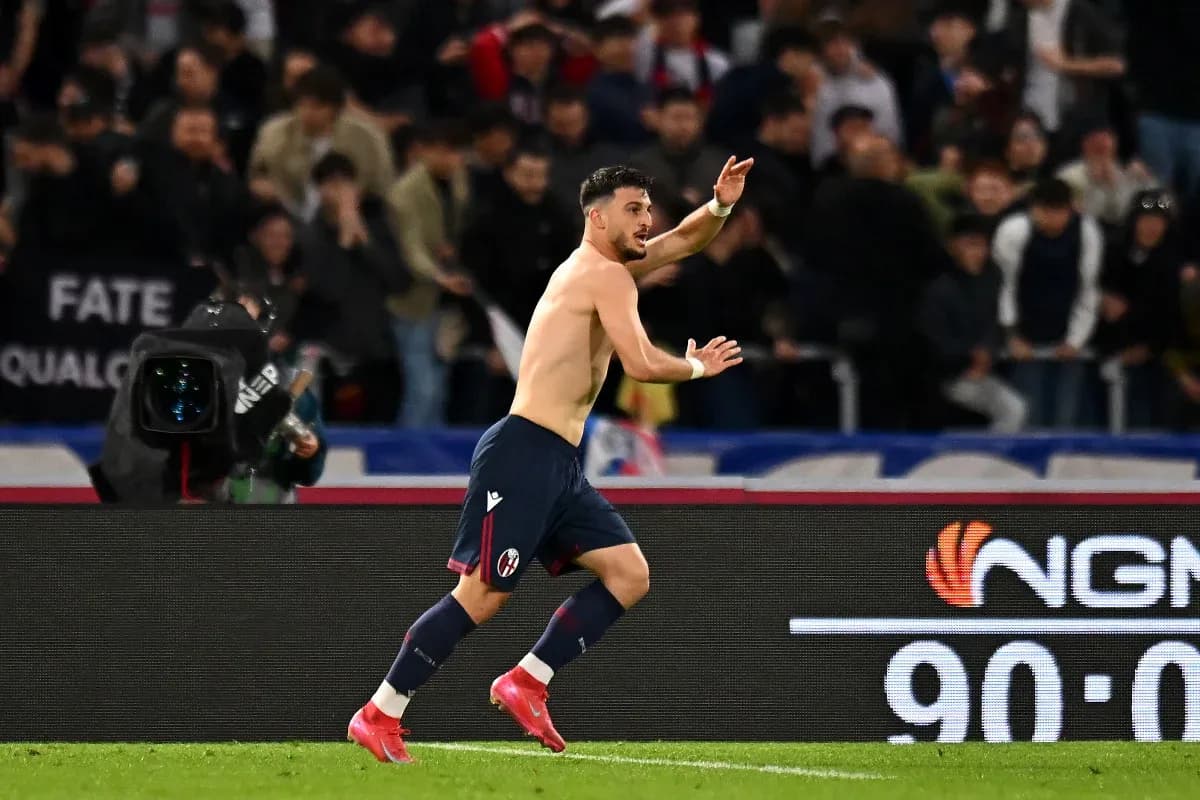
Bologna and Inter: A Tactical Exhibition in a 3-3 Draw
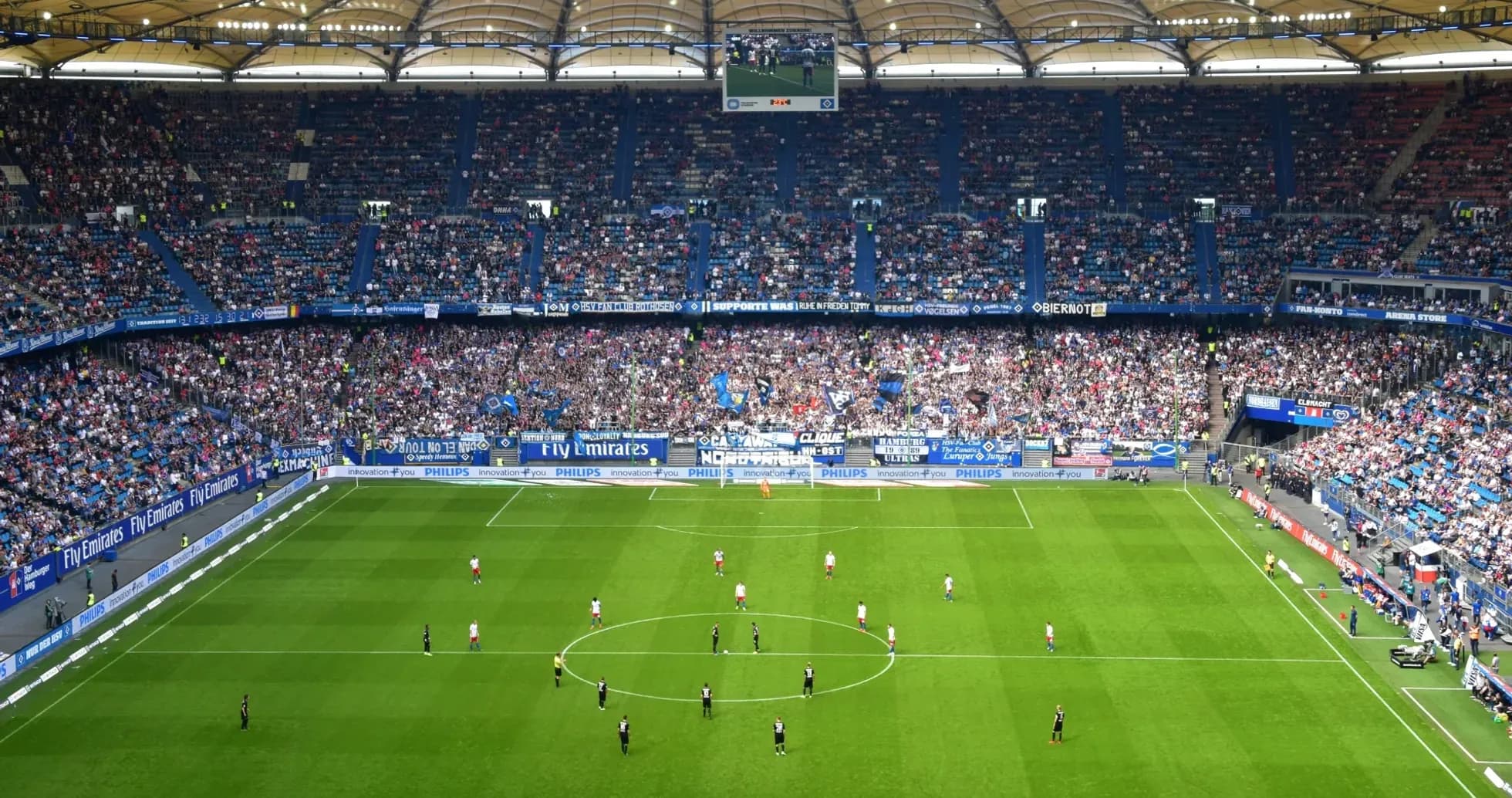
Under the late spring light at Stadio Renato Dall’Ara, Bologna and Inter closed their Serie A seasons with a six‑goal draw that felt more like a tactical exhibition than a dead rubber. Following this result, the table underlined their contrasting campaigns: Bologna finishing 8th on 56 points with a goal difference of 3 (49 scored, 46 conceded), Inter champions on 87 points and a goal difference of 54 (89 scored, 35 conceded). Yet for 90 minutes, those numbers blurred into a breathless 3-3 that said as much about each side’s footballing identity as any league table.
I. The Big Picture – Structures and Seasonal DNA
Bologna lined up in a 4-3-3, a bolder shape than their more common 4-2-3-1, signalling Vincenzo Italiano’s intent to go stride for stride with the champions. Heading into this game, Bologna’s season had been defined by balance and volatility: overall they averaged 1.3 goals for and 1.2 against per match, with a curious split between a modest home attack (1.0 goals for at home) and a sharper edge on their travels (1.6 away). Their 16 wins and 14 losses across 38 matches told the story of a side willing to risk.
Inter arrived as a machine of consistency. Cristian Chivu never strayed from the 3-5-2 all season – 38 games, one blueprint. Overall they produced 2.3 goals for per match and conceded just 0.9, with the attack slightly more explosive at home (2.6) but still ruthless away (2.1). The champions’ away record – 13 wins from 19, 39 goals scored and only 19 conceded – framed this as a test of Bologna’s courage against an elite transition side.
On the day, the scoreboard mirrored those patterns: Bologna’s willingness to open the game created the chaos they needed to trouble Inter, but it also gave the champions the spaces they feed on.
II. Tactical Voids – Absences and Discipline
Both benches were shaped by conspicuous absences. Bologna were without K. Bonifazi, N. Cambiaghi, N. Casale, R. Orsolini and M. Vitik. The loss of Orsolini was particularly significant: he had delivered 10 league goals and 1 assist, plus 4 penalties scored but 2 missed, a reminder that Bologna’s season-long penalty record (5 from 5 in total) was not spotless at individual level. Without his direct threat from the right, Italiano leaned on F. Bernardeschi and the youthful energy of J. Rowe and S. Castro to stretch Inter’s back three.
At the back, missing Bonifazi and Vitik reduced Bologna’s depth in central defence, pushing E. Fauske Helland and J. Lucumi into a high-responsibility pairing against one of the league’s most intelligent forwards.
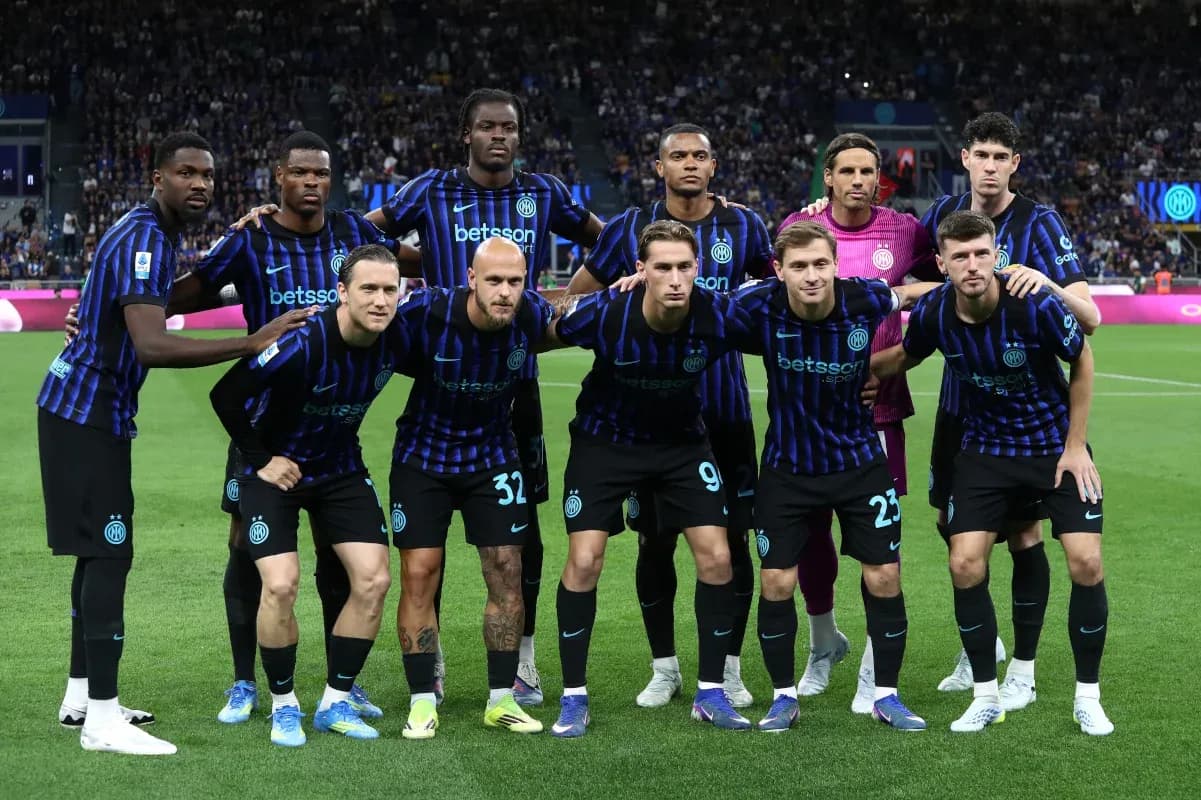
Inter’s voids were of a different nature: rotation and preservation. M. Akanji, D. Dumfries and M. Thuram were all listed as resting, while H. Calhanoglu was out lacking match fitness. That meant no Thuram to partner Lautaro Martínez, no Dumfries to bomb the right flank, and crucially no Calhanoglu to dictate tempo and set-piece quality. Chivu instead turned to F. Esposito alongside L. Martinez, with a midfield built around N. Barella, P. Zielinski, P. Sucic, A. Diouf and F. Dimarco.
Disciplinary trends across the season added another layer to the game’s rhythm. Bologna’s yellow cards peaked between 61-75 minutes at 26.87% and 76-90 minutes at 25.37%, underlining a tendency to become stretched and late in duels as legs tire. Their red-card distribution was similarly back-loaded, with 33.33% between 61-75 and further incidents in the closing quarter of an hour and stoppage time. Inter’s yellows also surged late – 31.25% between 76-90 – but without any red cards all season, suggesting a side that walks the line without crossing it. The final phase of this 3-3 had precisely that feel: frantic, high-tempo, but controlled enough that Inter rarely tipped into self-destruction.
III. Key Matchups – Hunter vs Shield, Engine Room Battles
The headline duel was always going to be L. Martinez against Bologna’s defensive structure. Lautaro’s season – 17 goals and 6 assists in Serie A, from 69 shots and 39 on target – has been that of a complete attacker. He presses, he links, he finishes. Against a Bologna side that concedes 1.2 goals per game both at home and away, and that has suffered heavy home defeats up to 0-3, the risk of leaving Lautaro space between the lines was obvious.
The “Shield” was not just the back four of L. De Silvestri, E. Fauske Helland, J. Lucumi and J. Miranda, but the midfield screen in front of them. R. Freuler, with his positional discipline, was tasked with closing the channels Lautaro loves to drift into, while T. Pobega and L. Ferguson had to balance their forward surges with protection.
In the engine room, the battle between Bologna’s trio and Inter’s five was decisive. Barella, one of the league’s premier all-action midfielders with 3 goals and 8 assists and 72 key passes, was the metronome and disruptor. Alongside him, Zielinski offered progression between the lines, Sucic vertical running, and Dimarco width and delivery from the left. Dimarco’s season numbers – 7 goals, 16 assists, 96 key passes – framed him as Inter’s creative superconductor, and his presence as a wing-back/midfielder hybrid forced Bernardeschi and De Silvestri to constantly decide whether to press high or protect the space behind.
For Bologna, Ferguson’s box-to-box instincts and Rowe’s directness were the main counterweights. Without Orsolini, there was less individual shot volume from wide areas, pushing more responsibility onto Castro as the central reference point.
IV. Statistical Prognosis – What the Numbers Say About the 3-3
Even without explicit xG values, the season’s statistical scaffolding helps explain how a 3-3 could emerge between these two. Inter’s attack, at 2.3 goals per match overall and 2.1 on their travels, is simply calibrated to generate high-quality chances. Their 18 clean sheets (10 away) show that when they control games, they suffocate opponents. But Bologna’s profile is that of a side that thrives in broken, transitional matches: 49 goals in total, a best home win of 4-0 and a worst home loss of 0-3, with 11 matches where they failed to score but 12 clean sheets of their own.
When Bologna choose a 4-3-3 and play front-foot football at home, they move away from the control of a double pivot and into a more open exchange. Against Inter’s 3-5-2, that openness invites the champions’ forwards and wing-backs into the half-spaces. The late-card tendencies for both teams hint at why the game remained volatile right to the end: as fatigue set in, pressing lines fractured, duels became looser, and the spaces for Lautaro, Esposito, Bernardeschi and Castro only grew.
Following this result, the numbers still paint Inter as the league’s most balanced side and Bologna as one of its most adventurous. But this 3-3 at Dall’Ara will be remembered as the night Bologna’s ambition matched the champions’ firepower, and as a tactical blueprint for how to trouble Inter: not by hiding, but by daring them into a shootout and living with the consequences.