Paolo Maldini Returns to Italian Football as Technical Director
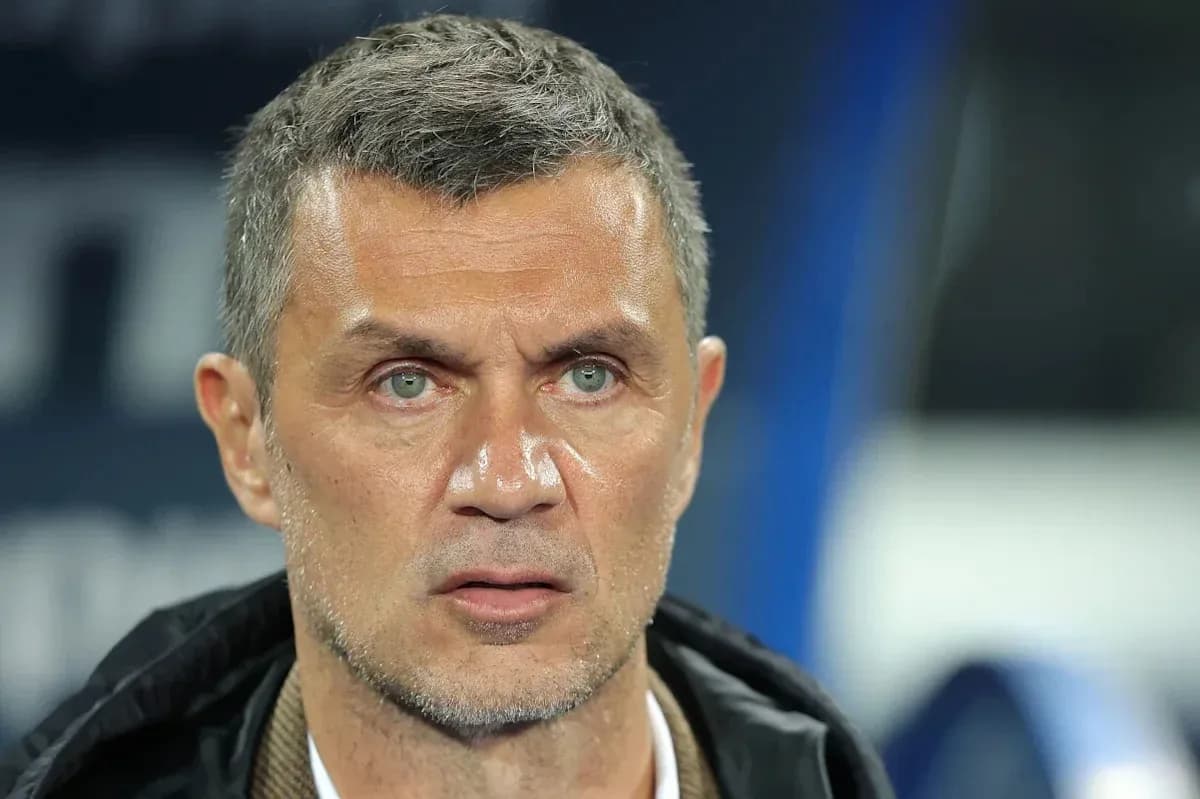
Paolo Maldini has walked back into the heart of Italian football, and the country has exhaled.
His appointment as Italy’s new technical director, confirmed by the FIGC on Saturday night, has been greeted not with debate but with something far rarer in the Azzurri universe: near-unanimous approval. After a third consecutive World Cup watched from the sofa, Italy needed a symbol, a strategist, a standard-bearer. They have turned to the man who once wore the armband as if it were stitched to his skin.
Alongside him, another familiar figure: Leonardo, installed as an advisor. The pair, who worked together at AC Milan in the club’s sporting structure, now inherit a national team project in ruins and a fanbase desperate for direction.
A new axis of power
This is not a cosmetic appointment. Maldini has been handed a commanding role in the rebuild, charged with shaping the technical identity of the national team and, crucially, with choosing the next head coach.
Names are already swirling. Antonio Conte and Roberto Mancini sit at the front of the queue, the most realistic and widely discussed options. Italian media have also floated more glamorous, less likely possibilities such as Pep Guardiola and Didier Deschamps. For now, they are just that: names. The real power lies with Maldini and Leonardo, who will sift through profiles and philosophies rather than reputations alone.
The decision to entrust that process to Maldini is the first major move by new FIGC president Giovanni Malagò, and it has landed perfectly with the Italian public. In a country where every call-up can spark a week-long argument, this one has instead produced a rare consensus.
Zoff’s seal of approval
When Dino Zoff speaks about the Azzurri, Italy still listens. The 1982 World Cup winner, who coached Maldini at Euro 2000, did not hold back in his praise.
“Paolo has given so much for our football, to Milan in particular but also for the national team,” Zoff said, recalling not only the defender he managed but also the family legacy that shaped him. “He was also one of my players when I was in charge and I can't forget his father Cesare either, who was Bearzot's assistant when I won the World Cup in 1982.”
For Zoff, the choice ticks every box that matters in a role that blends politics, personality and pure football judgment.
“Maldini is a perfect appointment in terms of character, charisma and competence. I also understand the choice of Leonardo as an advisor. It's right that a leader surrounds himself with people he trusts.”
Trust will be central in the coming weeks, as the coaching shortlist narrows and the pressure intensifies. Zoff has no doubt about how Maldini should approach it.
“Maldini has to be free to follow his beliefs, without external interference,” he insisted. In a federation often accused of meddling, that line carries weight.
Costacurta: “More important than the coach”
If Zoff offers the perspective of a World Cup-winning icon, Alessandro Costacurta brings the view from the dressing room. The former defender shared a backline, trophies and a career with Maldini at San Siro. He knows the man behind the myth.
“This is great news for Italian football, because we have brought in one of the most illuminated and sincere people in the sport,” Costacurta said, framing Maldini not just as a legend, but as a lucid thinker.
Then came the remark that underlines just how significant this move is seen inside Italian football.
“Malagò made the best possible choice. In fact, picking Maldini is perhaps more important than choosing the new coach.”
It is a striking statement. Yet in the current context, it rings true. The coach will set the line-up and the tactics; Maldini will define the direction, the criteria, the culture. After years of drift, Italy are betting that structure and vision matter more than any single name on the bench.
Costacurta also welcomed the presence of Leonardo, highlighting the contrast that could become the partnership’s strength.
“Leonardo is more of a dreamer, a visionary, whereas Paolo is more practical, looks to his knowledge and instinct,” he explained.
The key, as Costacurta sees it, lies in their ability to argue without fracturing.
“The best thing about them is that they listen to each other, despite starting from different ideas, and always manage to find a common solution.”
From TV spectators to architects of change
While Italy watched yet another World Cup unfold from a distance, the tournament became a television event rather than a stage. Elsewhere, fans were gripped by a competition that has already pushed France, Spain, Argentina and England into the semi-finals. At home, the contrast has been painful.
The FIGC’s response is to hand the blueprint for the future to Maldini. He will not kick a ball, will not stand in the technical area, will not shout instructions from the touchline. Yet his influence could prove decisive in whether Italy return to the elite or remain trapped in a cycle of nostalgia and disappointment.
The next coach’s name will dominate headlines when it comes. For now, the real story is that the Azzurri have finally chosen the architect before the builder.