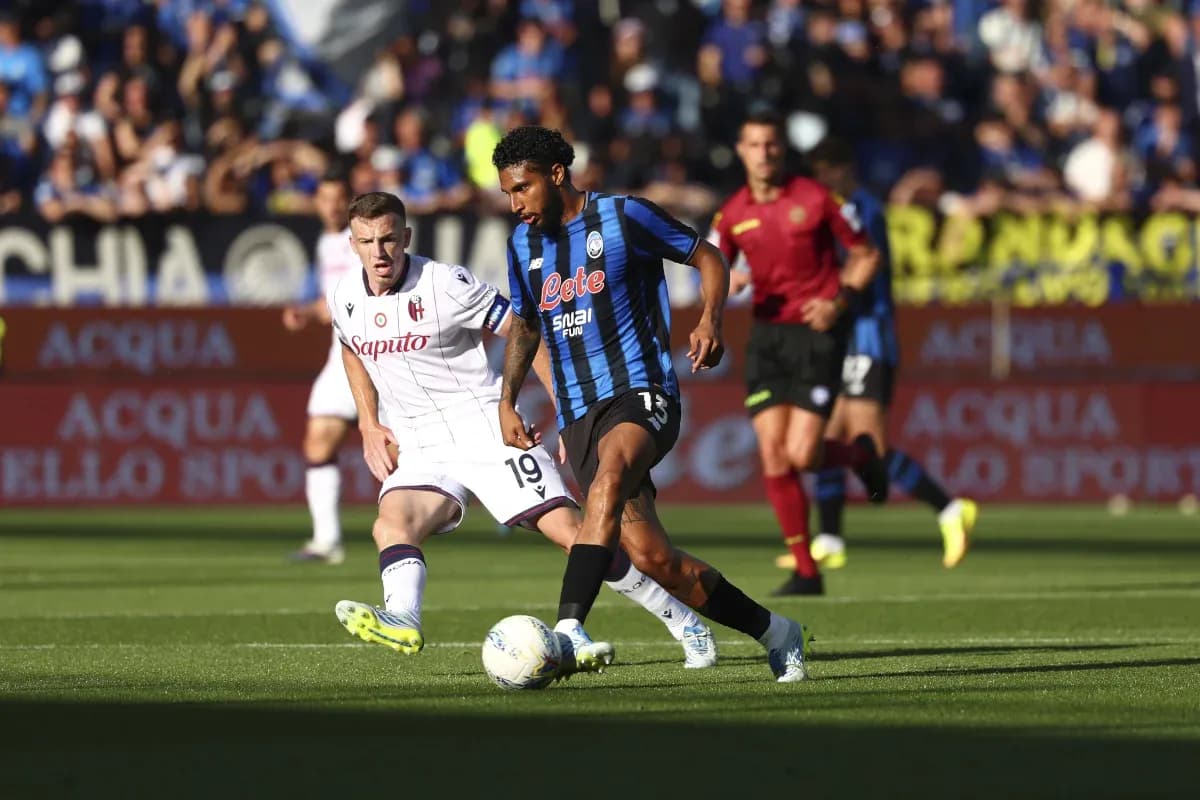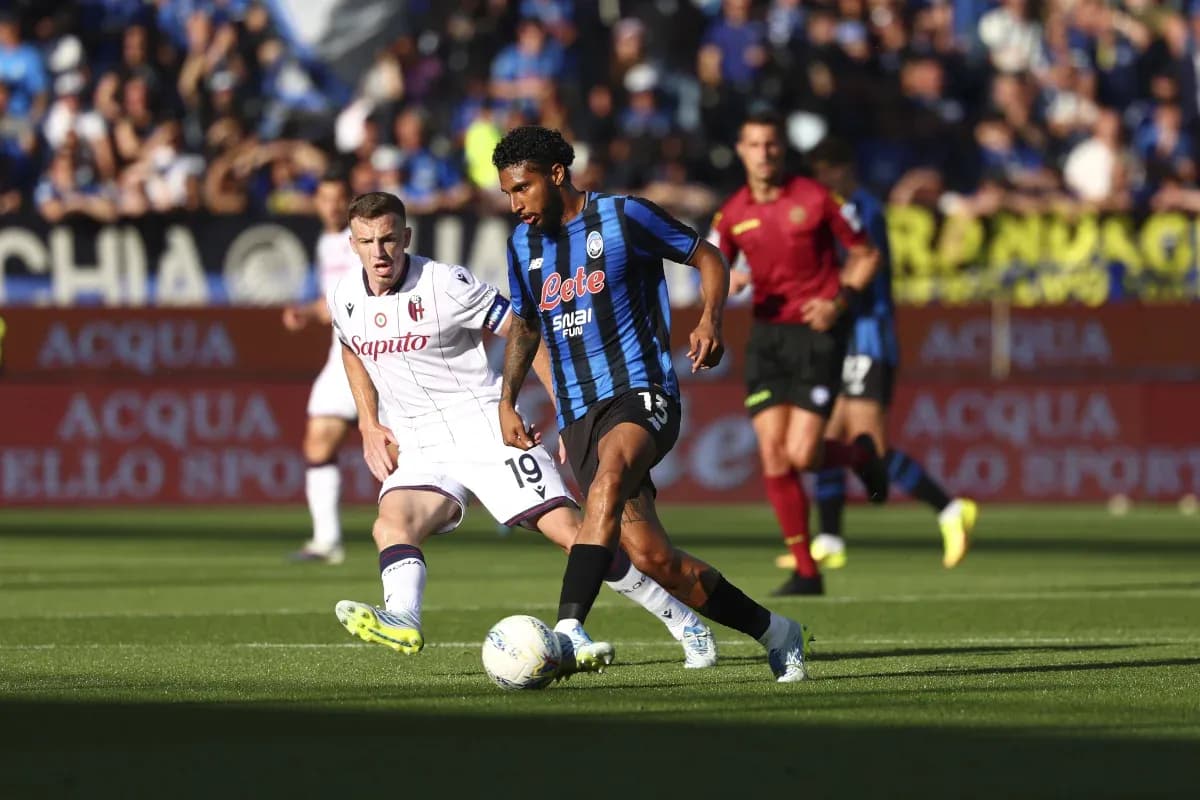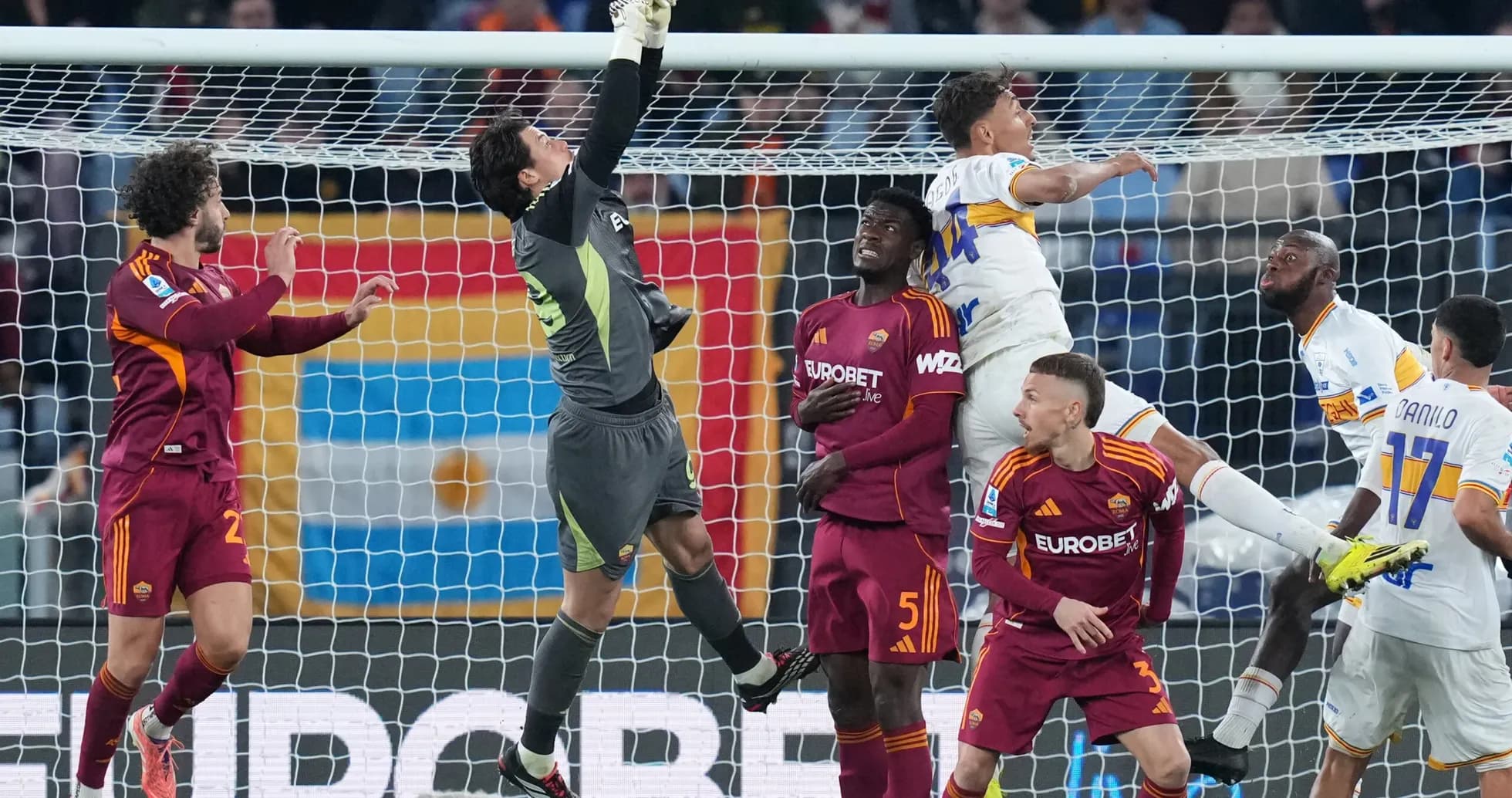
Cremonese's Relegation Confirmed After 4–1 Defeat to Como
Stadio Giovanni Zini closed its Serie A season under floodlights and a heavy sense of judgment. Following this result, a 4–1 defeat to Como, Cremonese’s campaign finished as the table had long threatened: 18th place, 34 points, and relegation confirmed. Across 38 matches they scored 32 and conceded 57, a goal difference of -25 that told the story of a side too often stretched, too rarely ruthless.
Como, by contrast, arrived as an emerging power and left as a Champions League qualifier. They locked in 4th place on 71 points, with 65 goals scored and only 29 conceded overall, a formidable goal difference of 36. This was not just a good season; it was a statement that their high-possession, technically refined football travels as well as it dazzles at home. On their travels they took 10 wins from 19, scoring 30 and conceding 14, numbers that felt entirely in tune with their dominance in Cremona.
I. The Big Picture: Structures and Season DNA
Marco Giampaolo went with the structure that had defined Cremonese’s year: a 3-5-2, the formation they used in 26 league matches. E. Audero sat behind a back three of F. Terracciano, M. Bianchetti, and S. Luperto. The wing lanes belonged to A. Zerbin and G. Pezzella, with a central trio of M. Thorsby, A. Grassi, and Y. Maleh. Up front, F. Bonazzoli and J. Vardy were paired as a classic “reference plus runner” strike force.
The problem was that this shape mirrored the season’s flaws. At home, Cremonese averaged just 0.9 goals for and 1.5 against; the three-man back line often became isolated, the midfield unable to protect transitions or progress the ball with enough conviction. Eleven clean sheets in total (six at home) suggested they could organize in spells, but 17 matches failing to score underlined the fragility of their attacking plan.
Cesc Fabregas answered with Como’s signature 4-2-3-1, a system they had deployed 34 times in the league and refined into a clear identity. J. Butez was shielded by a back four of A. Moreno, M. O. Kempf, J. Ramon, and I. Smolcic. The double pivot of M. Perrone and L. Da Cunha offered control and vertical passing lanes, while the line of three—A. Diao, M. Baturina, and Jesús Rodríguez—rotated constantly behind lone striker T. Douvikas.
Heading into this game, Como’s averages were those of a modern contender: 1.7 goals scored per match overall, only 0.8 conceded, with 19 clean sheets split 10 at home and nine away. Their 4-2-3-1 was not just a shape; it was a platform for fluid occupation of space, especially between the lines.
II. Tactical Voids and Disciplinary Undercurrents
Cremonese arrived depleted. A cluster of absences—F. Baschirotto (thigh), W. Bondo (muscle), M. Faye (illness), F. Moumbagna (muscle), M. Payero (illness), and A. Sanabria (muscle)—cut into both their defensive depth and their ability to change the game from the bench. The lack of a robust alternative centre-back like Baschirotto or an extra midfield runner such as Bondo made Giampaolo’s decision to stick with a back three even riskier against Como’s multi-line movement.
Como were not untouched: J. Addai (Achilles tendon) and A. Valle (thigh) were missing, trimming some of their wing and full-back rotation. But their core—Perrone, Paz, Rodríguez, Douvikas—remained intact, and that spine has been the engine of their season.
Disciplinary trends added another layer. Cremonese’s yellow cards peaked late, with 26.03% of bookings arriving between 76–90 minutes. It matched the narrative of a team chasing games, often emotionally stretched. Red cards had appeared for them in the 61–75 and 91–105 ranges, with A. Grassi and G. Pezzella among those who had seen red this season. Como, meanwhile, showed a different pattern: a significant share of yellows between 61–75 (19.75%) and 76–90 (19.75%), and all of their league red cards clustered in the 76–90 window. Both sides, then, were statistically primed for late volatility—an important detail in a match where spaces were always likely to open in the final quarter.
III. Key Matchups: Hunter vs Shield, Engine Room vs Enforcer
The clearest “Hunter vs Shield” duel was T. Douvikas against a Cremonese defence that had conceded 29 at home. Douvikas ended the league season with 14 goals and one assist, from 49 shots (30 on target). His 239 duels, with 100 won, speak to a forward comfortable playing with his back to goal, linking play and then attacking the box. Against a back three that has often struggled to compress space in front of them, his movement between the lines and into the channels was always likely to drag Bianchetti and Luperto into uncomfortable decisions.
On the other side, F. Bonazzoli was Cremonese’s primary threat, with 10 goals and one assist in 35 appearances. His 57 shots (32 on target) and 80 fouls drawn underline a profile built on clever positioning and constant contact with defenders. Yet he was facing one of the league’s tightest defensive units: Como had allowed just 29 goals overall, with only 14 conceded away. J. Ramon, a towering presence with 50 tackles, 17 successful blocks, and 37 interceptions, has been both an aerial anchor and an anticipatory defender. His 11 yellow cards and one red tell of an aggressive edge, but also of a centre-back willing to step out and meet players like Bonazzoli early.
In the “Engine Room”, the contrast was stark. For Como, N. Paz and M. Perrone have been elite-volume controllers. Paz contributed 12 goals and six assists, with 1,394 passes at 82% accuracy and 51 key passes; he is both creator and tempo-setter. Perrone added three goals, four assists, and 2,175 passes at 91% accuracy, plus 56 tackles. Together they embody a double axis of progression and protection.
Cremonese’s midfield, with Grassi and Maleh at its heart, offered work rate and some distribution—Grassi completed 854 passes at 85% accuracy, with 32 interceptions—but lacked the same cutting edge. Their role became reactive: track runners like Rodríguez, disrupt Paz’s rhythm, and protect the half-spaces that Como’s 4-2-3-1 loves to exploit.
IV. Statistical Prognosis and Tactical Verdict
Following this result, the numbers feel almost inevitable. A team that averaged 0.8 goals scored and 1.5 conceded overall, and failed to score in 17 matches, was always vulnerable against an opponent averaging 1.7 scored and only 0.8 conceded. Como’s 19 clean sheets and balanced home/away record suggested they could impose their style anywhere; Cremonese’s reliance on narrow margins and sporadic clean sheets could not hold.
In xG terms—though not explicitly listed, strongly implied by shot and goal patterns—Como’s profile is of a side that consistently generates good-quality chances while limiting opponents. Their biggest away win of 1-5 hints at a capacity to turn control into heavy scorelines once the first barrier is broken. Cremonese’s heaviest home defeat of 1-4, now echoed here, underlines a recurring vulnerability when they have to chase the game and open up.
Tactically, Fabregas’s 4-2-3-1 simply asked more coherent questions. The rotations of Baturina and Rodríguez between the lines, Diao’s wide incursions, and Douvikas’ penalty-box instincts were too much for a stretched back three and a tired midfield. Giampaolo’s 3-5-2, without key squad pieces and against a technically superior opponent, became a survival exercise that ultimately collapsed.
The season closes with Como stepping into Europe, their structure and statistics aligned with their ambitions, and Cremonese descending to Serie B, left to rebuild around the few bright spots—Bonazzoli’s finishing, Audero’s resilience, Pezzella’s combative edge—while addressing the systemic imbalances that this 4–1 defeat so ruthlessly exposed.