Fiorentina's Tactical Triumph Over Juventus: A 0-2 Victory
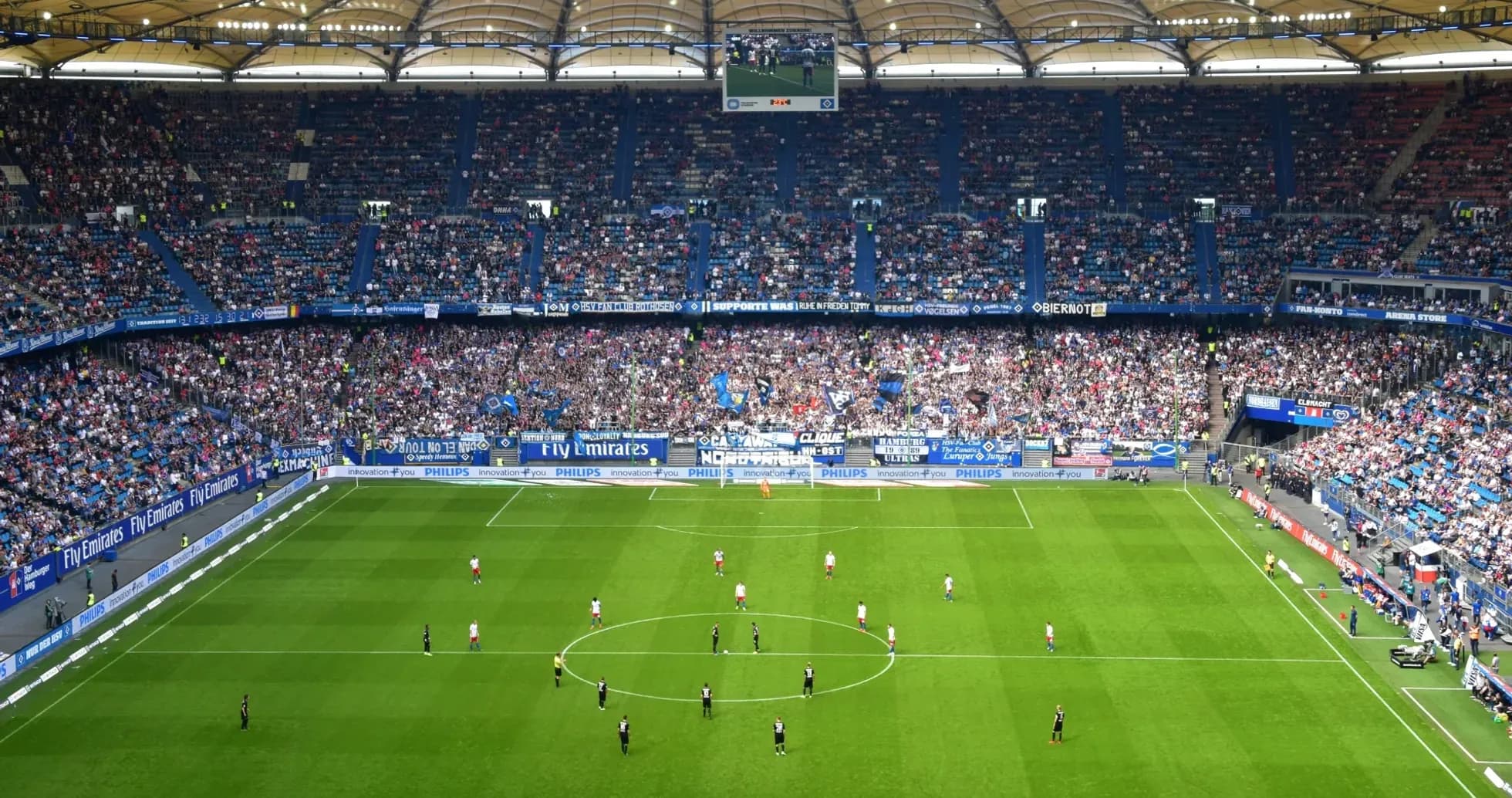
Allianz Stadium had the feel of a crossroads fixture. Regular Season - 37 in Serie A, a Juventus side chasing Europa League security and pride, a Fiorentina team still glancing over its shoulder at the bottom half. By full time, the scoreboard read 0-2, and the story of the afternoon was a tactical checkmate: Paolo Vanoli’s 4-3-3 outmanoeuvring Luciano Spalletti’s 4-2-3-1 in Turin.
Heading into this game, Juventus sat 6th on 68 points, with a goal difference of 27 (59 scored, 32 conceded overall). Their season-long profile was clear: solid and structured, averaging 1.8 goals at home while conceding only 0.8, with 8 clean sheets in 19 home matches. Fiorentina, 15th on 41 points with a goal difference of -9 (40 for, 49 against overall), had been more chaotic: 1.1 goals scored per match both home and away, but a fragile away defence leaking 1.5 on their travels.
Yet in Turin, those identities inverted.
I. Shapes and Intent: How the Game Was Framed
Spalletti’s choice of a 4-2-3-1 was aggressive on paper. M. Di Gregorio behind a back four of P. Kalulu, Bremer, L. Kelly and A. Cambiaso offered athleticism and build-up security. In front, M. Locatelli and T. Koopmeiners formed a double pivot designed to control rhythm and progression, while the line of three – F. Conceicao, W. McKennie, K. Yildiz – was meant to feed D. Vlahovic.
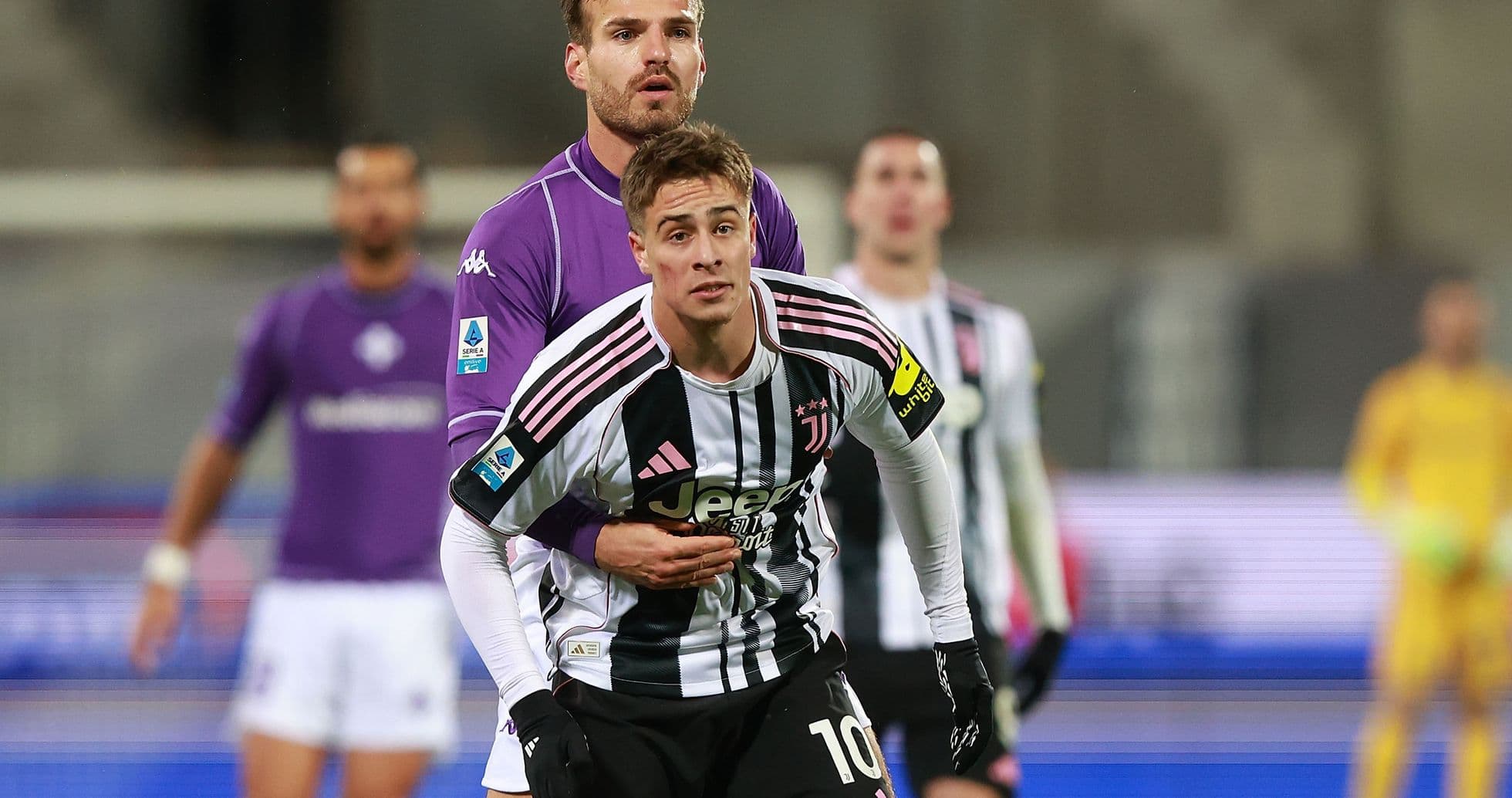
This was a Juventus leaning into their attacking ceiling: Kenan Yildiz arrived as one of Serie A’s standout attackers, with 10 goals and 6 assists in total, 64 shots (40 on target), and 76 key passes. His 149 dribble attempts, 78 successful, underline his role as the chaos agent between the lines. McKennie, with 5 goals and 5 assists overall, added vertical running and late-box presence, while Koopmeiners provided the left-footed distribution to break Fiorentina’s lines.
Vanoli’s Fiorentina answered with a 4-3-3 that looked conservative but played with purpose. D. de Gea anchored a back four of Dodo, M. Pongracic, L. Ranieri and R. Gosens. The midfield triangle – C. Ndour, N. Fagioli, M. Brescianini – was built for work rate and press resistance, while a front three of F. Parisi, R. Piccoli and M. Solomon promised fluid movement rather than a fixed reference point.
On paper, Juventus’ season-long structure suggested control. They had used three-at-the-back systems most often (3-4-2-1 played 23 times), but here Spalletti trusted the 4-2-3-1 that had appeared 6 times already. Fiorentina, by contrast, were back in their most familiar shape: the 4-3-3 used 14 times this campaign.
II. Tactical Voids and Discipline
The only confirmed absentee was M. Kean for Fiorentina, listed as “Missing Fixture” with a calf injury. His absence removed a direct, vertical outlet in transition, but Vanoli compensated by leaning into collective movement: Parisi and Solomon tucked inside, Piccoli roamed, and the full-backs provided width.
Discipline had an invisible influence on how both sides approached duels. Juventus’ card profile this season showed a steady accumulation of yellow cards, with a noticeable spike between 61-75 minutes at 22% and another surge at 76-90 minutes at 20%. Red cards were rare but dramatic: 50.00% of their reds came between 31-45 minutes and 50.00% between 76-90. Fiorentina, meanwhile, lived on the edge late in games: 25.30% of their yellow cards arrived from 76-90, and 66.67% of their red cards also came in that same late window.
Those numbers shaped the risk calculus. Locatelli, already one of Serie A’s most combative midfielders with 9 yellows, 99 tackles and 23 blocked shots this season, had to walk a fine line. On the other side, Marin Pongracic – the league’s leading yellow-card collector with 12 – and Luca Ranieri, who combined 8 yellows with 1 red, embodied Fiorentina’s aggressive last-ditch defending.
III. Key Matchups: Hunter vs Shield, Engine vs Enforcer
The central duel was “Hunter vs Shield”: Juventus’ home attack versus Fiorentina’s away defence. Heading into this game, Juventus averaged 1.8 goals at home, while Fiorentina conceded 1.5 on their travels. On paper, this should have tilted heavily towards Spalletti’s men.
Kenan Yildiz was the spearhead of that threat. His blend of 10 goals, 6 assists and 56 fouls drawn made him the prime candidate to destabilise Pongracic and Ranieri. But Fiorentina’s central pairing met the challenge with a mixture of anticipation and physicality. Pongracic’s season numbers – 26 blocked shots, 35 interceptions, 69 fouls committed – tell the story of a defender who defends forward. Ranieri, with 34 tackles and 13 blocks, complemented him by stepping out aggressively on McKennie’s and Yildiz’s half-spaces.
In midfield, the “Engine Room” clash pitted Locatelli and Koopmeiners against Fagioli and Brescianini. Locatelli’s season has been immense: 2720 completed passes with 88% accuracy, 46 key passes, 38 interceptions and 308 duels contested (184 won). He is both metronome and shield. Yet Fiorentina’s trio succeeded in narrowing his passing lanes, forcing Juventus to circulate through full-backs and wide areas where Gosens and Dodo could engage.
McKennie’s two-way profile – 39 tackles, 8 blocked shots, 24 interceptions – usually gives Juventus an extra layer of counter-pressing. Here, though, Fiorentina’s ability to break the first wave and find Solomon or Parisi early meant that Juve’s midfield line was repeatedly turned, exposing the back four to running in behind.
IV. Statistical Prognosis and What the 0-2 Says
Following this result, the numbers behind both teams gain sharper edges.
Juventus, who had failed to score only 4 times at home all season heading into this game, added a rare blank in Turin. Their overall attacking average of 1.6 goals per game (1.8 at home) clashed with Fiorentina’s 1.3 goals conceded overall (1.5 away), yet it was Vanoli’s defensive structure that prevailed.
Fiorentina’s 0-2 away win sits against a broader pattern: 5 away wins in 19, 20 goals scored and 29 conceded on their travels. They are not, by profile, a dominant road team. But this performance aligned with a side that can still produce high-ceiling games – they have a 1-4 away win in their “biggest wins” log – when their pressing and back-line aggression are synchronised.
From an Expected Goals perspective, the season-long tendencies suggest how this match tilted. Juventus’ solid defensive averages (0.9 goals against overall, 0.8 at home) normally compress opponents’ xG; Fiorentina’s modest scoring rate of 1.1 per match usually caps their attacking output. For the visitors to score twice in Turin implies they generated and finished chances above their usual away baseline, while Juventus underperformed their attacking expectation, particularly given the creative volume of Yildiz and McKennie.
Tactically, the lesson is stark for Juventus: when Locatelli is smothered and Yildiz’s dribbling lanes are crowded by aggressive centre-backs like Pongracic and Ranieri, the 4-2-3-1 can look short of alternative routes to goal. Fiorentina, conversely, found in this 4-3-3 a blueprint for compactness and punch: full-backs high, midfield tight, and a front three that stretches and isolates defenders.
The 0-2 in Turin was more than an upset; it was a late-season snapshot of two identities in flux. Juventus, statistically one of Serie A’s most balanced sides, discovered how thin the margins become when their creative stars are contained. Fiorentina, often fragile on their travels, showed that with the right structural discipline and the edge of their card-prone back line channelled correctly, they can still rewrite the script in the most unforgiving of venues.