FIFA Increases World Cup Payouts to $871 Million and Tightens Rules
FIFA has opened the taps on World Cup money, lifting overall distributions to almost $900 million while simultaneously tightening the rulebook ahead of the 2026 tournament in Mexico, Canada and the United States.
The governing body confirmed on Tuesday that the pot shared among the 48 finalists will rise to $871 million, a hefty jump from the $727 million outlined in December. The decision came after a meeting of the FIFA Council in Vancouver, two days before the organisation’s Congress convenes in the city.
This is not a cosmetic bump. It is a response to mounting anger from member associations who warned that the expanded World Cup, spread across three vast host nations, risked turning into a financial burden rather than a once-in-a-generation windfall.
World Cup gets richer – and more expensive
The numbers tell the story. Preparation money for each qualified team climbs from $1.5 million to $2.5 million. The basic payment simply for reaching the finals rises from $9 million to $10 million. On top of that, FIFA has pledged extra support for delegation expenses and an increase in team ticket allocations, a nod to the reality of higher travel, tax and operational costs across North America.
The backdrop is a record-breaking commercial cycle. FIFA expects to generate around $13 billion over the current four-year period, capped by what will be the biggest World Cup in history. Prize money for 2026 had already been boosted by 50 percent compared to 2022; Tuesday’s announcement layers fresh cash on top of that.
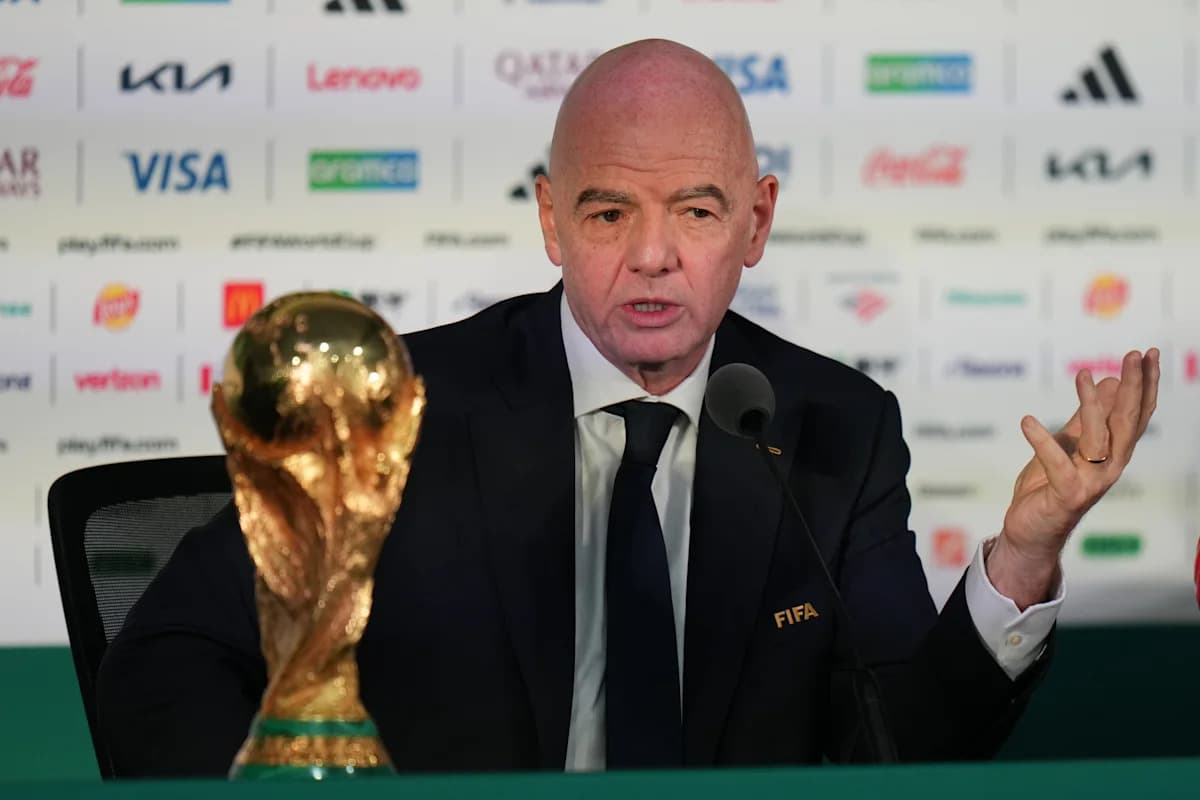
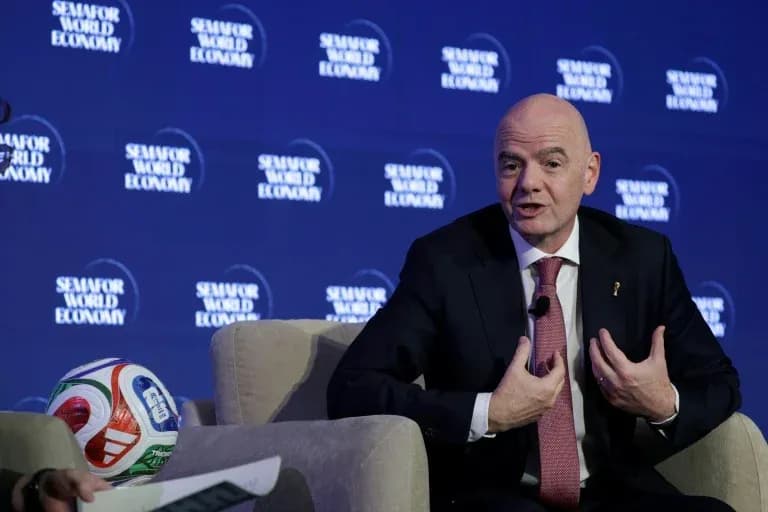
Gianni Infantino wasted no time framing the move as proof of FIFA’s financial muscle and its willingness to share the spoils.
“FIFA is proud to be in its most solid financial position ever, enabling us to help all our member associations in an unprecedented way,” the president said, calling the decision “one more example of how FIFA’s resources are reinvested back into the game.”
Yet the money flows into a climate of discontent. Fans have balked at soaring ticket prices, while some U.S. cities hosting matches have sharply raised transport costs around the event. The World Cup has never been more lucrative. It has rarely felt more expensive to attend.
Red cards for mouth-covering and walk-offs
FIFA’s announcements in Vancouver were not just about the balance sheet. They also signalled a harder line on behaviour, both on and off the ball.
A headline-grabbing change will see players who cover their mouths while confronting opponents risk an immediate red card. The law, approved by the International Football Association Board (IFAB) and to be enforced at the World Cup, is aimed squarely at tackling racist abuse that hides behind the shield of a hand over the lips.
“At the discretion of the competition organiser, any player covering their mouth in a confrontational situation with an opponent may be sanctioned with a red card,” FIFA stated.
The move comes after the storm surrounding Benfica winger Gianluca Prestianni earlier this year. He was accused of repeatedly calling Real Madrid forward Vinicius Junior a “monkey” while covering his mouth during a Champions League clash in February. Prestianni denied racially abusing Vinicius but was later hit with a six-match ban, three of them suspended, for “homophobic conduct.”
The message now is blunt: hide your words in a confrontation, and you risk going straight off.
A second law change targets teams that attempt to turn protest into pressure. From the World Cup onwards, players who leave the field in protest at a referee’s decision can be shown a red card, and any team that causes a match to be abandoned will automatically forfeit.
That is a clear response to the chaotic scenes at this year’s Africa Cup of Nations final in Rabat. Senegal’s players, head coach Pape Thiaw and his staff walked off in stoppage time after Morocco were awarded a penalty, which Brahim Diaz ultimately missed. Senegal later won 1-0 in extra time, only to be dramatically stripped of the title by the Confederation of African Football in a ruling last month.
FIFA’s new stance leaves little room for similar walk-offs on the game’s biggest stage.
Protecting stars from suspension traps
There was one law tweak that will please coaches and broadcasters alike. Single yellow cards picked up in the group stage will be wiped after the first round, and then again after the quarter-finals. The idea is simple: avoid losing marquee players to suspension in the decisive matches because of two minor cautions collected weeks apart.
For a tournament built on star power, it is a pragmatic move. Fans want the best on the pitch when the stakes soar, not watching from the stands because of a late tackle in a dead rubber.
As the countdown to June 11 and the opening game in Mexico City gathers pace, FIFA has made its position clear: this World Cup will be richer, stricter and bigger than anything that has gone before. The question now is whether the sport, and its supporters, feel that the balance between spectacle, cost and control is being struck in the right place.