FIFA Peace Prize Controversy: Calls for Abolishment
With the World Cup six weeks away, FIFA is once again fighting a battle of its own making – this time over a peace prize that many inside the game say has dragged football deep into the political arena it claims to avoid.
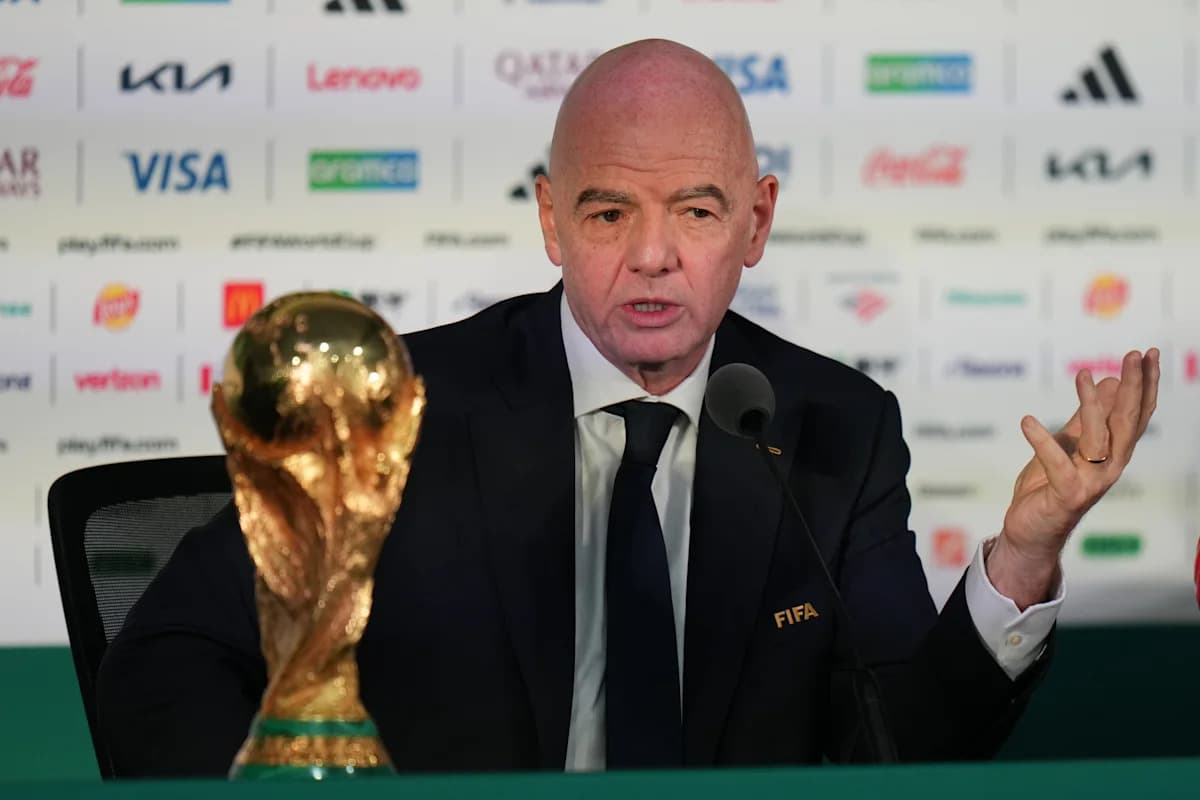
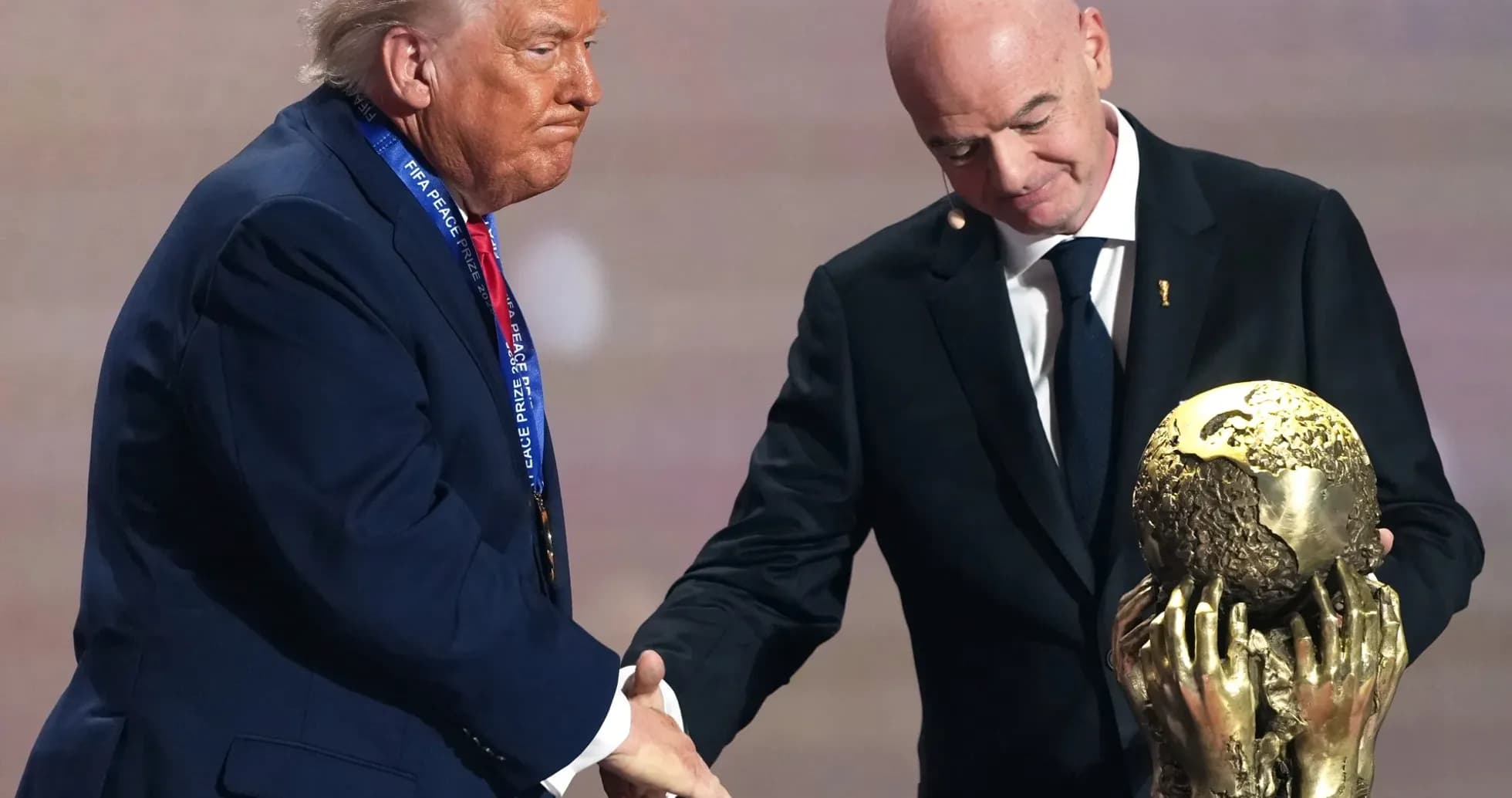
At the centre of the storm is the decision to hand the inaugural FIFA peace award to United States President Donald Trump at the World Cup draw in December, a move that has ignited anger from national associations and players alike and raised fresh questions about the organisation’s governance and credibility.
Klaveness: “Abolish the prize”
Norwegian Football Association (NFF) president Lise Klaveness has gone straight to the point. She wants the prize scrapped.
“We [the NFF] want to see it [the FIFA peace prize] abolished,” she said in an online briefing, arguing that FIFA has no business deciding who deserves such recognition. For that, she pointed to an institution that already exists for precisely that purpose: the Nobel Institute in Oslo.
To Klaveness, this is not a side issue. It goes to the heart of how football’s rulers interact with political power.
She warned that football bodies – from national federations to confederations and FIFA itself – must keep “arm’s-length distance” from state leaders. Awards like this, she argued, are almost inevitably “very political” unless they are backed by robust, independent structures: experienced juries, clear criteria, and a process that can withstand scrutiny.
“That is full-time work; it’s so sensitive,” the 45-year-old lawyer said. From resources to mandate, but “most importantly from a governance angle”, she argued, such prizes should be avoided in future.
Her federation is not stopping at rhetoric. Klaveness confirmed the NFF board will write a letter backing calls for an investigation into how the Trump award was decided, after nonprofit organisation FairSquare alleged that Gianni Infantino and FIFA may have breached their own rules on political neutrality.
“There should be checks and balances on these issues,” she insisted. The FairSquare complaint, she said, must be handled with a “transparent timeline”, and both the reasoning and the outcome made public.
FIFA did not respond to a request for comment.
A ‘consolation prize’ and a credibility crisis
The peace award landed in Trump’s hands at a time when he had repeatedly claimed he deserved the Nobel Peace Prize. To many observers, FIFA’s new honour looked like a made-for-TV consolation.
It also went to the leader of a country that will co-host this year’s World Cup with Canada and Mexico, a detail not lost on critics who see a governing body too willing to flatter political power around its flagship tournament.
Those optics have fed a broader sense that football’s global authority is straying far beyond its remit and eroding the sport’s moral standing in the process.
Irvine: “A mockery” of FIFA’s own human rights policy
From the dressing room, the reaction has been just as blunt.
Australian international Jackson Irvine accused FIFA of undermining football’s status as a force for good and said the peace prize decision made a “mockery” of the organisation’s own Human Rights Policy.
The context is stark. A month after the World Cup draw, the US launched a military strike on Venezuela. On February 28, it began joint air attacks with Israel on Iran. Against that backdrop, FIFA’s decision to honour Trump with a peace award jarred with its public commitment to human rights and social responsibility.
“As an organisation, you would have to say decisions like the one that we saw awarding this peace prize make a mockery of what they’re trying to do with the human rights charter and trying to use football as a global driving force for good and positive change in the world,” Irvine told Reuters.
For him, the damage is not abstract. It cuts into how people view the game at its highest level.
“Decisions like that feel like they just set us back in the perceived market of what football currently is,” he said, especially at the top end, where he believes the sport is “becoming so disconnected from society and the grassroots of what the game actually is and means in our communities and in the world.”
FIFA’s human rights promises under strain
FIFA has tried to position itself as a modern rights-conscious organisation. It published its first Human Rights Policy in 2017, and its Human Rights Framework for the 2026 World Cup lays out commitments for host cities: promote inclusion, protect freedom of expression, prohibit discrimination during the June 11 to July 19 tournament.
On paper, it is an ambitious charter. In practice, rights groups say the gap between words and actions remains wide.
Campaigners argue FIFA must do far more to push the United States to address human rights risks facing athletes, fans and workers around the tournament. They point to a hardline immigration crackdown and an aggressive deportation drive under the Trump administration as evidence that the environment for vulnerable groups is far from secure.
That is the tension now gripping the build-up to the World Cup. On one side, FIFA’s glossy language about inclusion, dignity and freedom. On the other, a peace prize handed to a sitting president whose policies and military decisions have drawn fierce criticism from the very human rights community FIFA claims to listen to.
With Klaveness demanding the award be abolished and Irvine warning that football’s image is being dragged backwards, the question is no longer whether this was a PR misstep. It is whether the sport’s global governing body is willing to subject its own leadership – and its political choices – to the same scrutiny it so readily demands of everyone else.