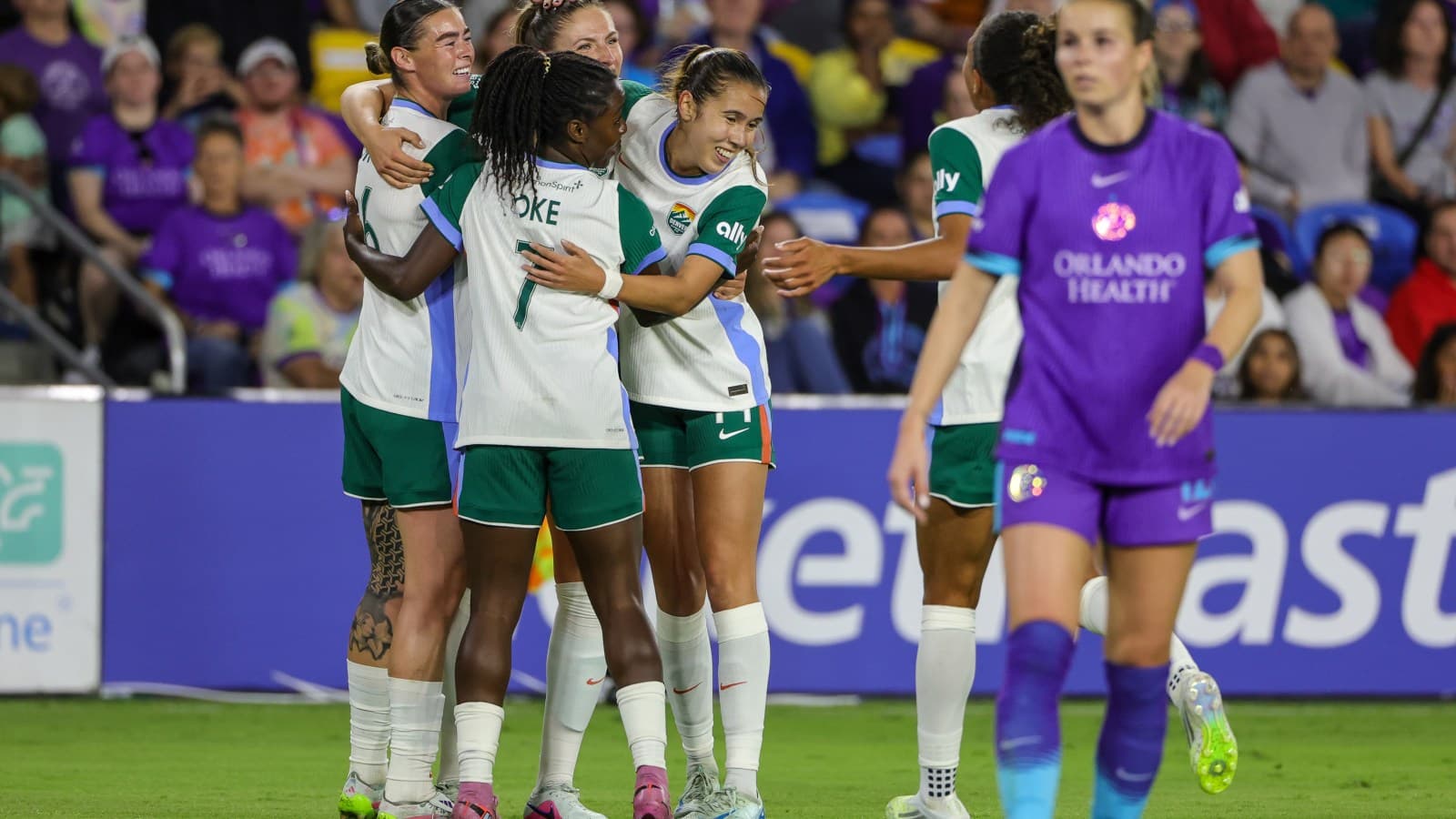
Denver Summit W vs Orlando Pride W: NWSL Showdown
Denver Summit W vs Orlando Pride W is set for 17 May 2026 in the NWSL Women group stage, with both sides eyeing the long game of playoff qualification. Orlando arrive in 7th place on 11 points and currently sit in the playoff positions for the quarter-finals, while Denver are 12th with 9 points, looking to claw their way into contention and improve a modest start to life at this level.
Context and stakes
In the league, Denver have taken 9 points from 8 matches, with a goal difference of +2 (12 scored, 10 conceded). Orlando, with 11 points from 9 games and a neutral goal difference (13-13), are only marginally ahead, so this fixture feels more like a mid-table six-pointer than a clash between 7th and 12th.
For Denver, the narrative is clear: they have been more effective on their travels than at home, and that imbalance must be corrected if they are to rise from the bottom of the table. Orlando, by contrast, are trying to consolidate a playoff spot and prove they can grind out results away from Inter&Co Stadium.
Form and trends
Across all phases, Denver’s recent form reads LDWDDLLW, and in the league table their last five are WLLDD. That combination suggests inconsistency but also a certain resilience: they have lost only three of eight league games and have drawn three. Their goal numbers are solid – 1.5 scored per match and 1.3 conceded on average – but the home sample is thin and underwhelming: 2 home games, no wins, 1 draw, 1 defeat, only 2 goals scored and 3 conceded.
Orlando’s broader form line is LDWDWLLWL, with the league table showing LWLLW in their last five. That pattern points to volatility: three defeats in the last five but also a recent win that has kept them in the top eight. Their attack and defence are almost perfectly balanced at 1.4 goals scored and 1.4 conceded per game. Away from home they have been competitive if not dominant: 4 away matches, 1 win, 1 draw, 2 defeats, 6 scored and 5 conceded.
Both teams, then, tend to be involved in relatively tight games. Denver’s clean sheet count (3 in 8) and Orlando’s (3 in 9) underline that both are capable of shutting opponents down on their day, but neither is watertight.
Tactical outlook: Denver Summit W
Denver’s season profile suggests a side that is more comfortable countering away than controlling at home. They have scored 10 of their 12 goals on the road, averaging 1.7 away goals per game compared to just 1.0 at home. That imbalance hints at a team that finds more space when opponents come onto them.
Defensively, Denver concede 1.2 goals per game away and 1.5 at home, again reinforcing the idea that home matches have been trickier to manage. Their “biggest wins” and “biggest losses” data show an away high of 1-4 and a home defeat of 2-3, indicating they can both score and be exposed in open games.
Discipline could be a subtle factor. Denver’s yellow cards are clustered after the break, especially between 46-60 minutes (44.44% of their yellows) and then late on. They have also seen a red card in the 16-30 minute window. That pattern suggests that managing emotions and game states, particularly in the second half, will be crucial.
In attack, two players stand out from the league-wide top scorers list. Natasha Flint, listed as a midfielder, has 3 goals and 2 assists from 8 appearances, with a rating of 6.91. She combines end product with work rate – 187 passes at 77% accuracy, 13 tackles, 7 interceptions – making her a central figure in Denver’s transition game. Alongside her, forward Klara Melissa Kössler has 3 goals from 8 appearances, with 11 shots (6 on target) and a rating of 6.79. Together, Flint and Kössler account for half of Denver’s league goals and give the side a credible dual threat between lines and in the box.
Denver have not yet been awarded a penalty this season (0 total, 0 scored, 0 missed), so there is no established spot-kick specialist to lean on if a key moment arises.
Tactical outlook: Orlando Pride W
Orlando’s season statistics point to a more settled tactical structure. They have used a 4-2-3-1 in all 9 fixtures, which suggests clear roles and a consistent approach. That shape naturally supports a focal striker, and in this side that role is emphatically filled by Barbra Banda.
Banda is the league’s standout attacker so far: 7 goals in 9 appearances, a 7.71 average rating, and 33 shots with 20 on target. She also contributes 12 key passes and draws 21 fouls, underlining how much of Orlando’s attacking play flows through her, whether running in behind, receiving to feet, or winning set pieces. Even without any goals from the penalty spot this season (0 scored, 0 missed from the individual data), her overall impact is decisive.
As a team, Orlando are relatively balanced home and away. They score slightly more on the road (1.5 per game) than at home (1.4), and concede slightly fewer away (1.3 vs 1.6). Their biggest away win is 0-3, and their heaviest away loss is 3-2, which aligns with the profile of a side that can both punish weaker defences and be drawn into high-scoring contests.
Orlando have converted their only penalty of the season at team level (1 scored, 0 missed), so they carry some confidence from the spot, even if the individual taker is not specified in the available data.
Discipline-wise, their yellows tend to accumulate between 61-90 minutes, with 50% of their bookings coming in that final half-hour. That may matter if they are protecting a lead or chasing the game in Denver.
Head-to-head
The recent competitive history between these two sides is extremely limited. The only recorded meeting in the data is the NWSL Women group stage fixture on 21 March 2026 at Inter&Co Stadium in Orlando, which finished 1-1. Orlando were at home, Denver away, and the match ended level after 90 minutes.
So, across the last available competitive head-to-heads:
- Denver Summit W wins: 0
- Orlando Pride W wins: 0
- Draws: 1
There is no clear historical edge either way, which throws the focus back onto current form and tactical matchups.
Key battles
- Denver’s midfield vs Banda: Flint’s two-way game will be vital in limiting service into Banda and in launching Denver’s own attacks. If Denver can crowd the space around Orlando’s No. 11, they may blunt the visitors’ main weapon.
- Denver’s home psychology vs Orlando’s away resilience: Denver’s poor home return (0 wins from 2) contrasts with Orlando’s ability to win and score away. The question is whether Denver can translate their away sharpness into a more proactive home display.
- Set pieces and discipline: With both teams picking up a notable share of cards in the second half, the side that keeps composure in the final 30 minutes may find a decisive edge, especially if free-kicks around the box become frequent.
The verdict
On paper, Orlando bring the more established attacking star in Banda, a stable 4-2-3-1 structure, and a slightly stronger league position. Denver counter with a solid overall goal difference, a productive Flint–Kössler axis, and the motivation of climbing off the bottom and improving a thin home record.
Given Orlando’s tendency to both score and concede, and Denver’s capacity to keep games close, another tight contest is likely. The data points towards a balanced encounter where a single moment from a key attacker – Banda for Orlando or Flint/Kössler for Denver – could swing it. A draw would not be a surprise, but if either side edges it, Orlando’s extra attacking firepower and slightly superior away record give them a marginal statistical advantage.