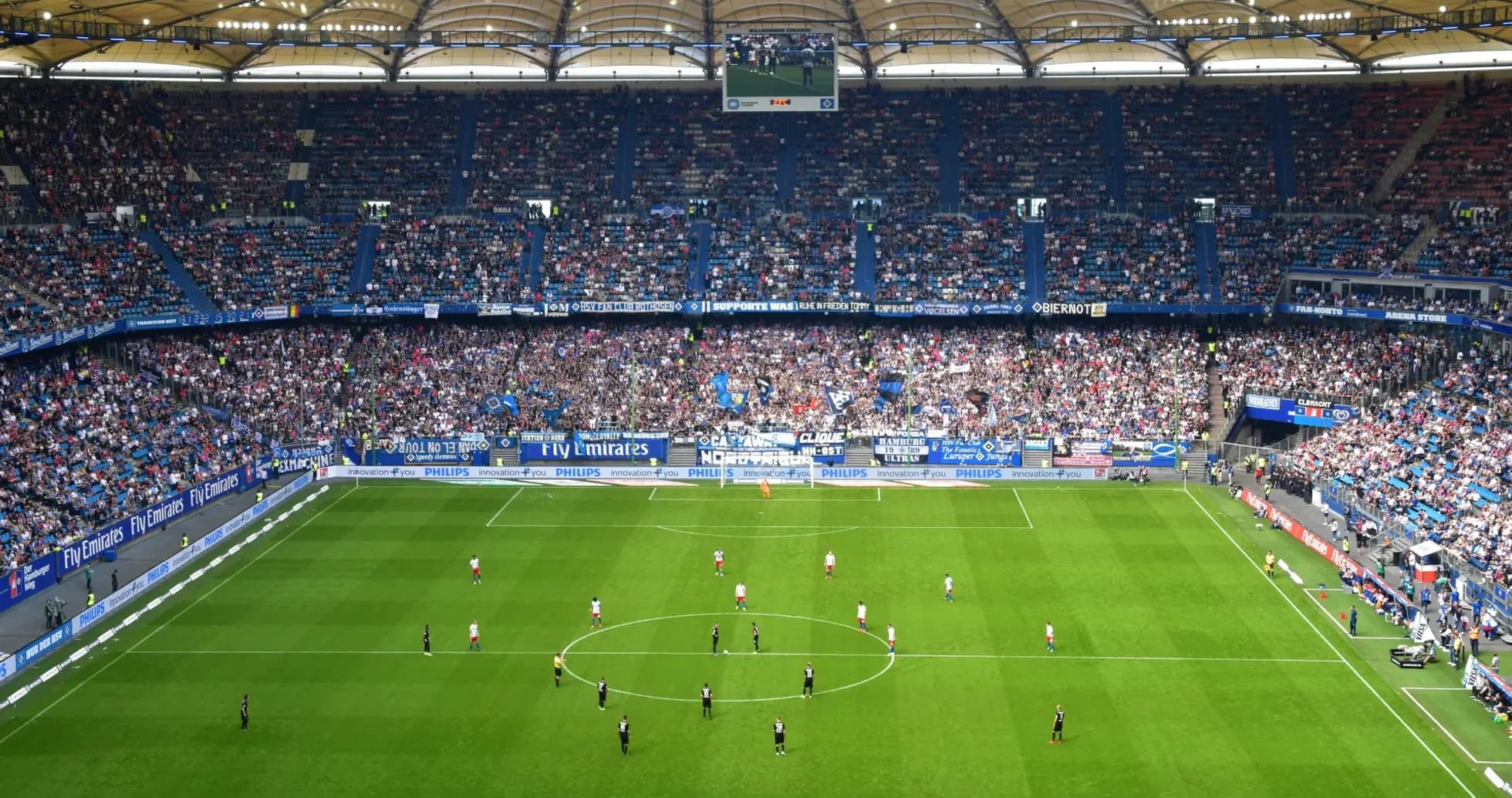
Brighton W vs Arsenal W: Tactical Draw at The Broadfield Stadium
On a cool evening at The Broadfield Stadium, Brighton W and Arsenal W played out a 1–1 draw that felt less like an upset and more like a tactical manifesto from the hosts. Following this result, the table still shows a gap in stature – Brighton in 6th on 26 points, Arsenal 3rd with 42 – but for 90 minutes the difference in pedigree was blurred by discipline, timing and a clear understanding of each side’s strengths and flaws.
I. The Big Picture – contrasting identities
Across the season, Brighton’s profile has been that of a mid-table side learning to punch upwards. Overall they have scored 26 and conceded 26 in 21 matches, a perfectly balanced goal difference of 0 that underlines their volatility: capable of hurting opponents, equally capable of being hurt. At home they average 1.6 goals for and 1.3 against, a risk-reward equation that leans into open games and momentum swings.
Arsenal arrive from a different universe. Overall they have 46 goals for and 13 against in 19 games, a commanding goal difference of 33 built on a ruthless attack and one of the league’s tightest defences. On their travels they average 2.1 goals scored and only 0.8 conceded, a Champions League contender’s profile.
Yet the match narrative at Crawley didn’t follow the script. Brighton, whose goals tend to surge in the 31–45 minute window (24.14% of their total) and remain dangerous late (17.24% between 76–90), struck in that first-half sweet spot and then dug in. Arsenal, whose attacking crescendo usually comes late – a huge 28.26% of their league goals arrive between 76–90 – had to chase from behind, and only salvaged parity in regular time.
II. Tactical voids and discipline – who bent, who held?
There were no listed absentees in the data, so both coaches effectively had full decks to play with. That made the choices more revealing.
Dario Vidosic leaned into Brighton’s defensive resilience at home. The season data shows they have kept 3 clean sheets at home and 6 overall, but the more telling figure is their goals-against distribution: 26.09% of the goals they concede arrive between 76–90, their most fragile phase. The game plan was clearly to reach that window with something to protect, then suffer together.
The back line built around C. Rule, C. Hayes, M. Minami and M. Olislagers was aggressive but controlled. Rule in particular embodies Brighton’s edge: 16 tackles, 2 blocked shots and 10 interceptions across the season, but also 4 yellow cards. She is the prototype of their risk-taking defender – step in, break the line of attack, live with the disciplinary danger. That edge was necessary against Arsenal’s fluid front line.
Higher up, R. McLauchlan and N. Noordam formed the connective tissue, with O. Tvedten and R. Rayner working as shuttle runners to close Arsenal’s passing lanes into the half-spaces. The absence of any red-card history for Brighton this season, despite a heavy yellow-card concentration between 31–45 (27.03%) and 76–90 (21.62%), speaks to a side that plays on the disciplinary edge but rarely tips over it.
Arsenal, by contrast, have been remarkably clean: no red cards in the league, and a spread of yellows that peaks late (26.32% between 76–90). Renee Slegers’ side once again walked that line – committed, but controlled – as they pushed for the equaliser without losing their structure.
III. Key matchups – Hunter vs Shield, Engine Room battles
Hunter vs Shield centred on Alessia Russo against Brighton’s collective back four and goalkeeper C. Nnadozie. Russo’s league output – 6 goals and 2 assists in 18 appearances, with 32 shots (22 on target) – makes her one of the division’s most reliable finishers. She is not just a penalty-box striker; 294 passes with 16 key passes and a 77% accuracy mark show a forward comfortable dropping in to knit play.
Brighton’s “shield” is less about individual dominance and more about timing and numbers. They concede an average of 1.3 goals at home but are relatively solid early: only 2 goals allowed in each of the 0–15 and 16–30 ranges (8.70% apiece). The danger zone is after the interval, especially 46–60 (21.74%) and 76–90 (26.09%). In this match, they bent but did not break under Arsenal’s late pressure, Nnadozie’s presence and the line’s compactness forcing Arsenal into more hopeful crosses and shots from suboptimal zones.
On the flanks, S. Holmberg’s role was pivotal. The 19-year-old defender is one of the league’s top assist providers, with 4 assists and 2 goals in just 309 minutes. Her 85% pass accuracy and 8 key passes underline why Arsenal like to build wide. Yet Brighton’s wide players – Tvedten, Rayner, and the industrious M. Olislagers – worked relentlessly to block those channels, forcing Holmberg to circulate rather than penetrate.
The Engine Room duel was equally fascinating. For Arsenal, Kim Little and V. Pelova are the metronomes, but the creative spark in this campaign has often come from O. Smith and F. Leonhardsen-Maanum. Smith has 4 goals and 2 assists, 19 key passes and 21 dribble attempts (11 successful), a hybrid between playmaker and runner. Maanum adds 3 assists and 8 shots on target from midfield, constantly threatening from the second line.
Brighton’s response lay in the legs of Noordam and McLauchlan, supported by the tactical intelligence of F. Tsunoda. Their job was to compress the central lane, concede space only in front of them, and rely on their own transitional threats – especially the bench options of K. Seike and M. Haley. Seike’s 4 goals and 1 assist, plus 19 key passes, mark her as Brighton’s most incisive runner between the lines, while Haley’s 3 assists and 1 blocked shot, combined with 34 fouls drawn, make her a magnet for contact and territory. Haley has also missed a penalty this season (1 missed from 1 taken), a reminder that Brighton’s margins are often thin when it comes to converting big moments.
IV. Statistical prognosis – why 1–1 made sense
Strip away the names and the badge weight, and the numbers suggest a tight encounter when Brighton play at home and Arsenal are forced to chase. Heading into this game, Brighton had scored in 16 of their 21 league matches and gone over 0.5 goals in 16 of those. Arsenal, meanwhile, had scored in 16 of 19, with over 1.5 goals in 11 matches and a fearsome late surge – 28.26% of their goals between 76–90.
Defensively, Arsenal’s overall average of 0.7 goals against per match (0.6 at home, 0.8 on their travels) pointed to them likely conceding once at most. Brighton’s average of 1.2 conceded overall, combined with Arsenal’s 2.4 scored, hinted at a narrow Arsenal edge on xG, especially as the game opened up.
The draw therefore sits at the intersection of Brighton’s home attacking competence and Arsenal’s slightly softer away defensive numbers. Arsenal’s late-goal habit met Brighton’s late-game frailty, and the equaliser felt like a statistical inevitability as the clock ticked into that 76–90 window where both teams’ season curves spike – Arsenal’s attack at 28.26%, Brighton’s concessions at 26.09%.
In narrative terms, Brighton authored a statement performance: organised, opportunistic, and brave enough to trust their timing. Arsenal, for all their superiority in the table and their broader xG profile, were reminded that on a tight pitch in Crawley, even a Champions League-chasing machine can be dragged into a dogfight and forced to settle for parity.