Manchester City W Dominates West Ham W in FA WSL Season Finale
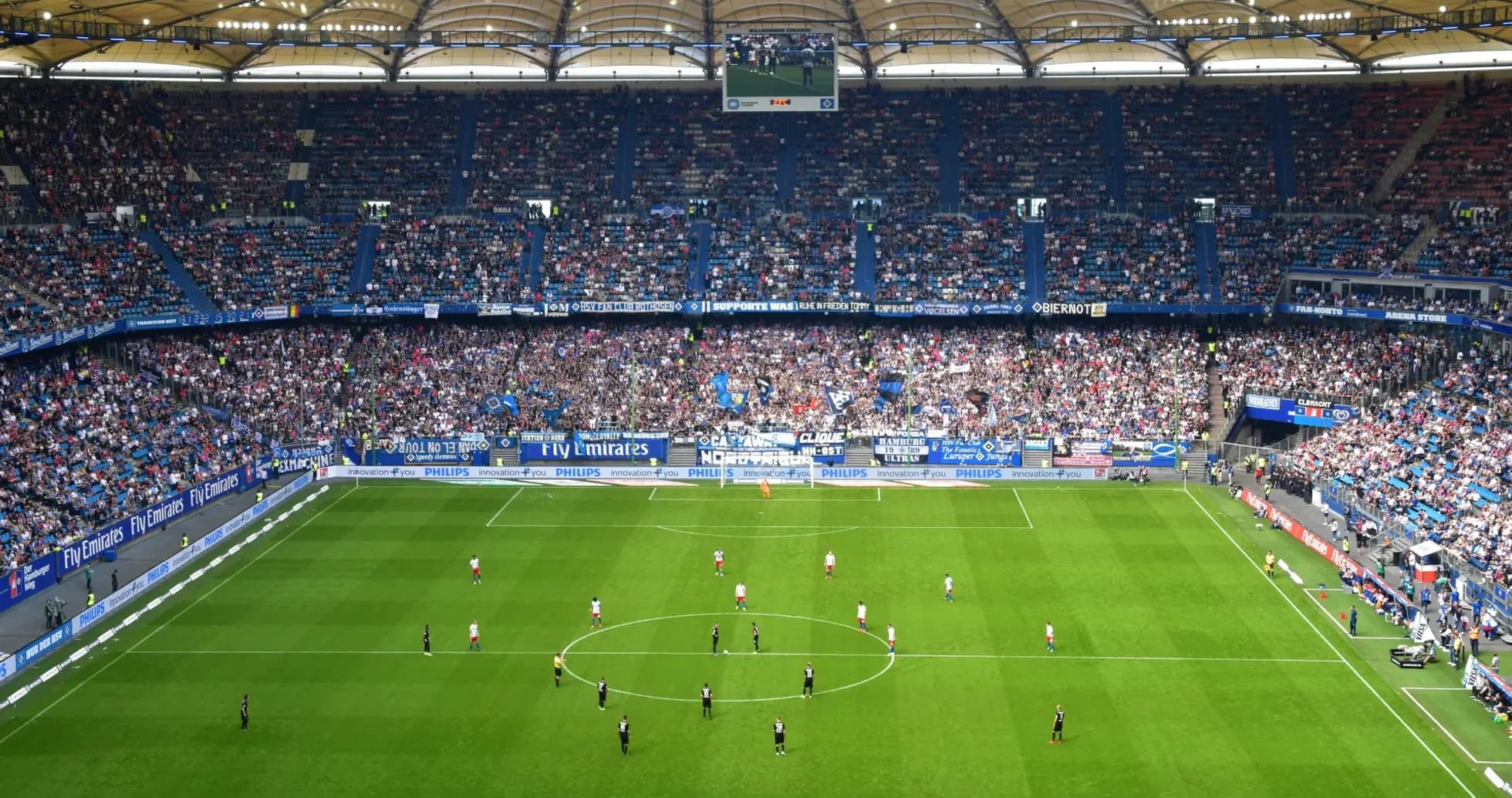
On a bright afternoon at the Chigwell Construction Stadium, the FA WSL season closed with a result that felt entirely in keeping with the trajectories of these two sides. West Ham W, 10th in the table with 19 points and a goal difference of -25 overall, bowed out with a 4-1 home defeat to champions Manchester City W, whose 55 points and overall goal difference of 43 underlined the gulf in class that played out across the 90 minutes.
I. The Big Picture – Profiles of Unequal Power
Following this result, the numbers tell the story of two very different campaigns. Overall, West Ham W have scored 20 league goals and conceded 45; Manchester City W have hit 62 and allowed just 19. At home, West Ham’s average of 1.2 goals scored against 2.2 conceded has made the Chigwell Construction Stadium a place of drama but not dominance. City, by contrast, have been ruthless both at home and on their travels, averaging 2.2 away goals while conceding only 1.0 away.
Those season-long patterns were echoed here. West Ham W’s late rally, reflected in their season trend of a 30.00% share of goals scored between 76-90 minutes, flickered again but never truly threatened to flip the script. Manchester City W, who spread their scoring power across the game yet still find a late-game surge with 21.67% of their goals coming in the 76-90 minute window, simply had more layers, more threats, and more control.
II. Tactical Voids and Discipline – Edges at the Margins
With no official absentees listed, both coaches were able to lean into their preferred cores. Rita Guarino trusted K. Szemik in goal, shielding her with the defensive presence of Y. Endo, E. Nystrom, E. Cascarino and the combative I. Belloumou. In midfield, the blend of O. Siren, K. Zelem and F. Morgan was asked to stitch together progression and protection, while S. Piubel supported the dual attacking threats of V. Asseyi and R. Ueki.
On the opposite bench, Andree Jeglertz rolled out a Manchester City W side that looked every inch a champion’s XI. E. Cumings anchored a back line including I. Beney, J. Rose, A. Greenwood and L. Ouahabi. Ahead of them, the double pivot and advanced line of L. Blindkilde, Y. Hasegawa, M. Fowler and A. Fujino provided the technical platform for wide menace L. Hemp and the league’s deadliest finisher, K. Shaw.
Discipline was always going to be a quiet but critical subplot. West Ham W’s season card profile shows a worrying 42.31% of their yellow cards arriving between 76-90 minutes, a period where tired legs and desperate pressing often collide. Belloumou, who carries a red card in her seasonal record, and Asseyi, who has amassed 4 yellows overall, personify that edge-of-the-knife intensity. For City, A. Greenwood’s 4 yellows overall are the badge of a defender unafraid to step in and stop transitions early, and that willingness to foul intelligently helped City kill potential counters before they bloomed.
III. Key Matchups – Hunter vs Shield, Engine Room vs Enforcer
The headline duel was always going to be K. Shaw against a West Ham defence that has conceded 2.0 goals per game overall. Shaw’s 16 league goals overall, backed by 71 total shots and 38 on target, make her the archetypal “Hunter”. Her movement between centre-backs and full-backs, combined with City’s 2.8 goals-per-game overall average, posed a direct question to Szemik and the line in front of her.
West Ham W’s defensive numbers painted a worrying picture even before kick-off. They concede heavily late: 20.00% of their goals against come between 61-75 minutes and 22.22% between 76-90. Those are precisely the windows where City, driven by superior fitness and depth, like to accelerate. City’s own goals against distribution shows a relative vulnerability between 61-75 minutes (33.33% of their concessions), but West Ham’s attacking profile – 25.00% of their goals between 46-60 and 30.00% in the 76-90 window – required sustained territory and pressure they rarely achieved.
In midfield, the “Engine Room” battle pitted Y. Hasegawa’s metronomic control against West Ham’s mix of graft and creativity. Hasegawa, flanked by the dynamism of M. Fowler and the intelligent movement of A. Fujino, dictated the rhythm, allowing City to compress the pitch and pin West Ham back. For Guarino, Asseyi was the emotional and tactical heartbeat further forward: 21 tackles, 9 interceptions and 158 duels overall (winning 78) show a player who both disrupts and drives. Yet her aggressive profile – 28 fouls committed overall and that red-card shadow in the squad via Belloumou – meant West Ham always flirted with disciplinary risk when they tried to raise the intensity.
Out wide, L. Hemp’s duel with West Ham’s full-backs felt like a mismatch of inevitability. Hemp’s 6 assists overall, 38 key passes and 39 dribble attempts (18 successful) make her one of the league’s premier chance-creators. Combined with K. Casparij’s 6 assists and 18 key passes overall from deeper zones, City could overload flanks and pull West Ham’s back line into constant emergency defending.
IV. Statistical Prognosis – xG Shadows and Structural Truths
Even without explicit xG data, the season profiles sketch a clear expected-goals landscape. Manchester City W’s attacking volume – 62 goals overall at 2.8 per game – against a West Ham W defence conceding 2.0 per game overall strongly suggests a high-xG environment for the visitors. On their travels, City’s 24 away goals at 2.2 per game into a home defence that allows 2.2 per game at Chigwell points toward a baseline expectation of multiple City goals.
At the other end, West Ham’s 13 home goals at 1.2 per game faced a City back line that concedes only 1.0 away and keeps clean sheets with impressive regularity (8 overall, 3 on their travels). West Ham’s tendency to finish strongly and City’s slight soft spot between 61-75 minutes hinted at a consolation or a late strike rather than a sustained barrage.
Following this result, the 4-1 scoreline feels less like an outlier and more like a crystallisation of the underlying data: a champion’s attack, layered and relentless, exploiting a fragile defensive structure; and a brave but overmatched home side, whose best moments tend to come late, when the game is often already gone.