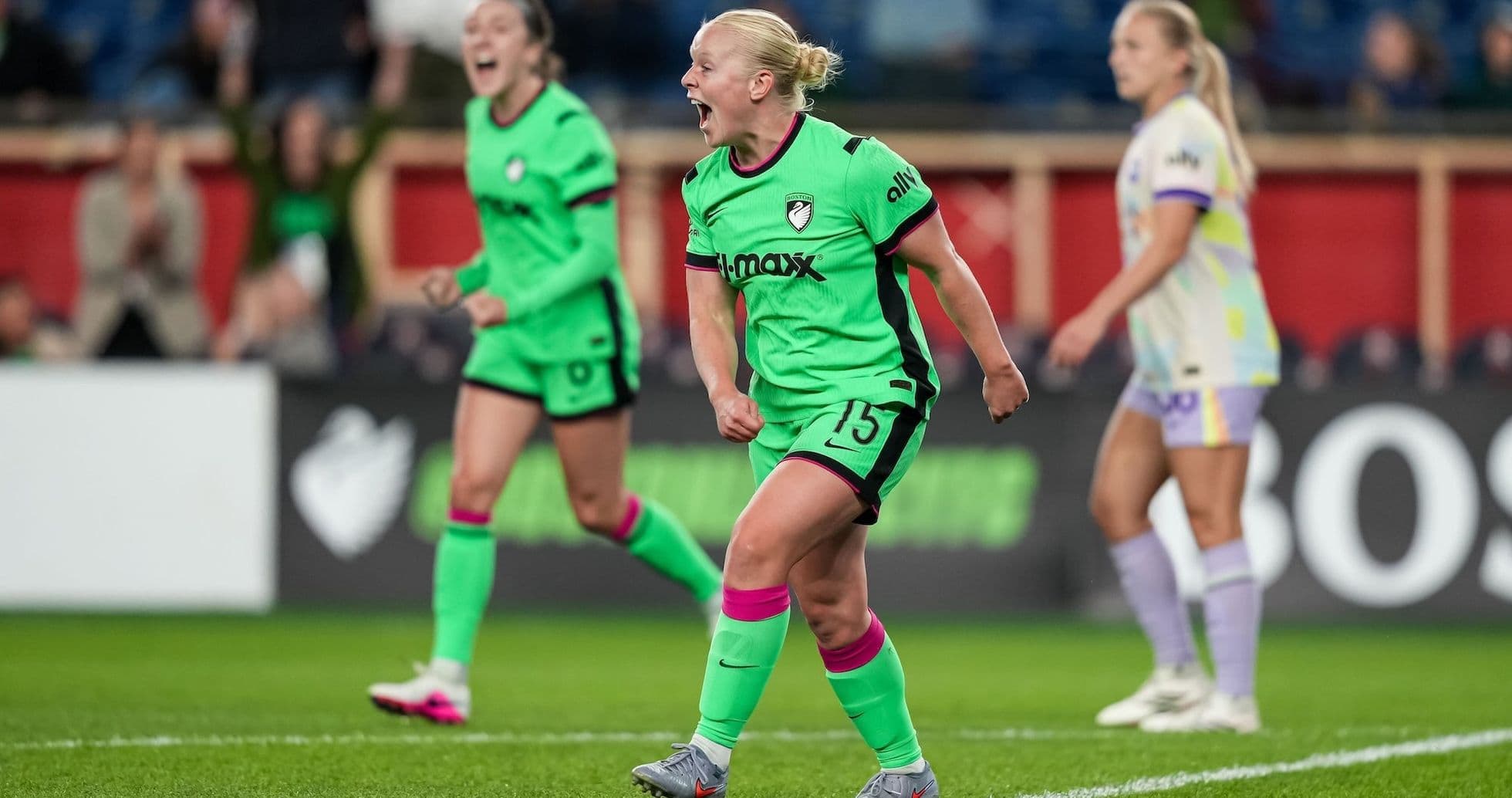
Boston Legacy W's Tactical Statement Against Orlando Pride W
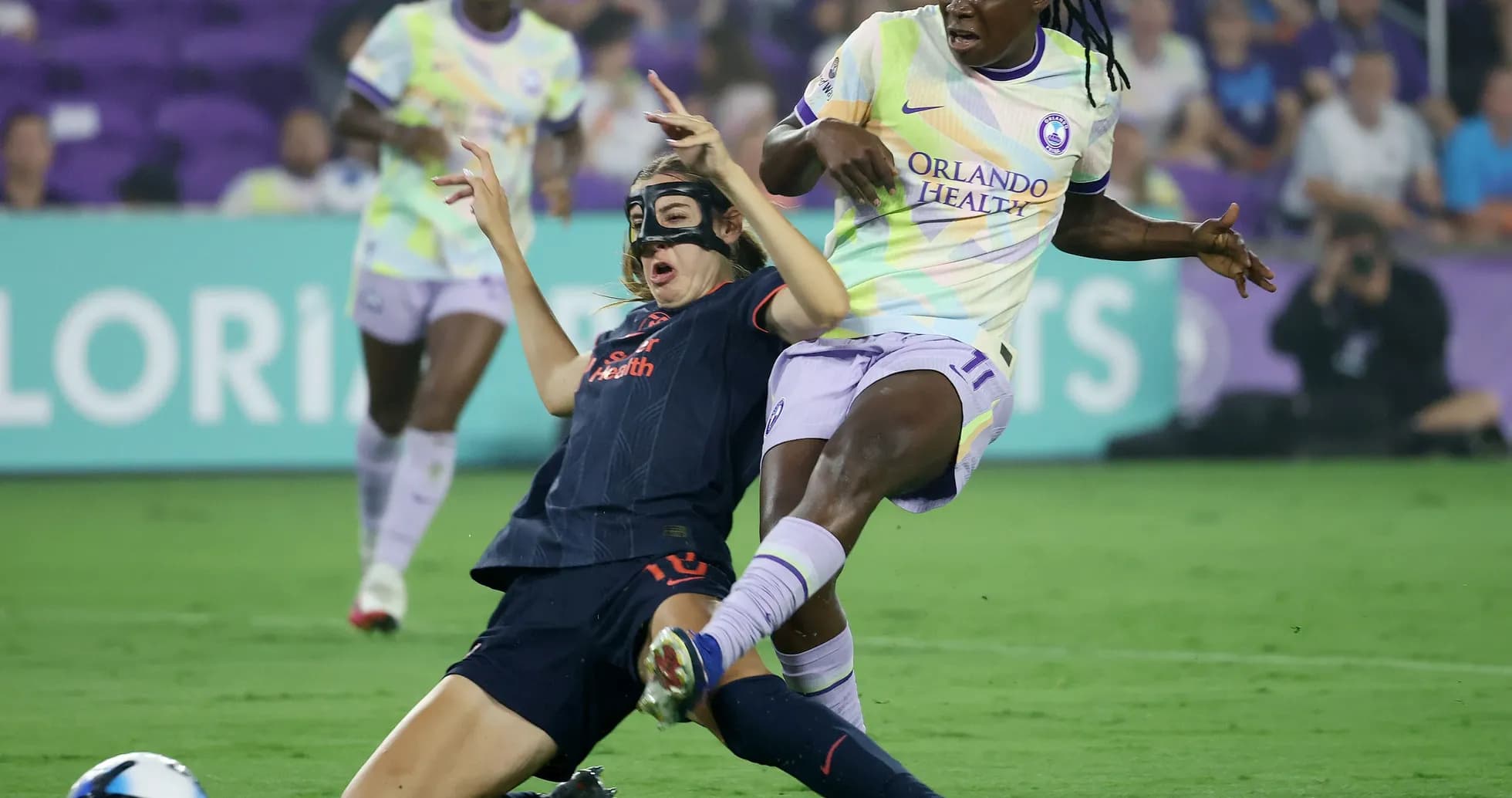
The lights at Gillette Stadium had barely cooled when the table told the story. Following this result, Boston Legacy W’s 2–1 comeback over Orlando Pride W felt bigger than three points: it was a statement from a side still finding its NWSL identity against a team already molded into a clear tactical shape.
I. The Big Picture – contrasting identities
In the NWSL Women 2026 season, these two clubs have been living different realities. Orlando Pride W, seventh with 11 points and a goal difference of 0 (13 scored, 13 conceded overall across 9 matches), arrived in Foxborough with the stability of a defined 4-2-3-1 and a promotion play-off description to their name. Boston Legacy W, fourteenth with 8 points and a goal difference of -6 (9 scored, 15 conceded overall in 9 matches), came in as the league’s strugglers, but with a flicker of momentum in their recent “WDWDL” form line.
Heading into this game, Boston’s season DNA was clear: at home they had scored 8 and conceded 9 in 6 matches, averaging 1.3 goals for and 1.5 against at Gillette. They had yet to keep a single clean sheet anywhere, and their total goals-against average sat at 1.7. Orlando, by contrast, were built on balance: 13 goals for and 13 against overall, with a slightly sharper attack on their travels (1.5 away goals on average) and a marginally tighter away defence (1.3 conceded on their travels).
That context makes the final 2–1 scoreline more than an upset; it is a tactical pivot point for both squads.
II. Tactical Voids and Discipline – who bent, who broke
Orlando’s lineup was coherent and familiar. Seb Hines stayed loyal to the 4-2-3-1 that has defined their season, with A. Moorhouse in goal behind a back four of H. Mace, C. Dyke, Rafaelle Souza and O. Hernandez. In front, J. Doyle and H. McCutcheon formed the double pivot, with a creative band of three – Angelina, Marta and S. Yates – supporting lone forward S. Jackson.
The tactical void for Orlando was not about absentees, but about who was missing from the starting XI. League top scorer B. Banda, with 7 goals from 9 appearances and a 7.71 rating, began on the bench. Her 33 total shots (20 on target) and 12 key passes make her the league’s most dangerous “hunter”, but here she was held in reserve, leaving Orlando’s front line without its most ruthless edge when they were on top in the first half.
Boston, by contrast, still do not have a settled formation at league level – their season data shows only one recorded use of a 3-3-1-3 – and that uncertainty showed on the teamsheet. C. Murphy started in goal behind a back line anchored by J. Carabali, Lais and E. Elgin. The midfield core of A. Cano, A. Karich, J. Hasbo and B. Olivieri sat beneath a mobile front trio of N. Prince, A. Traore and B. St.Georges.
Discipline has been a defining narrative for Boston all season. Their yellow-card distribution is spread but heavy between 16-90 minutes, with a notable late-game red spike: 1 red card in the 76-90’ window, accounting for 100.00% of their dismissals. A. Traore and J. Carabali are both among the league’s most carded, each with 3 yellows, and B. St-Georges carries a yellow-red combination in limited minutes. Yet in this match, Boston managed to channel their aggression without imploding – a quiet but crucial subplot in turning 0–1 at half-time into a 2–1 full-time victory.
Orlando, whose own yellow cards cluster in the 61-90’ period (50.00% of their yellows arrive from 61-90’ and into added time), again flirted with late-game risk. Their tendency to pick up cards as legs tire feeds directly into the match’s decisive phase, where Boston’s forwards were able to force duels and free-kicks in dangerous areas.
III. Key Matchups – Hunter vs Shield, Engine Room vs Enforcer
Hunter vs Shield was, on paper, B. Banda against a Boston defence that had conceded 15 overall and kept 0 clean sheets. Even though Banda did not start, her mere presence on the bench shaped Boston’s defensive posture. J. Carabali, who has 14 tackles, 3 successful blocks and 11 interceptions across the season, is the de facto shield. Her 3 yellow cards and 11 fouls committed underline a defender willing to live on the disciplinary edge to protect a fragile unit.
Once Banda entered the fray, the duel was as psychological as it was tactical: could Boston’s back line hold their nerve against a forward who has drawn 21 fouls and attempted 22 dribbles? The answer, in this match, was yes. Carabali’s blend of anticipation and physicality, supported by Lais and Elgin, limited clear service into the box, forcing Orlando to rely more on the creativity of Marta and Angelina between the lines.
In the Engine Room, the contest revolved around Boston’s double axis of A. Karich and Alba Caño against Orlando’s J. Doyle and H. McCutcheon. Karich, with 453 passes at an 85% accuracy and 22 tackles this season, is Boston’s metronome and primary enforcer. Alba Caño adds verticality: 2 goals, 10 key passes and 27 tackles, bridging defence and attack with relentless energy.
Against them, Doyle and McCutcheon were tasked with screening the back four while feeding Marta and Angelina. Orlando’s season averages – 1.4 goals for and 1.4 against overall – depend heavily on this pivot keeping games under control. For 45 minutes, they did: Orlando went into the break 1–0 up. But as Boston pushed higher, Karich’s passing lanes and Caño’s pressing began to tilt the pitch. Their ability to win duels (Alba Caño has 37 duels won from 65 overall) and play forward early unlocked the wide channels for Prince and Traore.
On the flanks, N. Prince – officially listed as a defender in the league data but deployed higher here – continued to justify her status as Boston’s top assist provider with 2 assists and 10 key passes this season. Her duel with Orlando’s full-backs, particularly H. Mace, was a decisive battleground. Prince’s 12 dribble attempts with 6 successes show a winger willing to take on her marker; that directness stretched Orlando’s 4-2-3-1 and created the half-spaces Traore thrives in.
A. Traore, Boston’s most carded attacker with 3 yellows but also 2 goals and 1 assist, embodied the fine line between chaos and control. Her 71 duels contested and 5 successful dribbles mark her as the emotional barometer of Boston’s press. Against an Orlando back line that averages 1.3 goals conceded on their travels, her willingness to run at defenders and draw fouls (20 drawn this season) repeatedly asked questions that Orlando’s structure could not always answer.
IV. Statistical Prognosis – what this result signals
Following this result, the numbers point to a shift in narrative more than a transformation of underlying metrics. Boston still own a negative goal difference of -6 overall, and their total averages of 1.0 goals for and 1.7 against underline the fragility baked into their season. Yet the pattern of this 2–1 win fits their emerging home profile: high-scoring, high-risk, emotionally charged fixtures where their attacking talent can just about outpace their defensive vulnerabilities.
Orlando, meanwhile, remain statistically balanced but tactically exposed in key moments. Their away record – 1 win, 1 draw, 2 losses, with 6 scored and 5 conceded on their travels – suggests a side that can impose itself but struggles to close doors once opened. Leaving B. Banda out of the starting XI in a match where they led 1–0 at half-time will invite scrutiny; her xG impact, implied by 33 shots and 20 on target, is too significant to be a late luxury.
From an Expected Goals and defensive solidity perspective, the prognosis is nuanced. Boston’s lack of clean sheets and their card profile, with 22.73% of yellows between 16-30’ and a red spike late on, mean their margin for error remains thin. But the spine of Karich and Alba Caño, the edge of Traore, and the creativity of Prince give them enough attacking xG potential to trouble any mid-table defence, especially one as statistically symmetrical as Orlando’s.
For Orlando, the path forward is clear: keep the 4-2-3-1, but integrate Banda as the central reference point from the start, and tighten the late-game discipline that currently sees 50.00% of their yellows arrive from 61-90’ and into added time. Without that adjustment, matches like this – controlled early, lost late – may become an uncomfortable theme.
In Foxborough, though, this night belonged to Boston Legacy W: a flawed, combustible, but increasingly coherent side that turned a fragile season profile into a signature home win.