Xavi's Oranje Revolution: Surprising Omissions and New Rules
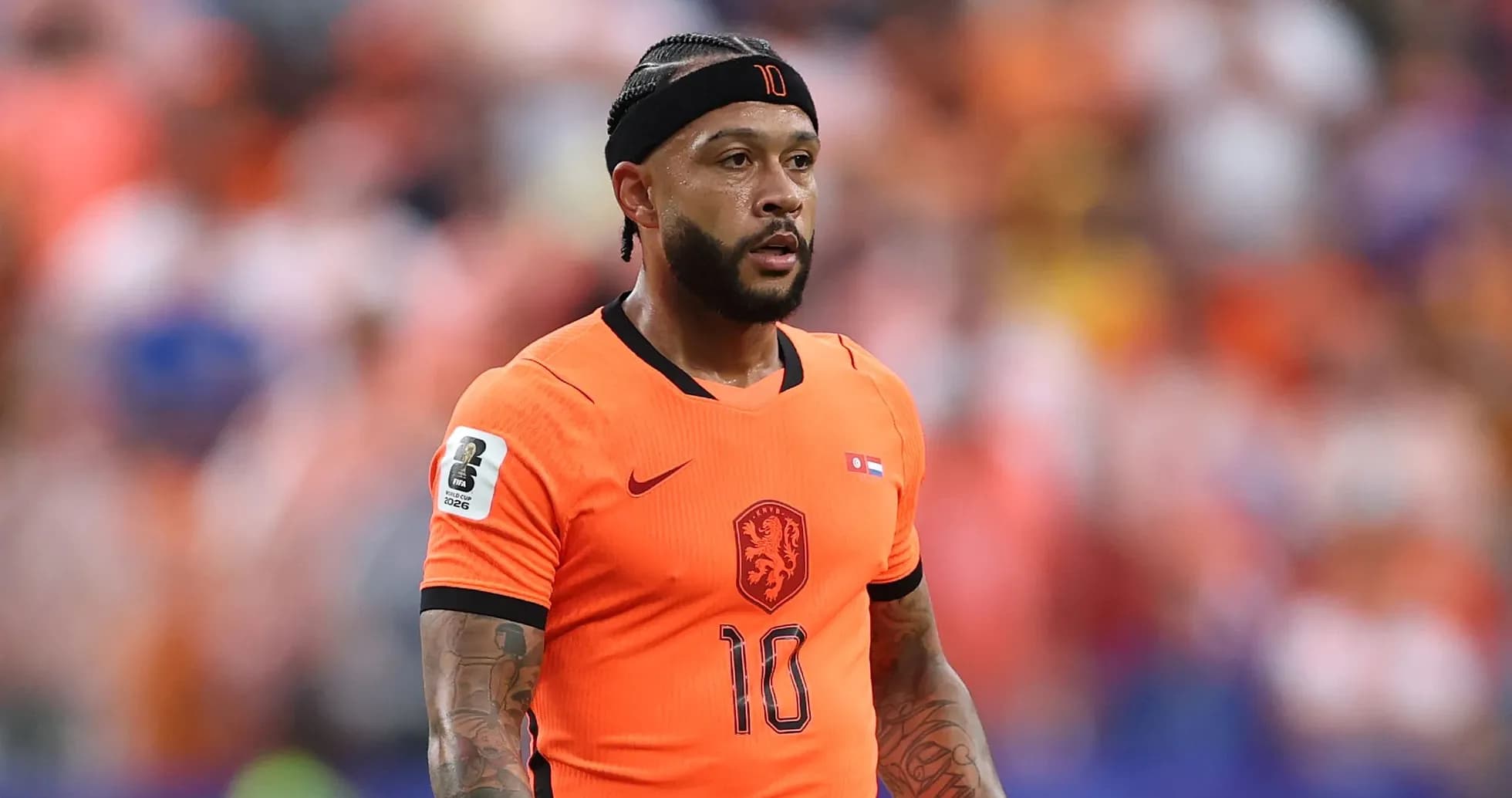
Xavi’s Oranje revolution starts with a shock: no Memphis Depay.
In his first Netherlands squad, the former Barcelona coach has cut one of the national team’s biggest modern icons, a forward still chasing the all‑time scoring record for his country. Reputation, Xavi has made clear, no longer guarantees a seat on the plane.
Memphis is still hunting his first goal in Brazil with Corinthians, and that stuttering form has cost him. Match fitness and club performance now sit at the top of the hierarchy. Sentiment is out. The Koeman era, with its loyalty to established names, has been firmly parked.
Big names out, new rules in
Memphis is not alone. Marten de Roon and Wout Weghorst have also been left out, two more pillars of the previous regime quietly pushed aside as Xavi redraws the depth chart.
Injuries have shaped parts of the list as well. Frenkie de Jong remains unavailable with the knee problem that ruined his World Cup and still delays the much-anticipated reunion with his old Barcelona manager. Mats Wieffer also misses out through injury, while Stefan de Vrij’s omission, after his move to Greece, underlines a sense that his international story is nearing its final chapter.
There is one major defensive boost: Jurrien Timber is back. The versatile defender, who missed the World Cup and a long stretch of football with a serious knee injury, returns to give Xavi a high-level option in the back line and a symbol of renewal.
Youth at the heart of Xavi’s first squad
If the cuts are ruthless, the promotions are bold.
Ruben van Bommel, son of former Oranje midfielder Mark van Bommel, has been handed his first call-up after a blistering start to the season with PSV Eindhoven. Fresh off his own cruciate ligament nightmare, the winger has already produced two goals and two assists in league play. Xavi has rewarded both his numbers and his resilience.
Gjivai Zechiel’s rise has been just as sharp. Now a regular starter at Feyenoord, the technical midfielder has added goals to his game, scoring five times already this season. That scoring instinct from midfield, combined with his comfort on the ball, has pushed him straight into the national setup.
These are not token gestures. They are clear markers: form, intensity, and upside trump seniority.
Joey Veerman’s road back
One of the most intriguing names on the list is Joey Veerman.
The Borussia Dortmund midfielder had been frozen out under Ronald Koeman after a poor display against Austria at Euro 2024, a performance that sparked a public storm in the Netherlands over his tactical suitability at the highest level. From that night, he became a lightning rod for criticism and, effectively, a non-option.
A move to the Bundesliga has changed the picture. Veerman’s fresh start in Germany has convinced Xavi that the 27-year-old still brings something essential: the ability to unlock defences from deep. In a system that demands high technical quality and precision from central midfielders, that passing range could become a key weapon.
His recall is more than a second chance; it is a statement that past failures do not permanently define a player in this new cycle.
Van Dijk stays to lead the new era
At the back, the biggest decision was not who Xavi picked, but who he persuaded to stay.
Virgil van Dijk had openly suggested he might walk away from international football after the painful World Cup exit to Morocco. The disappointment lingered, and his future with Oranje looked uncertain.
Private talks with Xavi in August changed that. The Liverpool defender has now committed to continue as captain, anchoring a defence that blends experience with Premier League power in Micky van de Ven and Jan Paul van Hecke.
The message is clear: the armband remains with Van Dijk, but the guard around him is evolving fast.
Flexibility on Saudi moves
Xavi has also drawn an early line on one of the modern game’s flashpoints: moves to the Middle East.
While some national coaches have distanced themselves from players heading to Saudi Arabia, Xavi has kept faith with Tijjani Reijnders and Crysencio Summerville, both of whom recently joined the Saudi Pro League. Their places in the squad underline a pragmatic stance — performance and suitability to his style matter more than the league’s postcode.
So the Xavi era begins with hard calls, fresh faces, and a clear set of principles. No guarantees for legends, no automatic exile for those chasing contracts abroad, and a squad built around sharp form and technical quality.
The question now is simple: how quickly can this new, unforgiving Oranje turn those bold choices into results on the pitch?