Who Is Most Likely to Win the 2026 World Cup? The Favourites Ranked
With 48 teams heading to North America this summer, the race for the World Cup trophy is wide open — but analysis combining team performance data and squad values points clearly toward a handful of nations as genuine contenders. Here is how the favourites stack up.
France — The Team to Beat
France arrive as the tournament's top-ranked side by most serious analytical measures. The depth of their attacking talent is simply unmatched — four of the top ten performers in Europe's major leagues and the Champions League this season are French. Kylian Mbappé leads the charge, but the supporting cast around him is arguably stronger than at any previous tournament. Les Bleus have reached the last two World Cup finals, winning in 2018. The case for them going one better in 2026 is compelling.
Spain — Defending European Champions
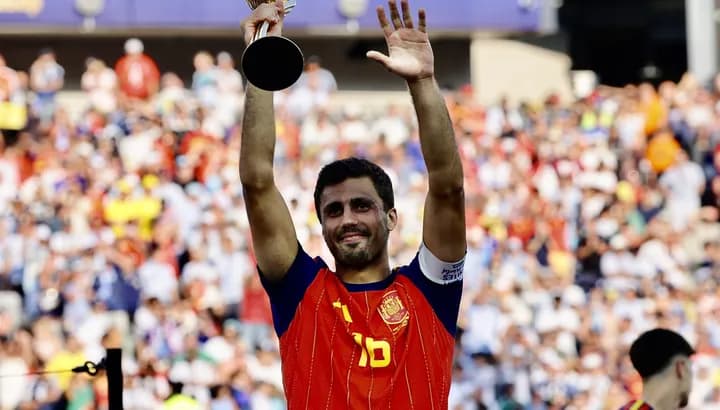
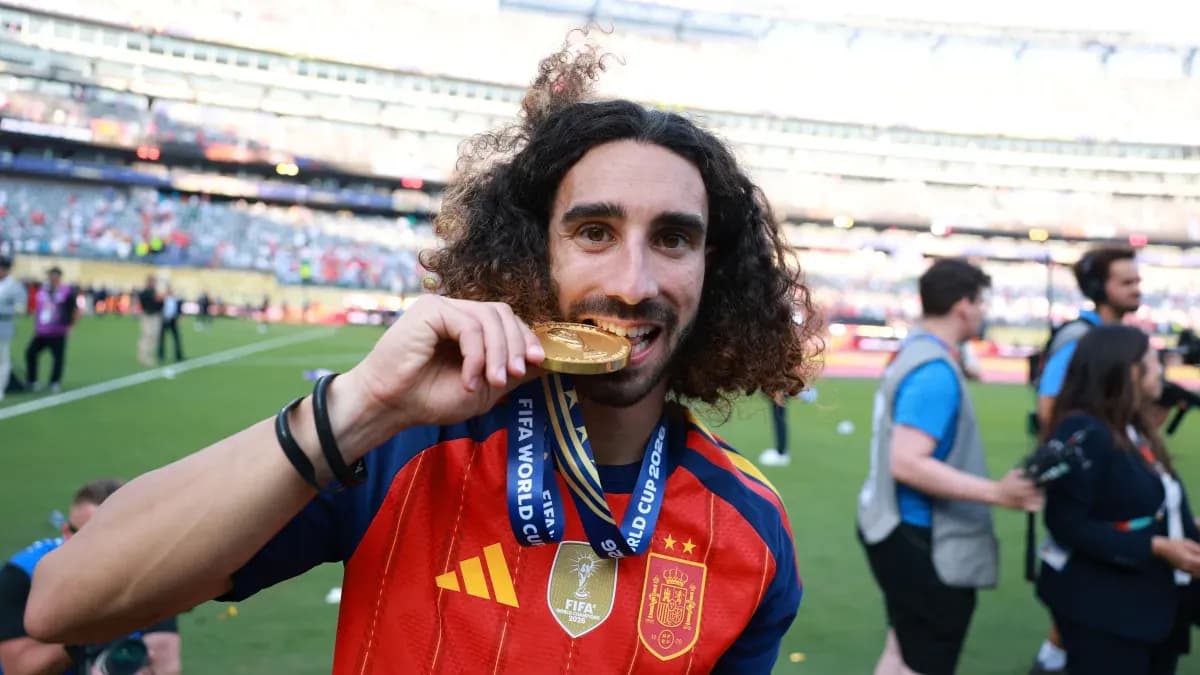
Fresh from winning Euro 2024, Spain arrive in North America with a squad built around technical excellence and positional clarity. Lamine Yamal — just 18 years old — has already established himself as one of the most exciting players on the planet, and the team around him is experienced, organised and capable of controlling matches against anyone. They are the closest challengers to France at the top of the pecking order.
England — Genuine Contenders Under Tuchel
Thomas Tuchel's England come in at third in most rankings — a reflection of both the quality available and the expectations that now surround the squad. England have the benefit of FIFA's new seeding system protecting them from Spain and Argentina until the semi-finals, and from France until a potential final. If the squad performs to its ceiling, a deep run is entirely realistic.
Brazil — Five-Time Champions Chasing Glory
Brazil are ranked fourth in the field. Under Carlo Ancelotti, the Seleção possess extraordinary attacking depth — Vinícius Júnior, Raphinha, Rodrygo, Endrick and Estêvão among others — and arrive with the motivation of a nation that has not won the World Cup since 2002. The talent is there. Whether the system can hold it together under tournament pressure is the defining question.
Netherlands and Portugal — Dark Horses With Star Power
The Netherlands rank sixth — a side with genuine Champions League-calibre players throughout and the technical quality to trouble anyone on a good day. Portugal sit fifth, though their prospects are heavily tied to how Cristiano Ronaldo, at 41, fits into the team's attacking structure. His goalscoring ability remains elite; his overall contribution to the team's build-up play is a question Martínez will need to manage carefully.
Argentina — Defending Champions, Still Dangerous
The reigning world champions arrive ranked seventh — lower than their status might suggest, partly reflecting a qualifying campaign where they coasted rather than impressed. But this is still a squad capable of winning the tournament, particularly if Lionel Messi is fit, available and motivated for one final World Cup campaign. In qualifying, despite playing limited minutes, Messi still led Argentina in expected assists, expected possession value and non-penalty goals. When he is on the pitch, he changes everything.
Norway and Germany — The Outsiders Worth Watching
Norway rank ninth — a significant rise built around Erling Haaland, who offers a goal threat that no defence in the tournament can fully neutralise. Germany sit eighth, arriving with renewed ambition after two consecutive early exits and a rebuilt squad that combines youth with genuine quality.
The Bottom Line
France are the favourites. Spain, England and Brazil are the closest challengers. But the history of the World Cup is a history of surprises — and with 48 teams, a new Round of 32 and the unpredictable variables of a North American summer, the path from group stage to final has never been longer or more treacherous.
The tournament starts June 11. By July 19, we will have our answer.