West Ham's 4-0 Victory Over Wolves: A Display of Efficiency and Control
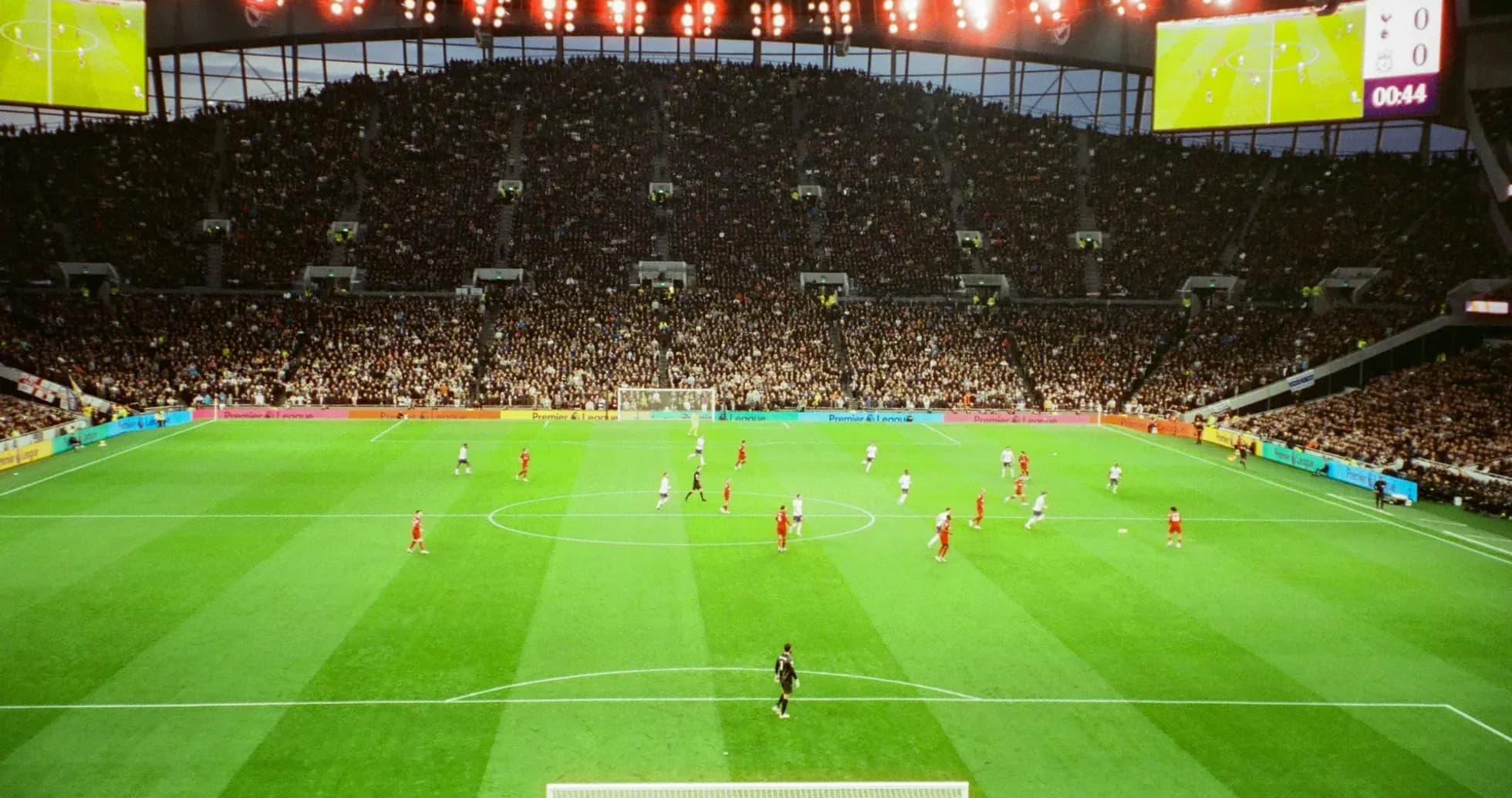
West Ham’s 4-0 dismantling of Wolves at London Stadium was a clinic in vertical efficiency and set-piece brutality rather than territorial dominance. In a Premier League Round 32 fixture where Wolves held 56% of the ball and completed more passes, West Ham’s 4-4-1-1 repeatedly punched through the visitors’ 3-5-1-1 structure, converting a 2.35 xG profile into four unanswered goals. Konstantinos Mavropanos struck twice from central defender, Valentín Castellanos added a rapid second-half brace, and Mads Hermansen’s assured goalkeeping underpinned a defensive plan that happily ceded possession but never control.
The disciplinary and scoring narrative started early with Wolves’ frustration. At 9', Jean-Ricner Bellegarde collected a yellow card for a foul, a signal of how often West Ham’s midfield would tempt contact when turning play. Eleven minutes later, at 20', Yerson Mosquera was booked for argument, reflecting Wolves’ growing irritation with both the referee Jarred Gillett and the rhythm of the game. West Ham’s only first-half card came at 31', when Mateus Fernandes was cautioned for a foul, but the home side were already dictating the terms of transition.
The breakthrough arrived at 42'. From a West Ham attack, K. Mavropanos surged into a decisive zone and finished clinically, assisted by J. Bowen, to make it 1-0. That goal stood as the halftime score, exactly matching the 1-0 half-time line in the official data.
After the interval, tension briefly spiked again. At 52', Valentín Castellanos was booked for a foul, yet the caution did nothing to blunt his influence. Wolves then attempted to reshape the contest with a double change at 61': Rodrigo Gomes (IN) came on for A. Gomes (OUT), and Mateus Mané (IN) came on for J. Bellegarde (OUT), aiming for more width and direct running behind West Ham’s back four.
Instead, West Ham exploded. At 66', T. Castellanos converted from open play, assisted by Pablo, to make it 2-0. Just two minutes later, at 68', Castellanos struck again, this time from another incisive move finished after a J. Bowen assist, pushing the score to 3-0 and effectively breaking Wolves’ resistance.
Wolves kept rotating their front line: at 71', Hwang Hee-Chan (IN) came on for A. Armstrong (OUT), and Tolu Arokodare (IN) replaced Y. Mosquera (OUT), shifting the structure towards a more aggressive, striker-heavy orientation. West Ham responded with controlled management of legs and intensity. At 78', A. Traore (IN) came on for C. Summerville (OUT), and F. Potts (IN) replaced Pablo (OUT), freshening both flanks and the second line of pressure. At 82', C. Wilson (IN) entered for T. Castellanos (OUT), the Argentine forward departing with his brace secured.
The fourth goal was emblematic of West Ham’s dominance in both boxes. At 83', K. Mavropanos rose again, this time unassisted, to make it 4-0, confirming his double from central defence. Two more late substitutions closed the rotation patterns: at 85', S. Magassa (IN) came on for M. Fernandes (OUT) for West Ham, while Wolves registered a fifth substitution event with T. Edozie (IN) listed, though the leaving player was not specified in the data.
Tactically, West Ham’s 4-4-1-1 was built on compact spacing, direct progression, and ruthless exploitation of Wolves’ structural weaknesses between their back three and midfield five. Hermansen, with 4 saves, anchored a back line of Walker-Peters, Disasi, Mavropanos, and El Hadji Malick Diouf that accepted Wolves’ territorial phases but defended the box aggressively. Wolves produced 14 shots (3 on target) and 0.59 xG, underlining how often they were forced into low-quality attempts.
West Ham’s defensive block was narrow and vertically disciplined. Tomáš Souček and Mateus Fernandes screened the centre, allowing Bowen and Crysencio Summerville to stay high enough to spring counters. This meant that when Wolves’ wing-backs, Jackson Tchatchoua and Hugo Bueno, advanced, the spaces behind them were immediately targeted. The first Mavropanos goal at 42' and the Castellanos brace between 66' and 68' both grew from this dynamic: quick regains, early forward passes, and aggressive occupation of the half-spaces.
In possession, West Ham were direct but not reckless. They completed 288 of 355 passes (81% accuracy) with only 44% possession, yet generated 18 shots, 7 on target, and a robust 2.35 xG. The high share of shots inside the box (14 of 18) confirms the clarity of their attacking patterns: progress, penetrate, and finish close to goal rather than circulate endlessly.
Wolves’ 3-5-1-1, with André and João Gomes central and Angel Gomes supporting Adam Armstrong, never quite solved West Ham’s compact mid-block. Despite 456 passes at 86% accuracy and 56% possession, their attacks were repeatedly funneled wide and then blunted by strong aerial and positional work from Mavropanos and Disasi. The late introduction of Hwang Hee-Chan and Arokodare added physicality and vertical threat, but by then West Ham had dropped into an even more conservative shape, protecting the box and allowing only low-probability efforts.
From a statistical verdict, the 4-0 scoreline is fully supported by the underlying data. West Ham’s 2.35 xG versus Wolves’ 0.59 reflects a gulf in chance quality that mirrored the final score, even if possession figures might suggest a closer contest. Both goalkeepers posted 0 goals prevented, aligning with the notion that Hermansen faced mostly manageable efforts (3 on target conceded) while José Sá, with 3 saves, was repeatedly exposed to high-value chances.
Disciplinary control was balanced: 2 yellow cards for West Ham (Mateus Fernandes 31', Valentín Castellanos 52') and 2 for Wolves (Jean-Ricner Bellegarde 9', Yerson Mosquera 20'), with no reds. Overall Form for West Ham in this match was that of a high-efficiency, transition-driven side capable of punishing structural flaws. Their Defensive Index, anchored by Mavropanos’ double at the other end and a clean sheet behind a compact 4-4-1-1, was equally strong, turning a possession deficit into a statement win.