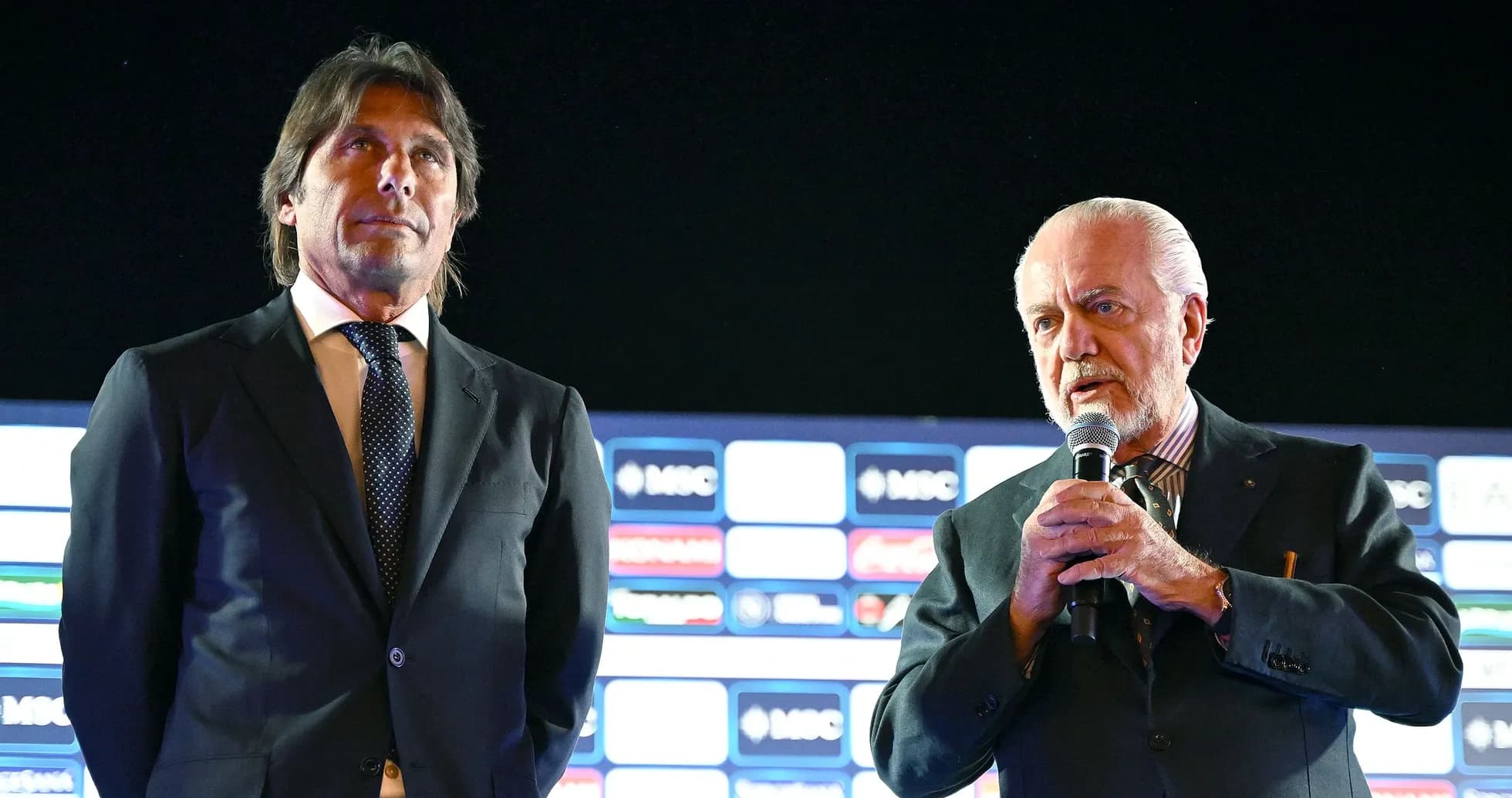
Antonio Conte's Potential Return to the Azzurri: A Dilemma
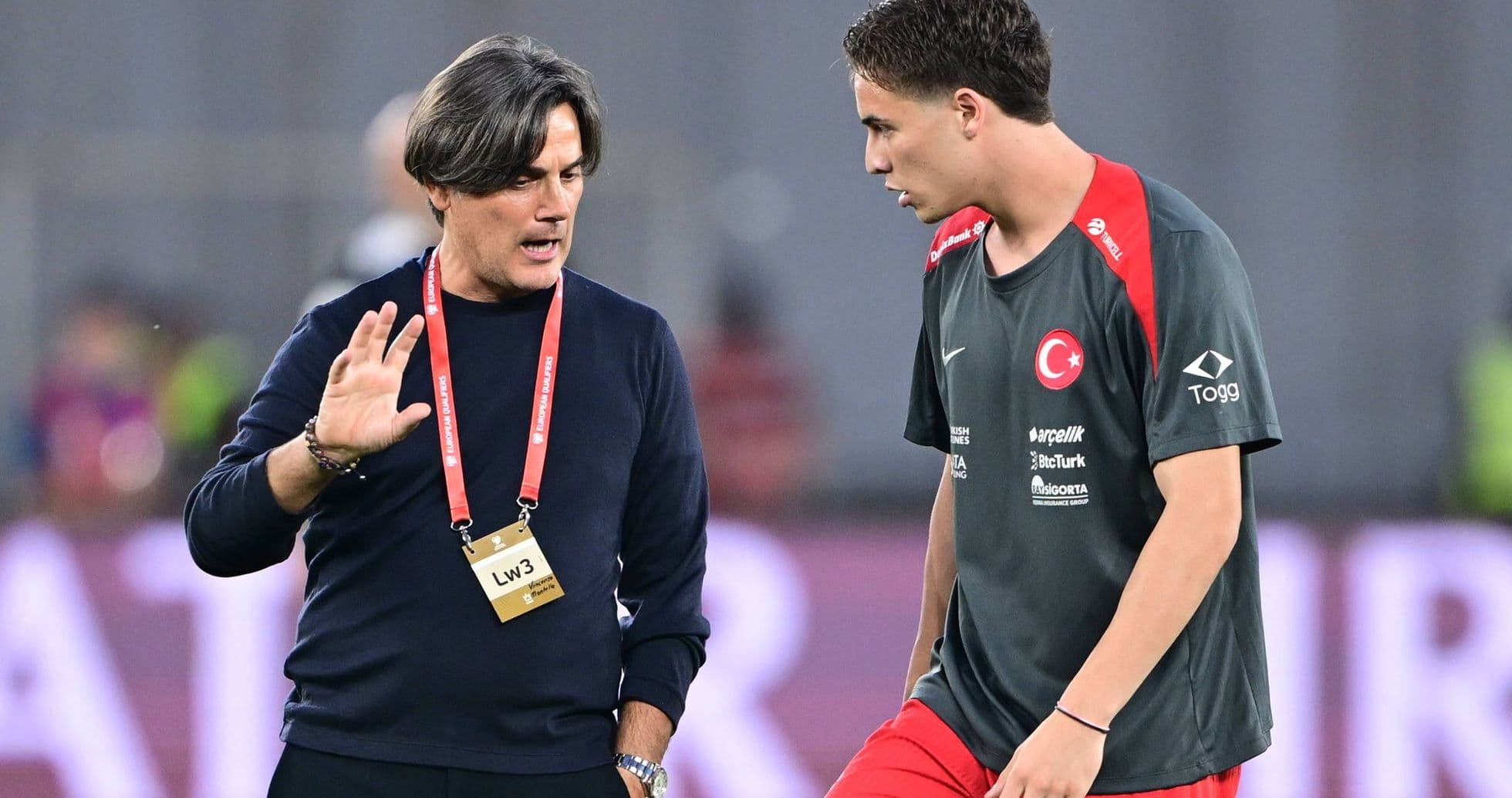
Aurelio De Laurentiis has thrown open the door for Antonio Conte to return to the Azzurri – and slammed it in the face of Italian football’s current power structure.
The Napoli president, never shy of a fight, says he would not stand in Conte’s way if the national team came calling, but painted a brutal picture of a federation he considers “completely disorganised” and unworthy of the coach’s stature.
Conte, the federation and a country in crisis
The Italy job is vacant again after Gennaro Gattuso walked away in the wake of the World Cup play-off final defeat to Bosnia-Herzegovina, a result that plunged the FIGC into yet another crisis and sparked demands for sweeping reform.
Into that vacuum, one name immediately surged to the top of the debate: Antonio Conte.
He knows the role, and the pressure, better than most. Conte first took charge of the national team in 2014 after leaving Juventus, overseeing 25 matches with the Azzurri. His record – 14 wins, five defeats – included a spirited Euro 2016 campaign that ended in the quarter-finals against Germany, decided on penalties and remembered more for Italy’s defiance than their exit.
From there, Conte rebuilt his reputation at club level. He lifted the Premier League with Chelsea, restored Inter to the top of Serie A, then guided Napoli to the Scudetto last season. It is that blend of tactical edge and ferocious authority that makes him the standout candidate for many within Italian football.
De Laurentiis: “If he asked me, I’d say yes”
Speaking to CalcioNapoli24, De Laurentiis made it clear Napoli would not block Conte if the FIGC made a formal move.
“Conte new coach of the national team? If Antonio asked me, I think I would say yes,” he said, framing the decision as a matter of respect for a coach he regards as highly intelligent and ambitious.
Then he twisted the knife.
“As long as there is no serious interlocutor, and up to now there have been none, I believe he would desist in imagining himself at the head of something completely disorganised,” De Laurentiis added, underlining his belief that the real problem lies not on the bench, but in the corridors of power.
Azzurri failures expose deep fractures
The latest collapse has left scars. Italy’s defeat to Bosnia-Herzegovina capped a catastrophic World Cup qualification path that started under Luciano Spalletti and ended with Gattuso parachuted in as a late saviour.
Gattuso’s numbers were not disastrous on paper: eight games, six wins. But two defeats – one to Norway in the final group match, the other in the play-off against Bosnia-Herzegovina – defined his short reign and turned the spotlight on a system that keeps failing at the highest level.
The consequences are historic. Italy will miss the World Cup in 2018, 2022 and 2026, an astonishing run of absences for a four-time world champion. The fallout has already claimed FIGC president Gabriele Gravina and delegation chief Gianluigi Buffon, both of whom have stepped down as pressure from fans, media and clubs has intensified.
“Serie A treated like Cinderella”
For De Laurentiis, this is not just about a coach or a campaign. It is about who runs Italian football, and for whom.
He has openly backed Giovanni Malagò, the current CONI president, to step in as commissioner and ultimately take over the FIGC, describing him as the ideal figure to lead a deep restructuring of the game’s governance.
At the heart of his anger lies the balance of power within the federation.
“Italian football is Serie A which is considered like a Cinderella, it only has 18% in terms of the federation, while the amateurs and the players have the majority. This is an absurdity considering that without Serie A the federation would not exist and considering that we finance it with a good €130 million a year,” he argued.
The message is blunt: the clubs that bankroll the system feel sidelined, and one of their most influential presidents is no longer willing to stay quiet about it.
Conte’s dilemma
All of this frames the Conte question in a very different light. On one side, a prestigious bench, a chance to restore national pride and finish the job he started a decade ago. On the other, a federation in turmoil, leadership in flux and a structure that one of his own employers describes as chaotic.
De Laurentiis says he would release Conte if the call comes. The real issue is whether the FIGC can present the “serious interlocutor” and coherent project that a coach of Conte’s calibre would demand.
Until that happens, the most coveted Italian coach of his generation may decide that the Azzurri job, for all its history and allure, is a risk not worth taking.