Watford's Season Struggles: A Gamble That Cost Them
Watford’s season has barely started and already feels like a race they joined halfway down the back straight.
For a month, the story has been the same: a squad stretched to breaking point, a head coach repeating the same phrase – “it’s not easy” – and a board convinced patience in the market would pay off. On paper, that logic has some merit. On the pitch, it has left Watford playing catch-up before autumn has even settled in.
A summer gamble that’s already cost them
The numbers were stark. By the day before the transfer window closed, more players had left than arrived. For the whole of August, Watford operated with just two recognised centre-backs. Two. In a Championship season that demands depth, rotation and resilience, it was a remarkable risk.
Deadline day did eventually bring reinforcements, but by then the damage was done. Points had slipped, fatigue had crept in, and the margin for error later in the campaign had already narrowed.
The club’s hierarchy will argue they stuck to a plan: wait for better, younger targets, avoid panic buys, build something more sustainable. Strip away the emotion and that stance has a certain logic. With everyone fit, this squad now looks respectable in most areas, with midfield the obvious weak spot.
But football seasons don’t pause while recruitment strategies mature. They roll on, indifferent to best-laid plans.
Hits in the market, strain on the pitch
To be clear, Watford did not sit idle all summer. Some of the early business has been outstanding.
Iker Bravo has lit up the opening weeks, a rare bright spark in a team running on fumes. Federico Ravaglia already looks an upgrade in goal. Jordan Zemura and Omar Traore offer reliable, modern full-back options, and both Soumaila Coulibaly and Branimir Mlacic have shown encouraging signs.
Individually, it’s smart recruitment. Collectively, it hasn’t been enough to protect Alessio Dionisi from the grind of the schedule.
With a thin core and little room to rotate, the same names have been asked to go again. And again. Recent weeks have brought two-game cycles, rising injury counts and the kind of tired legs that drain intensity and concentration. Performances in late August bled into September with a familiar pattern: effort, commitment, but not always the sharpness to match.
The late arrivals, the ones the club waited for, have only added to the complexity. They arrived short of match fitness, nowhere near match sharpness, yet some have been pushed straight into a depleted squad simply to fill gaps.
Benches that tell their own story
You can usually read a club’s health from its substitutes’ bench. Watford’s has been a warning sign.
They have not named the maximum eight substitutes in the last two matches. For five straight games, they have carried two goalkeepers among the replacements. That is not tactical nuance. It is a red flag.
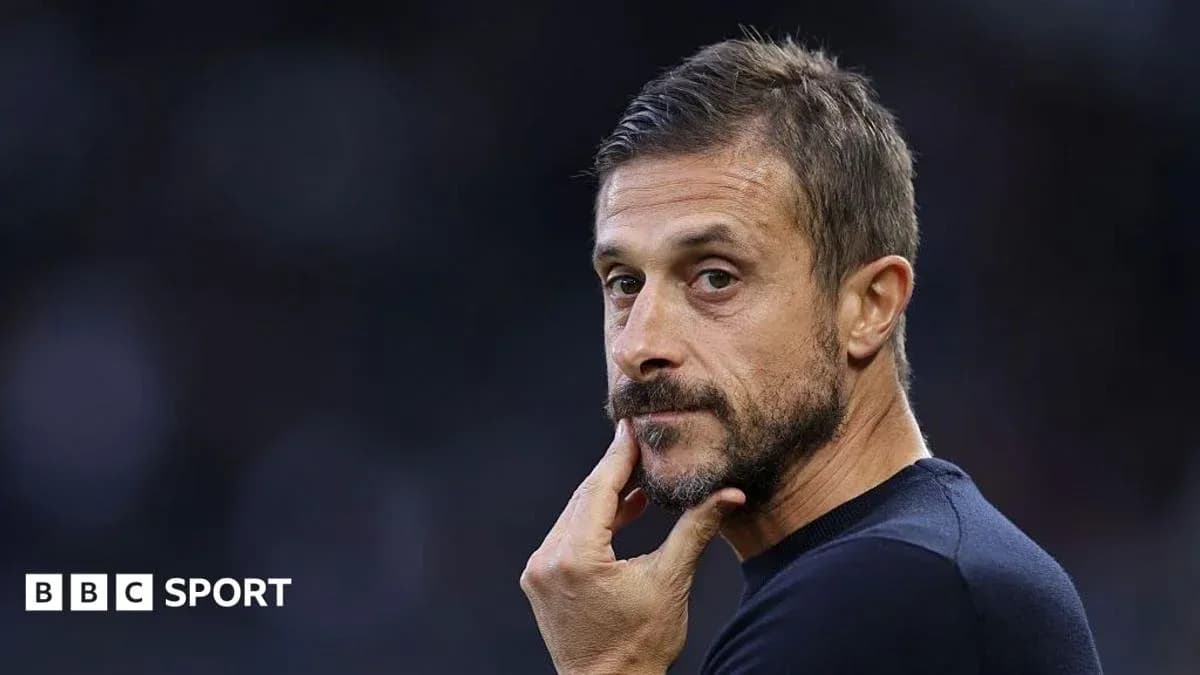
No wonder Dionisi keeps returning to the same line in public: “it’s not easy.” It isn’t. Not with this workload, this depth, this run of fixtures.
For him, the international break is a lifeline. The irony will not be lost on anyone who has watched Watford’s recent history of head coach sackings around such pauses. This time, though, the gap between fixtures feels less like a trapdoor and more like a badly needed breathing space.
Three weeks to repair, or just reset?
After Bristol City on Friday, Watford disappear from competitive action for three weeks. That window is everything: a chance to get bodies back, restore some energy and finally work with something close to a complete group.
By then, though, the table is likely to show the cost of the club’s transfer approach. Watford will almost certainly be chasing, not leading. The board’s reluctance to commit early in August, their belief that better value lay at the back end of the window, has left them scrambling to recover ground before the clocks change.
The squad should eventually look competitive. The quality of several signings suggests that. But the timeline matters. If it takes until late October for Dionisi to have the group he really needs, what shape will the promotion race be in by then?
Watford want to challenge at the top. Right now, they’ve chosen a route that involves starting halfway up a mountain. The climb has already begun; the question is whether they left themselves too far to go.