VfB Stuttgart Secures 1–0 Victory Over SC Freiburg with Late Goal
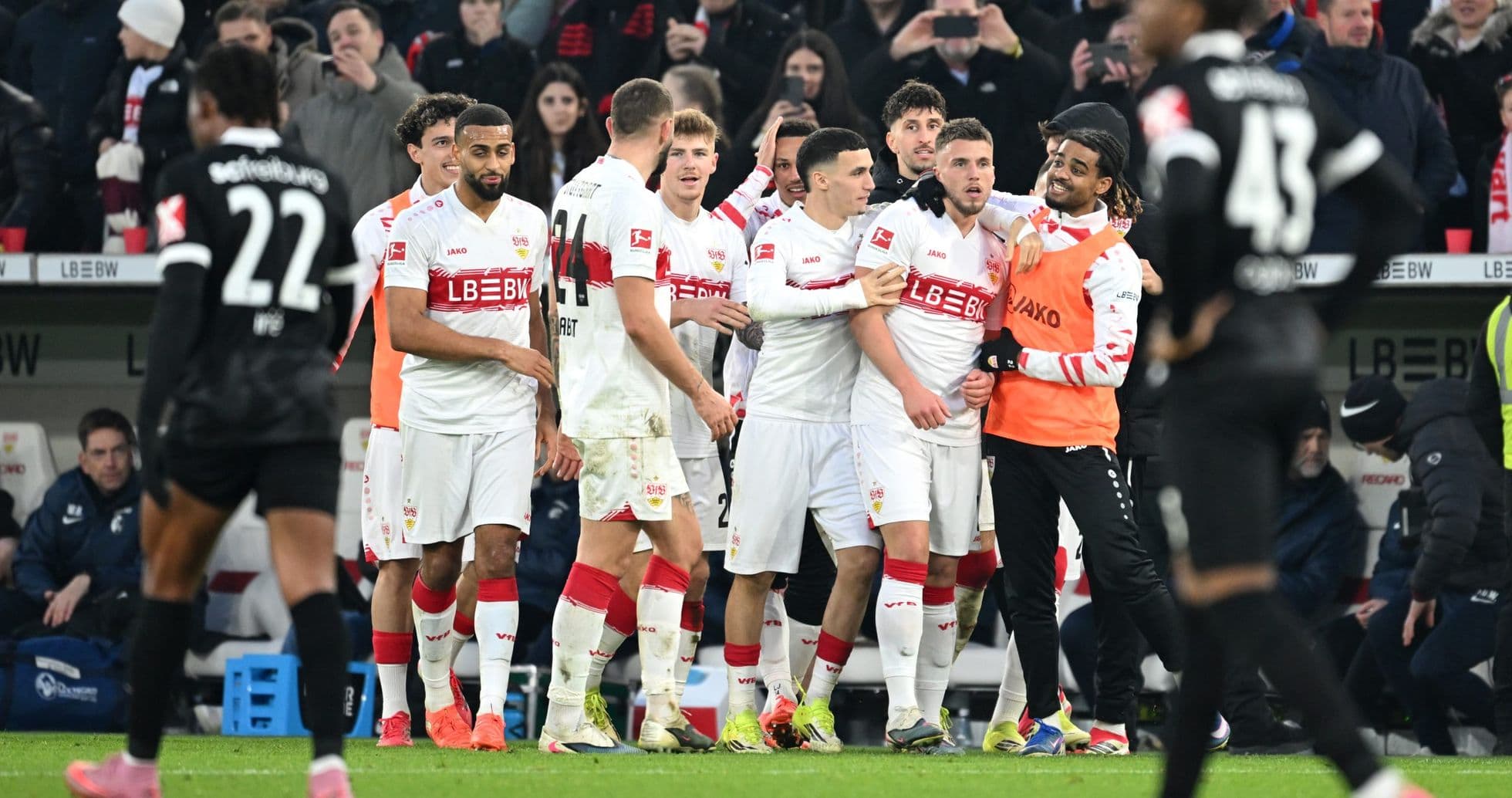
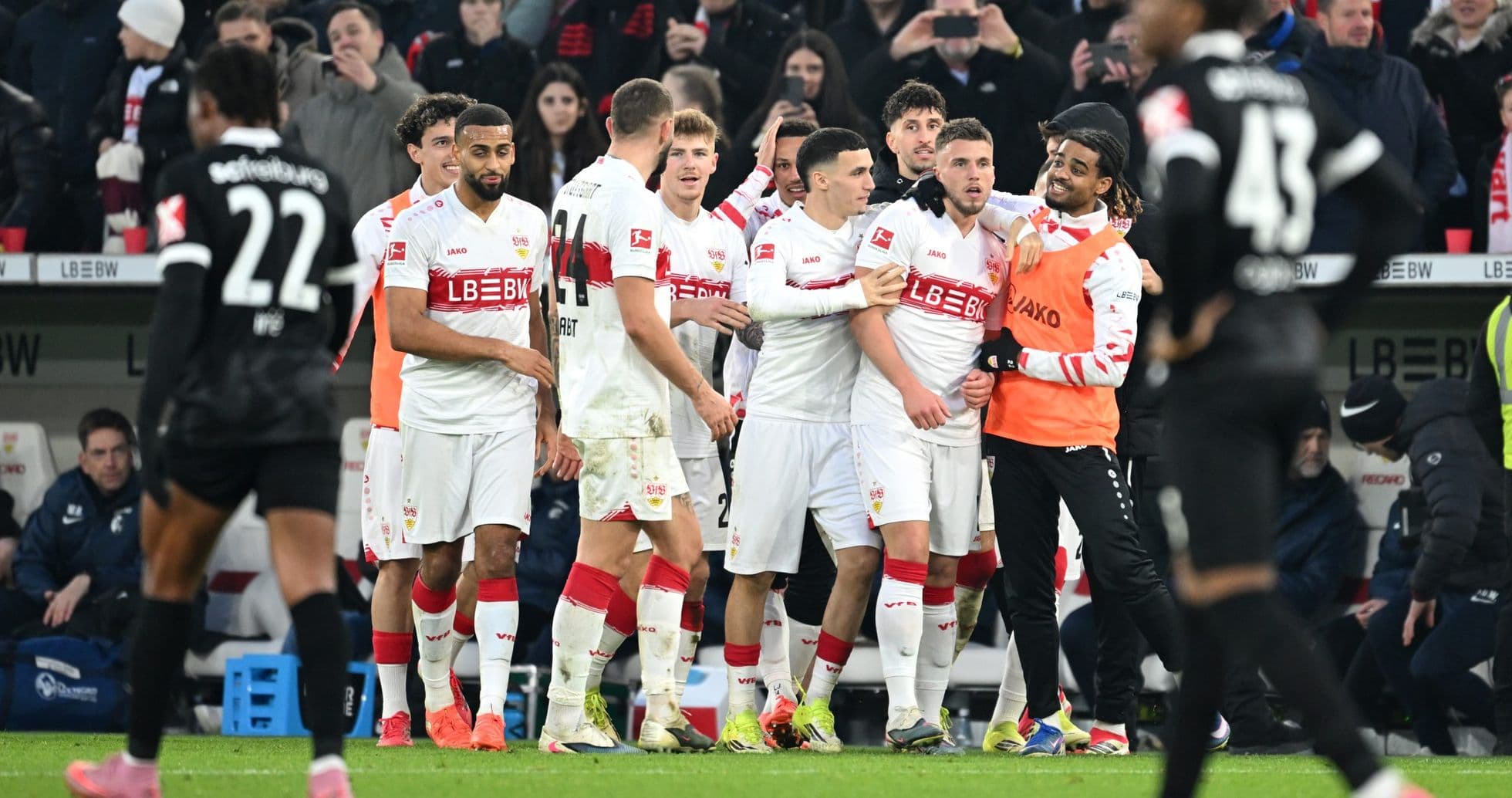
At the MHP Arena in Stuttgart, a tense Bundesliga clash in Round 20 was decided at the death as VfB Stuttgart edged SC Freiburg 1–0. In a match where Sebastian Hoeness’ side controlled long spells without finding a breakthrough, substitute Ermedin Demirović finally struck in the 90th minute to secure a vital three points. The result consolidates Stuttgart’s position in the top four, while Julian Schuster’s Freiburg miss the chance to close the gap on the European places.
First-half analysis
The opening 45 minutes finished goalless, reflecting a tight contest in which neither side produced the decisive moment. With no goals, cards or substitutions before the interval, the story of the first half was one of structure and caution rather than drama.
Both teams lined up in a 4‑2‑3‑1, mirroring each other across the pitch. Stuttgart, with Alexander Nübel behind a back four marshalled by Jeff Chabot and Finn Jeltsch, looked to build through double pivot Atakan Karazor and Angelo Stiller and feed Deniz Undav up front. Freiburg, anchored by Matthias Ginter in defence and Maximilian Eggestein in midfield, sought to support lone striker Igor Matanović through Jan-Niklas Beste and Yuito Suzuki.
While the detailed shot numbers apply to the full match, Stuttgart’s eventual dominance of possession suggests they were already seeing more of the ball before the break, probing without being able to turn territory into a clear lead. Freiburg, for their part, stayed compact and waited for transitions, content to reach half-time at 0–0.
Second half & tactical shifts
The second half opened with a spike in intensity and discipline issues. On 52', Atakan Karazor went into the book for a foul, underlining Stuttgart’s aggressive attempt to keep Freiburg from breaking. Just a minute later, at 53', Jan-Niklas Beste received a yellow card for a foul of his own, evidence that both midfields were now engaging more physically as spaces opened.
Hoeness made his first structural changes just before the hour. At 59', defender Ramon Hendriks went off, with Maximilian Mittelstädt coming on, a like-for-like switch on paper but with Mittelstädt offering more attacking thrust from the left. A minute later, at 60', Nikolas Nartey was replaced by Chris Führich, adding creativity and direct running in the advanced midfield line as Stuttgart chased a winner.
Schuster responded on 68', altering his midfield balance. Johan Manzambi made way for Patrick Osterhage, and Jan-Niklas Beste was replaced by forward Cyriaque Irié, signalling a desire to add fresh legs and pace higher up. The Freiburg coach doubled down on attacking changes on 76', withdrawing Derry Scherhant for playmaker Vincenzo Grifo and Yuito Suzuki for striker Lucas Höler, turning his 4‑2‑3‑1 into a more front‑loaded unit.
Hoeness, meanwhile, refreshed his own core on 77'. The booked Karazor was taken off for Chema Andrés, a straight midfield swap to maintain energy and avoid a possible second yellow. In attacking midfield, Bilal El Khannouss was replaced by Ermedin Demirović, giving Stuttgart an extra goal threat between the lines. Freiburg’s final change came on 78', with right-back Philipp Treu going off for Bruno Ogbus, a defensive adjustment to cope with Stuttgart’s growing pressure.
Stoppage time brought both tension and flashpoints. At 90+3', Demirović was booked for arguing, moments after Stuttgart’s fifth substitution saw centre-forward Deniz Undav leave the pitch for defender Luca Jaquez, a move that initially looked like Hoeness protecting a point. Yet the decisive moment had already arrived in regulation time: in the 90th minute, Demirović converted the game’s only goal, assisted by Undav before his withdrawal. The late strike rewarded Stuttgart’s attacking intent and left Freiburg with no time to respond. At 90+5', Mittelstädt also saw yellow for argument, underlining the frustration and emotion of a game decided so late.
Statistical deep dive
The numbers underline Stuttgart’s control. They held 70% of the ball, forcing Freiburg to concede possession and defend deep for long stretches. That dominance was backed by cleaner circulation: 513 total passes with 84% accuracy, compared to Freiburg’s 227 passes at 69%. Stuttgart’s ability to keep the ball and recycle attacks gradually wore down the visitors.
In attack, Stuttgart produced 18 total shots to Freiburg’s 11, with a 7–2 edge in shots on target. Their expected goals of 1.62 versus Freiburg’s 0.7 reflects a higher volume and quality of chances, even if it took until the 90th minute to find the net. Both goalkeepers contributed: each side recorded one goal prevented, indicating that Noah Atubolu and Alexander Nübel both made important interventions to keep the scoreline tight.
Discipline was evenly matched in terms of fouls, with 14 committed by each team. However, Stuttgart picked up three yellow cards to Freiburg’s one, two of those bookings (Demirović and Mittelstädt) arriving in added time amid heated arguments. The card profile mirrors a contest that grew more fractious as the stakes rose late on.
Standings & implications
The victory lifts Stuttgart to 39 points with a goal difference of +11 after 20 matches, keeping them firmly in fourth place and on course for Champions League qualification. Their home record remains impressive, now reading seven wins, two draws and just one defeat at the MHP Arena. Freiburg stay seventh on 27 points with a goal difference of -2, missing a chance to close the 12‑point gap to Stuttgart and strengthen their own European ambitions. For Schuster’s side, an away record of two wins in 11 continues to be a barrier to climbing higher.