Dortmund vs Heidenheim: Tactical Analysis of a Possession Battle
Borussia Dortmund imposed a clear possession-based game plan, finishing with 65% of the ball and 479 total passes compared to Heidenheim’s 35% and 258 passes. Dortmund’s 3-4-2-1 structure was geared towards sustained occupation of the opposition half, reflected in 14 shots from inside the box. Heidenheim, in their 3-4-3, accepted long spells without the ball and focused on quick outlets and vertical attacks, evidenced by 6 offsides as they repeatedly tried to break Dortmund’s line. The spatial control belonged to Dortmund, but Heidenheim’s ability to generate 10 shots inside the box from far less possession underlined a dangerous counter-attacking threat.
Offensive Efficiency
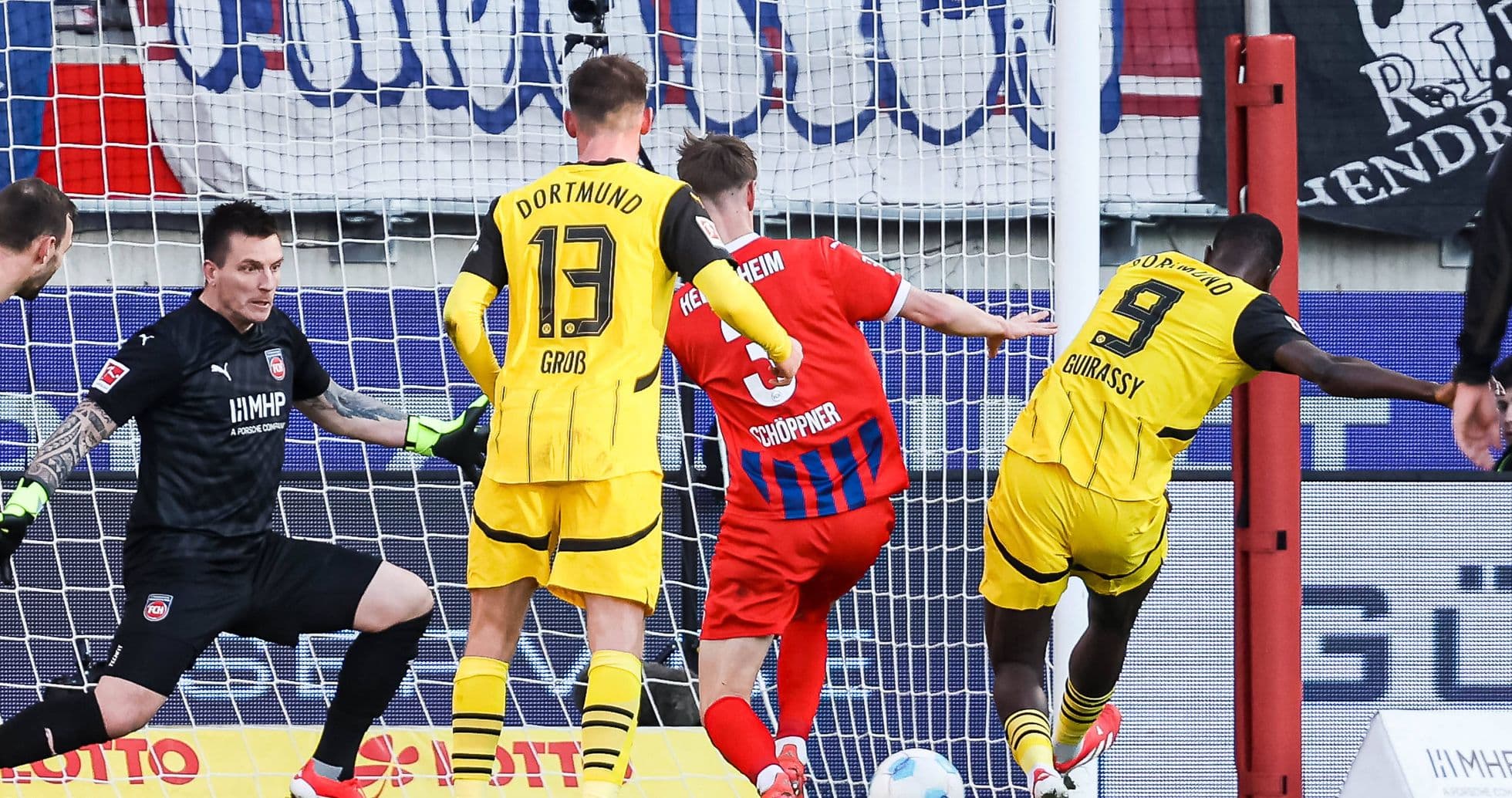
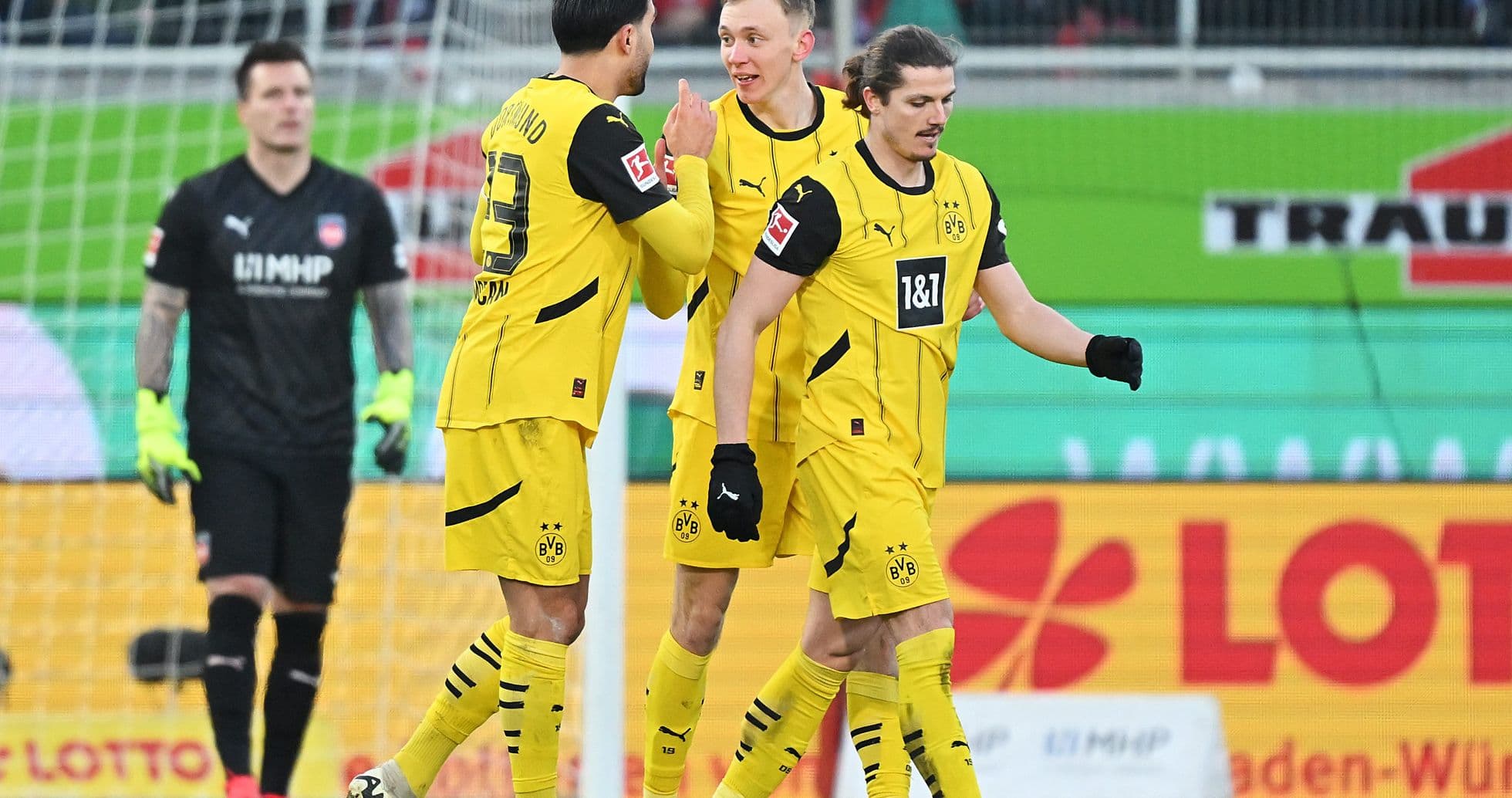
Dortmund’s plan revolved around volume and territorial dominance. With 19 total shots, 5 on target, and a hefty 12 corners, they consistently pinned Heidenheim back, recycling attacks through their wing-backs and advanced midfielders. The expected_goals metric of 3.32 matches their three-goal output, suggesting they converted at roughly the rate their chance quality warranted rather than being especially ruthless. The high number of blocked shots (6) also shows Heidenheim often defended deep with numbers, forcing Dortmund to shoot through traffic.
Heidenheim, by contrast, were selective but incisive. They produced 12 shots, 3 on target, with 10 of those efforts coming from inside the box, and an expected_goals of 2.26 for their two goals. That ratio points to efficient exploitation of transitions rather than speculative efforts. Only 3 corners underline how rarely they sustained pressure; their attacks were more about quick, direct sequences than prolonged final-third occupation. The 6 offsides highlight a deliberate tactic of pushing their front three high and risking the line to stretch Dortmund’s back three and create breakaway situations.
Defensive Discipline & Intensity
Both sides recorded 11 fouls and 2 yellow cards each, indicating a moderately physical but not overly chaotic match. This symmetry suggests neither team relied on extreme disruption; instead, tactical fouling appeared balanced on both sides to stop transitions. Dortmund’s defensive control is reflected in Heidenheim managing just 3 shots on target and Gregor Kobel needing only 1 save, implying that most of Heidenheim’s box entries were either rushed or well-contained.
At the other end, Heidenheim’s goalkeeper made just 2 saves despite Dortmund’s 19 shots, which, combined with 2 blocked shots and multiple efforts off target, points to Dortmund being somewhat wasteful in finishing rather than being repeatedly denied by outstanding goalkeeping. The low “goals_prevented” value of 0 for both keepers reinforces that the scoreline was driven more by shot quality and defensive structure than by heroic interventions.
Conclusion
Ultimately, Dortmund’s territorial dominance, higher shot volume, and xG edge (3.32 vs 2.26) allowed their possession strategy to outlast Heidenheim’s direct, counter-focused approach. Efficiency was comparable, but Dortmund’s sustained pressure and set-piece volume tilted a tight tactical battle in their favor.