Stuttgart Dominates Freiburg in Tactical Battle
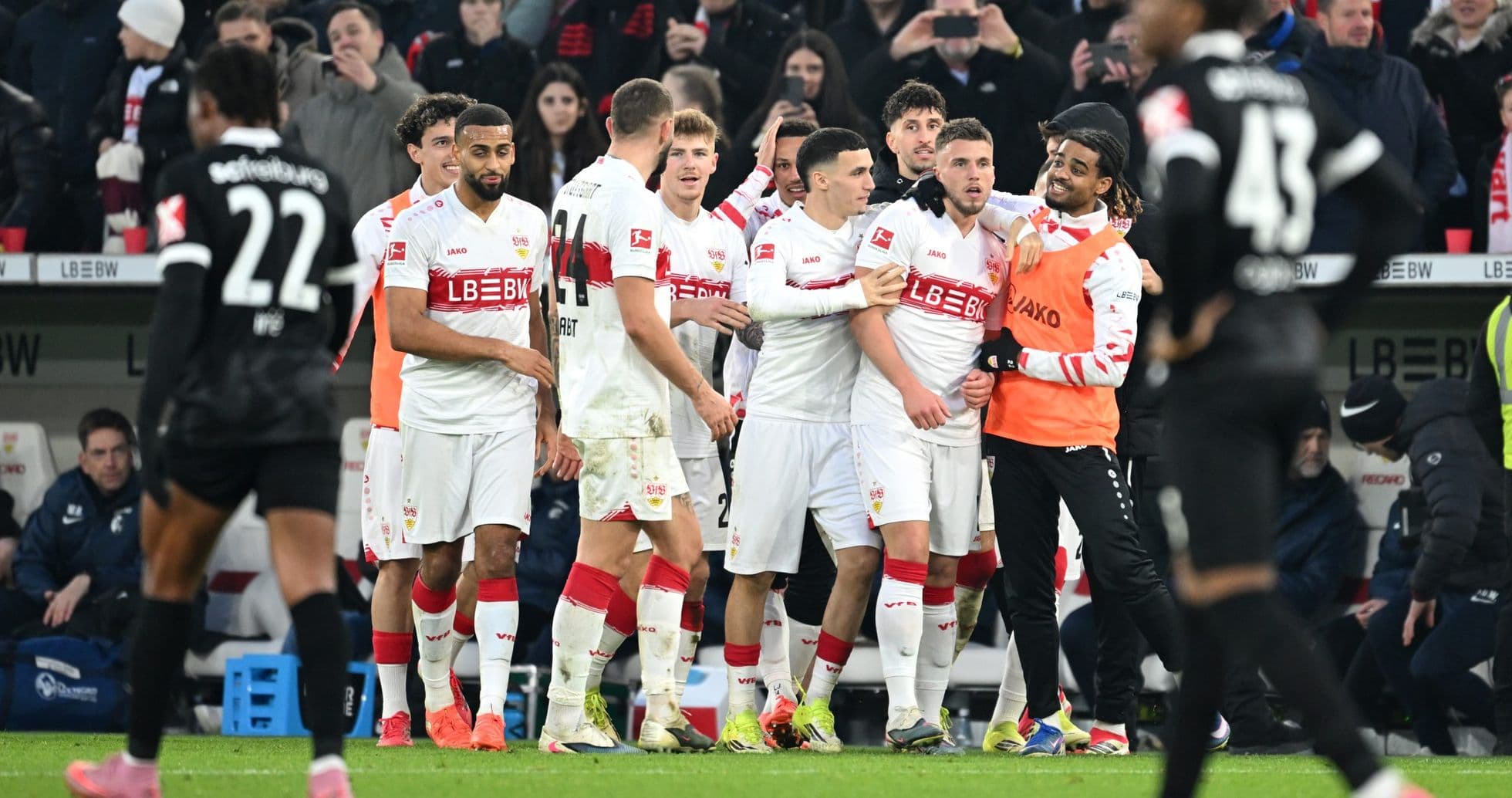
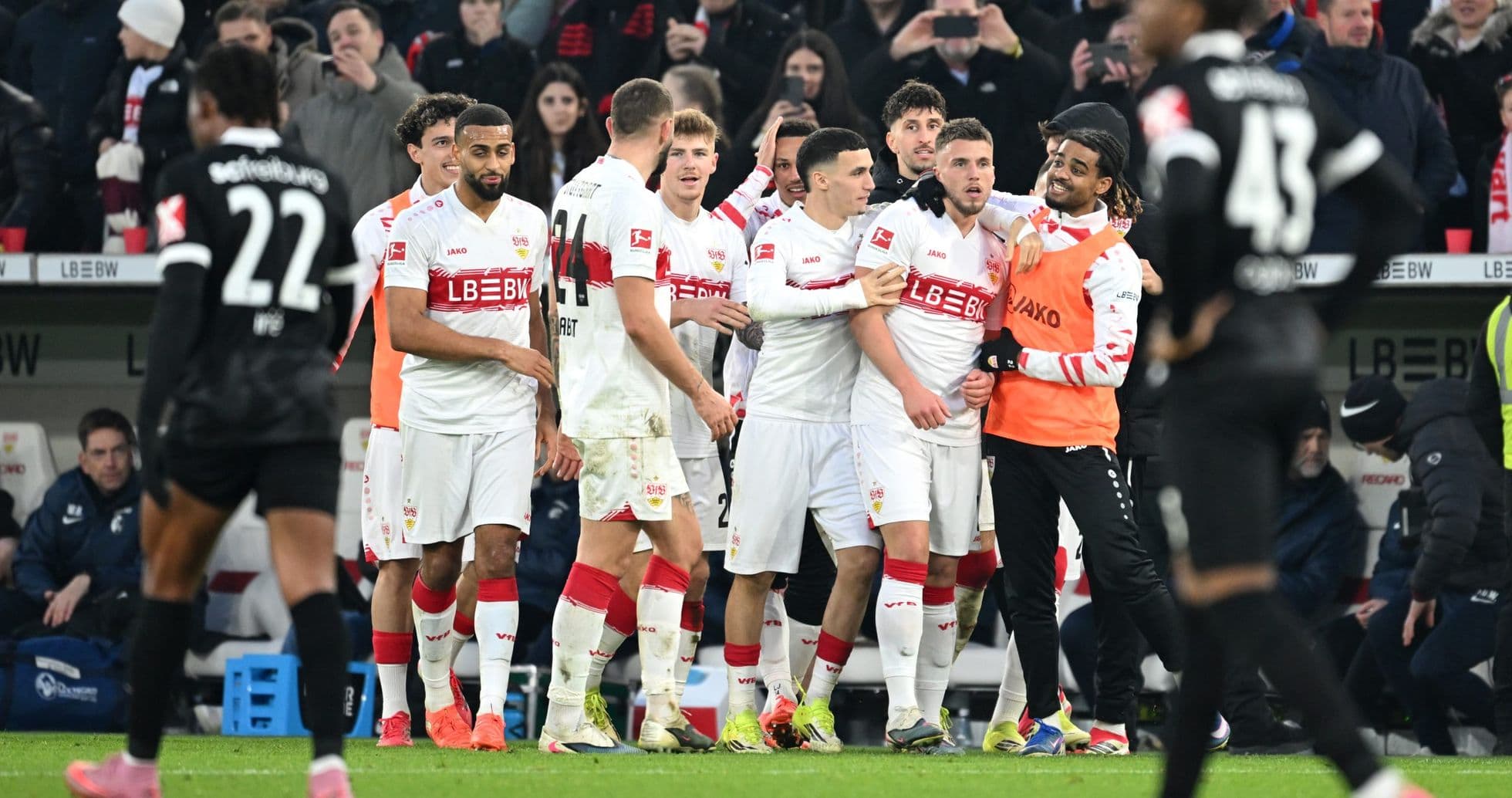
VfB Stuttgart imposed near-total control of the ball from the start, finishing with 70% possession and 513 passes at 84% accuracy. Their 4-2-3-1 was clearly geared towards patient circulation and sustained pressure in Freiburg’s half. SC Freiburg, with only 30% possession and 227 passes at 69% accuracy, accepted a reactive role, prioritizing compactness over initiative. The game’s flow became a classic contrast: Stuttgart monopolized the ball and territory, while Freiburg tried to control space, protect the box, and wait for transition moments. Despite the territorial dominance, the scoreboard stayed tight, reflecting Freiburg’s largely successful low-risk, containment approach for most of the match.
Offensive Efficiency
Stuttgart’s plan was to overwhelm Freiburg through volume and field position. Their 18 total shots to Freiburg’s 11 underline that intent, and the quality of those chances is backed by 13 shots from inside the box and an xG of 1.62. Six corners further show how often they pinned Freiburg back. However, 7 shots on target from those 18 attempts, plus the need for a late breakthrough, point to a certain lack of cutting edge against a deep block.
Freiburg’s offensive approach was far more selective. With 11 shots, only 2 on target, and an xG of 0.7, they rarely converted their sporadic possession into real threat. The near parity between shots inside (6) and outside the box (5) suggests a mix of hopeful efforts and a few more promising moments, but not sustained pressure. Their 2 corners compared to Stuttgart’s 6 further highlight how little time they spent in advanced zones. Overall, Stuttgart combined territorial dominance with steady chance creation, while Freiburg relied on occasional counters that seldom forced Stuttgart into real emergency defending.
Defensive Discipline & Intensity
Both sides committed 14 fouls, indicating a fairly physical but balanced contest in terms of aggression. Stuttgart’s three yellow cards versus Freiburg’s one show the home side were more often on the edge, especially as they pushed to maintain pressure and stop counters. Defensively, Stuttgart limited Freiburg to just 2 shots on target, with Alexander Nübel making 2 saves and the team blocking 3 shots, reflecting good protection of the penalty area.
At the other end, Freiburg’s defensive structure was organized but under constant strain. Noah Atubolu had to produce 5 saves against Stuttgart’s 7 shots on target, and Freiburg’s 3 blocked shots emphasize a low, compact block throwing bodies in front of efforts. Both goalkeepers posted a “goals_prevented” value of 1, underlining that this was as much about shot-stopping as it was about structure.
Conclusion
Ultimately, Stuttgart’s sustained possession (70%), higher shot volume (18–11), and better chance quality (xG 1.62–0.7) wore Freiburg down. Freiburg’s compact, reactive game plan kept the scoreline close, but Stuttgart’s persistence and territorial control eventually translated into the decisive margin.