Tuchel Reflects on England's World Cup Collapse Against Argentina
England’s World Cup collapse against Argentina still gnaws at Thomas Tuchel. Not just as a defeat, but as a personal mistake he now openly owns.
For months, the narrative was simple: England couldn’t keep the ball when it mattered. The manager himself framed it as a national flaw, a recurring weakness in the country’s football DNA. Lose control, lose the game.
Now, he’s changed the story — and turned the spotlight on himself.
Tuchel’s tactical regret
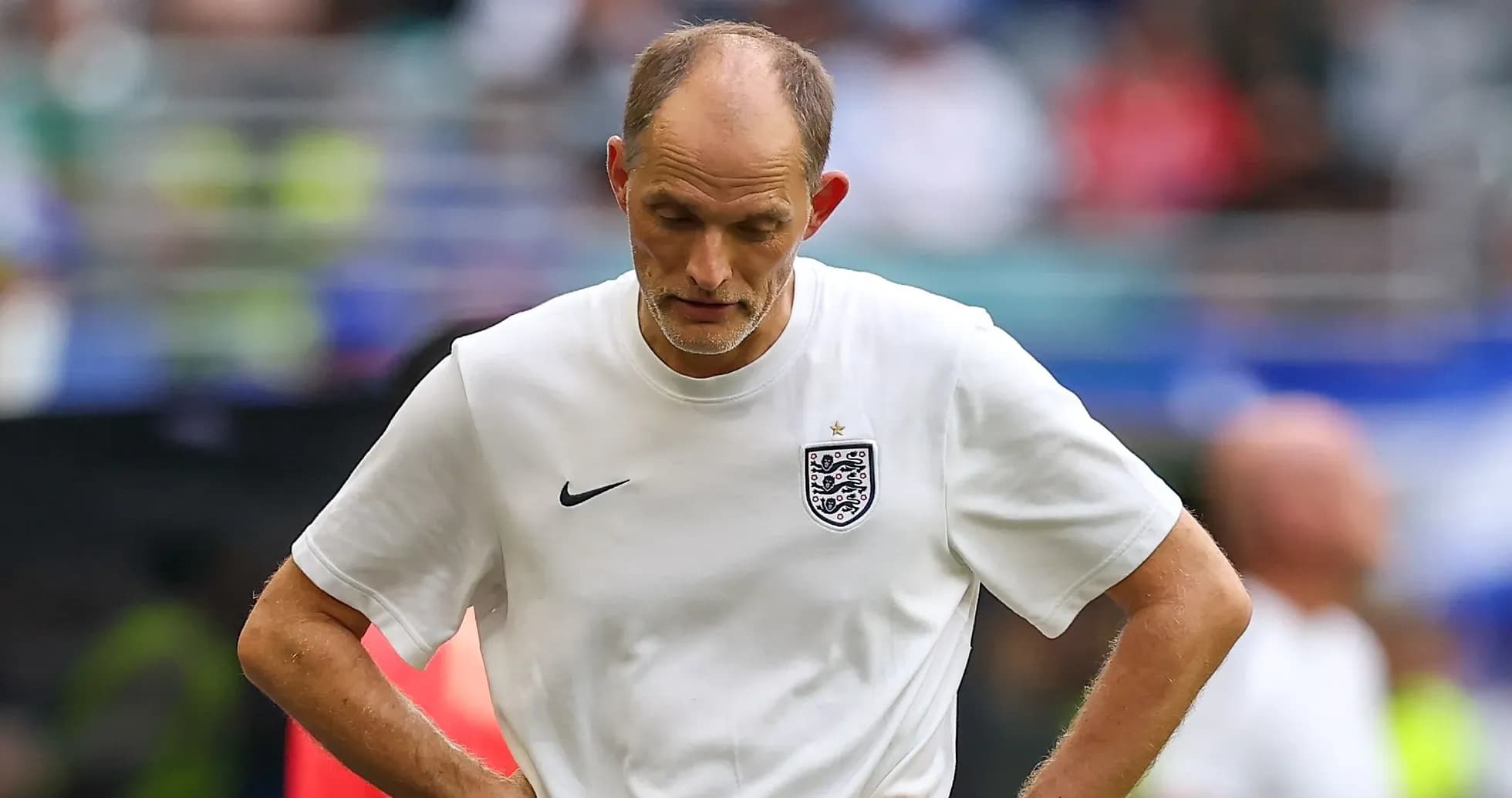
Speaking on the FA’s Reflections: England's World Cup Journey documentary, Tuchel admitted that the turning point was not just on the pitch, but in his own dugout.
Sensing his players were drained by a brutal schedule that had dragged them through Congo, Miami, Norway and then Mexico’s altitude, he panicked. He saw a team overwhelmed by the occasion and running on empty. And he flinched.
"We conceded a chance just before the water break. I thought we will not survive. This is death," he said. That fear drove a decisive call: an early switch to a back five, a 5-4-1, designed to protect what they had rather than go and win it.
It backfired. The retreat handed Argentina the initiative, the ball, and eventually the game. England’s World Cup dream, lit by Anthony Gordon’s opener, was slowly suffocated as the South Americans surged late and tore through a side that had sunk too deep, too soon.
"It was too early for that mindset," Tuchel admitted. The defensive shell became an invitation. Argentina accepted.
A scar that still burns
Time has not softened the blow. Tuchel revealed he has never brought himself to watch the Argentina match in full. Only recently did he sit down at St George’s Park with his staff to revisit it — and even then, only in clips.
"Agony of epic proportions. I watched the clips with my coaches just last week when we were at SGP," he said. "My mind always works forward, forward. Painful. I see it now for the first time from the commentators’ point of view. It’s my scar, the players’ scar, I have to live with it. No-one is hurt more than me. It is torture."
This is not a manager distancing himself from the collapse. It is one reliving it, frame by frame.
The tackle that changed everything
Tuchel insists England were in the game. Prepared. Competitive. Believing.
"You have to have football quality. We prepared so well. I think we did quite well in the first half, it was quite an even match and I felt we were there," he said.
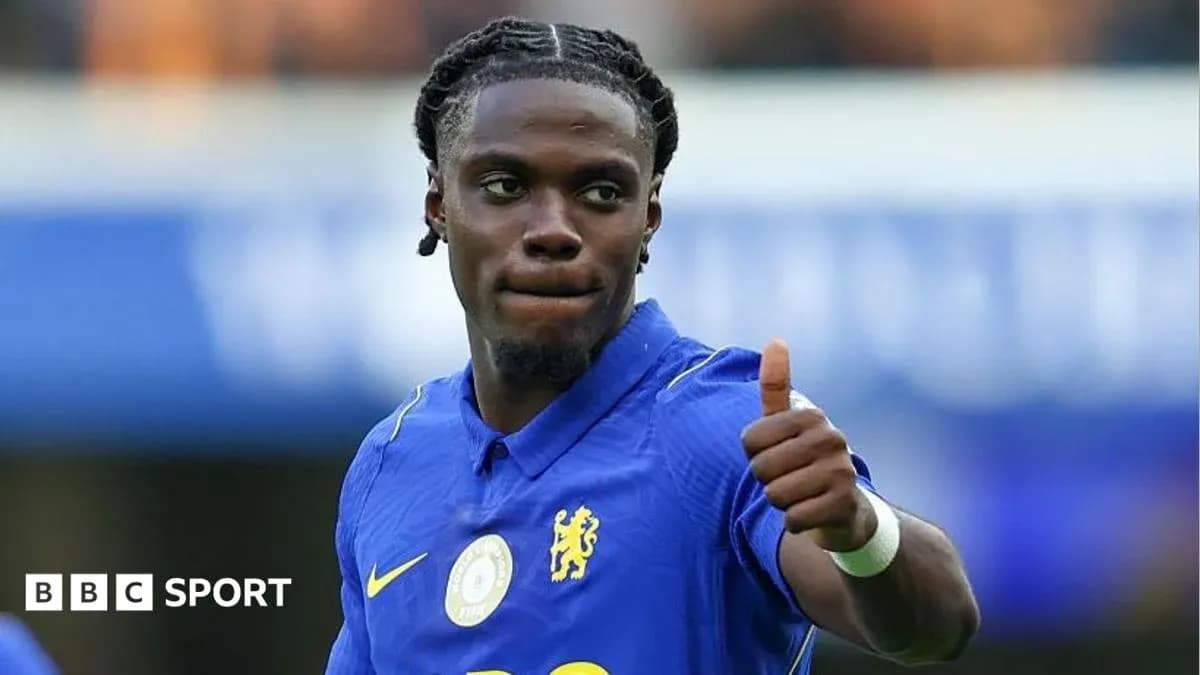
Then came the second half. And with it, the moment he believes shifted the entire psychology of his team: a full-blooded challenge from Djed Spence.
"The famous tackle of Djed Spence. And it did something to me, it did something to the players and it was a shift in the mindset," Tuchel recalled. From that instant, England stopped playing as if they had time. They behaved like a side clinging on in stoppage time, not one with half an hour left to navigate.
"We played like we had four minutes left but there was half an hour left."
The team leaned heavily on brotherhood, mentality, and individual quality — traits Tuchel values and Argentina also possessed in abundance. But while England shrank into a protective shell, Argentina attacked the game with nothing to lose.
"Argentina have that as well - brotherhood, mentality, they bring it all to the table and it means the world to them. Argentina played very, very quickly. They had nothing to lose."
The pressure eventually cracked England. The late comeback felt inevitable once the momentum had turned and the shape had sunk.
Pride, pain, and what comes next
There was, in the end, a response. England regrouped enough to beat France and secure third place, a result Tuchel refuses to dismiss even as he acknowledges the bigger prize slipped away.
"You learn as a coach. You have to play as if it is 0-0. That includes me as well," he said. "I have a lot of people who want to see my medal. We did not achieve what we wanted. But I am still very proud of what we achieved. These players will come back hungry."
The scar remains. So does the lesson: don’t retreat too early, don’t surrender the ball, don’t let fear dictate the shape.
The next time England stand on a World Cup stage with a lead to protect, Tuchel will know exactly how that choice feels — and exactly what it cost.